
The need is immediate, and the work is overdue
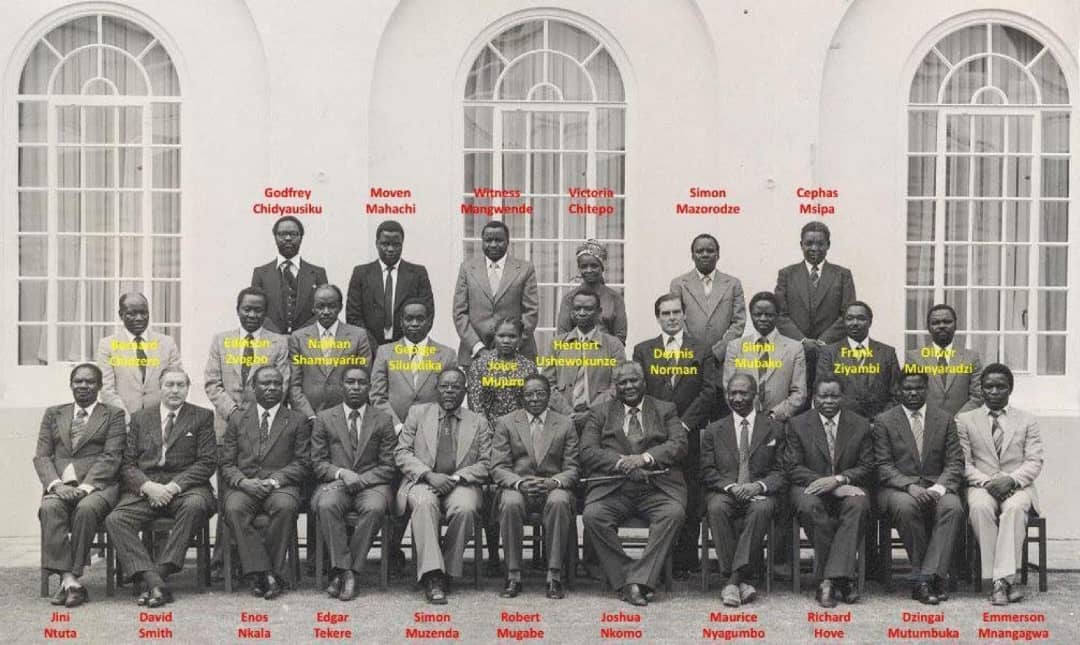
Zimbabwe’s political independence came in 1980, but the structures that supported colonial rule are intact up to this very day, very moment, very hour. Colonisation in Zimbabwe did not end with the lowering of the Union Jack or with the ceremonial transfer of state power. The political structure on paper and optically may have shifted, but on the ground, the economic, social, cultural, and linguistic patterns laid down by British rule continue to define the everyday experience of Zimbabweans. The economy still runs on rules shaped for extractive use, not local ownership. Up to this day the land is still marked by dispossession. The education system still rewards English-language proficiency over local understanding. The legal system still follows imported oppressive codes. These structures were cleverly designed not to be neutral, and they were not designed to serve the people living under them. The goal now is not to reform colonial systems, but to dismantle and replace them. This is why the country needs a root and branch decolonisation praxis. The time for theory, or symbolic gestures is past it’s sell by date. Without this, independence remains surface-deep and incomplete.
Colonialism was a global operation built around control of labor, identity, and resources. It built its own logic into schools, laws, governance, and language. It is self perpetuating. In settler colonies like Zimbabwe, it was about permanent restructuring of society for perpetual control, not short-term occupation. It trained people to think and behave in ways that protected colonial interests. Even after political power changed hands, the training stuck, and the methods stayed in place. They continue to shape decisions across all institutions today.
Decolonisation is the process of reversing this, there is nothing academic about it. This is practical and ongoing. It takes shape in policies, in economic models, in language use, in educational direction. Praxis means doing the work, and not just seeing the problem or talking about it, but taking apart the systems that cause it and building new ones. It also means seeing colonialism not just as something done to Zimbabwe from outside, but as something still operating inside the state, in its bureaucracy, in its economy, in its universities, and in its media.
Language is one of the most durable tools of control. Zimbabwe’s continued use of English in official business is not just a matter of communication. It signals which knowledge is valued. It shapes who can participate in national life. It filters people by their proximity to a foreign standard. Local languages are pushed aside, along with the ideas and ways of thinking they carry. This is how cultural control continues even without foreign rule. English unbeknown to many is the ultimate gangster language, pushing as a global standard is about domination.
Our people do not take language seriously enough. Certain phrases, ways of speaking, and bureaucratic norms all trace back to colonial rule. These terms shape how Zimbabweans view themselves, their history, and their future. They restrict what can be imagined or attempted. When people use colonial expressions to talk about land, governance, development, or even education, they are often repeating ideas designed to keep them subordinate. This is how cultural hegemony works. It convinces people to police themselves in the name of order, professionalism, or progress, all defined by someone else. Confucius believed disorder begins when words no longer match the roles and responsibilities behind them. If someone is called a ruler but does not lead, or if someone is called a citizen but holds no real rights, the foundation of governance weakens. The system begins to rot from the inside. This idea was central to his thought. He called it the Rectification of Names. Naming something wrongly is not just careless, it allows misrule to continue unchecked.
That’s the condition in Zimbabwe. There are ministers who do not minister. There are public offices that do not serve the public. The constitution says one thing; the lived reality says another. The gap between word and function widens, and confusion fills the space. Power hides behind titles that no longer mean what they say.
Tony Judt, writing from another context, warned of a similar breakdown. When politics is reduced to market logic, and everything is judged by profit and cost, the idea of public responsibility collapses. What matters is no longer whether a policy is just, but whether it increases numbers on a spreadsheet. Language becomes technical. Words that once meant duty or obligation become ways to sell policy to donors. Once again, the names stop fitting the things they describe.
In that kind of environment, many people lose interest in politics. Some say it is a dirty game and walk away from it. Others treat it like a fight between enemies, where the goal is to destroy, not to build. Both responses are shaped by the same problem. Language has been emptied out. The names no longer describe the work they are supposed to guide. People are reacting to shadows.
To fix the system, the language must be fixed. Language should not be polished, or just rebranded, it has to be made accurate. Titles must match roles accurately. Institutions must do what they claim to or are supposed to do. If not, what follows is continued decline, and it’s so apparent when it comes to Zimbabwe. Without clarity, there can be no accountability, without which nothing changes.
The influence is not limited to the language itself. Common terms and expressions in media, politics, and policy carry colonial weight. They frame issues in ways that favor the logic of empire. They define development, governance, and progress by imported measures. They discourage thinking rooted in local conditions. The key thing to take from this article is that they make it harder to imagine alternatives. These borrowed systems are not harmless habits, they are tools of continued dominance that require a resolute stance.
Zimbabwe’s current crisis can’t be solved by maintaining such systems from the countries that caused it. The talk of democracy, reforms, and development has become cover for deeper control. Democracy, as it’s sold in English, doesn’t mean what most people think it does. The word comes from Greek, “demos” means mob, “cracy” means rule. “Mob rule”. It’s a system that pretends to serve people but is designed to manage them. That’s the version exported across the global south. It doesn’t lead to freedom at all but leads to confusion, division, and instability. One of the reasons for different groups developing their own languages, their own secretive code for communication, was for preservation, survival, it was a security mechanism.
The language used to promote this colonisation model is part of the trick. English is built to have layers of meaning. It says one thing to the masses, but it signals something else to the ruling class. It’s a coded system, where words are weapons. Language is a mathematical code, how do you just use someone’s else language without asking for the code? The saddest part is no one has even bothered to decode our own ancesrtal languages. When Western governments say they are bringing “democracy,” what follows is war, collapse, and theft. Look at Libya. Look at Syria. Look at Ukraine. These places were broken apart under the banner of democracy, but the results tell the real story, corruption, chaos, occupation, and economic ruin.
Zimbabwe is on the same track. Its version of democracy is a mafia copy of the foreign system. It brings in the same corruption, the same elite control, the same exclusion of people who try to speak for the majority. South Africa for example claims to be the pinnacle of democracy whilst serving a tiny white elite who control more than 80% of the wealth, land and resources. Leaders like Malema, no matter how people and afrocentric, they are locked out. The system does not serve them. It serves corporations, banks, and technocrats. It allows elections, but it does not allow real power to shift. It holds onto colonial patterns through a new puppet face.
The West sells its model as the gold standard, but it doesn’t even follow it at home. The US, the UK, France, and Canada call themselves democracies, but their governments are controlled by oligarchs, money and power. Their corruption is organised and legalised. So when Zimbabwe mirrors this, it doesn’t mean it is failing to be a democracy, it’s copying the original. The corruption seen in Harare is a local version of what happens in Washington or London. It comes from the same manual.
This is why Zimbabwe needs decolonisation to break from the past, and top repeating it under new names. Time to wake up, drop the colonial egos and reject the fake choices offered by imported systems. This is the time to refuse the use the tools of the same empire that looted the country and killed its ancestors. You can’t build freedom with borrowed tools built for control. There is no way you can reform a system designed to fail you. You replace it.
Decolonisation means coming to terms with where these systems come from and what they continue to do. It means changing what is taught, what is rewarded, what is considered normal. It means building systems that reflect the needs, values, and knowledge of the people who live in the country, not the preferences of those who once ruled it.
It doesn’t mean Zimbabwean people are rejecting the outside world. This relationship of dependence and distortion has to end end. This chapter has to be closed. It is about setting terms that serve Zimbabwe’s interests, not those of former colonial powers or international institutions built on the same foundations. That can’t happen as long as colonial frameworks remain in place. The likes of colonial puppets like those in Zanu PF, the opposition, corporate and civic environment, they have to depart the scene so the nation can start afresh and be liberated.
Decolonisation cannot be an endless slogan. This encapsulates policy work, material, language, land and economy. Mali is doing it, so is Niger and Burkina Faso. This is careful work of replacing what was built to control with what is built to serve our people. 45 years of lies and confusion, the need is immediate, and the work is overdue.
“Reality is that which, when you stop believing in it, doesn’t go away. The basic tool for the manipulation of reality is the manipulation of words. If you can control the meaning of words, you can control the people who must use the words.” – Philip K. Dick
All my analyses or reports are free to read, thanks to the generosity of my readers. Independent journalism nonetheless requires investment, so if you value this article or any others, please consider sharing, or even becoming a paid subscriber. Your support is always gratefully received, and will never be forgotten. To buy me a coffee or two, please click this link.
buymeacoffee.com/ggtv


Leave a comment