-
Iran Rejects Ceasefire Demands Permanent End to War and External Pressure
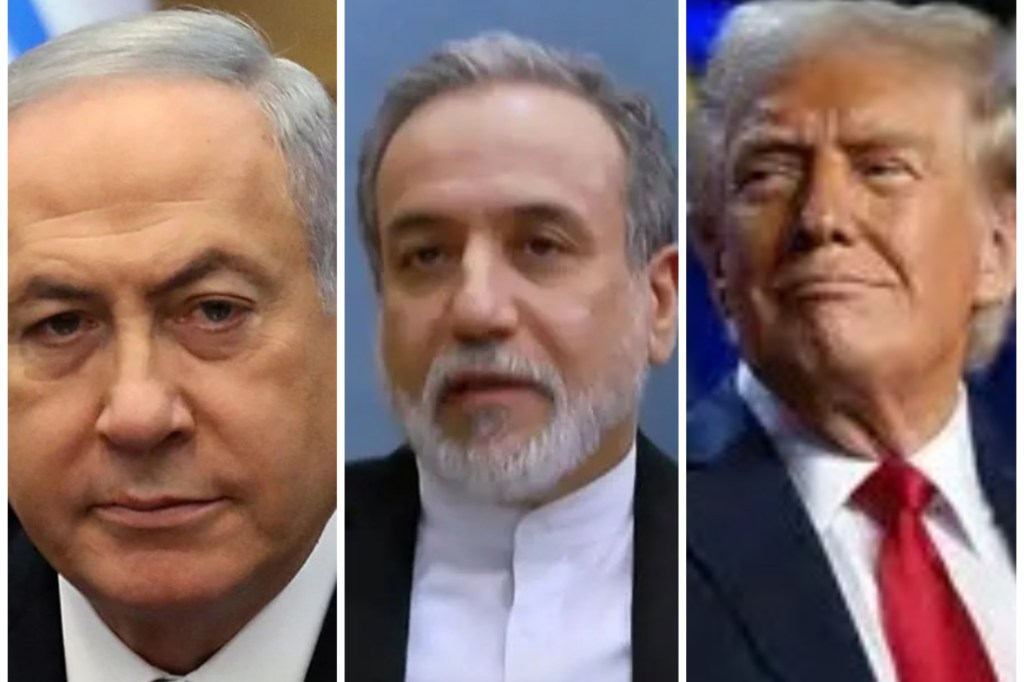
Iranian leadership argues that temporary truces only preserve the strategic conditions that have produced decades of confrontation since the 1979 revolution. Iranian refusal to accept a temporary ceasefire reflects a strategic calculation rooted in the historical pattern of hostilities directed against the Islamic Republic since the 1979 revolution. Tehran frames the current confrontation as the… Continue reading
AI and Digital Control, America, China, economics, Energy, EUROPE, Financial markets, Foreign Policy, Geopolitics, iran, israel, middle east, NATO, politics, Russia, warAbbas Araghchi, ceasefire diplomacy, energy security, Game Theory, Geopolitics, global energy markets, Gulf geopolitics, iran, Iranian foreign policy, IRGC, Israel Iran tensions, Middle East conflict, oil geopolitics, political economy, regional power balance, security architecture, Strait of Hormuz, Sun Tzu, Thomas Schelling, US–Iran relations, war strategy -
Africa’s Silent Recolonisation: Debt, Deindustrialisation and the Net Zero Agenda
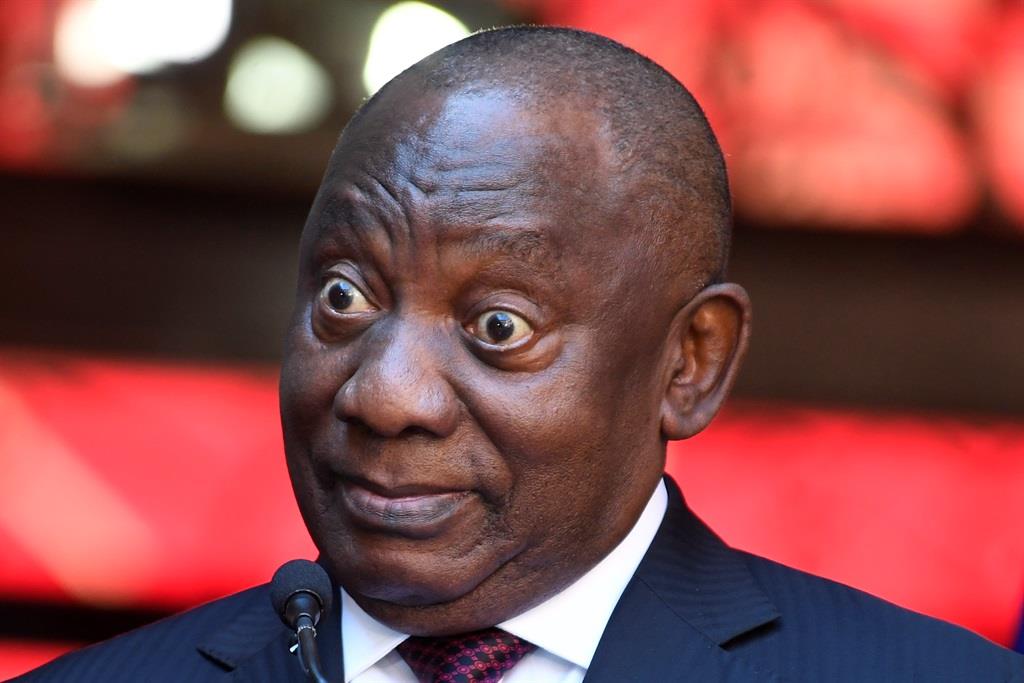
How net zero climate-linked debt, collapsing grids and external mandates are African states into managed decline and dependence Access to abundant and affordable energy underpins every stage of economic development. African governments that attempt to industrialise without reliable baseload power expose themselves to stagnation, dependence, and political manipulation. External actors promoting net-zero targets in Africa… Continue reading
-
Sudan Burns whilst the World Watches

The UAE’s money, Western weapons, and the world’s indifference fuelled a genocide in Sudan. Global GeoPolitics If you believe journalism should serve the public, not the powerful, and you’re in a position to help, becoming a PAID SUBSCRIBER truly makes a difference. Alternatively you can support by way of a cup of coffee: buymeacoffee.com/ggtv |… Continue reading
-
A Burning Republic and the Fiscal Tyranny of the Euro
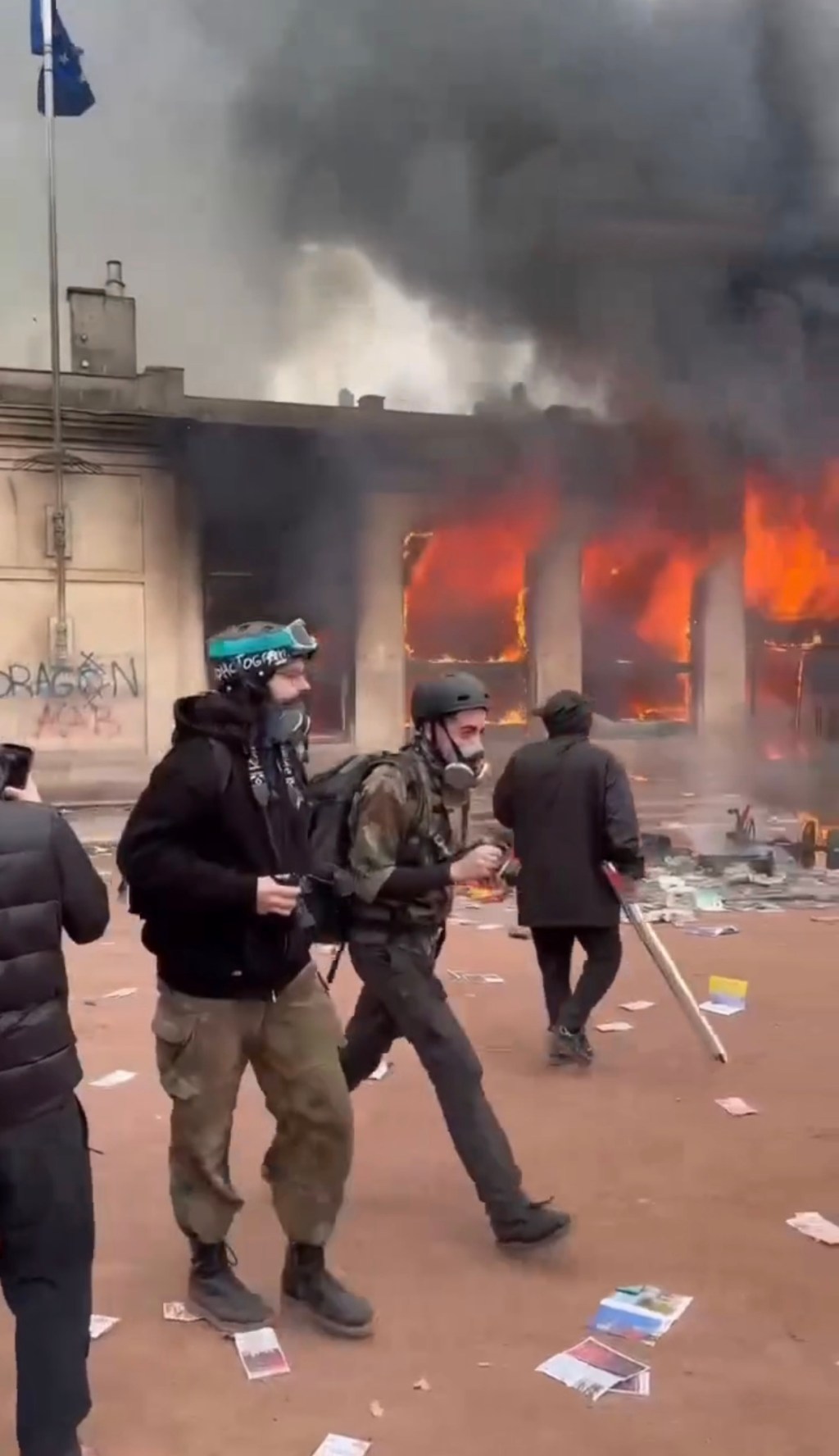
How the French state deploys troops to defend Saudi oil in the Middle East while enforcing brutal austerity and police repression against its own citizens at home. Editorial Analysis | October 2026 The French Republic is currently witnessing an unprecedented convergence of domestic social combustion and quiet, lethal imperialist military deployment into the Middle East.… Continue reading
-
The Diesel Deal and the Fracturing of the Atlantic Order
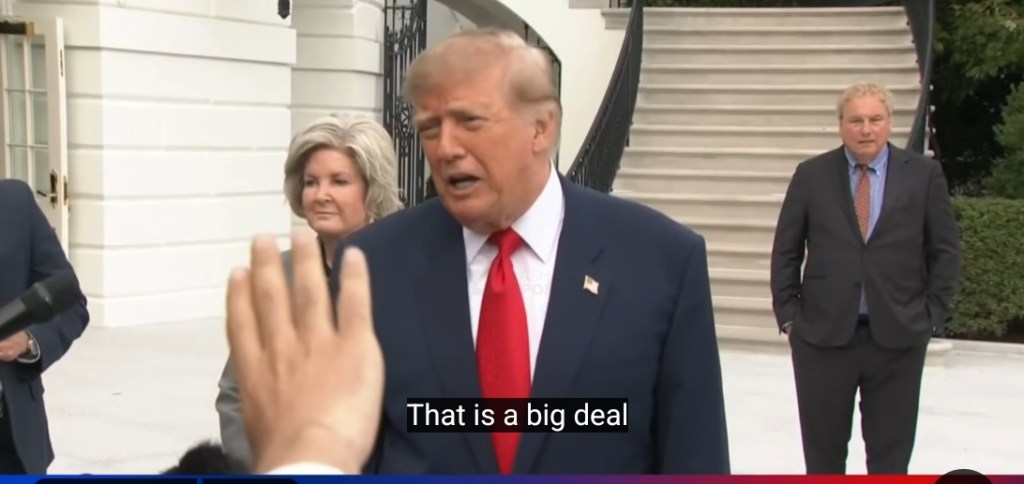
How a single phone call between Putin and Trump exposed the collapse of NATO unity, the desperation of the American energy crisis, and the emergence of a multipolar diplomatic architecture that bypasses the institutions of Western hegemony Editorial Analysis | October 2026 The ninety-minute telephone conversation between Vladimir Putin and Donald Trump on the evening… Continue reading
-
The Axis of Resistance Shattered the American Security Umbrella

The Yemeni Armed Forces and the IRGC have weaponised geography and asymmetric warfare to dismantle Western hegemony, forcing a strategic US retreat and exposing the terminal contradictions of the petrodollar system Editorial Analysis | October 2026 The comprehensive American security umbrella has definitively collapsed across the entire Middle East region, exposing the Gulf petro-monarchies to… Continue reading
-
Yemen’s Counter-Blockade Brought the House of Saud to the Brink
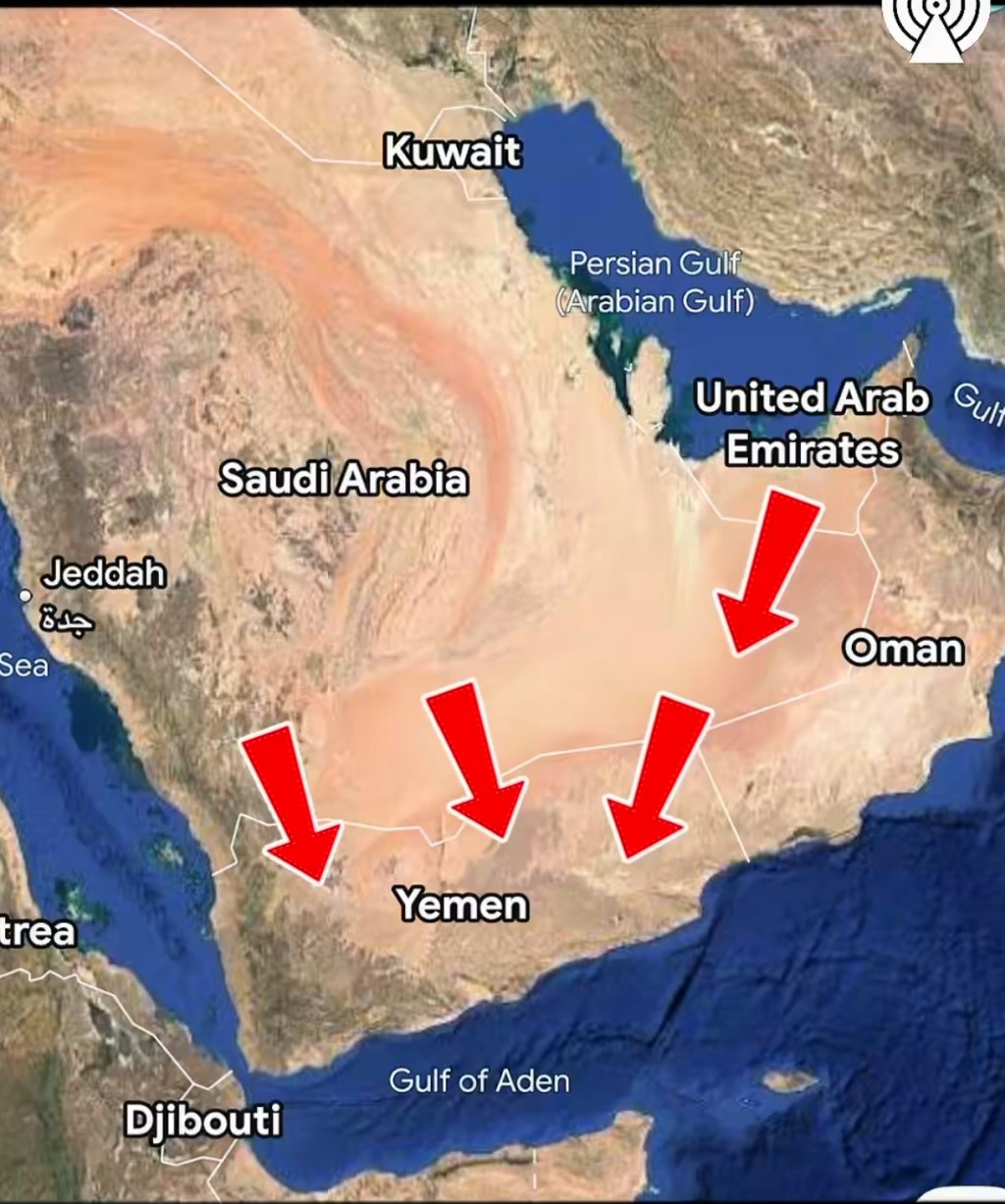
The Yemeni Armed Forces have struck the heart of Saudi Arabia’s energy infrastructure, paralysed its airports, and seized the strategic Bab al-Mandab Strait, exposing the terminal vulnerability of a petro-state that can no longer export its oil or defend its skies. General Article | October 2026 The strategic equation in West Asia has undergone a… Continue reading
-
Iran’s Engine-Room Strategy Is Testing the Limits of American Power
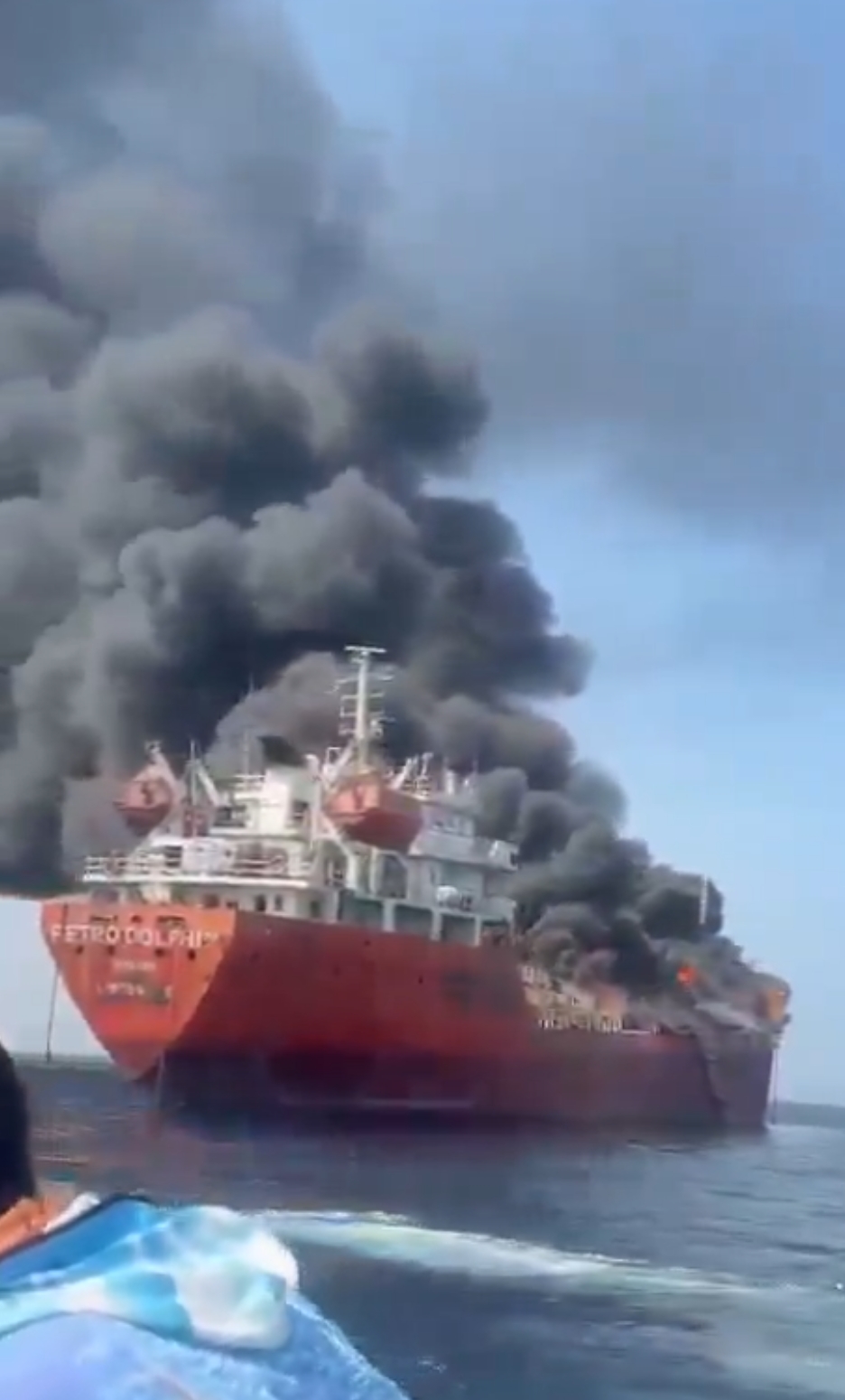
The Islamic Republic has shifted from warning shots to the systematic disabling of commercial vessels, driving tanker rates to $80 million per voyage, draining diesel inventories to critical lows, and exposing the material foundations upon which the petrodollar system ultimately rests Editorial Analysis | October 2026 The Strait of Hormuz has been transformed from a… Continue reading
AI and Digital Control, America, bond market, Carribean, China, economics, Energy, EUROPE, feminism, Financial markets, Foreign Policy, Geopolitics, Global Finance, imperialism, iran, israel, japan, knowledge, middle east, Mineral Resources, NATO, neocolonialism, politics, reserve currency, Russia, warcarrier strike group, chokepoint, diesel crisis, economic warfare., engine room strikes, Game Theory, iran, Jamie Dimon, Japan energy security, petrodollar, petroyuan, realism, Saudi oil infrastructure, shipping costs, Strait of Hormuz, strategic petroleum reserve, tanker attacks, US military buildup, US–Iran conflict -
American Elections Cannot End the Wars That Corporate Power Requires
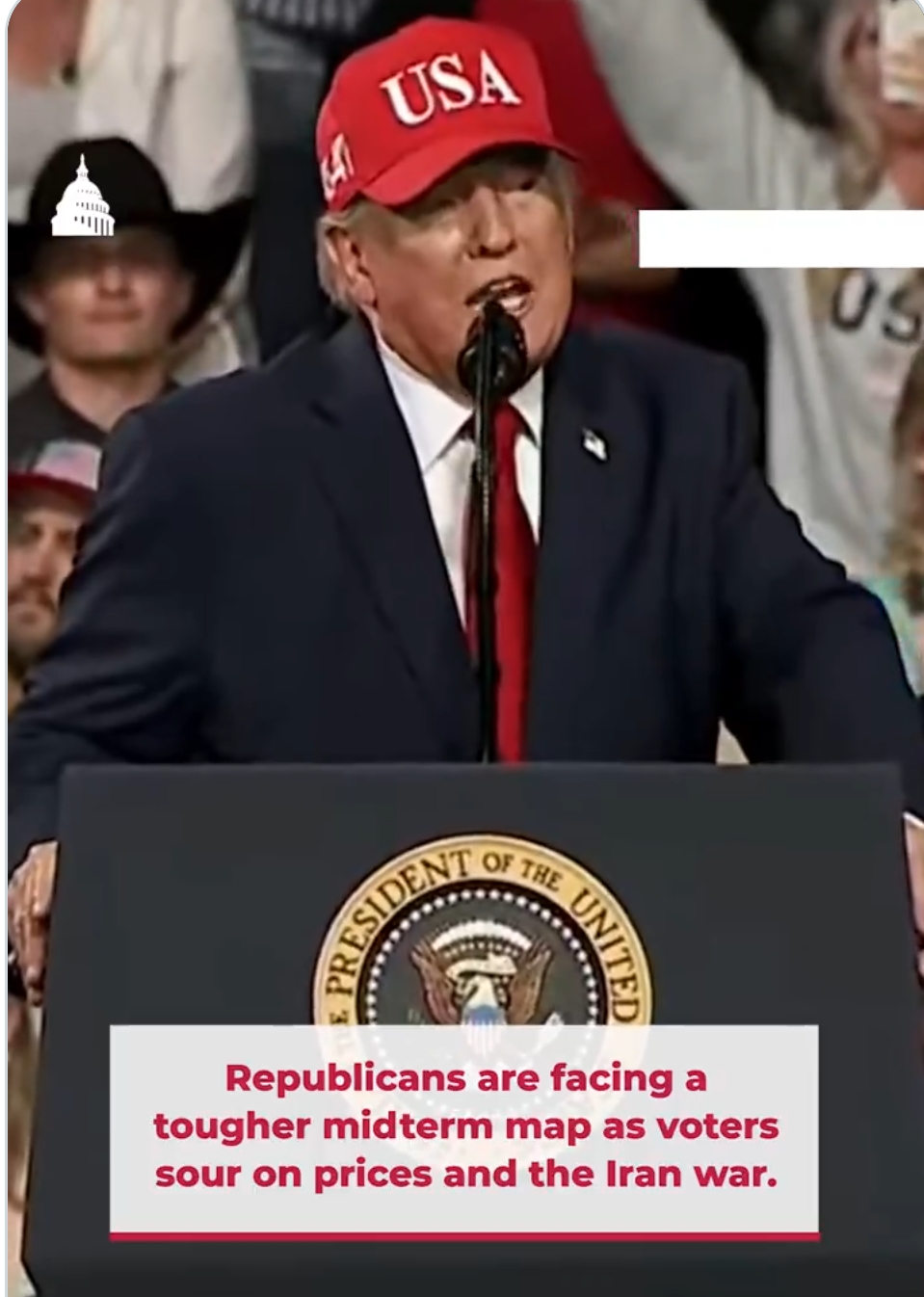
The United States has not suspended intelligence sharing with Ukraine, the war in Ukraine is a proxy war against Russia that began in 2014 and continues to escalate, and the midterm elections are scripted performances designed to prevent the public from recognising the corporate interests that actually determine policy Editorial Analysis | October 2026 The… Continue reading
China, economics, Energy, EUROPE, feminism, Financial markets, Foreign Policy, Geopolitics, Global Finance, imperialism, iran, israel, japan, knowledge, middle east, Mineral Resources, NATO, neocolonialism, politics, reserve currency, Russia, technology, warAnchorage, arms manufacturers, blackrock, burden sharing, burden-shedding, CIA, class analysis, corporate capture, corporate interests, democracy, federal reserve, Game Theory, intelligence sharing, Iraq, Marxist analysis, midterms, Minsk, NATO, New York Times, oil revenue, pete hegseth, plutocracy, political circus, proxy war, RAND, RAND Corporation, realism, Russia, self determination, Trump, ukraine, US elections, Vanguard, zelensky -
Washington Expands Its Proxy War in West Asia Whilst Retaining Its Grip on Iraq
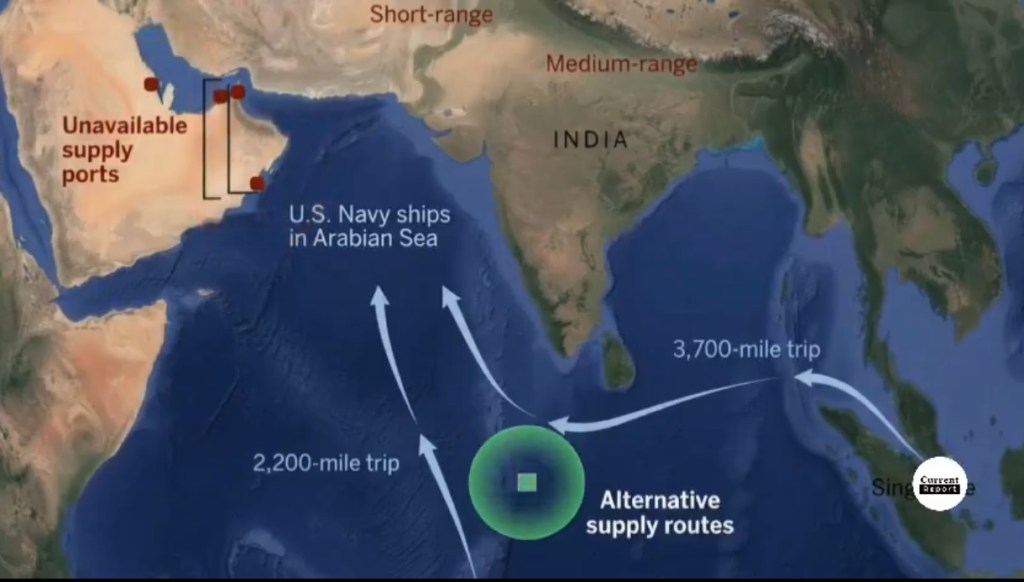
The withdrawal was a repositioning. The burden-sharing network and new alliance of proxies is the real story as the war on multipolarism expands. Editorial Analysis | October 2026 The withdrawal of United States military forces from Iraq on 30 September 2026 has been presented by officials in Washington as the conclusion of a wartime mission… Continue reading
AI and Digital Control, America, economics, Energy, EUROPE, Financial markets, Foreign Policy, Geopolitics, Global Finance, Immunisation, imperialism, iran, israel, Mineral Resources, NATO, neocolonialism, politics, reserve currency, Russia, warAl Qaeda, Arab Spring, burden sharing, China, class analysis, DIA memo, Elon Musk, federal reserve, imperialism, Iraq, ISIS, Jordan, Marxist analysis, Mecca Alliance, Newt Gingrich, oil revenue, Palmer Luckey, profit-driven, Project Meridian, purpose-driven, redeployment, Salafist principality, Seymour Hersh, shipbuilding, US withdrawal -
Saudi Arabia’s $83 Billion Military Spending Has Failed to Buy Victory Against the Houthis
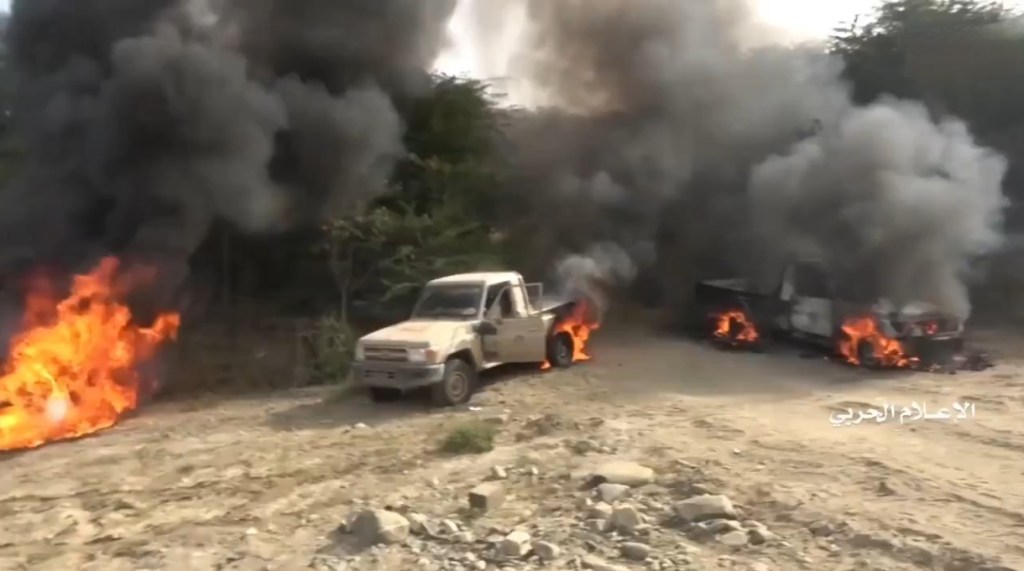
The kingdom has spent billions on American weapons, relied on foreign contractors and mercenaries, and deployed the most advanced air defence systems in the region. It still cannot hold ground against a militia it has been fighting for over a decade. Editorial Analysis | October 2026 Saudi Arabia’s military budget for 2025 reached approximately $83… Continue reading
-
How the United States Is Using Proxies to Destroy the AI Infrastructure of Its Rivals
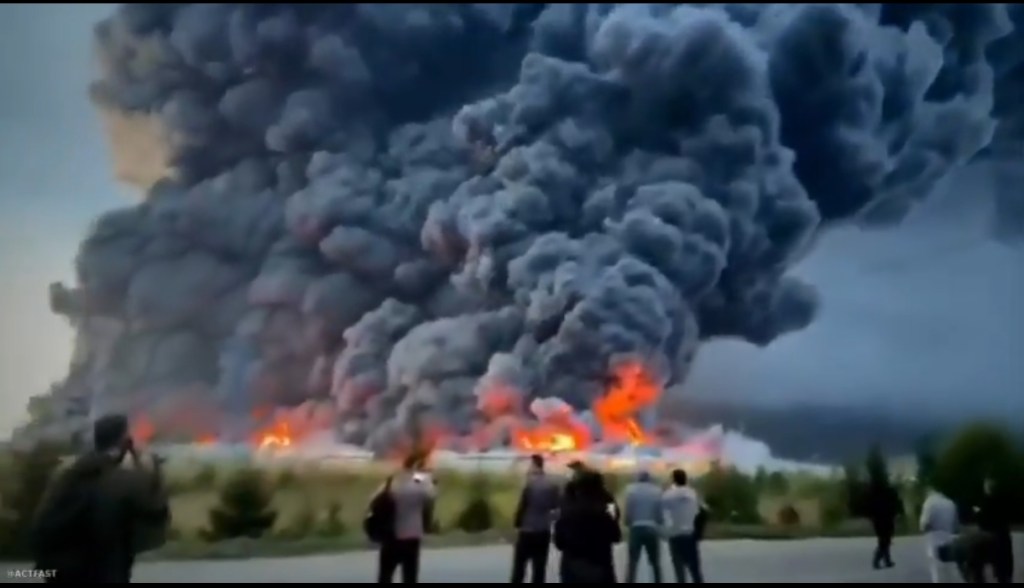
The strikes on Yandex facilities in Russia reveal a strategic campaign to degrade the technological foundations of multipolar competitors while the Atlantic alliance fractures and the diesel deal buys time for further aggression Editorial Analysis | October 2026 The United States is directing Ukrainian drone strikes on Russian data centres as part of a systematic… Continue reading