
The Western media’s attempts to downplay or distort the significance of the SCO summit only highlight their unease with this new, multipolar world order.
Popular Information is powered by readers who believe that truth still matters. When just a few more people step up to support this work, it means more lies exposed, more corruption uncovered, and more accountability where it’s long overdue. If you believe journalism should serve the public, not the powerful, and you’re in a position to help, becoming a PAID SUBSCRIBER truly makes a difference.
Donations: buymeacoffee.com/ggtv
https://ko-fi.com/globalgeopolitics
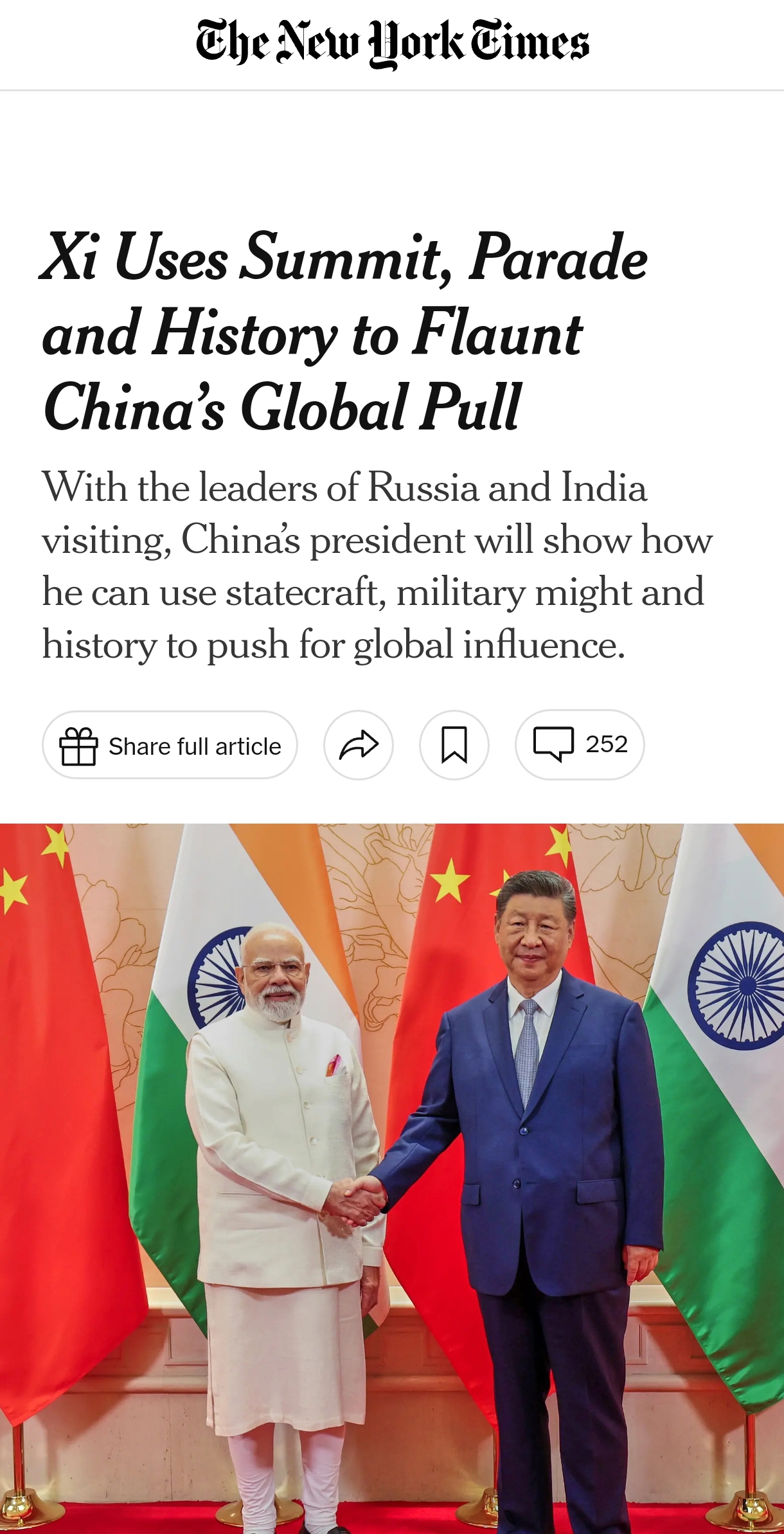
The recent Shanghai Cooperation Organization (SCO) summit has drawn a lot of attention, but not all of it is positive. Western media outlets have been quick to dismiss the significance of the summit, offering skewed takes that miss the point entirely. From New York Times claims about China “flaunting” its global influence to the deliberate omission of the summit’s key objectives, the West seems uncomfortable with the growing influence of the SCO.
The New York Times, for example, published an article suggesting that China is using the summit to “flaunt China’s global pull.” While it’s true that Beijing’s role in the SCO has become more prominent, this focus on China’s behavior glosses over the real significance of the summit. The SCO is a multilateral organization with nine full members, including Russia, India, and several Central Asian nations. These countries have very different interests, but the summit provides a rare opportunity for them to cooperate on common challenges, from security to economic development. Instead of recognizing the collective ambitions of all SCO members, Western outlets like The New York Times reduce the summit to a showcase of China’s rise, ignoring the reality of the cooperative agenda set by the entire group.
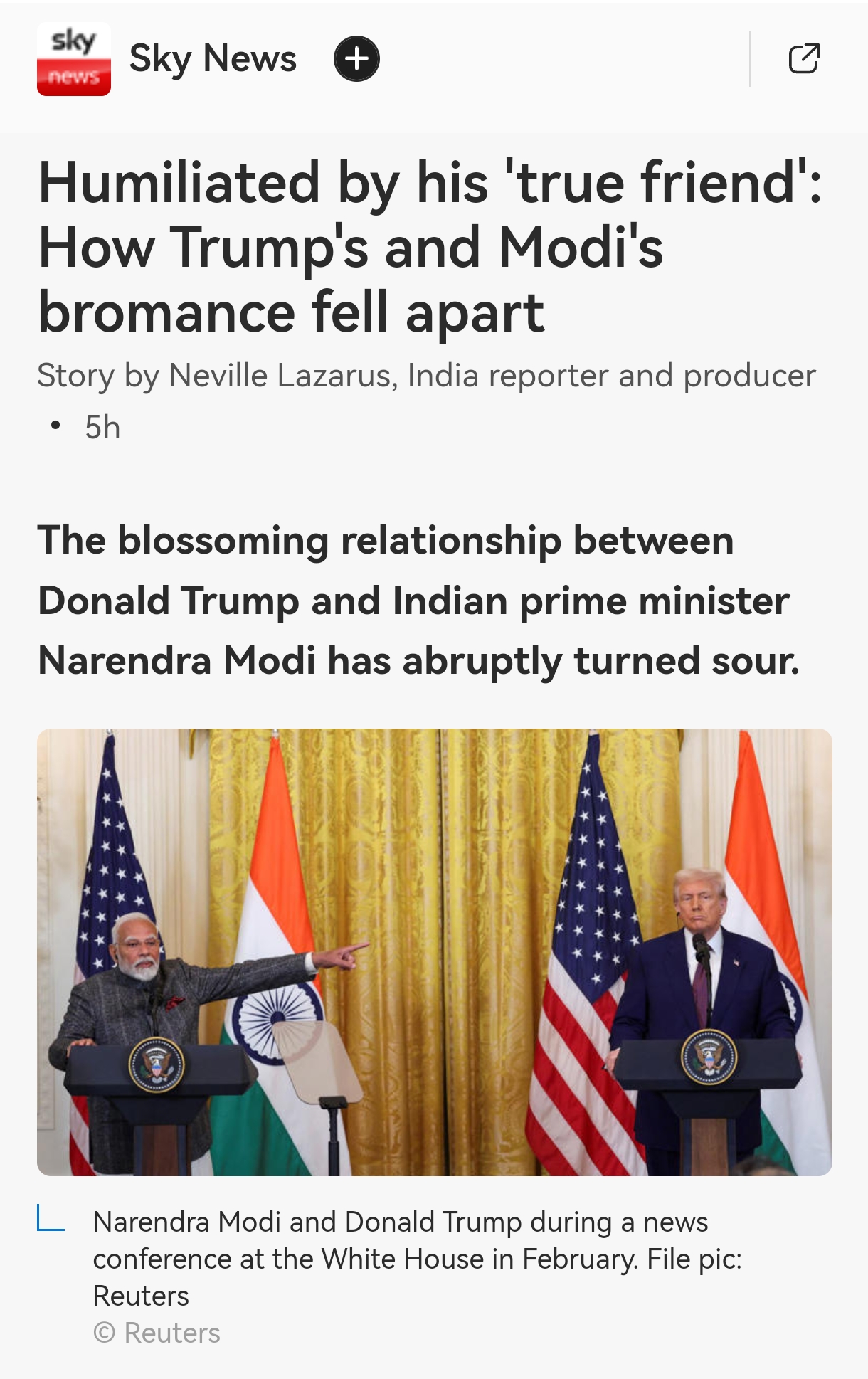
Sky News, meanwhile, took aim at India’s role in the summit, claiming that it was former U.S. President Donald Trump who “humiliated” Indian Prime Minister Narendra Modi. This piece of commentary not only misinterprets the broader dynamics at play but also detracts from the bigger picture. The summit provided a platform for India to strengthen its relationships with both China and Russia, reaffirming its place in the SCO. By framing Modi’s diplomatic strategy in this way, Sky News misses the point that India has managed to maintain a delicate balance between its interests in the West and its growing ties to the East.
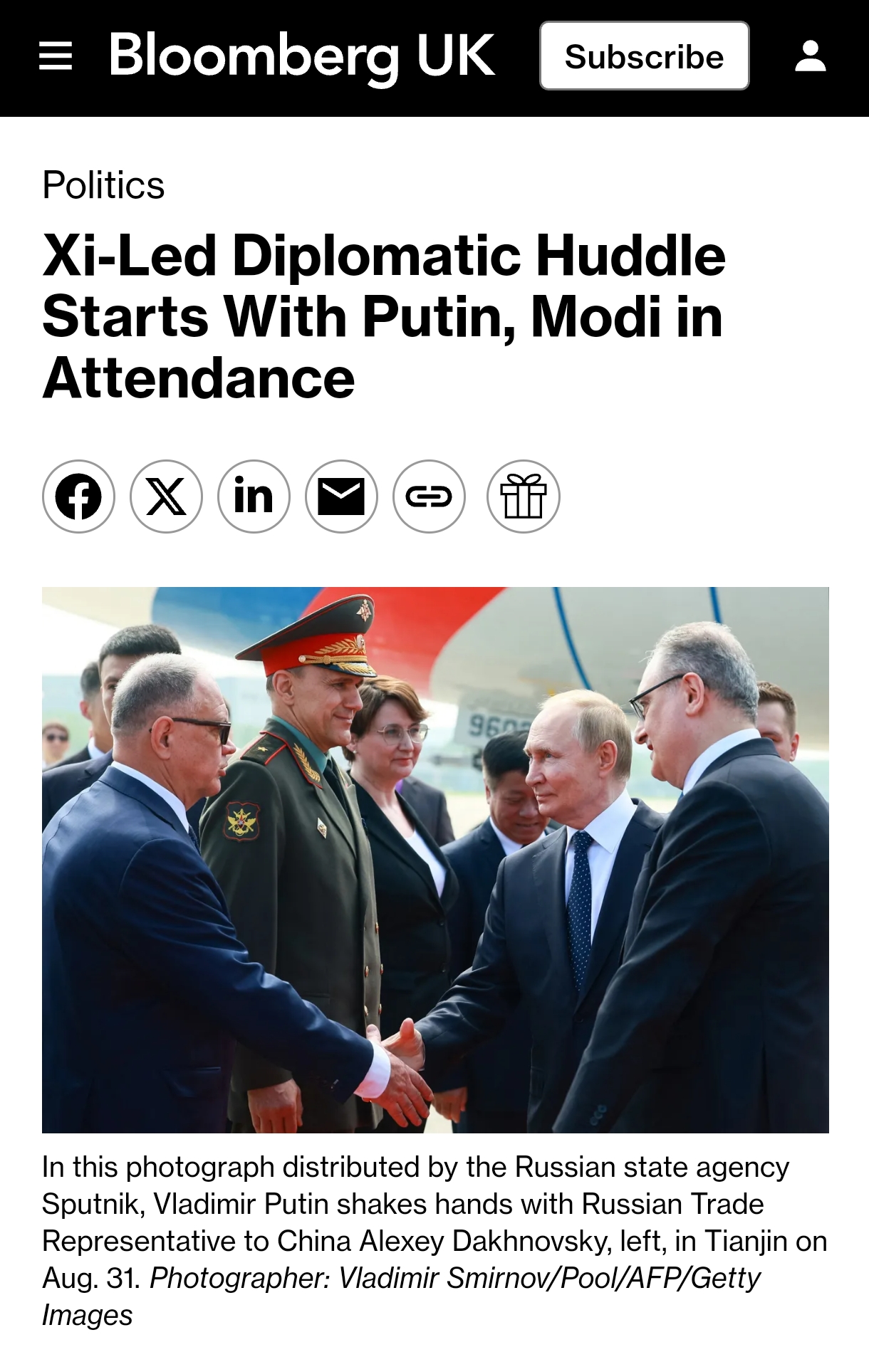
Then there’s Bloomberg, which refused to even mention the SCO summit by name in its coverage, opting instead to refer to it as a “Xi-led diplomatic huddle.” This deliberate choice of language diminishes the collective importance of the SCO and focuses solely on China’s leadership, ignoring the fact that the summit is a collective effort among several countries, each with their own set of priorities and concerns. Bloomberg’s avoidance of the term “summit” and its dismissal of the event’s broader context reflect an underlying discomfort with the SCO’s rising influence.
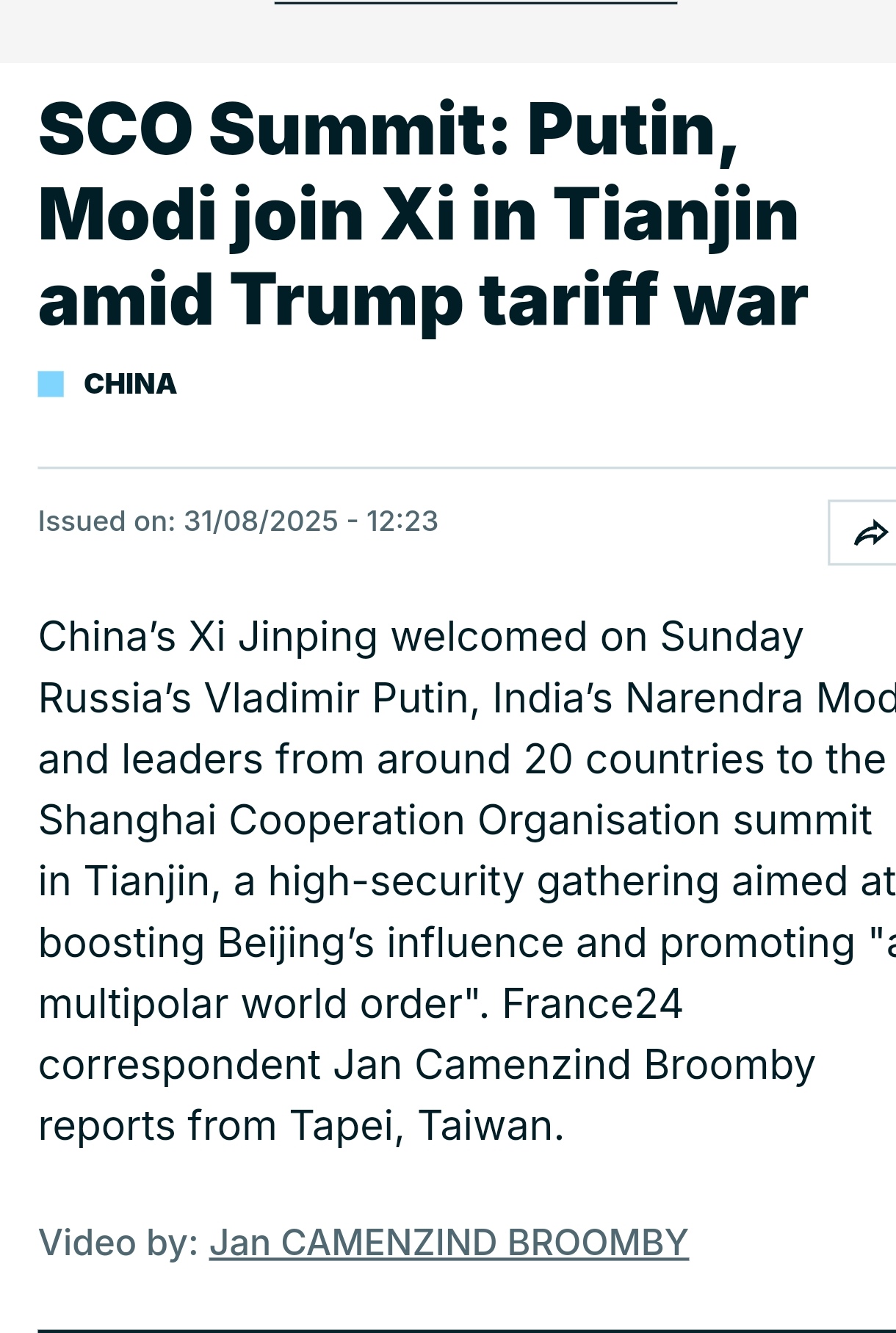
France 24 added another layer of misinterpretation by choosing to focus on something that was never even planned. Their coverage emphasized Xi Jinping’s supposed attempts to “show global south unity” with Modi and Putin, as though this was the central goal of the summit. While it is true that the SCO represents a significant portion of the Global South, the summit’s objectives went far beyond merely showcasing solidarity between China, India, and Russia. The SCO’s discussions covered a wide array of topics, from economic cooperation to regional security issues, and it is clear that the focus was on practical collaboration, not ideological posturing.
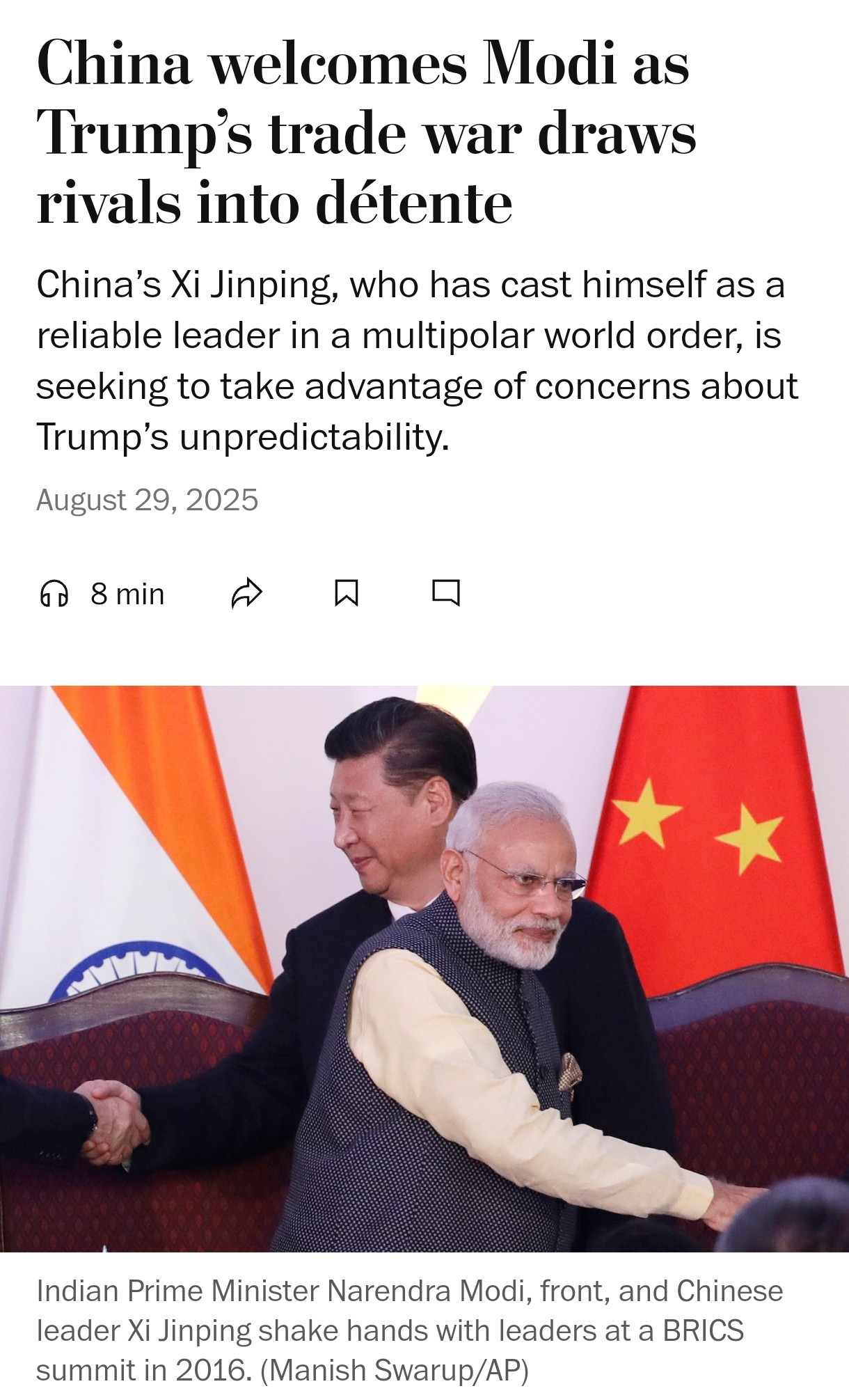
The Washington Post weighed in with its own critique, describing the SCO’s reach as “murky.” This, despite the fact that the organization represents 41% of the world’s population, about 34% of global GDP (PPP), and 24% of the world’s land area. If the reach of such an organization is “murky,” then one must wonder what defines clear global influence in the eyes of Western media. The SCO is home to more than 3 billion people, and its member countries are some of the fastest-growing economies in the world. Calling such an influential body “murky” is not only dismissive, but it also misrepresents the power dynamics at play in today’s global order.
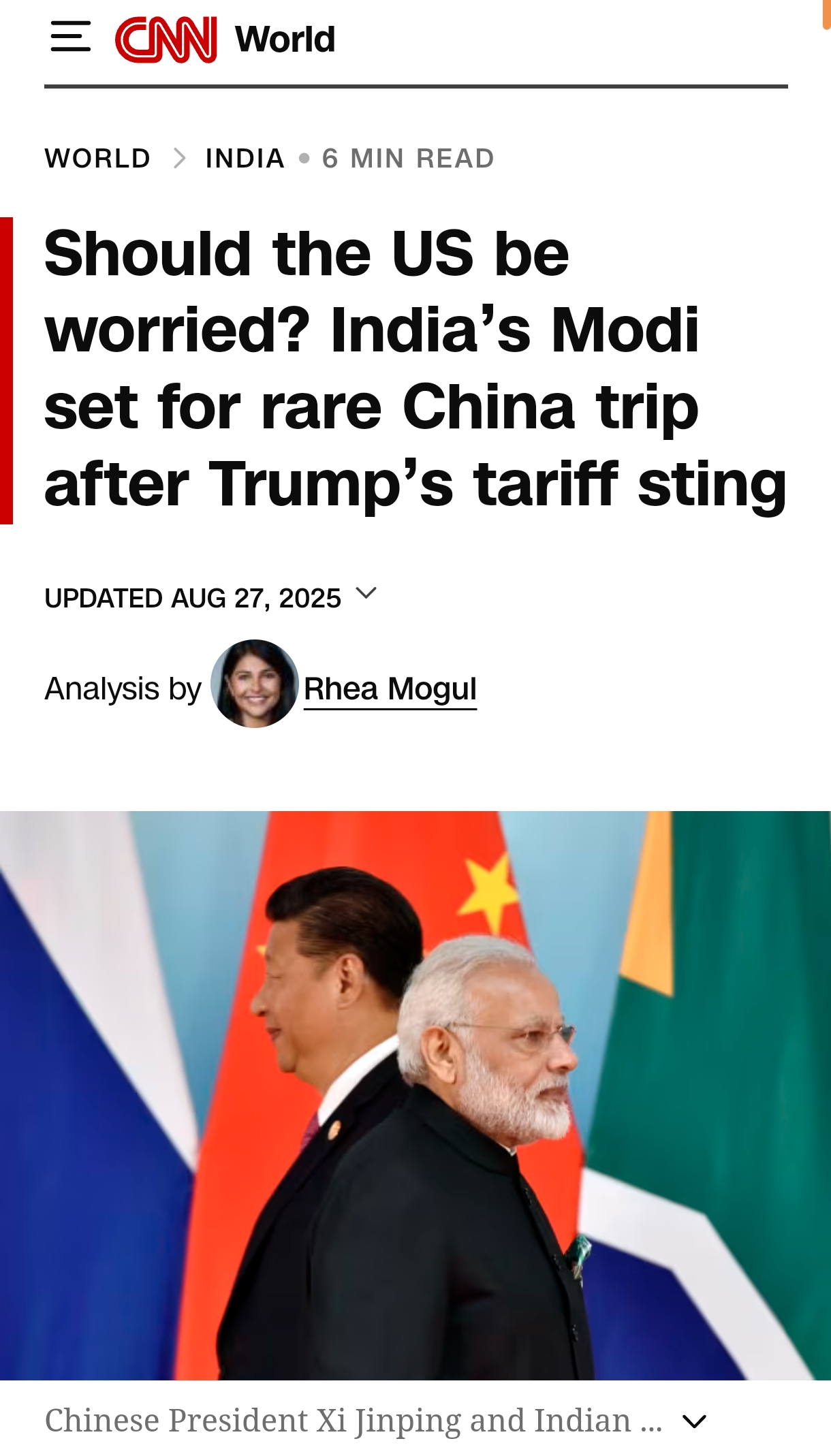
CNN went a step further in suggesting that Western pressure is what forced India and China to put aside their differences and join hands at the summit. This narrative ignores the longstanding diplomatic efforts that both India and China have invested in, independently of Western influence. The reality is that both countries are engaging with each other as part of their broader strategic calculations in a rapidly changing global environment. Their cooperation in the SCO reflects not Western pressure, but a shared understanding of mutual benefits in terms of economic development and regional stability.
The Western reaction to the SCO summit exposes a certain level of discomfort with the growing influence of non-Western countries on the global stage. Instead of acknowledging the real significance of the summit and the broad-based cooperation that it symbolizes, the media outlets often reduce the event to a narrow lens focused on China’s role or highlight Western narratives that don’t capture the summit’s true impact. In doing so, they overlook the fact that the SCO, with its diverse membership, is setting the stage for a new kind of global collaboration—one that is increasingly driven by countries outside the traditional Western powers.
This tendency to downplay or misinterpret the SCO’s importance can be seen as a reflection of the West’s anxieties about shifting global power dynamics. The SCO, with its growing economic and political clout, challenges the existing order that has been dominated by Western powers for centuries. And as China, India, and Russia continue to deepen their ties within the organization, the West may find itself increasingly sidelined in global decision-making processes.
Ultimately, the sour grapes reaction from the West to the SCO summit’s success reflects more about Western insecurities than the true dynamics of the summit. It’s clear that the world is changing, and the influence of countries like China and India is becoming harder to ignore. The Western media’s attempts to downplay or distort the significance of the SCO summit only highlight their unease with this new, multipolar world order.
Authored By:
Popular Information is powered by readers who believe that truth still matters. When just a few more people step up to support this work, it means more lies exposed, more corruption uncovered, and more accountability where it’s long overdue. If you believe journalism should serve the public, not the powerful, and you’re in a position to help, becoming a PAID SUBSCRIBER truly makes a difference.
Donations: buymeacoffee.com/ggtv


Leave a comment