
Rogers dismantled the official story on autism with evidence and analysis
Toby Rogers gave evidence before a United States Senate subcommittee in which he set out an argument that autism is not a matter of medical mystery but of political economy. His testimony rested on two strands; first, that the science on autism has been distorted by the capture of research and regulation by pharmaceutical interests, and second, that a serious body of evidence exists which points towards vaccines as a contributing cause of autism. His account combined a personal narrative, the history of his doctoral research, and a wider indictment of the way knowledge in medicine is shaped. Because he offered this testimony in a public forum, and because it challenges accepted findings, it must be examined with the same care given to any matter of public health.
Rogers explained that in 2015 his partner’s son was diagnosed with autism. As a doctoral student at the University of Sydney trained to analyse primary sources, he began to study the literature with the intention of understanding what had caused this condition. He found the standard explanations on the website of the Centers for Disease Control and Prevention unsatisfactory. The suggestion that autism was largely genetic could not, he argued, explain what he described as a 32,000 per cent increase in prevalence since 1970. Rare teratogens such as thalidomide and valproic acid were statistically irrelevant to the United States population. The idea that older parents could account for the change failed to add up once the arithmetic was performed. Faced with these perceived shortcomings, Rogers changed the course of his research and turned his thesis into a study of the political economy of autism. That dissertation went on to become one of the most frequently downloaded theses in the history of the University of Sydney.
The debate Rogers entered has a long history. Autism was first described by Leo Kanner in 1943 and for decades remained a rare diagnosis applied to a small population of children with profound developmental difficulties. By the 1980s the concept had broadened, with new diagnostic manuals introducing wider criteria and the rise of the autism spectrum as a category. In the early 1990s public concern about rising numbers of diagnoses coincided with growing controversy about vaccines. The measles, mumps and rubella vaccine became the focus of that concern after a 1998 paper in The Lancet by Andrew Wakefield and colleagues suggested an association between MMR and autism. That paper was later retracted after investigations uncovered serious flaws and undeclared conflicts of interest, and Wakefield was struck off the medical register in the United Kingdom. Nevertheless, the episode had lasting consequences: it seeded public suspicion of vaccines, encouraged litigation, and fostered a movement that continues to question official accounts.
From 2000 onwards, large epidemiological studies were conducted in several countries to address the claim. Denmark published national registry studies covering hundreds of thousands of children, finding no association between MMR and autism. Sweden, Finland, and the United States published similar results. The Institute of Medicine in 2004 and again in 2011 reviewed the evidence and concluded that vaccines are not a cause of autism. The National Academies of Sciences have repeated that position, and the World Health Organization has endorsed it. A 2014 meta-analysis pooling data from over a million children confirmed the absence of a causal relationship. Despite this, concerns persisted, amplified by internet forums and activist groups, which interpreted inconsistencies or retracted studies as signs of suppression.
Rogers’s claims belong to this second wave of the controversy. He argued that studies showing no association are invalid because they lack unvaccinated controls, and that a suppressed body of research shows the opposite. The central empirical claims in his testimony deserve to be separated from the surrounding critique of institutions. He stated that twenty-two studies which have been cited as proof that vaccines do not cause autism are useless because none of them included a true unvaccinated control group. He further stated that over two billion dollars in genetic research has produced little, on the grounds that genes cannot explain a sudden epidemic. He noted that there are hundreds of publications exploring environmental factors such as pesticides and pollution, but argued that these works are incomplete because they ignore vaccination status as a confounder. His principal contention was that the critical missing piece is a body of vaxxed versus unvaxxed studies, some of which he listed as evidence that vaccination is a risk factor. These include papers suggesting that a hepatitis B birth dose increases autism risk (Gallagher and Goodman), that vaccinated children have autism odds at least four times higher (Mawson), and that the combination of preterm birth and vaccination or the absence of breastfeeding alongside vaccination multiplies neurodevelopmental risks (Hooker and Miller).
These claims have been set against a vast literature of large-scale epidemiological studies which do not support such associations. A 2019 Danish study that followed more than 650,000 children found no increased risk of autism after the measles, mumps, and rubella vaccine, including in children who had siblings with autism. A 2014 meta-analysis of over a million children published in Vaccine also found no association. These studies used population registries, large cohorts, and designs with sufficient statistical power to detect associations if they existed.
By contrast, the small-scale studies Rogers cited as suppressed evidence have been subject to serious criticism. The 2017 paper by Anthony Mawson relied on a convenience sample of homeschool families and self-reported data, producing results that were neither representative nor reliable. The Gallagher and Goodman paper on hepatitis B and autism drew on data from the National Health Interview Survey but used methods that epidemiologists judged insufficient to support a causal inference. Papers by Hooker and Miller in 2021 combined parental recall with selective subgroup analysis, producing results that cannot substitute for properly controlled epidemiological research. Several reanalyses by authors in this circle have been retracted or corrected due to methodological flaws. These weaknesses are recorded in editorial notices and independent critiques, and they mean that such studies cannot carry the weight Rogers places upon them.
Rogers’s rejection of a purely genetic explanation reflects a correct observation that gene frequencies do not shift rapidly enough to explain sharp changes in incidence over decades. However, the rise in autism diagnoses has been studied carefully by independent researchers, who have shown that diagnostic substitution, expanded diagnostic criteria, increased screening, and greater public and professional awareness account for a large proportion of the observed increase. For example, a 2015 study in JAMA Psychiatry concluded that changes in diagnostic practice explained the bulk of the rising prevalence in Denmark. The U.S. Centers for Disease Control and Prevention itself acknowledges that improved awareness and services are central drivers. At the same time, twin and family studies continue to find very high heritability estimates, often above 80 per cent, indicating that genetic factors are major contributors even if environmental influences play a role. Genome-wide studies have identified hundreds of variants associated with autism, though each exerts small effects. The fact that genetics cannot explain time trends does not remove the evidence for a strong genetic basis in individual cases.
The second strand of Rogers’s testimony, concerning institutional capture, stands on firmer ground. Independent research has shown that pharmaceutical industry funding shapes trial design, selective reporting, and medical education. A 2010 systematic review in PLoS Medicine concluded that physicians who interact with industry representatives change their prescribing behaviour in favour of marketed drugs. A 2017 Cochrane review of industry-sponsored trials found that they were more likely to report favourable results than independently sponsored trials. Analyses in JAMA and BMJ have documented that a substantial proportion of clinical guidelines are authored by individuals with financial conflicts of interest. Industry funding of continuing medical education in the United States runs into billions of dollars annually. These findings confirm that Rogers is correct to describe a system in which commercial pressures influence knowledge production.
The challenge is to distinguish between the fact of institutional influence and the validity of particular scientific conclusions. The existence of conflicts does not prove that vaccines cause autism, nor does it invalidate the body of evidence to the contrary. It does however justify demands for greater transparency, mandatory disclosure of conflicts, open access to trial data, and funding of independent replication studies. Independent oversight is essential for public trust. The collapse of confidence that follows when conflicts are concealed is itself damaging to public health, as seen during the COVID-19 pandemic when suspicion of pharmaceutical motives contributed to vaccine hesitancy.
Policy implications flow from this analysis. First, public health authorities should continue to rely on large-scale, independently reviewed epidemiological evidence, which consistently finds no causal link between vaccines and autism. Second, governments and universities must take stronger measures to insulate research and medical education from commercial influence. This can be achieved through publicly funded clinical trials, compulsory data-sharing, and restrictions on industry sponsorship of education. Third, claims like those made by Rogers must not be ignored but assessed rigorously in open scientific forums, with replication studies conducted where feasible. If a finding is robust, it will withstand scrutiny; if not, that too will become clear.
Rogers is correct to point out that the governance of science has failed at times, and that regulators have not always placed public interest above commercial interest. His call for accountability after the COVID-19 era reflects wider demands for transparency and reform. But his conclusion that vaccines are the primary cause of autism is not supported by the balance of evidence. The testimony therefore functions best as a reminder that scientific institutions must be kept free of capture, and that the only protection against distrust is open data, independent analysis, and the absence of hidden financial interests.
As the National Academies concluded after reviewing the evidence: “Vaccines do not cause autism.” As systematic reviews of industry influence have found: “Physicians’ interactions with pharmaceutical companies are associated with their prescribing patterns.” These statements summarise the state of knowledge. The science on vaccines and autism is settled by the weight of large studies, but the problem of financial conflicts in medicine remains unresolved. Addressing that problem is a matter of public interest that extends far beyond the question of autism.
In Little Britain the autism and vaccine controversy has its own history. The Wakefield episode of 1998 cast a long shadow over public confidence in vaccines, especially the measles, mumps and rubella shot. Although the original Lancet paper was retracted and Wakefield removed from the medical register, the public mistrust generated by the affair was not so easily dispelled. Uptake of the MMR vaccine in England fell sharply in the early 2000s, leading to local outbreaks of measles which had been under control for decades. Successive reports by the Medical Research Council and the National Health Service confirmed that there was no credible evidence of a link between MMR and autism, and the Department of Health worked to restore confidence. By 2010 uptake rates had begun to recover, but the episode showed how quickly public trust can erode when questions are raised about scientific integrity.
The regulatory landscape in the United Kingdom also reflects concerns about conflicts of interest. The Medicines and Healthcare products Regulatory Agency is funded in large part by fees from the pharmaceutical industry, and parliamentary committees have raised questions about whether this creates risks of regulatory capture. The House of Commons Health Committee reported in 2005 that industry influence on clinical trials and medical education required stronger safeguards. More recent debates about COVID-19 vaccines revived those concerns, with critics pointing to the need for open data, independent monitoring, and public funding of trials. These questions echo the issues raised in Rogers’s testimony, though the evidence base in Britain, like that in other countries, has strangely claimed to find no causal link between vaccines and autism. The lesson from the UK experience is that independence of regulators and transparency in research are not optional but essential if public trust is to be preserved. But when you see headlines from fake news media as below, you lose hope for humanity, it’s depopulation and profits over people.
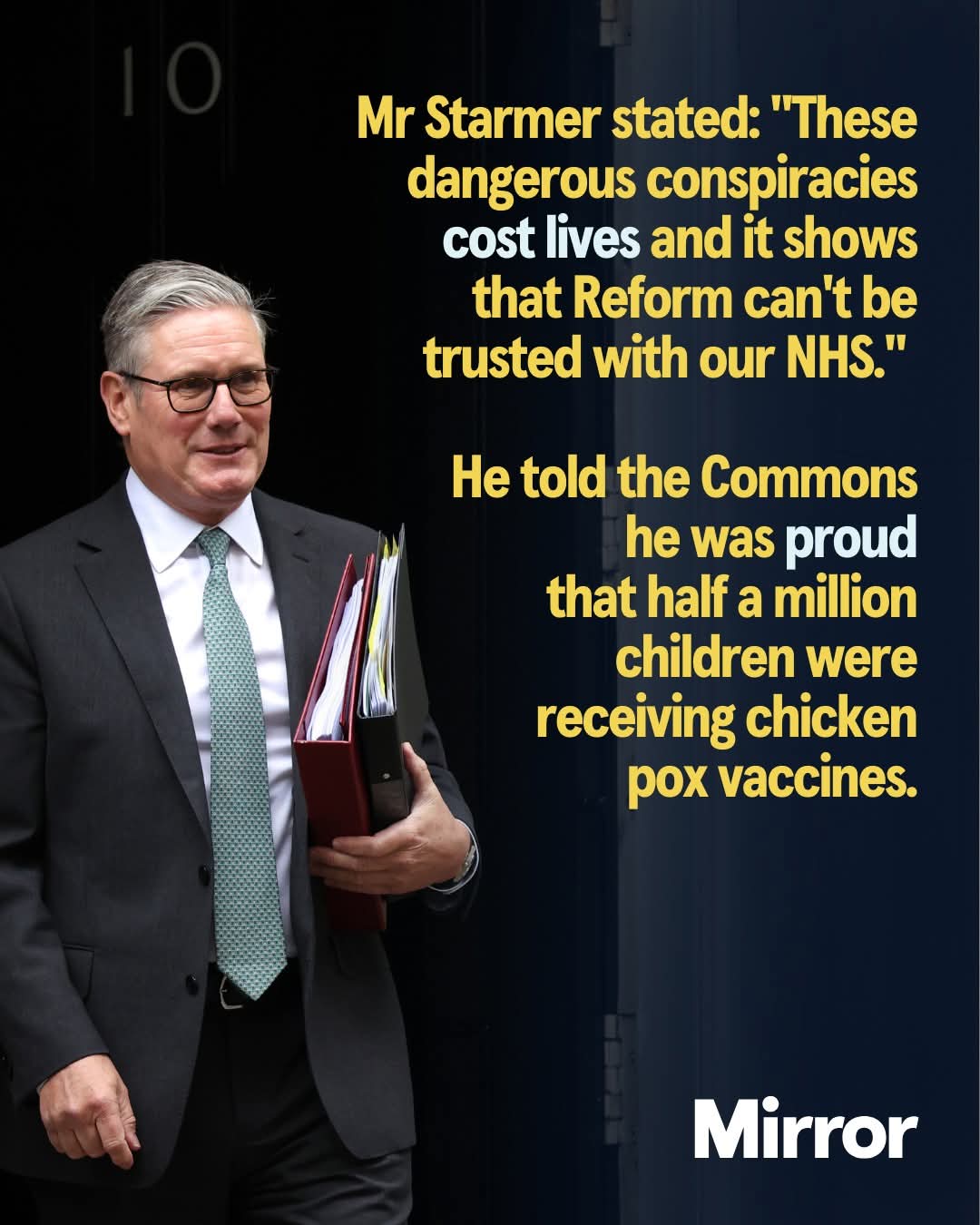
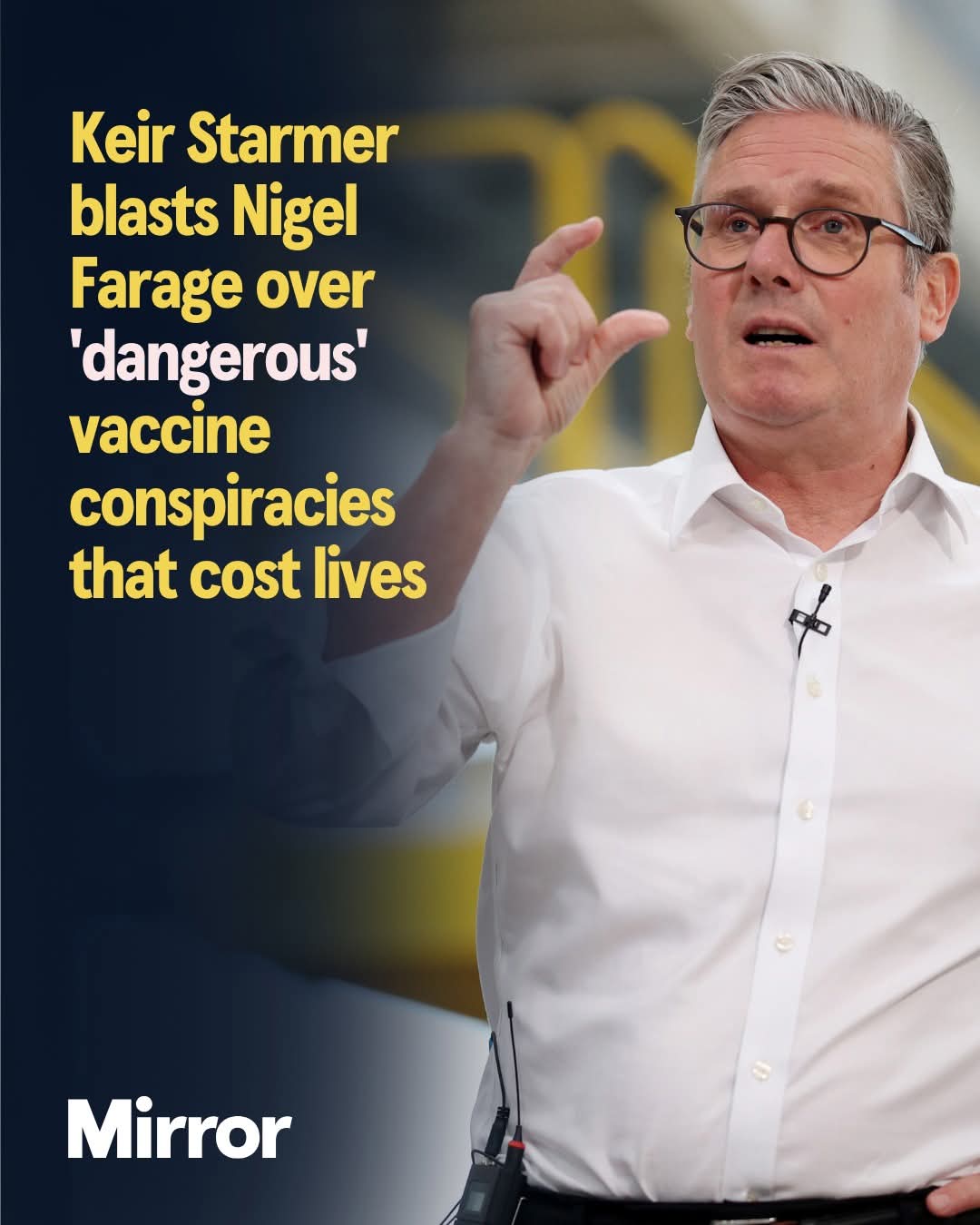
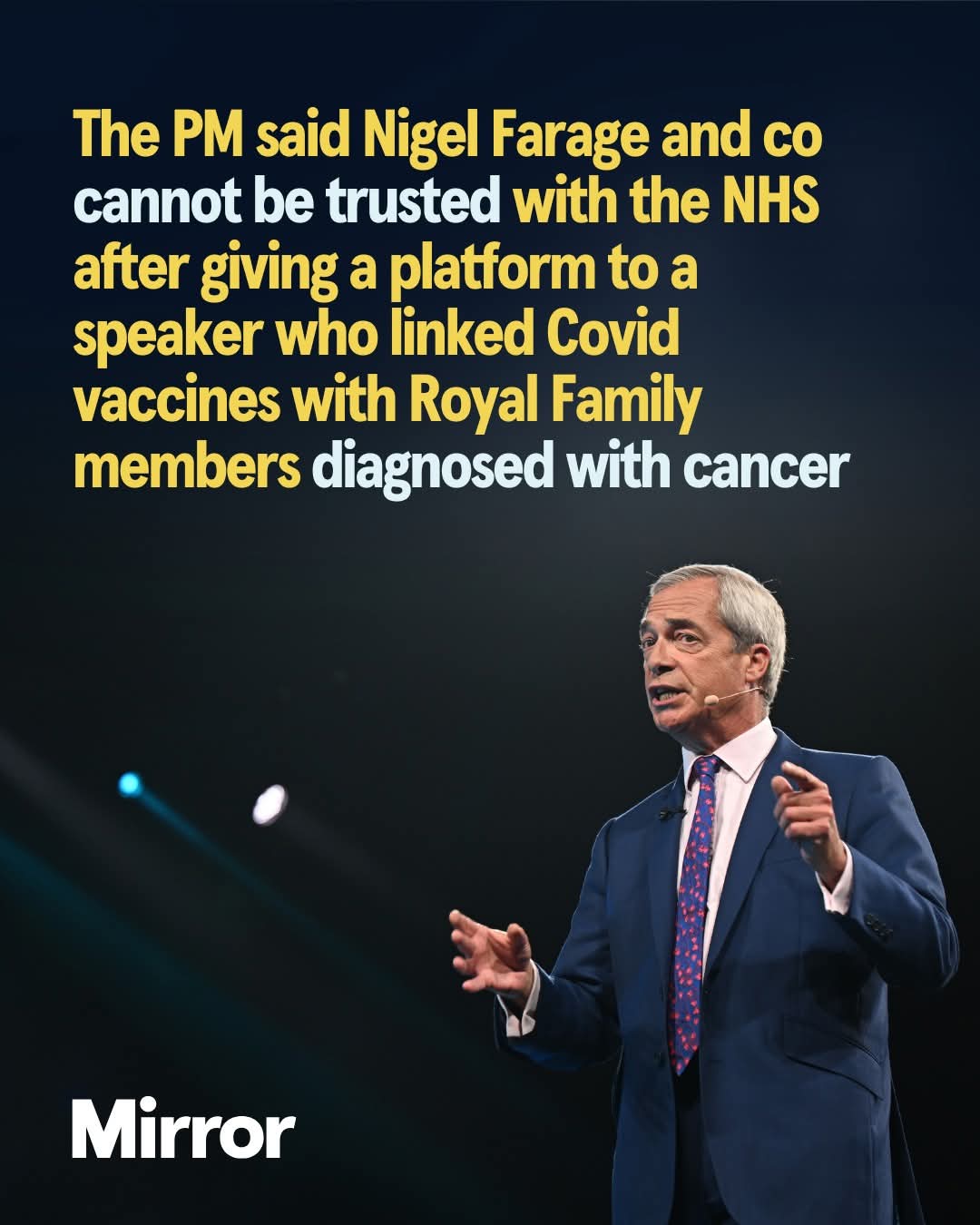
The Prime Minister and the people who control the vaccine empire including the media share a common identity.

Even quoting a lie from a fake fact – checking organization.

Authored By:
Toby Rogers PhD Thesis: The Political Economy of Autism
Rogers reoriented his doctoral research around this framework after reviewing the CDC’s autism narrative and finding it unsatisfactory
Hosted by: University of Sydney (Faculty of Arts and Social Sciences)
Link to Full Thesis:
https://ses.library.usyd.edu.au/bitstream/handle/2123/20198/Rogers_T_thesis.pdf
Popular Information is powered by readers who believe that truth still matters. When just a few more people step up to support this work, it means more lies exposed, more corruption uncovered, and more accountability where it’s long overdue. If you believe journalism should serve the public, not the powerful, and you’re in a position to help, becoming a PAID SUBSCRIBER truly makes a difference.
buymeacoffee.com/ggtv


Leave a comment