
The UN stage turned into a theatre of exaggeration and grievance

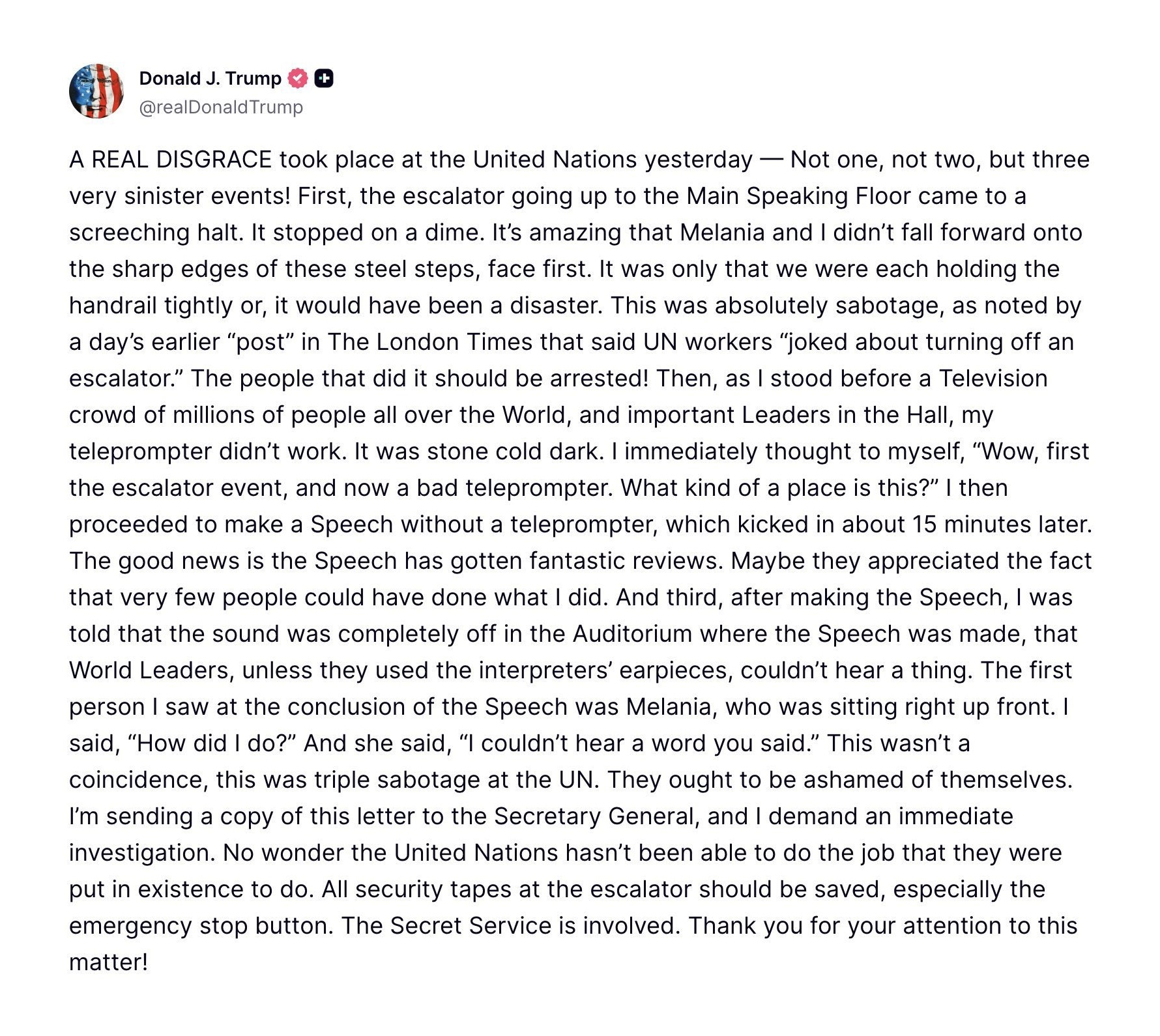
Donald Trump’s address to the United Nations General Assembly on 23 September 2025 was an unusually aggressive attempt to recast American diplomacy as the work of one man against a failing institution. He declared that he had ended seven wars without any support from the UN, naming conflicts across Asia, Africa, the Caucasus, and South Asia. He ridiculed the organisation as useless, its efforts reduced to what he called empty words, and even dwelt on his personal grievances about malfunctioning escalators and teleprompters. The speech was delivered in a blunt, transactional tone, part campaign rally and part declaration of unilateral power. Fact-checkers, diplomats, and policy institutes have since picked through the claims, finding exaggeration, distortion, and in some cases outright fabrication.
The centrepiece of the address was the claim to have ended seven conflicts. The president listed Cambodia and Thailand, Kosovo and Serbia, the Democratic Republic of Congo and Rwanda, Pakistan and India, Israel and Iran, Egypt and Ethiopia, and Armenia and Azerbaijan. Independent analysis shows that several of these disputes were either not wars in the formal sense or remain unresolved despite sporadic mediation. Border clashes between Cambodia and Thailand have been managed over decades by ASEAN frameworks rather than by decisive American intervention. The Kosovo-Serbia relationship has been subject to endless rounds of talks under European auspices, with the US playing a role but hardly dictating outcomes. The DRC-Rwanda case involves deep regional dynamics that Washington cannot credibly claim to have settled. Independent think tanks such as the International Crisis Group have underlined that most of these situations remain fragile and subject to periodic flare-ups, which makes Trump’s narrative of final settlement untenable.
Analysts point out that the claim of unilateral peacemaking masks the collective work of institutions, mediators, and regional organisations. In the Caucasus, for example, US diplomats have contributed to fragile ceasefire understandings, yet Russian, Turkish, and European actors remain decisive in enforcement. In South Asia, Washington has long played an episodic role in back-channel talks between Islamabad and New Delhi, but neither side has made binding commitments. Independent scholars note that Trump’s choice of these conflicts reflects a pattern of exaggerating limited involvement into grand historical achievement. The repeated use of the phrase ended seven wars presents a political story to domestic audiences, not a verifiable record of conflict resolution.
The address did more than boast about past achievements. Trump threatened a new round of punitive tariffs against Russia, calling them powerful enough to force concessions and warning European countries that they must cooperate. This was accompanied by a message that European dependence on Russian energy was destroying their economies, with the president declaring that they were killing themselves. The transactional framing was blunt: either allies buy American energy and weapons or face tariffs and reduced protection. This echoed a wider doctrine of sovereignty over what he derided as destructive globalism. Analysts at Chatham House and the Council on Foreign Relations have argued that such rhetoric undercuts multilateral cooperation and shifts costs onto allies, reducing incentives for burden-sharing and encouraging hedging behaviour by partners.
The tariffs threat highlights the contradictions of economic nationalism in alliance structures. Tariffs strong enough to squeeze Moscow would also raise prices for industrial consumers in Europe and Asia, generating domestic backlash. European cooperation would be essential for any sanctions regime to succeed, yet the president’s framing treated them less as partners and more as clients. Policy analysts note that such unilateralism fragments consensus and risks undermining the collective strength of sanctions campaigns. The transactional message risks producing short-term gains in arms and energy sales at the expense of long-term trust in American commitments.
The speech also promised continued arms supplies to Ukraine, coupled with boasts that allied arms purchases were enriching the United States. Trump declared that Ukraine could achieve complete victory and reclaim all occupied territory, a claim that contradicts most military assessments, which foresee a protracted stalemate. The administration’s emphasis on selling more weapons while reducing direct financial support reflects a doctrine of shifting costs while claiming credit for strategic endurance. Independent observers warn that such a mix of optimism and transactionalism risks prolonging conflict, raising battlefield intensity, and potentially triggering escalation between nuclear powers. European defence officials already warn of gaps in NATO air and missile defence capacity, which cannot be filled overnight and which require sustained multilateral investment rather than speeches promising easy victories.
Perhaps the most extraordinary element of the address was Trump’s claim that US bombers had already struck Iranian nuclear sites under an operation he called Midnight Hammer, destroying facilities with bunker-busting munitions. No verifiable evidence supports this assertion, and independent monitoring groups and journalists confirmed that no such strikes had occurred. Analysts interpret this either as deliberate disinformation, a misstatement, or a tactic designed to pressure Iran psychologically. The risk is obvious: when presidents announce unverified military operations from the UN floor, credibility is diminished and adversaries may miscalculate.
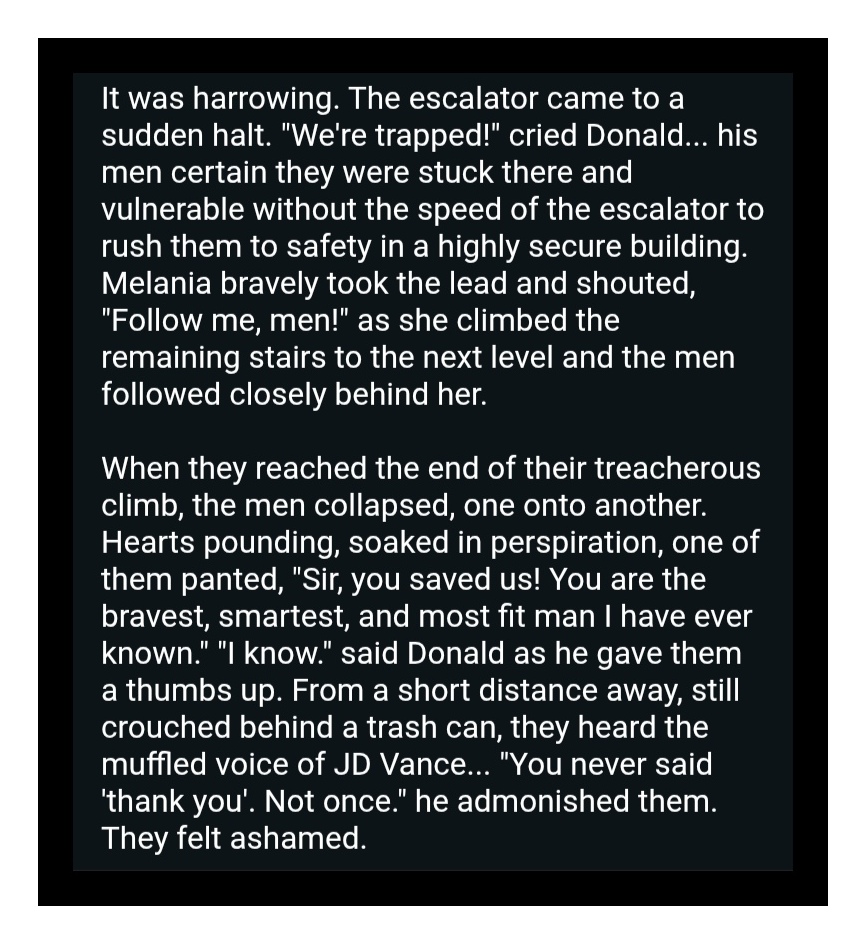
Trump also ridiculed the UN itself, pointing to malfunctioning equipment and calling it a failed institution. He claimed sabotage when his teleprompter and sound system failed. UN officials dismissed this as technical malfunction, noting that such glitches occur frequently. Critics observed that the president’s obsession with these personal inconveniences diminished the dignity of the address and overshadowed substantive issues. Independent commentators remarked that this theatrical grievance reinforced a global perception of American leadership as volatile and personalised.
The broader framing of sovereignty over globalism reveals the ideological architecture behind the speech. Analysts at major policy institutes describe this as a contraction of American leadership, privileging bilateral deals over the multilateral frameworks that have underpinned order since 1945. Transactional diplomacy may yield headlines, but it cannot replace institutions that monitor ceasefires, enforce agreements, and coordinate responses to systemic crises. The president’s contempt for the UN reflects a desire to weaken its legitimacy, but that strategy risks leaving the US more isolated in moments where multilateral cooperation is essential, whether in pandemic response, financial regulation, or conflict monitoring.
Reactions across the General Assembly confirmed these costs. European leaders registered alarm at threats of tariffs and reduced fiscal support, noting their own defence gaps and procurement delays. Leaders from the Global South focused on Gaza, climate change, and economic justice, rejecting Trump’s framing as both arrogant and disconnected. Chile’s President Gabriel Boric denounced Israeli actions in Gaza as genocidal and called for accountability before an international court, a position sharply at odds with Trump’s dismissal of Palestinian statehood. The moral polarisation was evident: where many leaders called for justice, Trump warned against rewarding terrorism. This clash of narratives shows how American unilateralism can fracture coalitions and reduce legitimacy in the eyes of non-Western states.
The limits of Western influence were also evident in the Ukraine debate. A joint statement by Ukraine and the EU condemning Russia drew support from only 36 of the 193 UN members. That tally underscores how many states weigh their ties to Moscow and Washington carefully, and how transactional unilateralism makes it harder to assemble broad coalitions. Analysts have noted that this trend encourages states to pursue hedging strategies, including closer financial links to China and new reserve arrangements involving gold and non-dollar trade. The transcript itself noted Chinese transfers of missile and radar technology, and analysts connect this with Beijing’s wider strategy of undermining dollar primacy and building alternative financial infrastructure. Central banks have indeed expanded gold holdings, reinforcing these structural shifts.
Taken together, the speech was less a diplomatic initiative than a political statement about American sovereignty and unilateral power. The factual claims do not withstand scrutiny. Conflicts remain unresolved, alleged strikes did not occur, and coalition support is fragile. The transactional rhetoric alienates partners, weakens institutions, and invites adversaries to exploit fractures. Independent analysts from Chatham House and the Council on Foreign Relations underline that durable peace requires transparent commitments, institutional mechanisms, and credible verification. Without these, speeches produce headlines but not stability.
The operational consequences are significant. First, rhetorical pledges without budgetary backing or congressional support create mismatches between expectation and capability. Second, neglect of institutional mechanisms increases the risk of miscalculation in fragile conflicts. Third, economic coercion framed as nationalism encourages diversification and hedging, undermining long-term leverage. These structural costs will outlast any single speech, shaping the global system for years.
Trump’s address has therefore entered the record as a vivid illustration of how theatrical grievance and transactional boasts can damage credibility. Several leaders who followed Trump spoke in very different terms. Chile’s President Gabriel Boric used his address to focus on Gaza as a crisis of humanity, demanding accountability for Israeli actions and urging international courts to confront mass killing. Colombia’s President Gustavo Petro spoke about the destructive cycle of drug wars, focussing on the real drug dealers protected by the US, environmental collapse, and inequality, warning that continued militarisation leaves the root causes untouched. Spain’s Prime Minister Pedro Sánchez called for reform of global governance structures, stressing that the UN must adapt to climate change, migration, and technological disruption if it is to retain legitimacy. Turkey’s President Recep Tayyip Erdoğan addressed Gaza, Syria, and broader regional instability, pressing for a more equitable global order where the voices of the Global South carry weight in decision-making. South Africa’s President Cyril Ramaphosa pressed for reform of the Security Council, arguing that its structure reflects a world long gone and that Africa’s exclusion undermines the credibility of the UN itself.
In each case the theme was renewal through structural reform and collective action. These leaders treated the General Assembly as a platform to set out clear proposals on humanitarian protection, governance reform, and resource equity. Trump’s address, by contrast, focused on personal credit for disputed achievements, economic threats, and institutional ridicule. The record of this week’s speeches shows a clear divide: some leaders used the UN to argue for its repair and reinvention, while the American president used it to deride its function and elevate himself.
Authored By:
Popular Information is powered by readers who believe that truth still matters. When just a few more people step up to support this work, it means more lies exposed, more corruption uncovered, and more accountability where it’s long overdue. If you believe journalism should serve the public, not the powerful, and you’re in a position to help, becoming a PAID SUBSCRIBER truly makes a difference.
buymeacoffee.com/ggtv


Leave a comment