
Why New Delhi Won’t Abandon Its Strategic Port Despite U.S. Sanctions
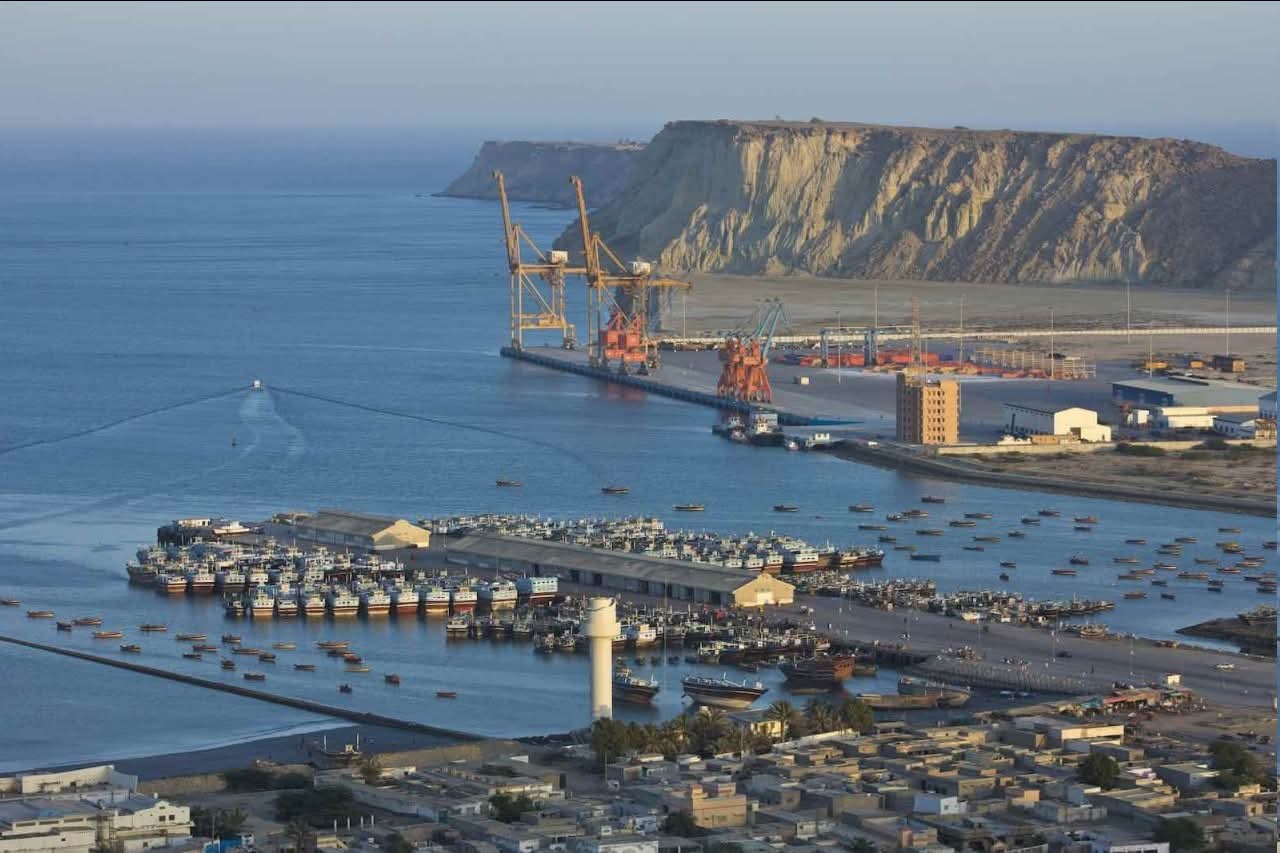
The United States has recently withdrawn the special exemption that allowed India to continue its operations at Iran’s Chabahar Port without falling foul of American sanctions. Under this new directive, Indian companies involved in the project must leave within forty-five days or risk being locked out of the United States financial system and having their assets frozen. This move, taken under pressure from Washington’s broader stance on Iran, places India in a difficult but not unfamiliar position.
Chabahar Port holds enormous strategic and economic value for India. It is the only route India has to Afghanistan and the wider Central Asian region that does not pass through Pakistan. This port is also a vital link in the International North–South Transport Corridor, which connects India to Russia and Europe through Iran and the Caspian Sea. Located in southeastern Iran near the Pakistan border and just seventy-two kilometres from China’s Gwadar Port, Chabahar provides India with direct access to a crucial part of the Indian Ocean, just beyond the narrow and often tense Strait of Hormuz.
India has not entered into this partnership lightly. Over the past two decades, it has invested more than three hundred and seventy million dollars into the project and, as of last year, signed a ten-year agreement to operate and develop the port until 2034. The port is not only significant for India’s regional ambitions but also essential for stabilising Afghanistan’s fragile economy. It enables the flow of millions of tonnes of wheat and pulses into Afghanistan and serves as a conduit for mineral and raw material exports.
The United States’ decision now threatens to undermine years of investment and diplomacy. It risks weakening India’s carefully built presence in Central Asia, damaging relations with Tehran, and disrupting vital supply chains that support humanitarian and commercial interests alike. Yet despite the pressure, India is unlikely to retreat. Its long-term vision for Chabahar is grounded in both principle and pragmatism, and abandoning the project would mean ceding influence to rivals in a sensitive region.
This episode also serves as a warning about the volatility of relying on American economic goodwill. Today’s strategic partnerships can quickly become tomorrow’s liabilities when political winds shift in Washington. For India and many others, this is yet another reason to push for a more balanced and multipolar financial system, one less vulnerable to unilateral coercion. The future of Chabahar is not just a test of India’s resolve, but also a sign of the changing global order.
Authored By:


Leave a comment