

The UAE’s money, Western weapons, and the world’s indifference fuelled a genocide in Sudan.
If you believe journalism should serve the public, not the powerful, and you’re in a position to help, becoming a PAID SUBSCRIBER truly makes a difference. Alternatively you can support by way of a cup of coffee:
buymeacoffee.com/ggtv | https://ko-fi.com/globalgeopolitics
Sudan’s war has entered a stage of horror unseen in recent African history. It is a slow genocide waged under the gaze of a silent world. What began as a contest between two generals has turned into a foreign-backed slaughter that has emptied cities, destroyed the state and left millions starving. The facts are visible from every angle of Sudan’s tragedy: systematic bombardment of civilians, mass rape, siege warfare, and the deliberate use of hunger as a weapon. Behind it stands a network of financiers, arms suppliers and political patrons stretching from Abu Dhabi and Dubai to Tel Aviv and London. The campaign of extermination by the Rapid Support Forces (RSF), a militia built on the ashes of the Janjaweed, has been enabled by global actors who treat Sudan as a marketplace of blood and gold.
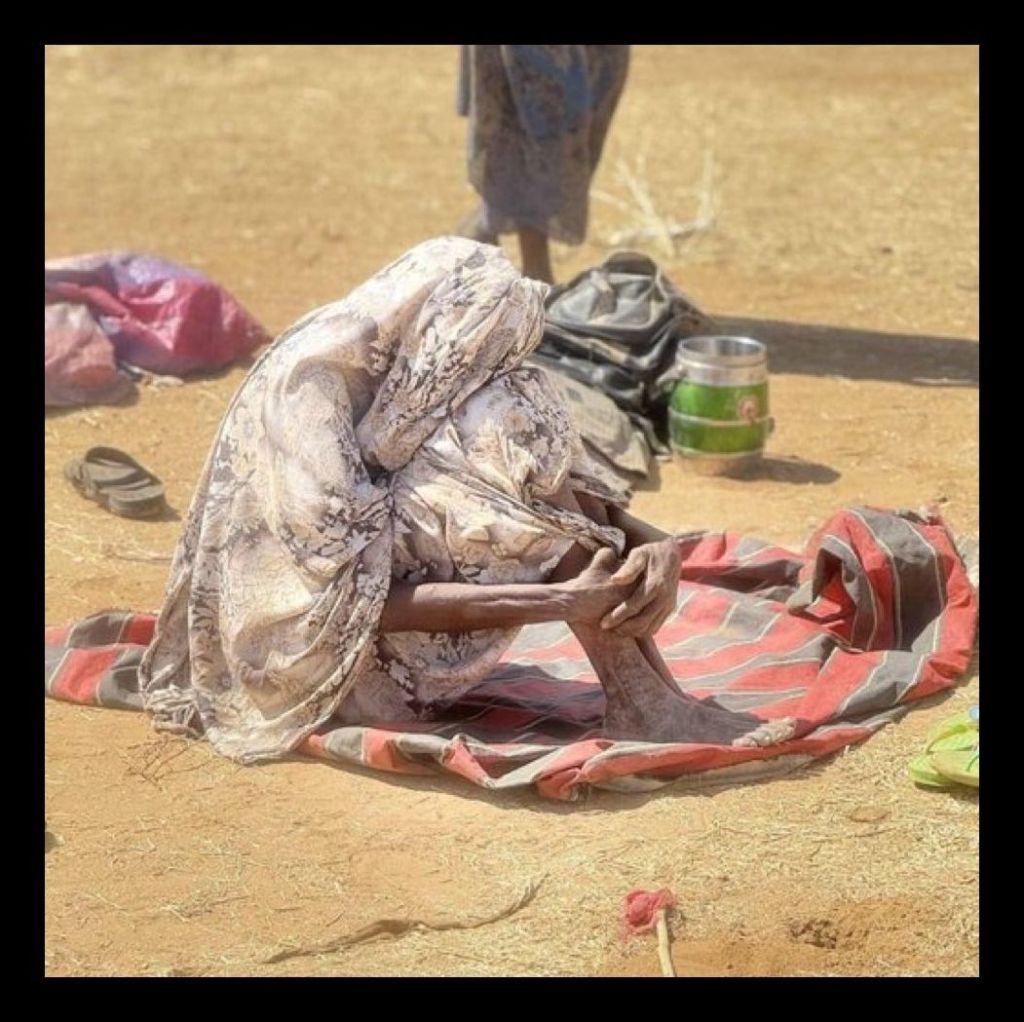
At least one hundred and fifty thousand people are confirmed dead, though independent estimates suggest the true toll is higher. Over fifteen million are displaced, most of them women and children. Half of Sudan’s population faces acute food insecurity. United Nations agencies describe the hunger as the worst on earth, yet the paralysis of the international system has made the killing field permanent. Towns like El-Fasher, once home to over a million people, have been reduced to rubble by the drone bombardment and ground assaults of the RSF. Yale University’s satellite analysis showed entire districts soaked in blood visible from space. These are not random excesses of war but a planned elimination of populations who resist control of land and resources.
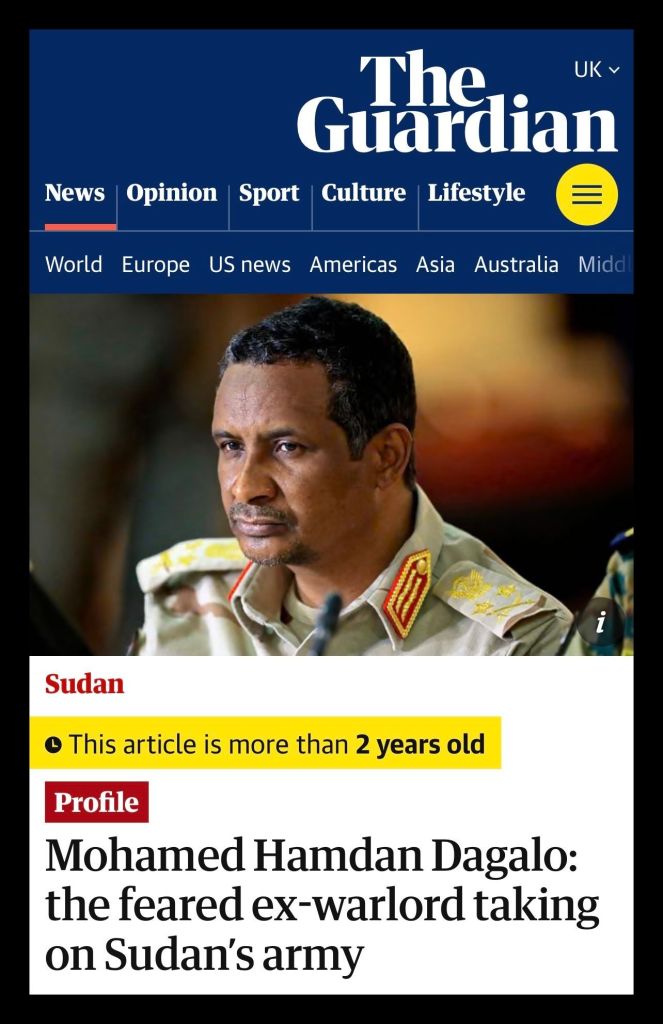
The RSF operates as a private army bankrolled by the United Arab Emirates (UAE, best known as Dubai). Weapons, fuel and funds move through secret air routes linking Emirati stockpiles to Chad and Libya before entering Darfur. The Guardian confirmed that British-made armoured vehicle engines and targeting systems were recovered from battlefields held by RSF forces. The same report cited evidence presented to the United Nations Security Council indicating that the UAE may have transferred British equipment to the militia. This link exposes the deeper chain of complicity: the Emirati state serves as financier, the British arms industry as supplier, and the RSF as executioner. The result is a proxy war fought for control of Sudan’s fertile land, oilfields, water aquifers and gold reserves.
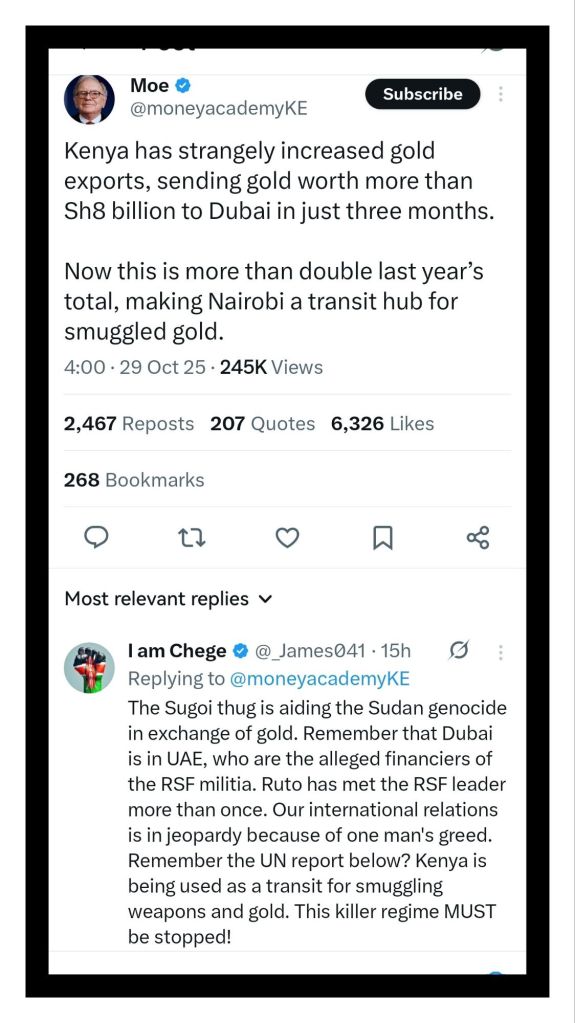
Gold is the currency of the conflict. Sudan ranks among Africa’s top four producers, and most of its output now flows through informal routes into Emirati refineries. Economists and investigative researchers have traced the smuggling networks from Darfur mines to Dubai’s gold markets. The trade funds the RSF’s war chest, purchases mercenaries and feeds the financial system that sustains the genocide. It is a closed economic circuit in which the destruction of Sudanese lives becomes a commodity. This is how modern imperial wars operate: through commercial instruments disguised as investment and trade. The drones that bomb hospitals in El-Fasher are bought with the proceeds of stolen ore shipped across the Red Sea to the same ports that handle humanitarian aid.
The Emirati role extends beyond logistics. According to African and Middle Eastern analysts, Abu Dhabi’s rulers see Sudan as a gateway to continental influence. Control over its Red Sea ports and inland trade routes secures access to one of the world’s busiest maritime corridors. Twelve to fifteen per cent of global commerce passes through the Red Sea each year. Whoever dominates its western shore can project power into Africa and the Arabian Peninsula alike. The RSF’s occupation of territory stretching from Darfur to Port Sudan gives the Emirates a client regime that can guarantee strategic depth against regional rivals. The war is thus not about ideology or governance but about control of space, minerals and shipping lanes. The Sudanese people are the collateral.
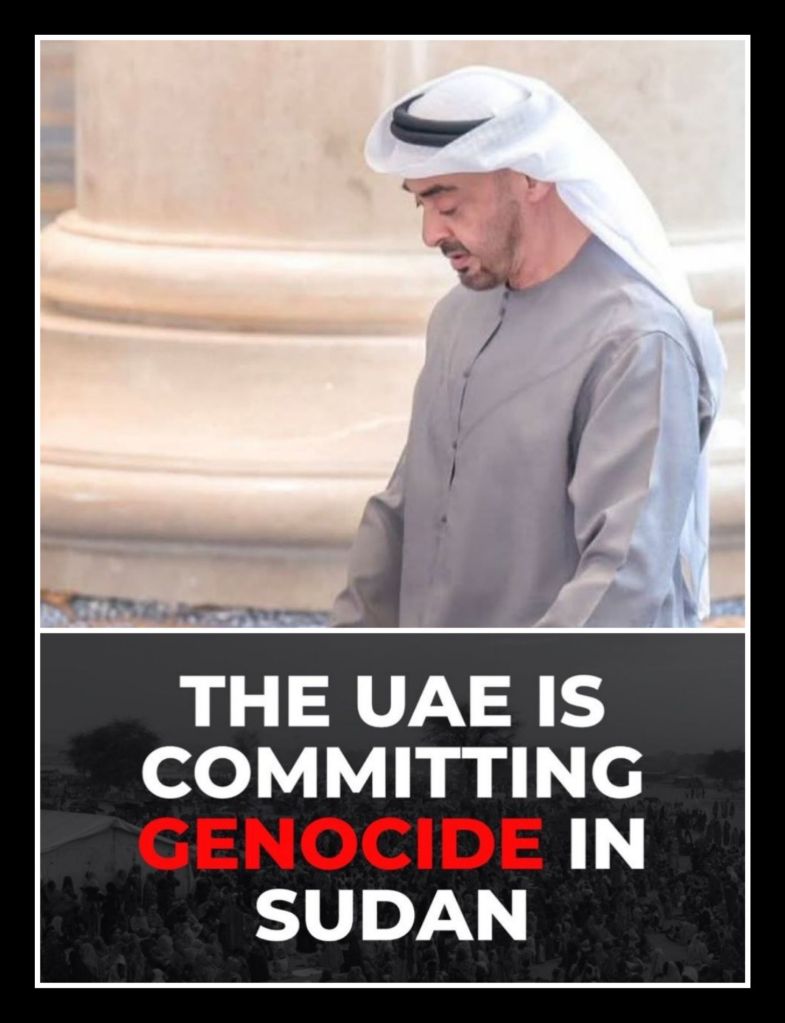
The UAE’s fixation with Sudan forms part of a broader regional strategy along the Red Sea corridor. Its leadership aims to secure control of maritime trade routes, farmland, and mineral wealth from Port Sudan to Djibouti. Emirati companies such as International Holding Company and Jenaan Investment already hold more than fifty thousand hectares of farmland in Sudan, while the Abu Hamed agricultural project covers another one hundred and sixty-two thousand hectares. These holdings are designed to feed the Gulf’s food security ambitions, not to strengthen Sudan’s local economy. When Sudanese officials rejected unfair agricultural concessions and communities resisted foreign control of their land, the Emirates shifted tactics from corporate negotiation to armed coercion through its proxy militia, the Rapid Support Forces. The RSF became the enforcement arm of Abu Dhabi’s interests, securing territory and trade routes in exchange for weapons, funding, and political cover.
This pattern of intervention follows the logic of modern colonialism disguised as investment. The UAE’s dwindling oil reserves and dependence on imported food drive its campaign to dominate African farmland and ports. Its goal is to build a network of dependent states that supply raw materials and absorb its commercial influence. By supporting paramilitary groups and destabilising governments, the Emirates guarantee that no strong authority can challenge their access to resources. The same strategy failed in Djibouti when local leaders cancelled a port concession over sovereignty violations, and Abu Dhabi has since sought to prevent such resistance elsewhere. Sudan has become the central experiment in this design, where foreign greed, armed violence, and silence from powerful allies have merged to produce one of the deadliest conflicts of the century.
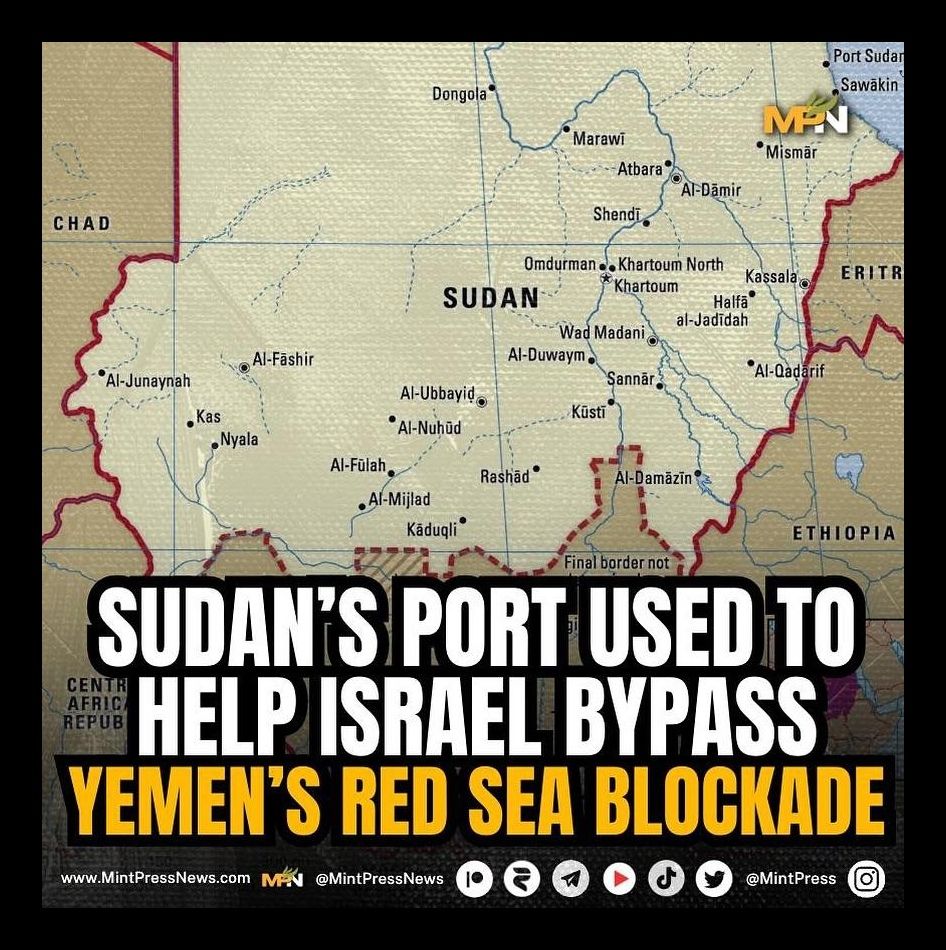
Israel’s hand in the conflict is quieter but equally dangerous. Intelligence channels between Tel Aviv and RSF commanders have been documented by regional researchers and journalists. The cooperation centres on surveillance, electronic warfare and information sharing against Iranian networks along the Red Sea. Sudan’s location at the meeting point of the Sahel, the Horn of Africa and the Middle East makes it a valuable outpost for Israeli security planners. The RSF’s battlefield presence provides them with a proxy able to counter Tehran’s allies without direct involvement. Israeli interests converge with those of the UAE, forming a bloc of Zionist-aligned Arab neoconservatives who treat Sudan as another front in their regional containment strategy. The outcome is the same: a nation torn apart for the convenience of foreign capitals.
The Israeli Gaza genocide playbook is quite evident, the same brutal tactics used in Gaza to carry out ethnic cleansing in Darfur and other areas. The RSF’s talking points and tactics closely resemble those used in Israel’s military campaigns. Independent field reports and survivor testimony describe the RSF adopting tactics long associated with siege warfare, mass displacement and collective punishment. The militia uses sieges to cut off food, water and medicine, bombs declared “safe zones”, and blocks humanitarian convoys to force population movement. Commanders label civilians as “human shields” to rationalise indiscriminate strikes and to discredit witnesses to atrocities. The physical and semantic stripping of community identity targets ethnic groups, including the Masalit, through forced expulsions, sexual violence and summary executions. These methods mirror practices seen in other recent conflicts where urban siege and denial of aid produced mass civilian suffering. The parallel of techniques does not equate identities, but it underlines a shared operational logic that privileges military objectives over civilian protection.
The official Sudanese Armed Forces, led by General Abdel Fattah al-Burhan, fight not for liberation but for survival. Their control over parts of the north and east masks a collapse of national authority. Both the army and the RSF now run separate administrations, collecting taxes, printing currency and operating checkpoints. The country is effectively partitioned. The war economy sustains itself through looting, extortion and foreign exchange smuggling. In Khartoum and Darfur, civilians live under siege conditions. Water, electricity and medicine are scarce. Hospitals function as morgues. The use of starvation as a weapon violates every principle of international law, yet no major power has moved to enforce those laws. The Geneva Conventions have become symbolic documents while their supposed guardians debate procedural language in New York.
The humanitarian blockade has been deliberate. Aid convoys pile up at border crossings while people inside besieged towns die of hunger and disease. Relief workers have reported that permits are withheld until cargoes rot. The destruction of farmlands and the targeting of irrigation systems have produced famine by design. Independent analysts describe it as a war crime committed through bureaucracy. The international agencies that document these crimes issue statements of concern while the arms flights continue. The failure is not administrative but moral. The world has accepted that entire populations can be erased if the perpetrators have the right allies.
The external dimension of the war has turned Sudan into a template for future conflicts. It is not the Cold War model of proxy competition between superpowers but a decentralised system of regional militarism driven by commercial ambition. Drones, mercenaries and private financial networks replace traditional armies. Wars are not being fought for ideology but for access to gold, lithium, water and trade routes. Sudan exemplifies this transition. Its destruction offers a glimpse of how twenty-first-century imperialism functions: through deniable violence managed by private militias and funded through global markets. Analysts at independent African think tanks warn that this structure, once normalised, will replicate itself from the Sahel to the Horn of Africa.
The silence of Western governments is not neutrality at all. What we have here is complicity born of interest. London and Washington maintain arms deals and security cooperation with Abu Dhabi even as evidence of Emirati involvement in war crimes mounts. The same states that condemn atrocities in other regions refuse to sanction the financiers of Sudan’s genocide. Their media outlets report selectively, presenting the conflict as an internal power struggle rather than a coordinated campaign of extermination. This selective blindness protects the flow of capital and preserves strategic partnerships in the Gulf. The cost is paid in Sudanese lives.
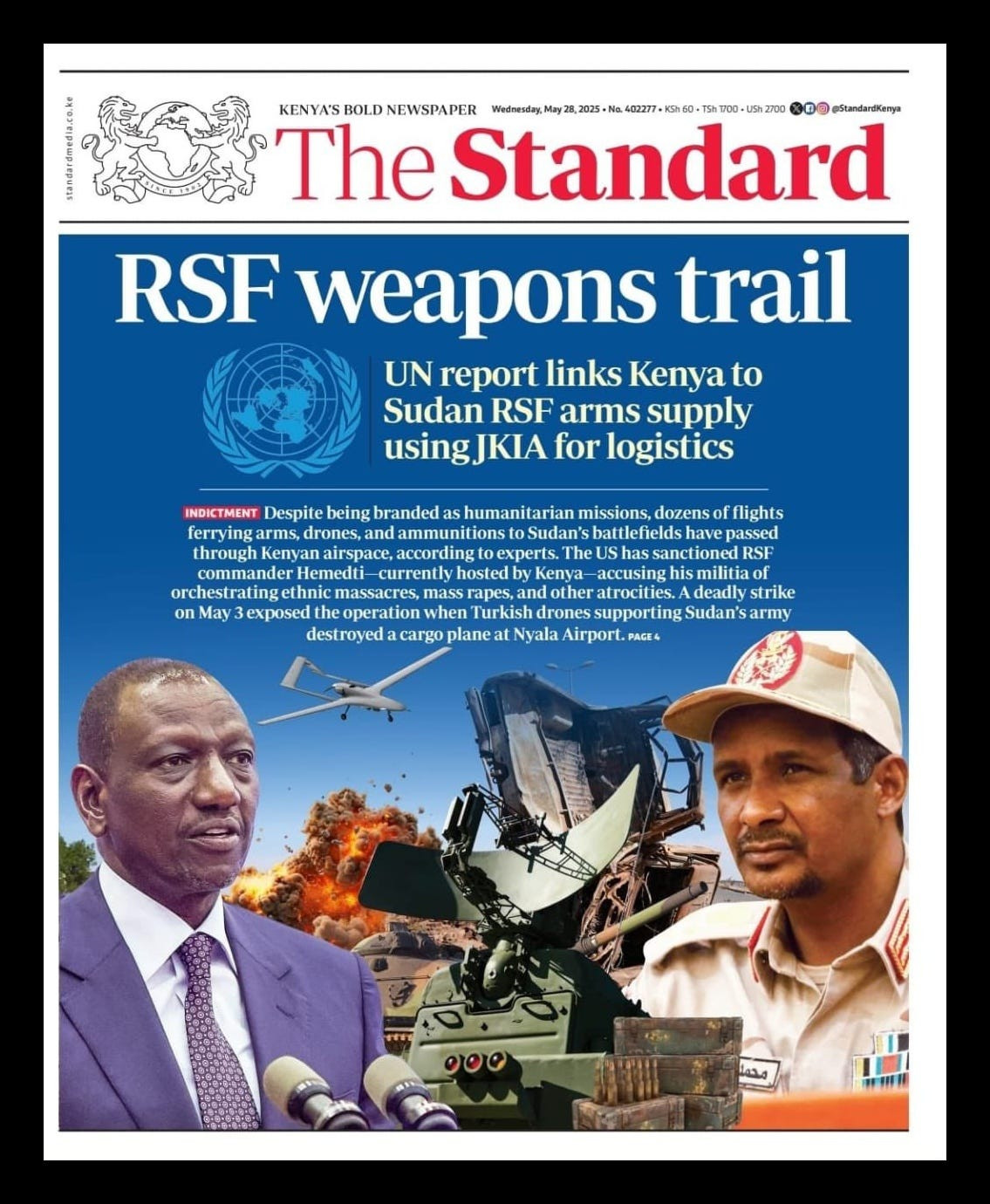
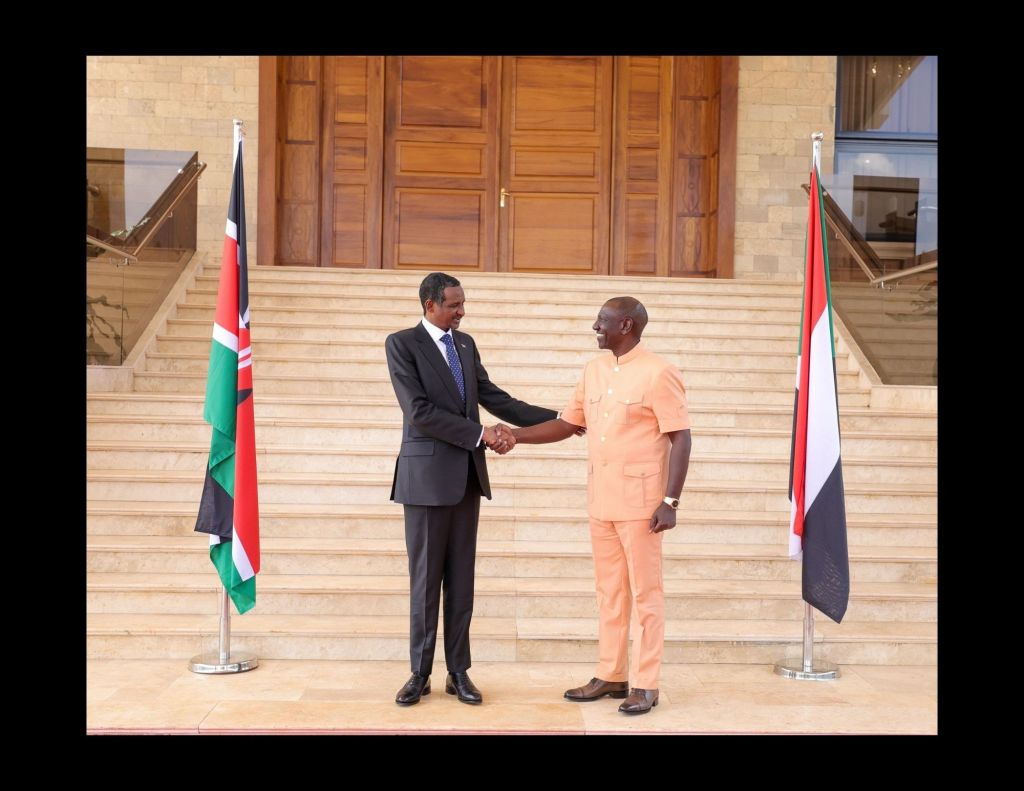
African governments have also failed. The African Union’s mediation efforts collapsed under pressure from Gulf states. Kenya’s leadership, accused of hosting RSF representatives and facilitating political recognition, has become a tool in the same network that sustains the militia. The regional fragmentation of diplomacy mirrors the global one: too many actors with conflicting interests, none with moral authority. The East African peace initiative disintegrated within weeks because no Arab power backed it. The United States attempted to host talks in Switzerland, but the Sudanese army refused to attend, claiming bias. Each failure reinforces the perception that peace is unprofitable while war guarantees revenue.
The strategic vacuum left by international paralysis has allowed warlords to privatise sovereignty. In Darfur, RSF commanders run checkpoints where they tax every truck and control the gold trade. In the east, army officers extract rents from ports and customs. The economy has been criminalised. Every institution, from banking to telecommunications, serves a faction. The humanitarian crisis becomes a business model. Smugglers move people across borders, selling refugees into labour markets in Libya and the Gulf. Women face systematic sexual violence used as intimidation. Human rights investigators describe entire villages emptied through mass rape and execution. These acts meet the legal definition of genocide. Yet the perpetrators hold diplomatic passports and attend foreign conferences as political representatives.
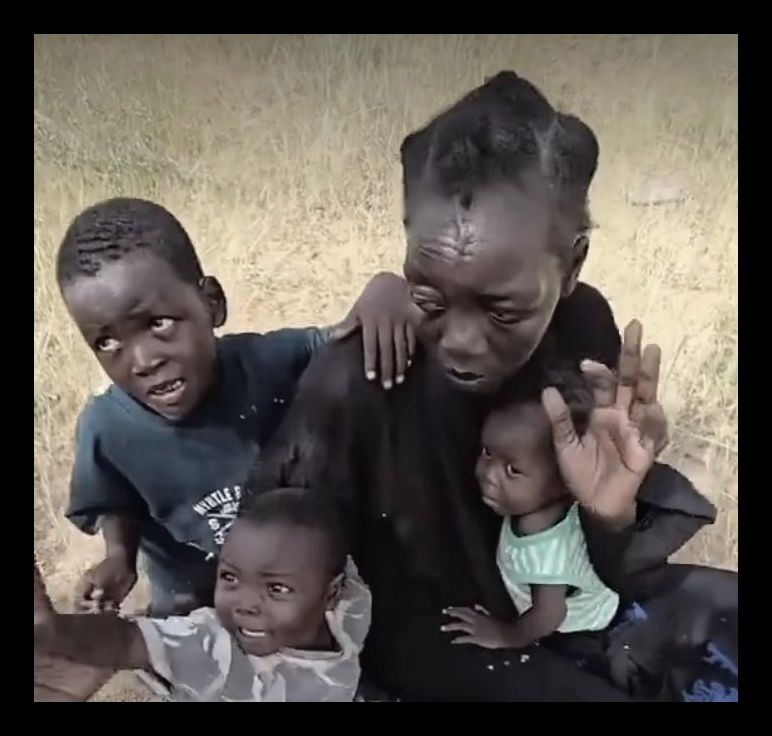
The scale of displacement defies comprehension. More than fifteen million Sudanese have been forced from their homes. Camps in Chad and South Sudan overflow. Disease spreads faster than food arrives. Each month without ceasefire adds tens of thousands to the count of the missing. Children die before they reach aid posts. The statistics hide the deeper loss: the erasure of a society. Sudan’s universities are closed, its archives burned, its doctors killed or exiled. The destruction of education and culture ensures that recovery, if it ever comes, will take generations. The war has not only ended lives but erased memory.
Analysts from independent institutions such as the Stimson Center and the Center for Conflict and Humanitarian Studies warn that Sudan’s disintegration marks a turning point in global security. When a nation of forty-five million collapses without intervention, it signals the end of collective protection norms. The same experts note that the multiplicity of actors, state, corporate and mercenary, makes accountability almost impossible. No single tribunal can try them because no single authority recognises their existence. This fragmentation of responsibility is the essence of modern genocide: everyone participates, no one admits guilt.
The Emirati leadership denies any military involvement, claiming that its aid flights are humanitarian. Yet satellite data and flight logs contradict this claim. Cargo planes from Abu Dhabi land regularly in eastern Chad, where RSF supply lines begin. Independent journalists have documented convoys moving from those airstrips into Darfur. The pattern matches the timing of major RSF offensives. Each surge in fighting follows a spike in Gulf cargo deliveries. The denials are a performance for diplomatic cover, not a statement of fact. Western governments accept them because confrontation with the Emirates would endanger lucrative energy and trade agreements.
The war has also exposed the weakness of international humanitarian law. The Security Council remains paralysed by political calculations. The International Criminal Court issues statements but no warrants. Sanctions target individuals without touching the financial systems that sustain them. The concept of responsibility to protect, once invoked to justify interventions elsewhere, is absent. The silence reflects a hierarchy of suffering in which African lives hold little strategic value. The moral collapse of the international order is complete when genocide becomes an internal matter for the victims to resolve.
For Sudanese civilians, survival has become resistance. Families dig trenches as shelters against drones. Doctors operate without anaesthetic, using mosquito nets as bandages. In El-Fasher, residents grind animal feed into flour. Every act of endurance defies the logic of extermination. Yet endurance alone cannot replace political will. Without external pressure on the financiers and suppliers of the RSF, the killing will continue until there are no witnesses left. The burden of proof no longer lies with the victims but with the world that claims to defend human rights.
Independent observers from Africa, the Middle East and Europe agree that the only path to stability lies in cutting off external support networks. This means targeting the banks, shipping companies and intermediaries that handle RSF gold and Emirati funds. It means exposing the intelligence links that allow Israel and Gulf states to use Sudan as a covert theatre. It means acknowledging that the war is not a local feud but a global project of extraction and control. Until these truths are accepted, every appeal for peace will be rhetorical. Sudan will remain a warning to others: a nation destroyed because its resources were valuable and its people expendable.
The academic and humanitarian community bears its own share of blame. Research institutions dependent on Gulf or Western funding avoid direct criticism of the perpetrators. Conferences discuss “conflict resolution” while ignoring the financial architecture of genocide. The capture of intellectual spaces mirrors the capture of political ones. Few scholars risk their careers by naming the Emirati or Israeli involvement. Yet silence in the face of evidence is not scholarship; it is collaboration. The duty of independent analysis is to expose, not to appease.
The tragedy of Sudan is therefore not only a national catastrophe but a mirror of global order. It shows how power operates when profit replaces principle. The same mechanisms that fund development projects fund death squads. The same air corridors that deliver aid deliver weapons. The same governments that speak of human rights trade with those who destroy them. Sudan’s agony reveals the convergence of commerce and cruelty at the heart of modern geopolitics. It is a case study in how the language of stability hides the practice of extermination.
The numbers will continue to rise while the world debates terminology. Whether the word genocide is used or avoided, the reality is visible in every satellite image and survivor testimony. Entire ethnic groups in Darfur have been wiped out. Women have been enslaved and sold in markets. Children have been executed in front of their families. The RSF’s campaign follows a pattern identical to earlier massacres in the same region two decades ago, when the Janjaweed carried out ethnic cleansing under another name. The repetition proves the absence of accountability. Those who escaped the first genocide now die in the second, watched by the same indifferent world.
Sudan’s collapse also endangers the wider region. The Horn of Africa and the Sahel are already destabilised by cross-border arms flows and refugee movements. Eritrea, Chad and Ethiopia have taken sides, turning the war into a continental fault line. Militias move freely across porous borders. Terror groups exploit the chaos. The Red Sea corridor, vital to international trade, risks becoming a permanent war zone. Analysts warn that if Sudan disintegrates fully, its territory could host transnational criminal networks comparable to those in Libya after 2011. The global consequences would reach far beyond Africa.
In the end, the Sudanese genocide exposes the structure of global hypocrisy. The same powers that demand obedience to international law elsewhere ignore it when their allies violate it. The Emirates remain a partner in Western security architecture. Israel continues to receive military aid while aiding a militia accused of mass murder. Britain and the United States maintain arms trade ties despite documented diversions. The lesson for other states is clear: legality depends on alignment. Those outside the approved network face sanction; those within it act with impunity.
History will record the Sudan war as a test the world failed. The figures, one hundred and fifty thousand dead, fifteen million displaced, twenty-four million starving, will stand beside those of Rwanda and Bosnia. The difference lies in visibility. In an age of satellites and social media, no one can claim ignorance. The images from El-Fasher, the testimony of survivors, the data from humanitarian agencies, all confirm that the slaughter is systematic. Silence is not neutrality. It is participation through omission.
Sudan has become the prototype of wars to come: decentralised, privatised, and commercialised. Its battlefields are laboratories where drones replace soldiers and gold replaces ideology. The fusion of state and corporate interests ensures that accountability disappears. When the world allows such a model to thrive, it legitimises future genocides under the language of security and investment. The Sudanese dead will not be the last victims of this order.
The responsibility now lies with those who still claim moral authority. Ending the war requires more than aid or negotiation. It demands the dismantling of the financial and political networks that profit from destruction. It demands sanctions on the Emirati institutions funding the RSF, investigations into the British and Israeli links, and independent monitoring of gold exports. It demands that international law be enforced without exception. Anything less will confirm that genocide has become a normal instrument of policy.
Sudan bleeds while the world calculates. The graves expand while diplomats draft statements. The silence of powerful nations echoes louder than the explosions over Darfur. Every day without action deepens the complicity. The Sudanese people do not need sympathy; they need the machinery of war to stop. Until that happens, the genocide will remain not just a national crime but a global disgrace.
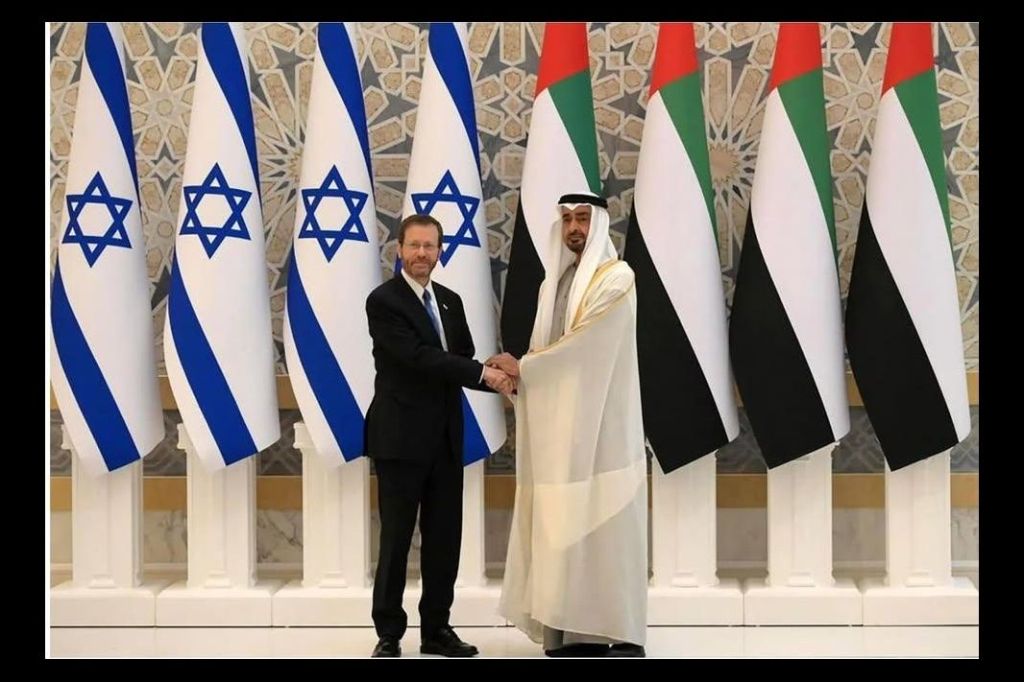
You know what, in the mid-2000s, working in the UAE felt like progress a gateway to opportunity. Few realized we were helping construct the very system that would later normalize with Israel, fuel its military power, and finance wars from Gaza to Sudan. The dream became the blueprint for today’s UAE: Israel’s satellite in the Gulf.
Authored By:
If you believe journalism should serve the public, not the powerful, and you’re in a position to help, becoming a PAID SUBSCRIBER truly makes a difference. Alternatively you can support by way of a cup of coffee:
buymeacoffee.com/ggtv | https://ko-fi.com/globalgeopolitics


Leave a comment