
A U.S. strike in the Pacific exposes how Washington’s counterterror campaign now operates outside international law
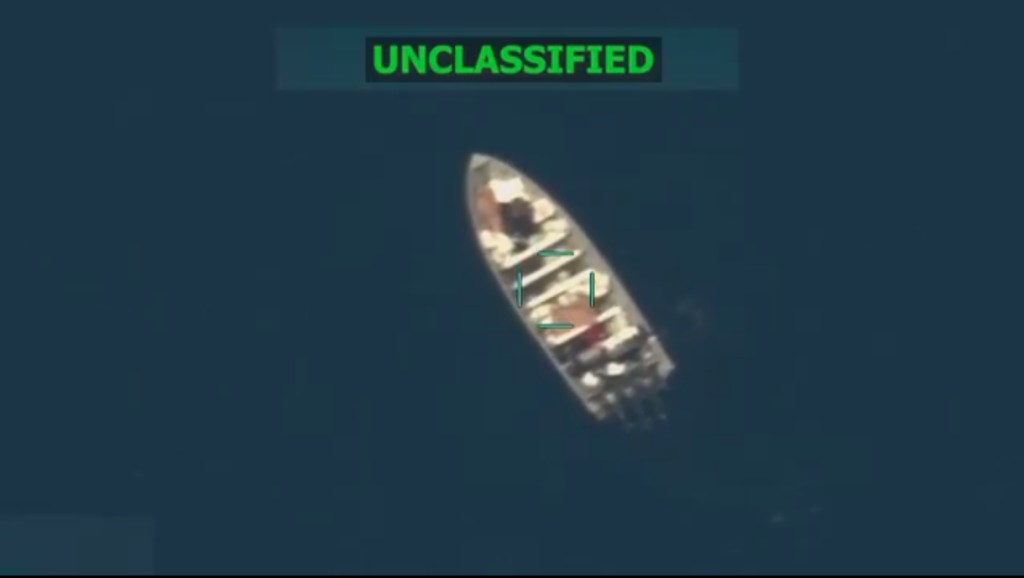
Earlier today, under orders from President Trump, the U.S. Department of War carried out an armed strike on a suspected narcotics vessel in the Eastern Pacific. The targeted boat was allegedly operated by a group designated by Washington as a terrorist organization. Four men aboard were killed. The strike occurred in international waters, outside any declared zone of hostilities or legal jurisdiction recognized under international law.
While the U.S. describes the action as a counter-narcotics operation, it represents the use of lethal military force beyond national territory without the consent of another state or authorization from the United Nations Security Council. Under the UN Charter and customary international law, such unilateral actions in international waters raise serious legal questions about sovereignty, proportionality, and due process.
The statement from Washington framed the event as part of an ongoing campaign to “eliminate narco-terrorists,” but international law does not grant states open-ended authority to conduct extrajudicial killings on the high seas. The absence of judicial oversight, combined with the targeting of non-state actors outside armed conflict zones, places this operation in a legally gray area that many experts would define as a violation of international law.
No U.S. personnel were harmed. The strike, however, reinforces a growing pattern of U.S. military actions conducted beyond lawful wartime limits, with expanding definitions of self-defense and counterterrorism used to justify lethal operations across international boundaries.
Authored By: Global Geopolitics
If you believe journalism should serve the public, not the powerful, and you’re in a position to help, becoming a PAID SUBSCRIBER truly makes a difference. Alternatively you can support by way of a cup of coffee:
buymeacoffee.com/ggtv
https://ko-fi.com/globalgeopolitics


Leave a comment