
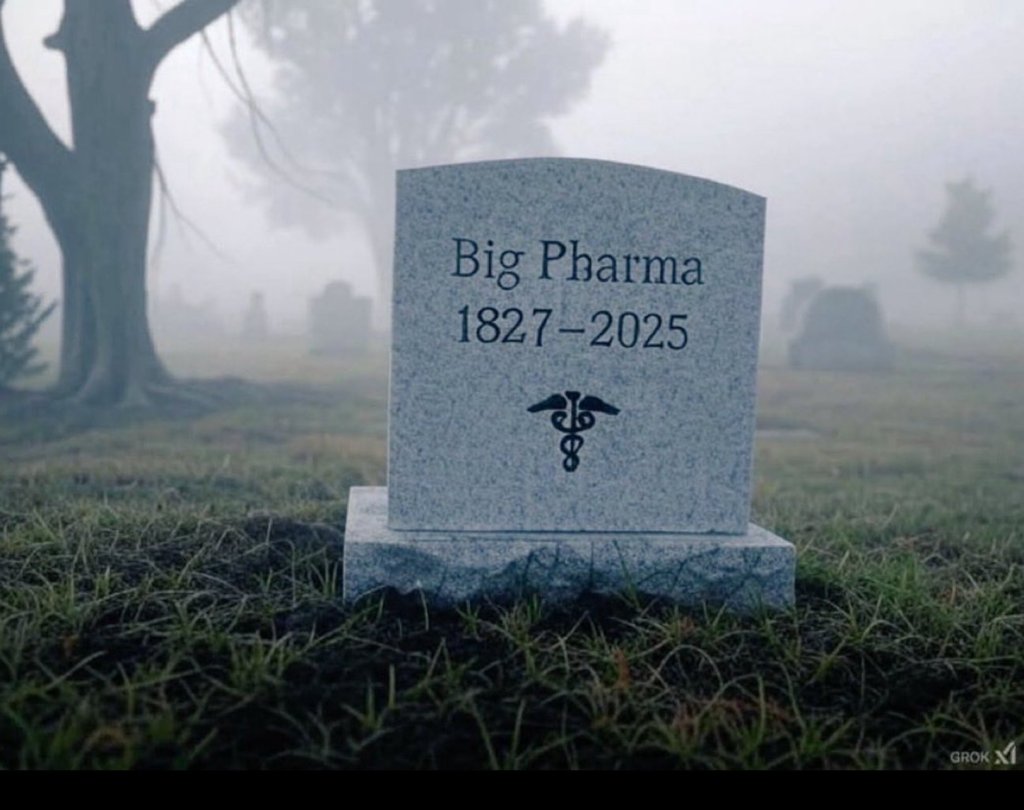
Del Bigtree, vaccine injury, autism prevalence and the financial logic behind institutional resistance
Whilst trolling this morning, this Del BigTree rant caught my attention. Do people really need more debates on the obvious scam that vaccines are? What more in the name of proof do people want inorder to be convinced that the poison program called “vaccines” is designed to get people sick and into the hospitals, clinics or doctor’s surgeries! What is the cost of medical care to caregiver and healthcare system of an autistic child? So, I thought I would summarise and examine this recent podcast in which Del Bigtree presents a claims-based argument about institutional incentives, liability, and financial exposure connected to vaccine injury debates in the United States. The focus of his presentation is not clinical detail, but arithmetic, legal architecture, and motive.
Bigtree opens by asking why a government or medical establishment would allegedly conceal or deny vaccine injury at scale. He argues that motive emerges when financial liability is calculated rather than discussed abstractly. He references comments attributed to paediatrician Paul Offit, who has stated in public forums that any validated connection between vaccines and autism would cause the system to collapse. Bigtree interprets that statement not as a medical opinion, but as an admission that institutional survival takes precedence over inquiry.
He directs attention to the National Vaccine Injury Compensation Program, commonly known as the vaccine court, which operates outside the traditional civil court system. According to Bigtree, by the year 2000 the programme was already facing more than 5,000 autism-related cases seeking compensation of approximately five million dollars per claimant. Whether or not those specific cases were resolved as such, he argues that officials responsible for programme oversight recognised early the potential scale of exposure.
Bigtree then expands the calculation beyond the courtroom. He states that the current number of individuals diagnosed with autism in the United States stands at approximately 3,847,000. He asks the viewer to consider a hypothetical scenario in which causation between vaccines and autism were officially acknowledged. Under that scenario, he argues, liability would no longer be limited to a capped compensation court, but would expand politically, morally, and financially into broader social responsibility.
Using commonly cited estimates for the lifetime cost of raising a child with autism in the United States, Bigtree performs a multiplication on air. He arrives at a figure of 19 trillion, 236 billion, 842 million dollars. He presents this number not as a precise actuarial forecast, but as an order-of-magnitude illustration of institutional exposure. The sum, he argues, exceeds healthcare budgets, challenges federal solvency, and dwarfs most historic public liabilities.
Bigtree connects this calculation directly back to Offit’s purported remark: “If anyone ever gets as far as connecting vaccines to autism, we’re finished.” In Bigtree’s framing, that sentence establishes motive. He asks a simple prosecutorial question. If an action caused harm, and acknowledgement of that harm would trigger financial consequences on the scale of nineteen trillion dollars, would institutional actors be inclined to permit such acknowledgment?
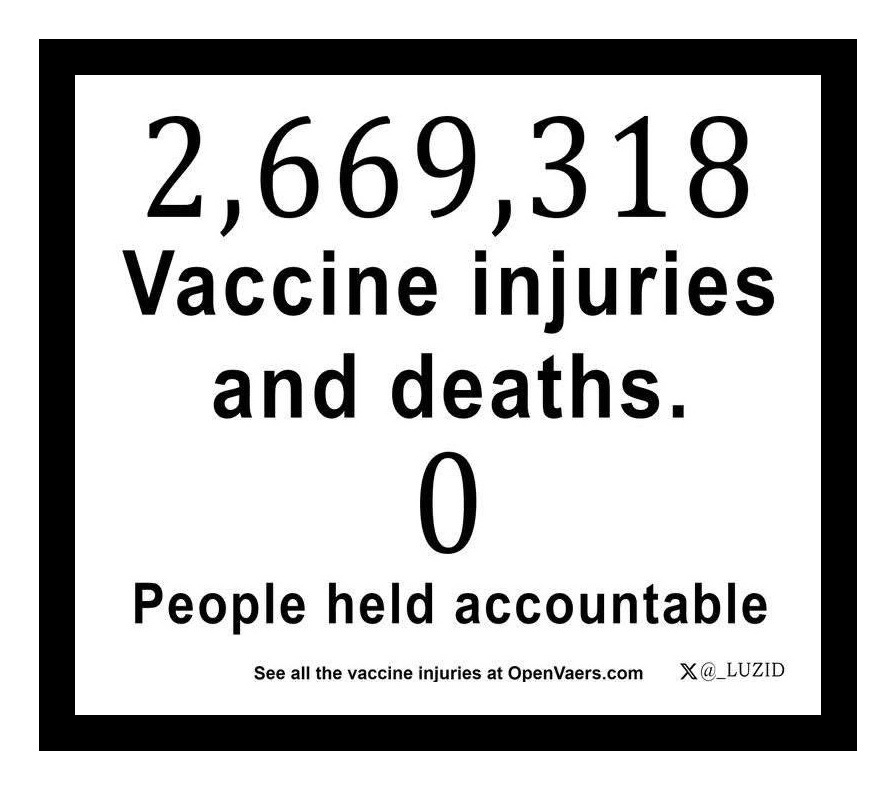
He argues that this motive explains several observable patterns: reluctance to commission long-term vaccinated versus unvaccinated studies, aggressive dismissal of injury claims, and moral hostility toward parents seeking answers. He characterises the system’s posture as exclusionary, quoting his paraphrase of Offit’s attitude toward affected families as effectively stating, “You don’t exist in my world. I don’t care about you.” Bigtree emphasises that this perceived indifference is structural rather than personal.
Throughout the video, Bigtree asserts that denial is framed as scientific certainty rather than institutional risk management. He claims that the refusal to study certain hypotheses operates as a protective mechanism to preserve existing legal and financial arrangements. According to his argument, the vaccine court, liability shields, and tightly controlled research agendas function together to prevent an outcome that threatens system continuity.
The significance of his presentation lies less in proving causation than in exposing incentive structures. Bigtree does not claim insider access or secret documents. He claims mathematics. He asks whether any institution facing ruinous liability would willingly fund inquiries that might confirm it. He frames the debate as one of power, economics, and accountability rather than trust in expertise.
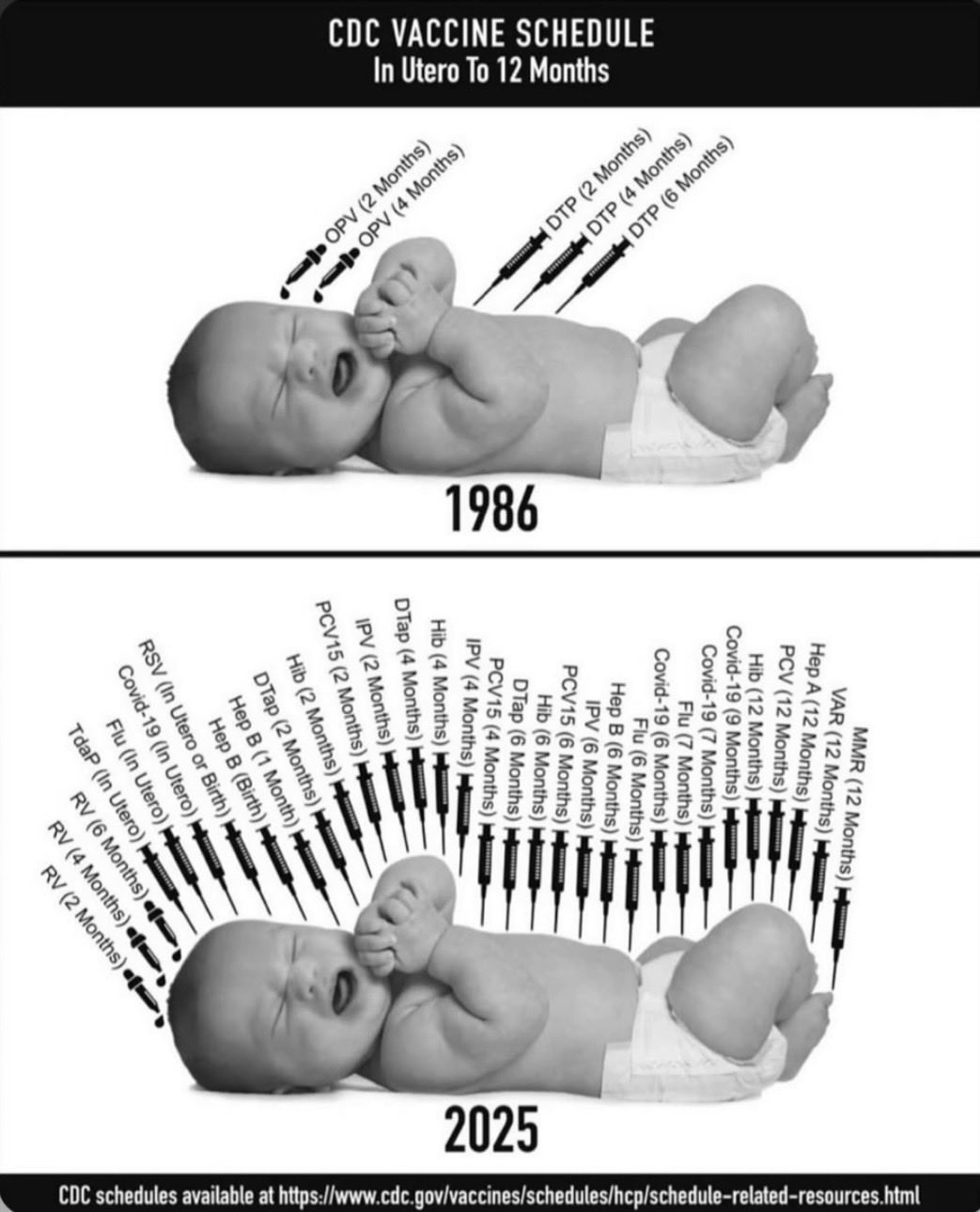
Removal of liability has clearly been a disaster. From the above image, a pivotal change came in 1986 with passage of HR 5546, legislation that removed traditional product liability from vaccine manufacturers and placed them beyond direct civil suit, fundamentally altering incentives within the pharmaceutical sector. Under this framework, individuals alleging vaccine injury were redirected away from state and federal courts into a specialised administrative mechanism, accompanied by the creation of the Vaccine Adverse Event Reporting System and a federal compensation programme designed to absorb claims without exposing manufacturers themselves to legal risk. Since its creation, that compensation system has paid out more than seven billion dollars for vaccine-related injuries prior to the Covid period, a fact often cited as evidence that harm is formally recognised while responsibility is structurally displaced. Critics argue that once producers were shielded from liability, the normal market pressure to improve safety through risk of lawsuit disappeared, replacing accountability with guaranteed protection. Cardiologist Dr Peter McCullough, speaking with Ashley Brasfield on Off the Record at the Conservative Partnership Institute, characterised the modern vaccine sector as a liability-free industry approaching one hundred billion dollars annually in value, with a large share of revenue flowing directly from government purchasing and mandates rather than consumer choice. In his assessment, the absence of legal exposure combined with state-backed demand produces a closed system resistant to reform, particularly on questions of expanding vaccine schedules, school requirements, or parental consent. Under such conditions, he argues, manufacturers face little incentive to slow rollouts, narrow indications, or fund long-term comparative safety studies, since revenue remains protected regardless of outcomes. From this perspective, resistance to medical freedom campaigns does not arise from scientific disagreement alone, but from an economic structure in which liability has been socialised, profit has been secured, and accountability has been administratively contained.

Anyways, so what do you make of Del BigTree’s argument ? His presentation raises uncomfortable questions regardless of one’s position on vaccines. Large systems do not operate in moral vacuums. They respond to incentives, constraints, and existential threats. Bigtree’s argument suggests that when the cost of truth becomes existential, the pressure to suppress inquiry becomes structural.
This note does not resolve those questions. I just thought to present the argument as given, including its figures and quotations, for readers to evaluate independently. I have written enough on vaccines already, several articles in the archive.
Authored By: Global GeoPolitics
If you believe journalism should serve the public, not the powerful, and you’re in a position to help, becoming a PAID SUBSCRIBER truly makes a difference. Alternatively you can support by way of a cup of coffee:
buymeacoffee.com/ggtv


Leave a comment