
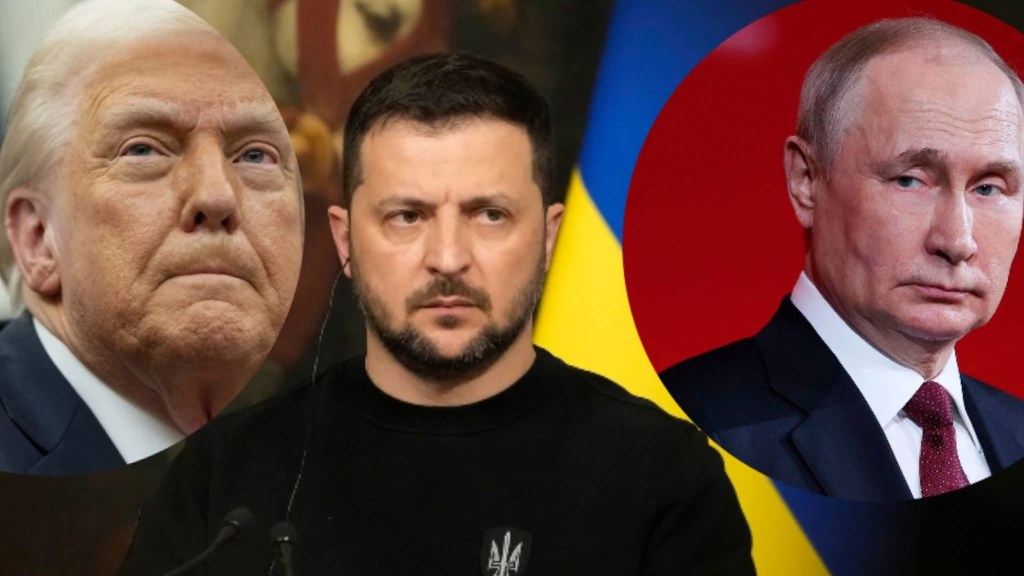
U.S.-brokered “peace plan” embraces Russian red lines on Ukraine and NATO
A “peace proposal” framed in U.S. mediation adopts key Russian red lines, neutralizing Ukraine, halting NATO growth, and recognizing occupied territories, while Russia, citing decades of warnings over NATO’s advance and claiming momentum in its “Special Military Operation,” insists it will fight until its perceived security threat is removed.
Trump’s full 28-point Ukraine proposal resembles his Gaza plan: presented as a peace initiative but structured around substantial Ukrainian concessions and terms that closely track longstanding Russian demands. The plan lands in a geopolitical context shaped by Russia’s decades of warnings over NATO’s eastward expansion. Since the 1990s, Moscow has argued that NATO moving toward its borders, culminating in military cooperation with Ukraine, constitutes a direct strategic threat. These concerns intensified after 2014, when Russia annexed Crimea and NATO increased training and arms support to Kyiv. By Russia’s own narrative, the 2022 invasion, the so-called “Special Military Operation,” is intended to neutralize what it sees as an intolerable security environment along its western frontier. With Russian forces holding significant territorial gains and claiming momentum on the battlefield, Moscow maintains that it will not end its campaign until what it perceives as the NATO threat is removed.
Against this backdrop, Trump’s plan adopts many of Russia’s stated red lines: Ukraine’s enforced neutrality, a halt to NATO expansion, recognition of Russian control over occupied territories, and eventual reintegration of Russia into global economic and political structures. Although labeled a peace framework, it places the burden of adjustment almost entirely on Ukraine, with the United States positioned as arbiter and beneficiary.
Condensed Summary of the 28 Points
1–5. Ukraine’s sovereignty is nominally affirmed, accompanied by a Russia-Ukraine-Europe non-aggression pact, a freeze on NATO expansion, U.S.-mediated Russia–NATO talks, and open-ended U.S. “security guarantees” for Ukraine.
6–10. Ukraine’s military is capped at 600,000 troops. Ukraine must adopt permanent neutrality and legally forswear NATO membership; NATO must codify the same. NATO also agrees not to station forces in Ukraine. U.S. guarantees come with strict conditions, including compensation to the U.S. and automatic cancellation if Ukraine strikes inside Russia “without cause.”
11–12. Ukraine receives a path to EU membership and preferential trade access. A major reconstruction program follows, largely directed by U.S.-managed funds and joint energy, mining, and infrastructure ventures.
13–14. Russia is gradually reintegrated into the global economy, regains G8 status, and enters joint U.S.–Russia ventures in energy, AI, infrastructure, and natural resources. Frozen Russian assets fund a $100B U.S.-run reconstruction package for Ukraine; the U.S. claims half of resulting profits. Europe is asked to match the $100B contribution.
15–20. A U.S.–Russia security group monitors compliance. Russia enacts a legal non-aggression pledge. Arms-control treaties are renewed; Ukraine reaffirms its non-nuclear status. The Zaporizhzhia nuclear plant operates under IAEA oversight with power output split evenly. Both countries must adopt wide-ranging “tolerance” and media-access provisions, including bans on Nazi ideology.
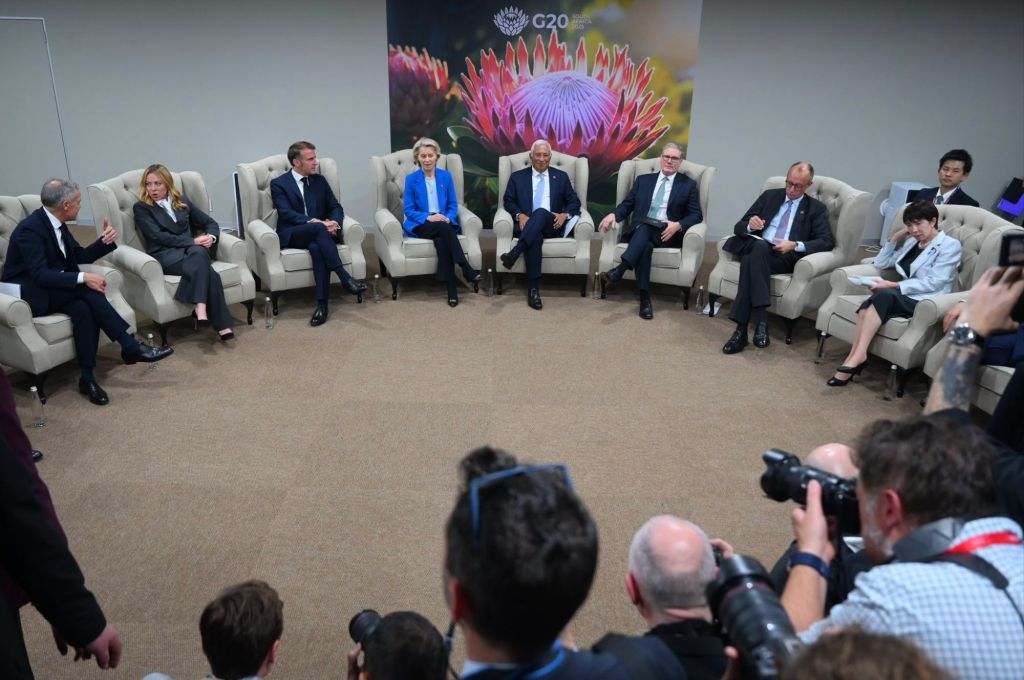
21–22. Territorial arrangements formalize de facto Russian control of Crimea, Donetsk, and Luhansk. Parts of Kherson and Zaporizhzhia become neutral buffer zones. Ukraine withdraws from remaining areas of Donetsk; Russia is barred from entering the buffer. Both sides pledge not to change borders by force.
23–24. Russia guarantees Ukraine’s access to the Dnieper River and Black Sea grain routes. A humanitarian mechanism oversees prisoner exchanges, civilian returns, and relief.
25–28. Ukraine must hold national elections within 100 days. All wartime actions receive blanket amnesty. The agreement is enforced by a Trump-chaired “Peace Council” with sanctioning authority. A ceasefire begins once forces pull back to assigned positions.
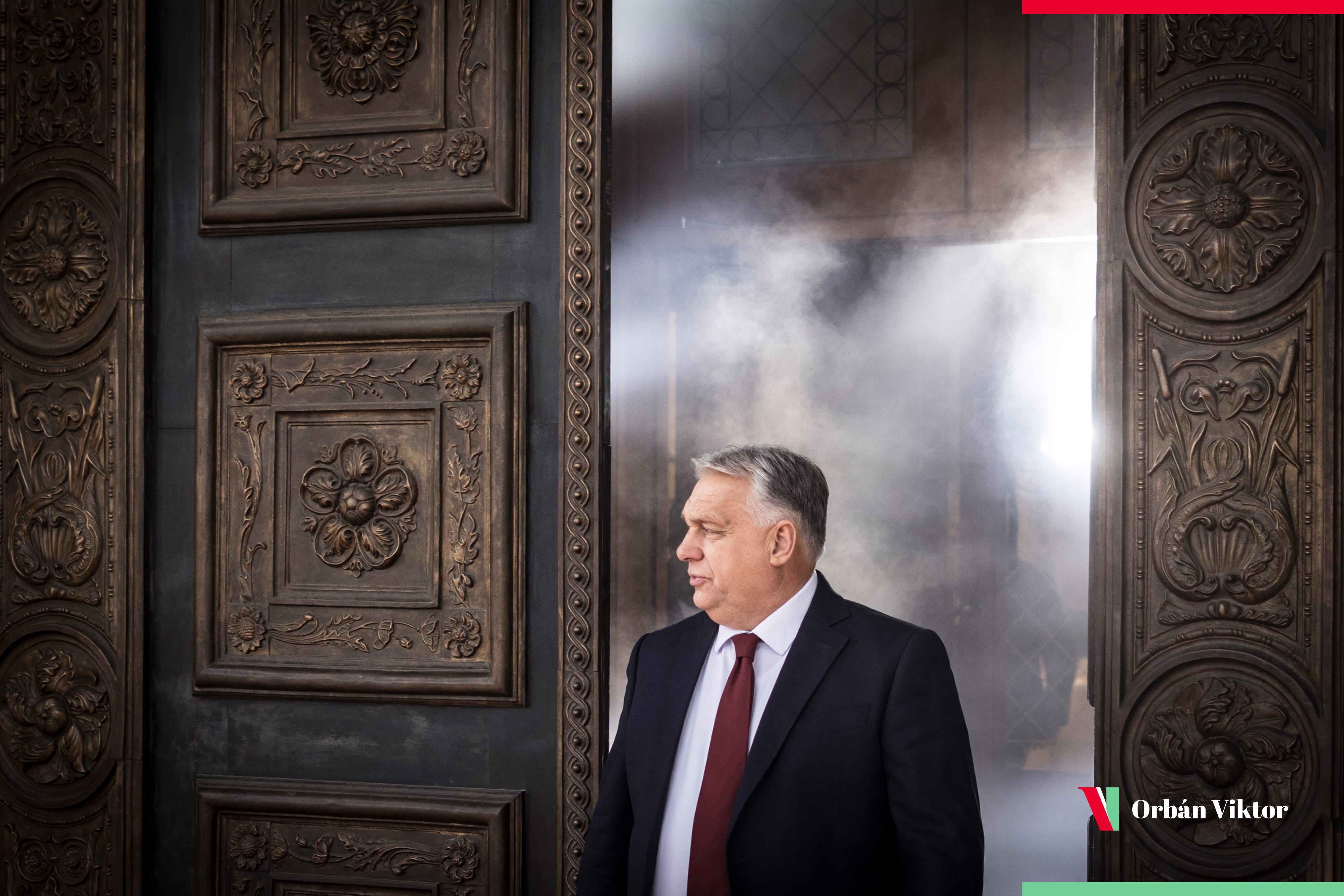
Viktor Orban of Hungary just posted on Tweeter. He said, the Russian-Ukrainian war has brought Europe to a historic crossroads, and President @realDonaldTrump has not abandoned his efforts to bring peace to Ukraine. Today, Europe faces two possible paths: we can step back from this dead end and finally unite behind President Trump’s peace initiative, including the Brusselian bureaucrats, a step that would require the pro-war leaders to acknowledge that for 3.5 years they have squandered the hard-earned money of Europeans on a conflict that cannot be won on the battlefield; or we can continue down the road toward war, where pouring money and weapons into Ukraine without U.S. support risks dragging Europe into a direct conflict with Russia, a path whose consequences our continent knows all too well. Hungary’s choice is clear: we choose peace, as mandated by the Hungarian people and demanded by morality and common sense. In this spirit, I am sending a letter to the President of the European Commission.
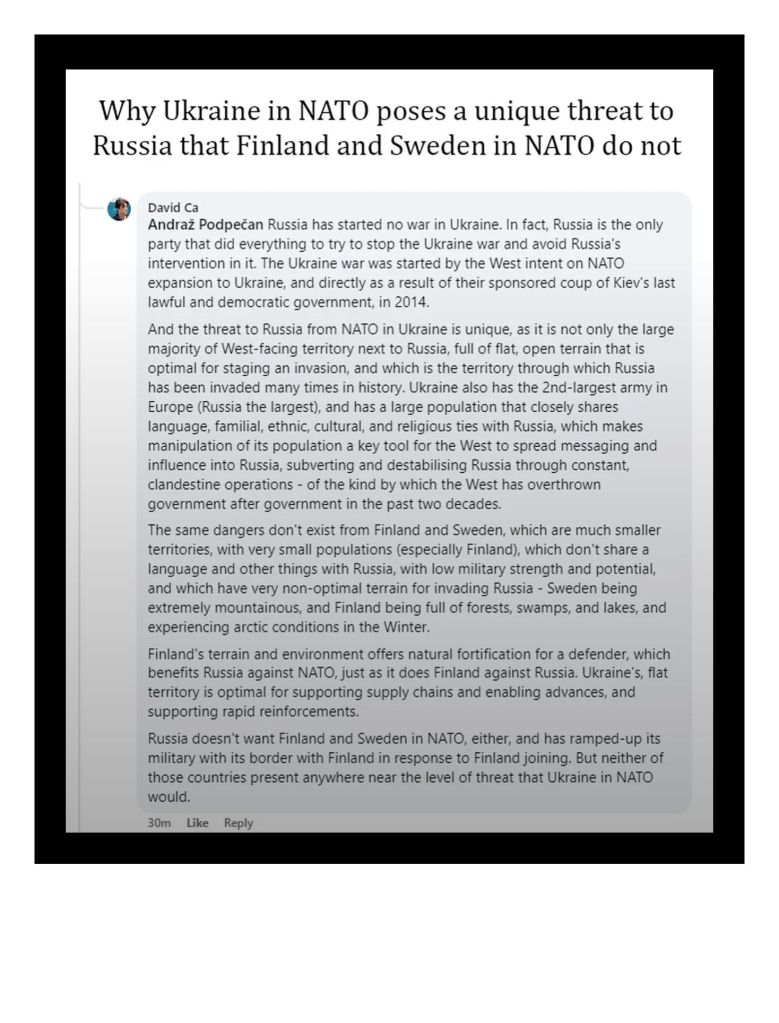
Europe is approaching a strategic inflection point, and what makes the moment so dangerous is the widening gap between political rhetoric and geopolitical reality. The continent is absorbing economic shocks at a pace that even the EU’s collective capacity struggles to offset: public debt ratios continue to climb, financing costs rise with every interest-rate adjustment, and long-term fiscal positions harden into structural vulnerabilities. These pressures are not the product of a single crisis but of a sustained policy trajectory that prioritizes short-term political symbolism over long-term resilience. As households confront rising energy costs, inflationary pressures, and an industrial base steadily relocating to more competitive markets, Europe continues to allocate vast resources to a war whose strategic end-state remains undefined. This disconnect has created a policy environment where moral narratives substitute for measurable objectives, and where the economic foundation underpinning European stability erodes quietly in the background.
From a geopolitical standpoint, Europe is attempting to project unity and resolve while becoming increasingly dependent on external actors particularly the United States for security guarantees, energy stability, and diplomatic leverage. Without U.S. backing, the current strategy risks overextension: escalating military commitments without the industrial capacity to sustain them, and pursuing ambitious sanctions regimes that often rebound economically on Europe more than on their intended targets. The result is a growing strategic imbalance. Europe is trying to shape events at its borders while losing economic weight globally, a combination that historically leaves powers vulnerable to shocks and miscalculations.
The continent now faces a decisive question: whether to recalibrate its approach before financial strain, industrial contraction, and political fatigue converge into irreversible decline. The warning signs are visible slowing growth, fiscal compression, demographic challenges, and strategic dependence and ignoring them does not reduce their impact. If Europe wants to safeguard its stability and avoid drifting into a crisis of its own making, it will need to reassess not only its policies toward the war but its broader economic and geopolitical posture. The cost of waiting will only rise, and the window for course correction will not remain open indefinitely.
Another structural factor shaping Europe’s strategic posture is the political environment surrounding the war itself. After years of framing Russia as an existential adversary, many European governments now find diplomacy politically untenable; any concession, however minor, risks being interpreted domestically as weakness or reversal. This creates a policy trap: leaders struggle to articulate an off-ramp because the narratives they relied on to maintain public support leave no space for compromise. At the same time, policymakers in key capitals, London, Berlin, and Paris have rarely planned for the possibility of a Ukrainian defeat or even a negotiated stalemate, treating such scenarios as politically unacceptable rather than strategically plausible. This lack of contingency planning generates pressure and heightens the risk of miscalculation, as states faced with deteriorating battlefield conditions may attempt to shift dynamics through incremental escalation. In this environment, continued military support becomes not only a foreign-policy stance but a means of deflecting attention from unresolved domestic challenges, creating incentives to prolong a conflict even when the strategic benefits become increasingly uncertain. The danger is that escalation undertaken to avoid political costs may ultimately entangle Europe in a broader confrontation it is neither economically nor militarily prepared to sustain.
Authored By: Global GeoPolitics
If you believe journalism should serve the public, not the powerful, and you’re in a position to help, becoming a PAID SUBSCRIBER truly makes a difference. Alternatively you can support by way of a cup of coffee:
buymeacoffee.com/ggtv


Leave a comment