
BRICS
-
The Unit Settlement Instrument and the Material Limits of Multipolar Finance

The BRICS+ pilot of a gold-and-currency basket digital settlement token represents a significant technical experiment in parallel financial infrastructure, yet its trajectory remains constrained by the same capitalist contradictions that produced the dollar-centric order it seeks to circumvent. Editorial Analysis | September 2026 The Unit settlement instrument emerged from a specific historical conjuncture that fundamentally… Continue reading
AI and Digital Control, America, bond market, China, economics, Energy, EUROPE, Financial markets, Foreign Policy, Geopolitics, Global Finance, imperialism, iran, japan, middle east, Mineral Resources, NATO, neocolonialism, politics, reserve currency, warBelt and Road Initiative, Bishkek Declaration, BRICS, de-dollarisation, digital currency, Eurasian connectivity, financial sanctions, gold, Historical Materialism, hybrid warfare, international monetary system, International North–South Transportation Corridor, iran, Michael Hudson, multipolarity, national currencies, New Development Bank, SCO Development Bank, Sergey Glazyev, Shanghai Cooperation Organisation, Unit -
The Yen Crisis is a Tsunami Like No Other on the Dollar Hegemony
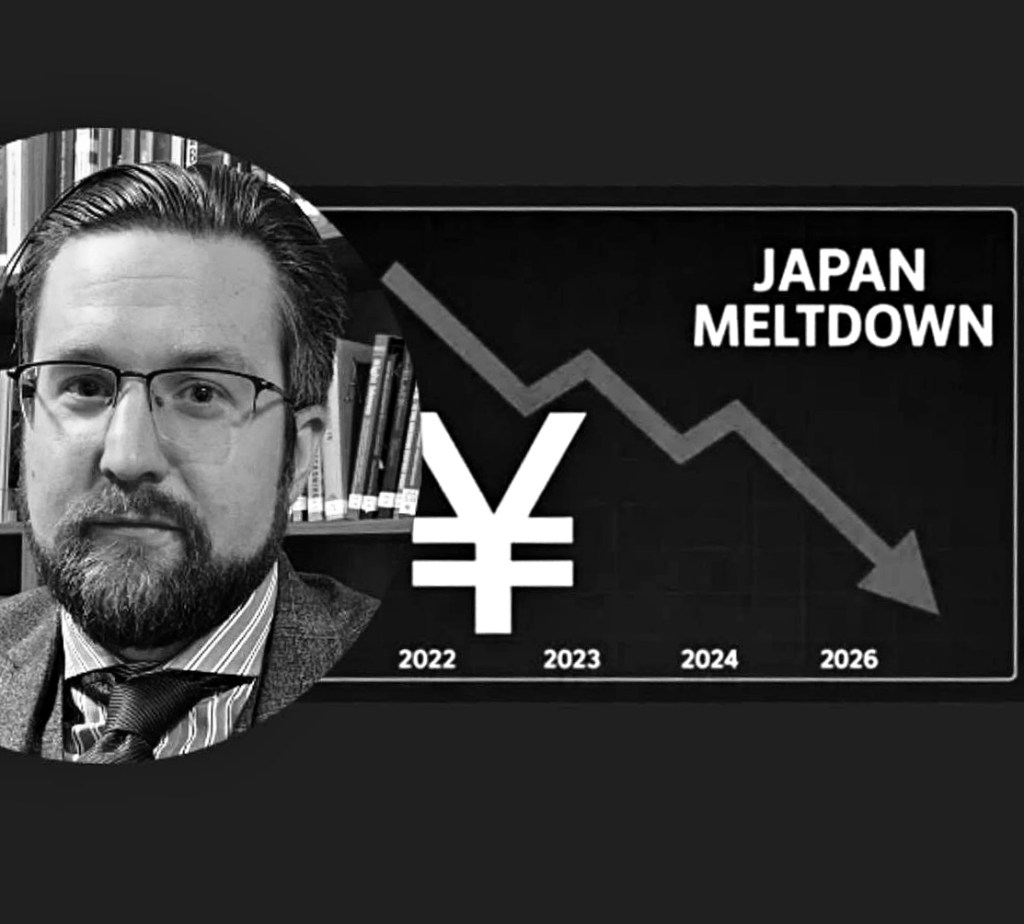
How Japan’s Financial Collapse Threatens to Trigger a Systemic Breakdown of the Global Dollar System Philip Pilkington’s analysis reveals that Japan’s financial instability represents the most immediate threat to the entire dollar-based international monetary system, with the yen functioning as the “canary in the coal mine” that signals an impending systemic collapse. The yen carry… Continue reading
-
A Marxist critique of the European push for war with Russia
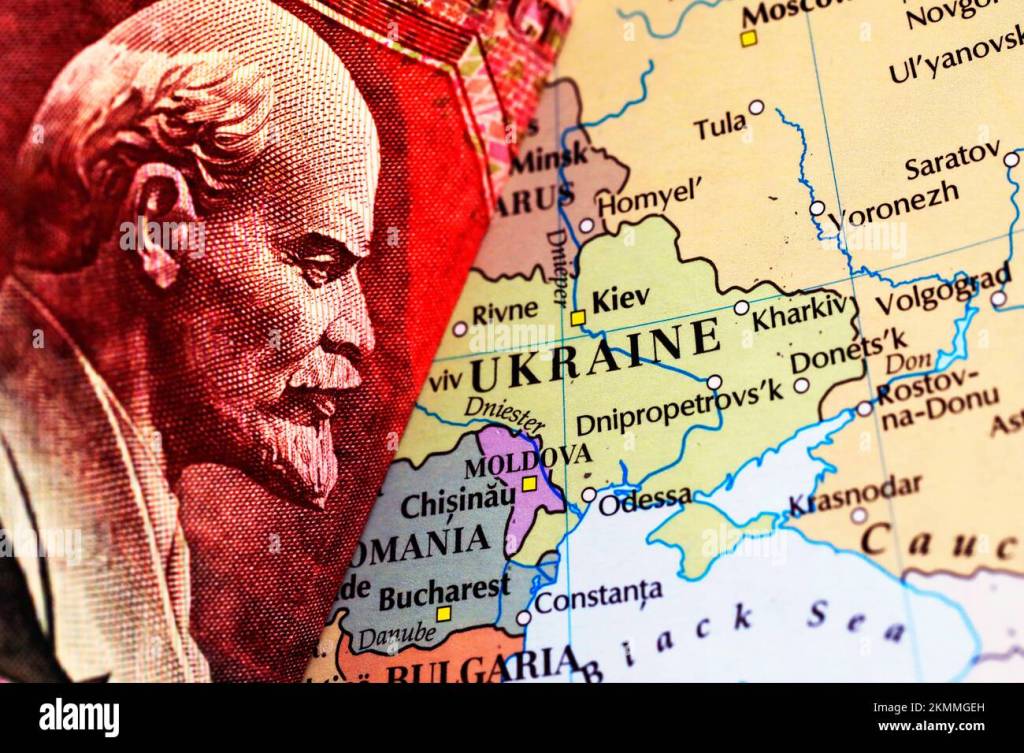
European elites are accelerating the push toward direct military confrontation with Russia not to defend democratic values or territorial integrity, but to preserve their own class power and wealth The central argument is that European elites are accelerating the push toward direct military confrontation not to defend democratic values or territorial integrity, but to preserve… Continue reading
AI and Digital Control, America, China, economics, Energy, EUROPE, Financial markets, Foreign Policy, Geopolitics, Global Finance, imperialism, iran, israel, Mineral Resources, NATO, neocolonialism, politics, reserve currency, Russia, waranti-war movement, austerity, BRICS, class struggle, colonialism, EUROPE, Global South exploitation, imperialism, imperialist war, Marxism-Leninism, multipolarity, NATO expansion, neoliberalism, primitive accumulation, Professor Richard Wolff, proletariat, Recolonisation, ruling class, Russia, Ukraine war -
Europe’s Recolonisation Project

How the Push for War With Russia Serves the Bourgeoisie’s Desperate Need to Revive a Dying System Editorial Analysis | August 2026 The war in Ukraine, which has now entered its fourth year, is not fundamentally a conflict about territorial integrity, national self-determination, or the defence of de mocratic values. These are the narratives presented… Continue reading
AI and Digital Control, America, economics, Energy, EUROPE, Financial markets, Foreign Policy, Geopolitics, Global Finance, imperialism, iran, israel, Mineral Resources, NATO, neocolonialism, reserve currency, Russia, waranti-war movement, austerity, BRICS, class struggle, colonialism, EUROPE, Global South exploitation, imperialism, imperialist war, Marxism-Leninism, multipolarity, NATO expansion, neoliberalism, primitive accumulation, Professor Richard Wolff, proletariat, Recolonisation, ruling class, Russia, Ukraine war -
The Petro-less Dollar

How Washington’s War on Iran Has Undermined the Financial Foundation of American Power The interruption of crude oil trade through the Strait of Hormuz and the Red Sea has produced an outcome that Washington’s strategic planners almost certainly did not anticipate when they launched military operations against Iran in February 2026 (1). Throughout the entire… Continue reading
-
Russia cannot survive without victory in Ukraine – Medvedev

The West has been using Kiev as a “battering ram” against Moscow, the former president says Russia can only preserve its sovereignty and long-term security by achieving victory in the Ukraine conflict because the West is attempting to weaken and ultimately dismantle the country through Kiev, former President Dmitry Medvedev has said. Medvedev, who serves… Continue reading
-
The Memorandum of Convenience
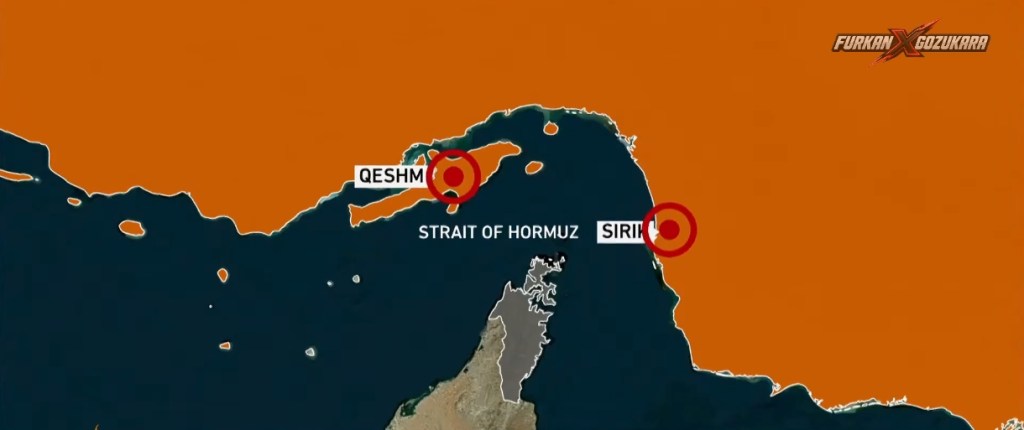
Why the US-Iran MOU Represents Another Chapter in a Longstanding Pattern of Strategic Deception The June 2026 Memorandum of Understanding between the United States and Iran has been presented to the world as a diplomatic breakthrough. According to the 14-point text, the agreement commits both parties to the immediate and permanent termination of military operations… Continue reading
AI and Digital Control, America, China, economics, Energy, EUROPE, Financial markets, Foreign Policy, Geopolitics, iran, israel, warBRICS, Brookings Institution, color revolution, energy security, Extending Russia, Geneva Convention, geopolitical competition, international law, Iran nuclear deal, Iran Sanctions, Iran War, Israel–Iran conflict, JCPOA withdrawal, LNG exports, MOU 2026, multipolarity, munitions depletion, proxy warfare, RAND Corporation, regime change, Strait of Hormuz, treaty violations, Trump administration, unipolarity, US foreign policy, US imperialism, US military inventory, US strategic deception, US–Iran relations, Which Path to Persia -
Is South Africa Witnessing a Colour Revolution?

Analysing South Africa’s March and March movement through the lens of regime change doctrine South Africa occupies a unique position in the global order. It is the only country in the BRICS+ world where the colonial management class never actually left. Political power was transferred in 1994, but the land, the mines, the banks, the… Continue reading
africa, AI and Digital Control, America, economics, Foreign Policy, Geopolitics, imperialism, israel, neocolonialism, politics, war, zimbabweAfrican geopolitics, AfriForum, anti-immigration, BRICS, colour revolution, Democratic Alliance, foreign interference, Government of National Unity, June 30 protests, March and March, migration policy, multipolar transition, National Endowment for Democracy, Operation Dudula, regime change, soft coup, south africa, South African politics, xenophobia -
Lavrov Highlights Strength of Russia-China Partnership at International Conference
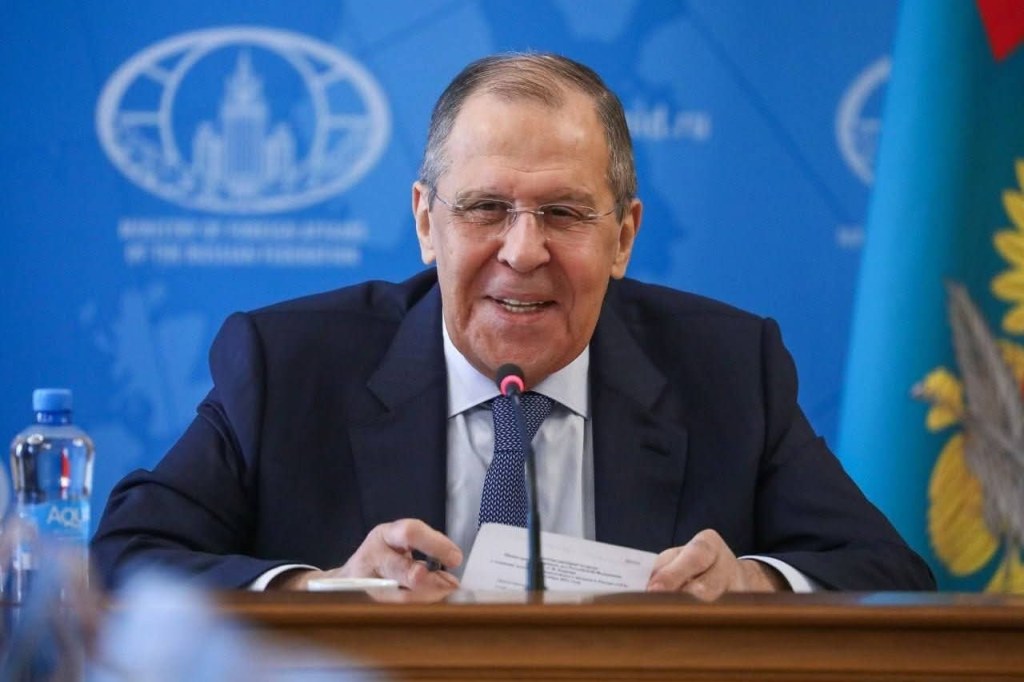
Russian foreign minister says Moscow and Beijing’s strategic partnership remains a stabilising force in global affairs as the two countries mark key diplomatic anniversaries. Russian Foreign Minister Sergey Lavrov has hailed the enduring partnership between Russia and China in a message to participants of the 11th International Conference, Russia and China: Cooperation in a New… Continue reading
AI and Digital Control, America, China, economics, Energy, EUROPE, Financial markets, Foreign Policy, Geopolitics, iran, israel, middle east, Mineral Resources, NATO, politics, reserve currency, Russia, satellites, war#SCO, Beijing, Bilateral Relations, BRICS, China, Chinese Academy of Social Sciences, diplomacy, Education Cooperation, Eurasia, Eurasian Security, Foreign Policy, G20, Geopolitics, Global Affairs, global governance, International Conference, international relations, moscow, multipolar world, Russia, Russia-China relations, Russia-China Treaty, Russian Foreign Ministry, Russian International Affairs Council, sergey lavrov, Shanghai Cooperation Organisation, Strategic Partnership, United Nations, vladimir putin, Xi Jinping -
Subordinate or Destroy: The Actual Logic Behind Washington’s Wars Against Russia, Iran, and China
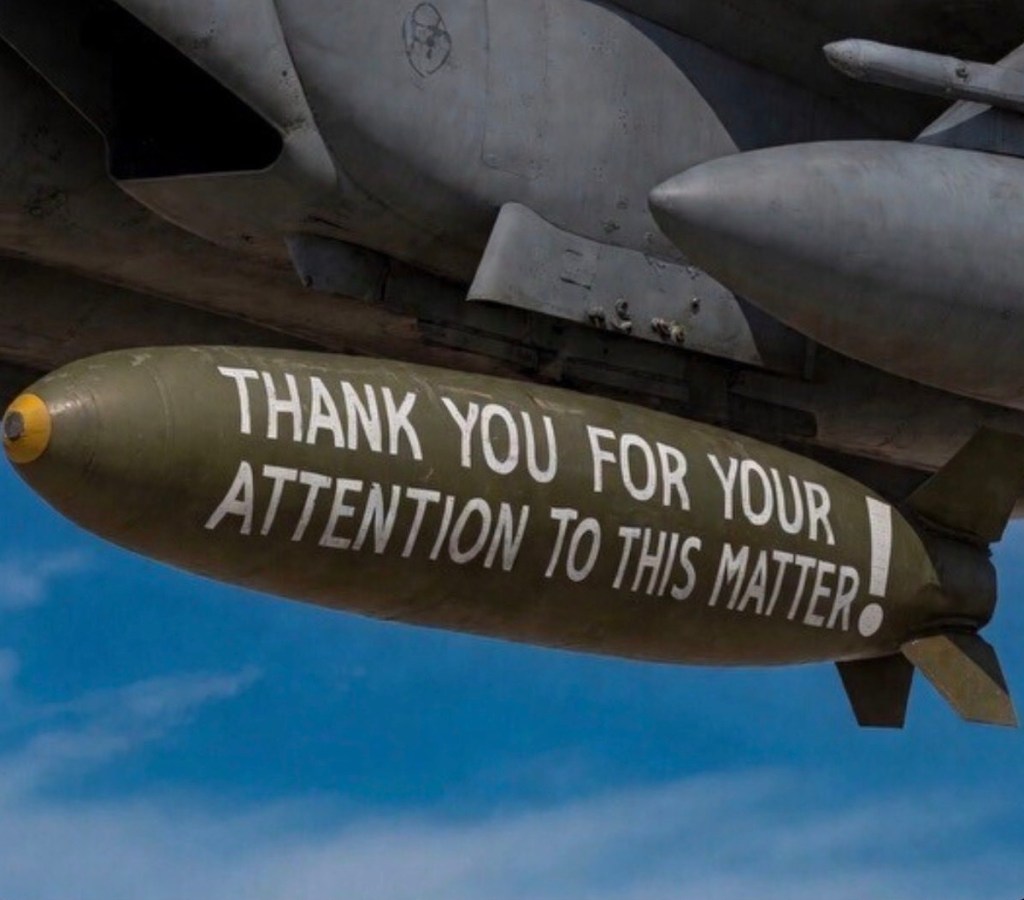
Mackinder’s Revenge: How a Century-Old Theory of Global Domination Is Driving Three Wars Simultaneously An Editorial Analysis | May 2026 The wars currently consuming Ukraine, Iran, and the broader Middle East are treated in Western media as three distinct conflicts with separate causes, separate actors, and separate diplomatic remedies. That framing is analytically convenient but… Continue reading
