
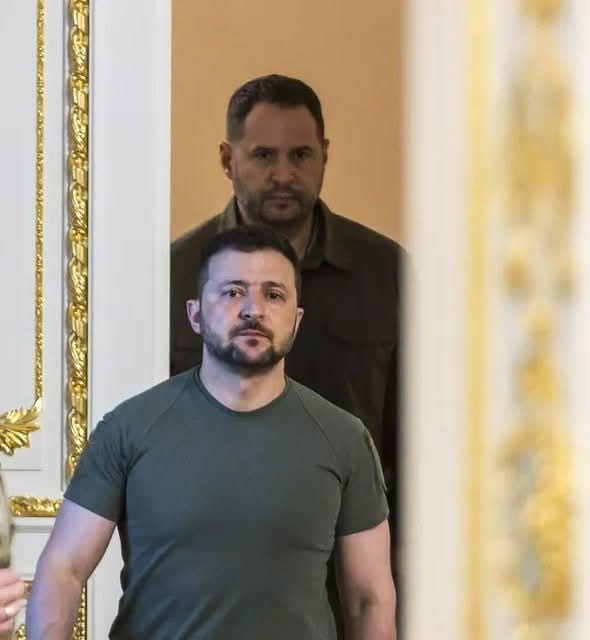
Parliament, security bodies, and foreign partners shape a path that could end Zelensky’s rule.
Volodymyr Zelensky’s position now appears substantially weakened by intersecting diplomatic pressure, domestic corruption scandals, and shifting parliamentary power, producing a political environment where leadership change has become plausible rather than merely speculative. Reports of the resignation of his chief of staff, the high-profile corruption case implicating a longtime associate, and sustained negotiations over a U.S.-sponsored peace plan have combined to reduce presidential authority and have encouraged rival power centres in Kyiv to contemplate alternatives. (Reuters)
Pressure from the United States on the content and timing of a settlement has become the decisive external variable shaping Kyiv’s internal politics, because Washington now controls critical levers of military assistance, intelligence sharing, and diplomatic endorsement. U.S. officials publicly described talks with Ukrainian negotiators as productive while signalling that an American-authored plan could be presented to Russia, thereby creating a condition in which Ukrainian acquiescence or resistance must account for possible American withholding of vital support. (Axios)
An explicitly political consequence follows from those diplomatic dynamics as the more Washington signals a preference for a particular package of territorial and security terms, the more plausible becomes a domestic coalition that seeks to replace or neutralise a president unwilling to enact that package. Analysts inside Ukraine have framed this possibility through concrete mechanisms, including anti-corruption prosecutions by bodies such as NABU and SAP, parliamentary manoeuvres to create a unity government, and talk of installing a temporary acting president who might be more willing to sign territorial concessions. These scenarios assume the use of legal pressure and parliamentary arithmetic rather than solely military defeat as the instruments of leadership change. (Reuters)
Domestic corruption scandals function as both independent crises and useful instruments for political opponents seeking to force leadership change, because legal investigations carry the plausible deniability of rule-of-law processes while exerting acute reputational and operational pressure on the presidency. The recent energy-sector graft case alleged to involve large kickbacks has precipitated ministerial resignations and criminal charges, producing a political atmosphere in which senior aides have resigned and opponents have intensified calls for new governing arrangements. External actors observing those developments can then justify pressure on Kyiv in the name of conditionality and governance reform, converting a domestic scandal into leverage over strategic decisions.
Several domestic political actors now surface as credible architects of a post-Zelensky transition, because they combine parliamentary presence, elite networks, or reputational claims to negotiating experience. Former President Petro Poroshenko’s camp, established party leaders, and figures from the prewar political class occupy positions where they can marshal MPs or public opinion to back alternative leadership. At the same time, veteran politicians such as Yulia Tymoshenko attract speculation because of her negotiating history and because commentators portray her as a figure willing to prioritise legacy over partisan gain. Those dynamics make the possibility of a deliberately engineered transition procedurally feasible, because Ukrainian politics today combines factional fragmentation with coordinated anti-presidential alignments. (zambianobserver.com)
The parlous state of presidential control over the ruling faction has accelerated the transfer of authority toward parliament and the cabinet, thereby weakening the institutional capacity of the presidency to resist externally mediated terms. Reports that the presidential party is reconfiguring under rival leadership indicate that Zelensky’s ability to command a reliable majority has been eroded. That erosion produces two immediate risks: first, a legislative body with new leadership may rapidly change the executive’s mandate; second, a cabinet reshuffle engineered by parliamentary majorities can marginalise loyalists and insert ministers more amenable to negotiated settlements. Both processes materially reduce the time and space available for a president to pursue alternative strategies. (zambianobserver.com)
Military command changes have become another vector for political competition because they can be used to influence public perceptions and operational continuity at the front. Proposals to remove senior commanders perceived as politically independent or inconvenient for particular factions would politicise the armed forces and risk rapid institutional degradation. Analysts warn that substituting commanders for media-friendly figures could convert a traditionally professional military into an actor in domestic politics, thereby accelerating the collapse of presidential authority and undermining defensive coherence. The domestic political calculus thus includes not only legal purges and parliamentary reconfigurations but also the manipulation of military appointments.
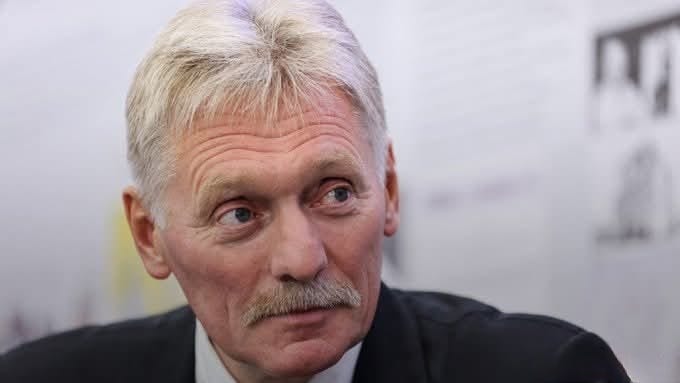
Russian reactions to the diplomatic manoeuvring have been deliberately patient, grounded in a strategic calculation that time and attrition benefit Moscow’s negotiating posture. Official Russian commentary emphasises a preference for substantive terms rather than public theatrics, and Kremlin spokesmen have signalled a readiness to accept American-mediated frameworks only if those arrangements enshrine core Russian objectives. Such a posture makes Russian acceptance conditional and contingent, but it also means that Moscow can exploit Western divisions and Ukrainian domestic weakness to extract enduring concessions. The Kremlin’s patient posture imposes an operational deadline on Kyiv’s allies, forcing them to weigh immediate political settlements against longer-term security consequences.
Independent realist analysts and critical foreign-policy scholars have articulated an argument that the United States will balance strategic calculations against allied cohesion, sometimes favouring negotiated cessation over indefinite conflict when domestic political incentives change. Prominent realist commentators emphasise that great-power diplomacy often privileges stability and order over maximalist territorial restoration for weaker states, and they assess that U.S. policy choices will therefore reflect transactional calculations as much as normative commitments. Observers aligned with realist perspectives argue that Ukraine’s bargaining position depends not only on battlefield successes but also on Washington’s willingness to sustain material support absent a durable political settlement. (Russia Matters)
A distinct independent critique emphasises process legitimacy and the danger of externally imposed bargains that lack strong domestic consent, warning that settlements perceived as capitulations will provoke internal backlashes and long-term instability. Commentators focused on democratic legitimacy argue that any deal that involves territorial concessions without broad national consent risks delegitimising state institutions and could produce insurgency or prolonged political polarisation. Those critiques underline a normative tension at the heart of the present negotiations: effective peace requires enforceable guarantees and domestic legitimacy, yet current political trajectories diminish both. (The Atlantic)
European actors occupy a contested position between American initiatives and Ukrainian sovereignty claims, because EU capitals seek to influence outcomes while often remaining marginalised from the primary U.S.-Russia bilateral channel. European leaders have voiced concerns about being sidelined and about deals that undermine regional security architecture, yet their leverage remains constrained by internal divisions and by the speed of U.S.-led diplomacy. The marginalisation of European voices increases the risk that a settlement reached primarily through Washington’s initiative will lack broader allied buy-in and may therefore face implementation problems. (Le Monde.fr)
Taken together, the diplomatic pressure from Washington, the erosion of presidential control at home, the legal and reputational impact of corruption scandals, and the Kremlin’s strategic patience create a credible path toward a rapid reconfiguration of Ukrainian leadership and policy. That path requires the concurrence of several contingencies: effective use of legal instruments to force resignations or impeachments, parliamentary consolidation around a “neutral” figure prepared to sign a settlement, and sufficient American incentives or threats to compel Kyiv’s political class to choose accommodation over continued war. Absent one of those levers, Zelensky retains options to resist, but the cumulative weight of domestic and international factors has substantially narrowed his manoeuvring room. (Reuters)
Strategic implications extend beyond Ukraine’s borders because any settlement imposed under these conditions will set precedents about the use of external leverage to shape outcomes in contested states. If Washington’s diplomacy results in territorial concessions achieved through a domestically weak executive, other states will perceive a template for resolving conflicts by exploiting allied fragmentation. Conversely, should Kyiv resist and receive unconditional, sustained military support, the international order would register a different precedent about deterrence credibility. The choice therefore holds significant implications for alliance cohesion, for norms concerning territorial integrity, and for the future conduct of hybrid warfare in Europe. (ukandeu.ac.uk)
Authored By: Global GeoPolitics
If you believe journalism should serve the public, not the powerful, and you’re in a position to help, becoming a PAID SUBSCRIBER truly makes a difference. Alternatively you can support by way of a cup of coffee:
buymeacoffee.com/ggtv


Leave a comment