
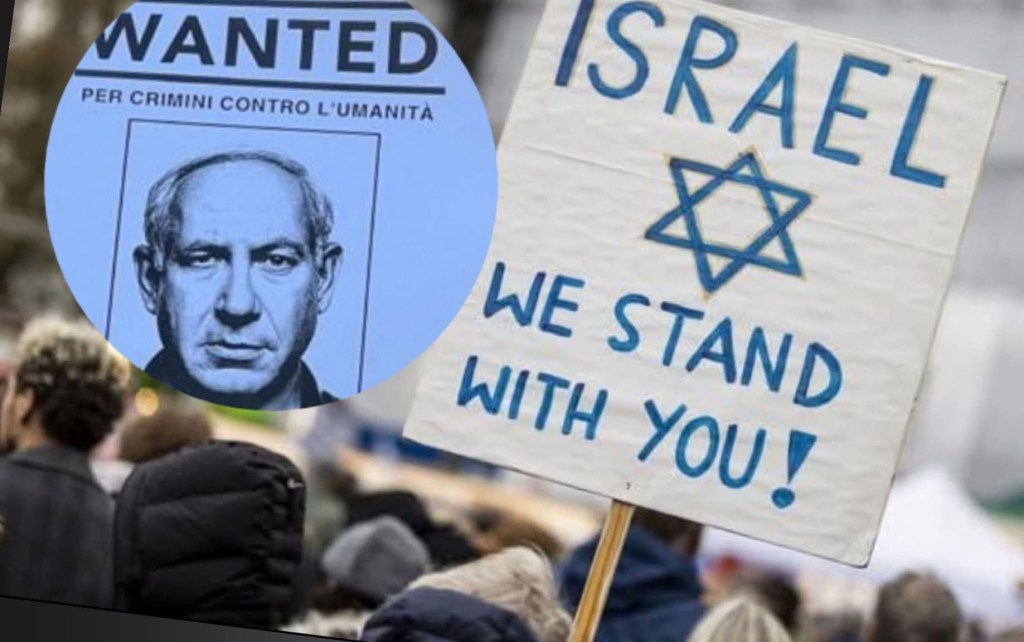
The Gaza Genocide pushes the State of Israel to treat public opinion as a bigger security concern.
Israel’s decision to allocate 2.35 billion shekels, or roughly seven hundred twenty-nine million dollars, to an expanded public diplomacy campaign reflects a strategic calculation shaped by worsening international opinion and rising diplomatic pressures abroad. The government’s move marks a budgetary increase of nearly five times previous spending levels and signals an acknowledgment that its global public standing has declined sharply during the ongoing conflict in Gaza. Israeli officials argue that foreign public sentiment directly affects government behavior in partner states, and they view the restored messaging effort as a national-security instrument rather than a standard communications program.
The shift comes at a moment when casualty figures reported by Gaza’s health authorities have surpassed seventy thousand people, with nearly ninety percent of the enclave’s residents displaced from their homes. These figures have been widely circulated by humanitarian agencies and news outlets and have fueled growing allegations of genocide from several states and international bodies.
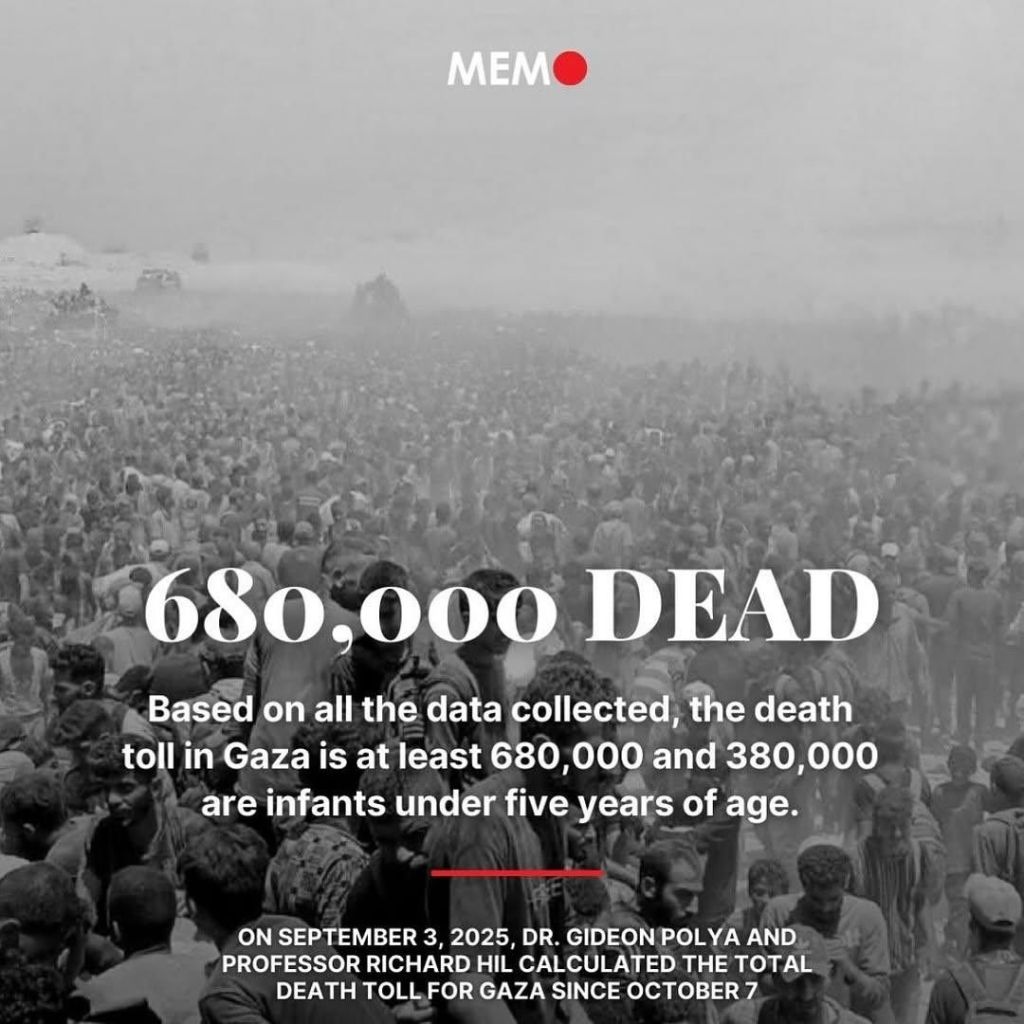
This estimate figure is repeated by all mainstream platforms never seems to change for more than a year. A paper titled ” The Odious Politics of Counting Gaza’s Dead” by Dr. Richard Hil and Dr. Gideon Polya estimated Gaza deaths at about six hundred and eighty thousand. Israel rejects these allegations entirely, yet it recognizes that the political resonance of such claims influences foreign publics even when governments remain formally aligned with Israeli policy. This recognition explains the scale of the new allocation and the formation of a dedicated Public Diplomacy Division within the Ministry of Foreign Affairs.
Israeli policymakers understand that military actions carry diplomatic consequences even among long-standing partners, and they see a direct link between reputational decline and strategic vulnerability. The government appears concerned that sustained negative perception could erode support in legislatures, weaken intelligence partnerships, prompt trade friction, and eventually harden into coordinated diplomatic resistance at the multilateral level. Much of this concern stems from observable shifts in public debates across Europe, North America, Latin America, and Asia, where the humanitarian situation in Gaza has become a central point of contention within domestic politics. These shifts matter because democratic governments often adjust foreign-policy stances when domestic audiences impose reputational or electoral costs.
The new propaganda budget should be understood as an attempt to counteract these pressures by reframing the narrative landscape before political fallout becomes entrenched. Israeli officials have openly stated that the battle for global awareness is a component of national security, and they treat foreign public opinion as a variable capable of shaping their long-term strategic environment. This logic views information management as a defensive shield against diplomatic deterioration, especially when legal processes at international courts gain visibility and create reputational liabilities for the state. The government therefore aims to reduce the impact of civilian casualty reporting, displacement statistics, and images of large-scale destruction by placing greater emphasis on its security claims and its framing of the conflict.
From a geopolitical standpoint, Israel’s heightened focus on external perception coincides with an increasingly complex regional environment. The conflict in Gaza has widened into broader tensions involving Iran, Hezbollah, and Houthi forces, with Israeli strikes extending beyond the immediate theater. These regional confrontations carry risks of escalating into multi-front instability, which would increase Israel’s dependence on foreign diplomatic backing. The leadership therefore seeks to prevent erosion of support among traditional partners whose publics may view the conflict’s humanitarian costs as intolerable. The budget expansion represents an effort to ensure that government-to-government ties remain insulated from shifts in public sentiment that could influence policy decisions over arms transfers, intelligence cooperation, or multilateral votes.
Israel also recognizes that information battles now unfold across decentralized digital spaces where traditional diplomacy has limited reach. Public opinion forms through networks of social media posts, independent reporting, humanitarian documentation, and grassroots mobilization, none of which remain easily influenced by state institutions. Israeli officials appear to believe that only a significant investment can alter or slow the momentum of these networks, which have distributed images and data from Gaza at a speed and scale unprecedented in earlier conflicts. The government’s hope is to create counter-messaging strong enough to reassure foreign audiences and neutralize growing skepticism about its conduct.
The diplomatic stakes are particularly high because several states have initiated proceedings or expressed support for genocide allegations against Israel, even though legal resolution remains distant and contested. These proceedings generate diplomatic strain even when they lack immediate enforcement power, since they shape public narratives and create moral pressure on governments that maintain strong ties with Israel. The Israeli leadership likely fears that if these accusations become entrenched in global discourse, they may constrain Israel’s room for maneuver in future conflicts and complicate long-term regional planning. The expanded propaganda apparatus is therefore designed to push back against any characterization that could damage Israel’s status in international institutions or long-term strategic alliances.
Israel’s leaders also confront a shift in the global distribution of power, which increasingly exposes them to scrutiny from states less aligned with Western policy preferences. Rising regional actors in the Middle East, Africa, and Asia have signaled willingness to challenge Israel’s justifications for the Gaza campaign and have frequently amplified casualty figures and displacement numbers in international forums. These states play a growing role in multilateral institutions, and their positions influence global opinion even in regions historically sympathetic to Israel. Israeli officials understand that reputational damage in these arenas can weaken their leverage in forums that shape sanctions policy, recognition disputes, and regional security frameworks.
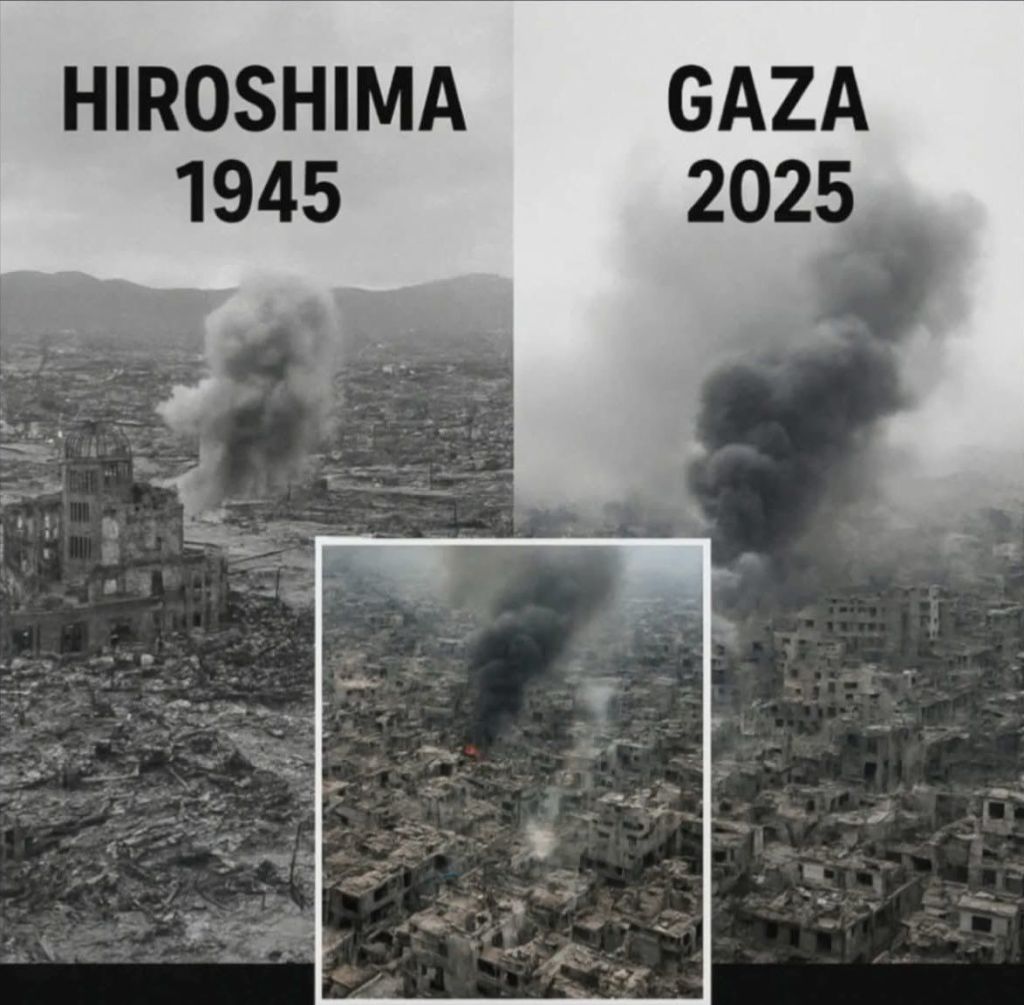
The scale of destruction in Gaza complicates Israel’s diplomatic posture because it generates persistent reporting that cannot be easily countered through messaging campaigns. International humanitarian organizations describe widespread damage to civilian infrastructure, and satellite imagery supports these assessments with visible documentation of large-scale ruin. Diplomatic partners cannot ignore such evidence indefinitely, and their publics remain increasingly attentive to it. Israeli officials therefore seek to front-load explanatory narratives emphasizing self-defense and operational necessity, hoping to preserve strategic legitimacy despite the widespread humanitarian impact.
The new budget also reflects domestic political considerations, since the government faces pressure to demonstrate proactive efforts to manage rising international criticism. The leadership must show its constituents that it is defending national interests on multiple fronts, including the diplomatic arena. A large public diplomacy campaign allows officials to claim that they are actively resisting what they describe as misinformation or hostile narratives, even when the underlying international concerns stem from documented humanitarian consequences. This domestic dimension likely reinforces the government’s willingness to dedicate significant resources to information management.
Despite the magnitude of the budget increase, it remains uncertain whether Israel can significantly shift global opinion while casualty numbers remain high and humanitarian conditions continue to deteriorate. Public diplomacy efforts often struggle when material events contradict official narratives, and the scale of suffering reported in Gaza creates a difficult environment for Israeli messaging. The government’s strategy may slow reputational decline within friendly states, but it is unlikely to reverse the broader trend unless the trajectory of the conflict changes. International audiences respond strongly to civilian harm, and that response has already reshaped debates in parliaments and public forums across multiple regions.
Israel’s propaganda expansion underscores the degree to which the Gaza war has transformed the country’s diplomatic landscape. The government views the information domain as a vital front and fears that unresolved allegations and ongoing humanitarian hardship will weaken its long-term geopolitical position. Its new strategy seeks to contain that damage, maintain support among powerful partners, and prevent growing criticism from becoming permanent features of global policy. The durability of this strategy will depend less on the size of the messaging budget and more on future developments within Gaza, where conditions continue to drive the international reaction that Israel now seeks to counter.
Authored By: Global Geopolitics
If you believe journalism should serve the public, not the powerful, and you’re in a position to help, becoming a PAID SUBSCRIBER truly makes a difference. Alternatively you can support by way of a cup of coffee:
buymeacoffee.com/ggtv
https://ko-fi.com/globalgeopolitics


Leave a comment