
Netanyahu
-
Why Pedro Sánchez’s speech named the three forces destroying international law, and why the silence that followed indicts everyone who clapped
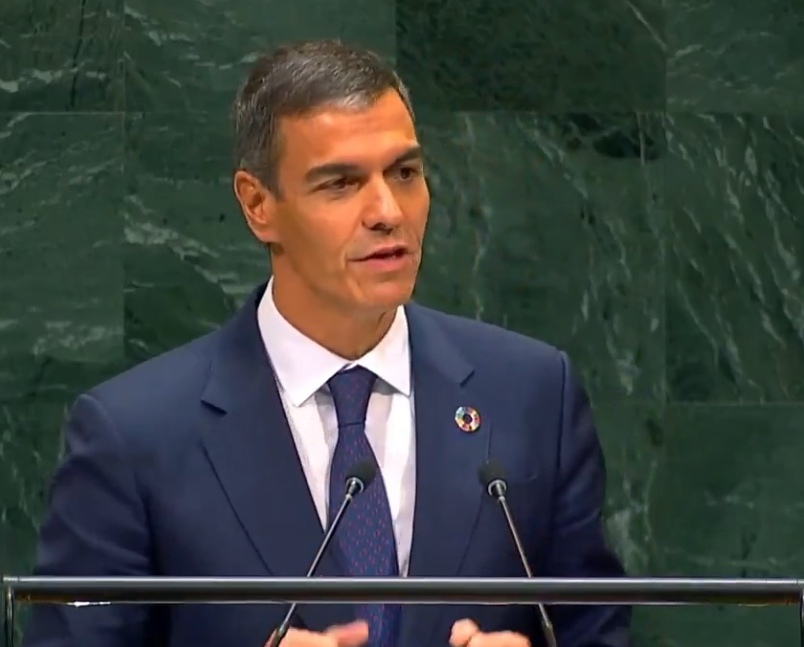
Why Pedro Sánchez’s speech named the three forces destroying international law, and why the silence that followed indicts everyone who clapped General Article | September 2026 Pedro Sánchez walked to the United Nations podium on Wednesday holding a small blue booklet, and he held it up so the hall could see it clearly, and the… Continue reading
-
The Boomerang of Impunity
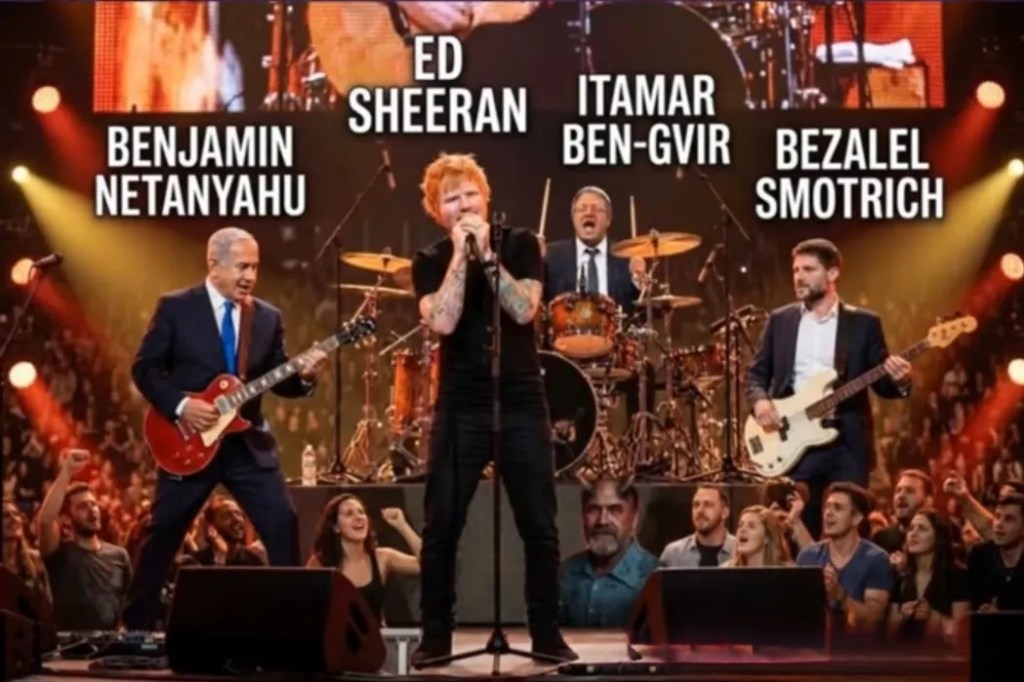
Netanyahu’s Citizenship Threat, the Collapse of Cultural Silence and the Accelerating Shift Against Israeli Power General Article | September 2026 Benjamin Netanyahu stated in a video address that he would advance two bills aimed at those causing “immense damage” to the Israel Defense Forces. The first would enable revocation of citizenship for anyone who defames… Continue reading
-
George Galloway Monologue: The UK is Now A Police State

George Galloway Monologue: No more Dixon of Dock Green For younger readers it is important to know that there was a time – in my lifetime- when the British Police were almost universally admired and respected. They were tall, men, in smart uniforms, collar and tie. If you were lost you were taught to ask… Continue reading
-
The Fractured Crescent
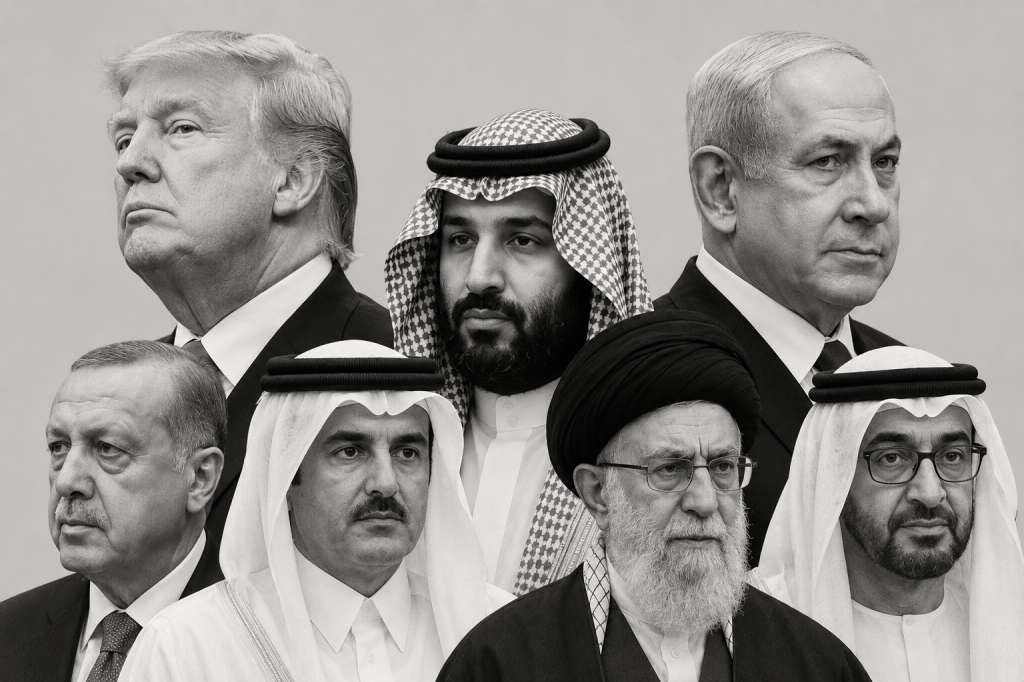
Power, Rivalry and Realignment in the Emerging Middle Eastern Order The Middle East enters another period of strategic transition as assumptions underpinning the regional order during the post-Cold War era face growing pressure from shifting power balances, changing economic realities, military confrontation, and the gradual erosion of uncontested American dominance. Public discussion frequently presents the… Continue reading
AI and Digital Control, America, China, economics, Energy, EUROPE, Financial markets, Foreign Policy, Geopolitics, Global Finance, iran, israel, Latin America, middle east, Mineral Resources, NATO, politics, reserve currency, Russia, South East Asia, warAbraham Accords, energy politics, Eurasia, Gaza War, Geopolitics, Geostrategy, great power competition, Gulf Cooperation Council, Gulf States, iran, israel, middle east, Mohammed bin Salman, Mohammed bin Zayed, multipolarity, Netanyahu, Political Rivalry, power transition, Qatar, Red Sea, regional power shift, Regional Realignment, Saudi Arabia, security architecture, Strait of Hormuz, Strategic Competition, Sudan conflict, Trump, Turkey, US foreign policy, West Asia, Yemen war -
US Reportedly Threatens Palestinian UN Envoy Over General Assembly Bid
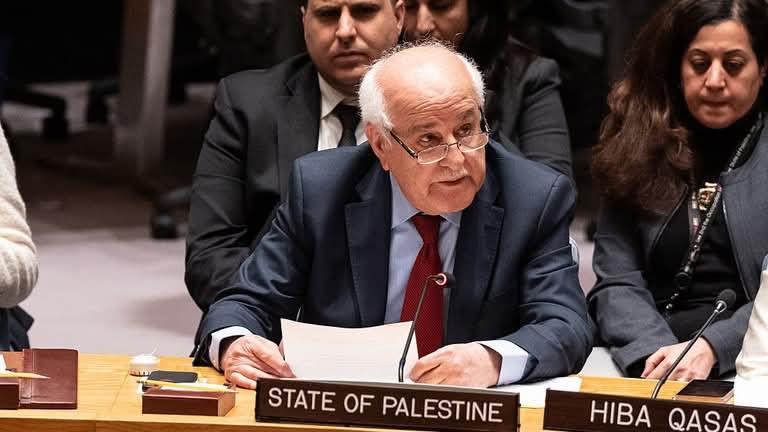
The confrontation underscores growing international support for Palestinian recognition despite repeated US vetoes at the Security Council. The United States has reportedly intensified pressure on Palestinian diplomats at the United Nations, warning that efforts to secure a senior General Assembly role could trigger punitive measures, including possible visa revocations for Palestinian representatives in New York.… Continue reading
-
Iran is Resisting the “Epstein”Digital Monetary Order
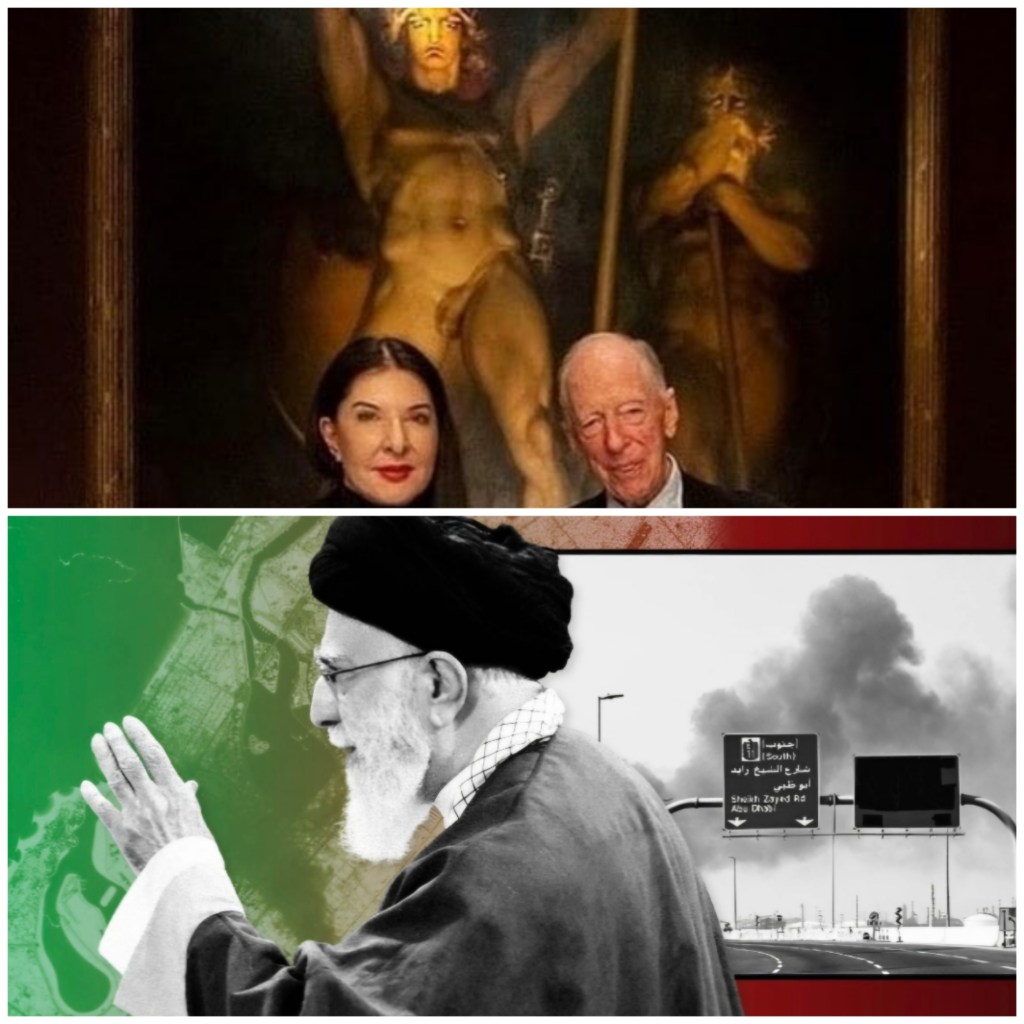
Iran’s monetary independence’s refusal to submit to digital monetary surveillance and centralised financial control tyranny as the underlying driver of the war The sustained pressure applied against Iran over recent decades reflects a structural conflict over monetary sovereignty rather than episodic disputes over security or ideology. Examination of intervention patterns since the late twentieth century… Continue reading
-
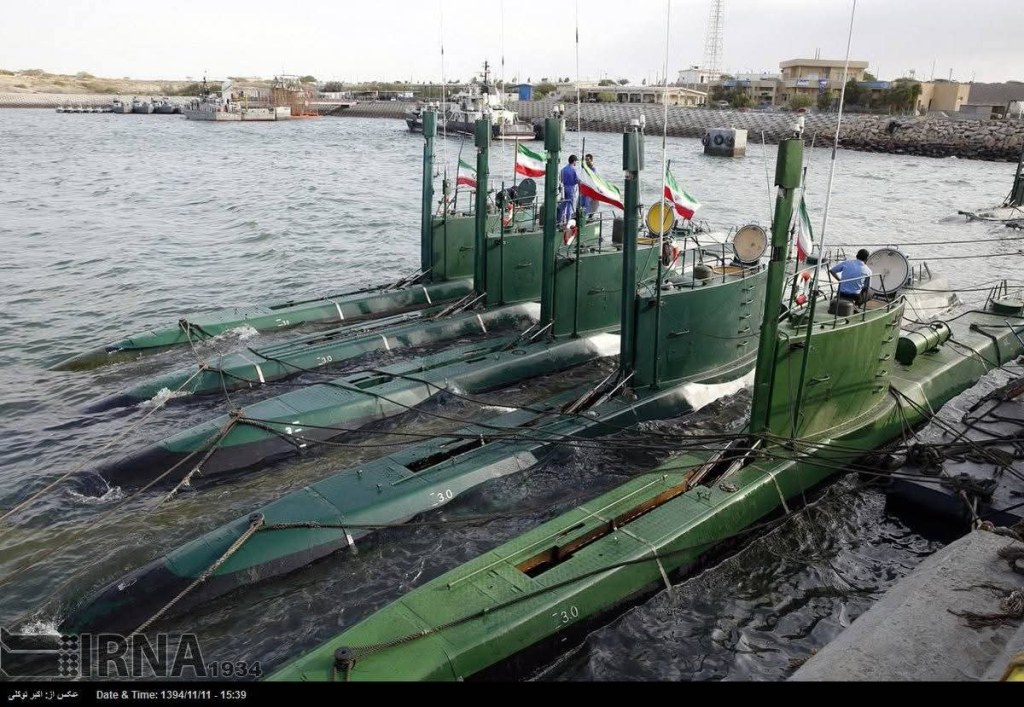
Iran’s Midget Submarines Form Quiet Backbone of Coastal Defence Small but numerous Ghadir-class submarine fleet highlights Tehran’s focus on asymmetric warfare in the Persian Gulf Iran’s navy has developed a range of unconventional tools over the years, but one of the least noticed is its fleet of small submarines known as the Ghadir-class submarine. These… Continue reading
AI and Digital Control, America, economics, Energy, Financial markets, Foreign Policy, Geopolitics, Global Finance, israel, middle east, Russia, warAbbas Araghchi, ballistic missiles, ceasefire, diplomacy, drone strikes, Geneva talks, iran, Iran nuclear program, Iranian Revolutionary Guard, israel, Middle East tensions, military conflict, Netanyahu, non-proliferation, nuclear negotiations, oil markets, proxy warfare, Red Sea, regime change, regional security, sanctions, Strait of Hormuz, Trump administration, U.S. military buildup, United States, USS Gerald R Ford, war escalation -
Negotiations or Non-Negotiations? Seven Visits, Zero Resolution
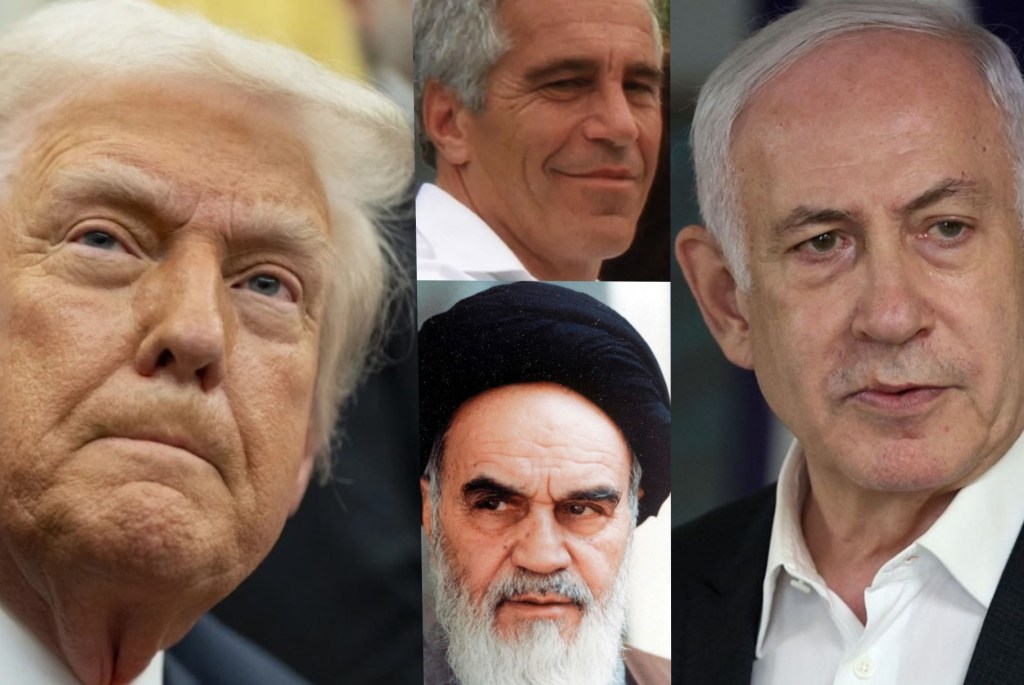
Netanyahu’s Washington Visits, Maximalist Demands, Domestic Vulnerabilities, Strategic Deadlock, and the Risk of Miscalculation on Iran Benjamin Netanyahu’s seventh visit to the White House within a twelve-month period takes place amid a dense convergence of military escalation, financial instability, and domestic political exposure within both the United States and Israel. Netanyahu arrives in Washington on… Continue reading
AI and Digital Control, America, Financial markets, Foreign Policy, Geopolitics, Global Finance, israel, Mineral Resources, NATO, politics, Russia, waralliance management, ballistic missiles, brinkmanship, deterrence theory, domestic political pressure, epstein files, financial instability, Foreign Policy, Game Theory, institutional trust, international security, Iran nuclear negotiations, maximalist demands, Middle East diplomacy, military escalation, Netanyahu, nuclear proliferation, proxy conflicts, strategic deadlock, US Israel relations, White House -
Trump’s Dilemma – Iran is not blinking

Balancing Oil, Markets, and Military Strategy in the Face of Iranian Defiance President Trump faces a narrowing set of options over Iran as economic exposure, regional military realities, domestic political pressure, and an emerging credibility problem increasingly overlap. Alongside military and economic constraints, the sudden resurgence of the Epstein files across global media platforms has… Continue reading
-
The Board of Peace as a Turning Point in Global Governance
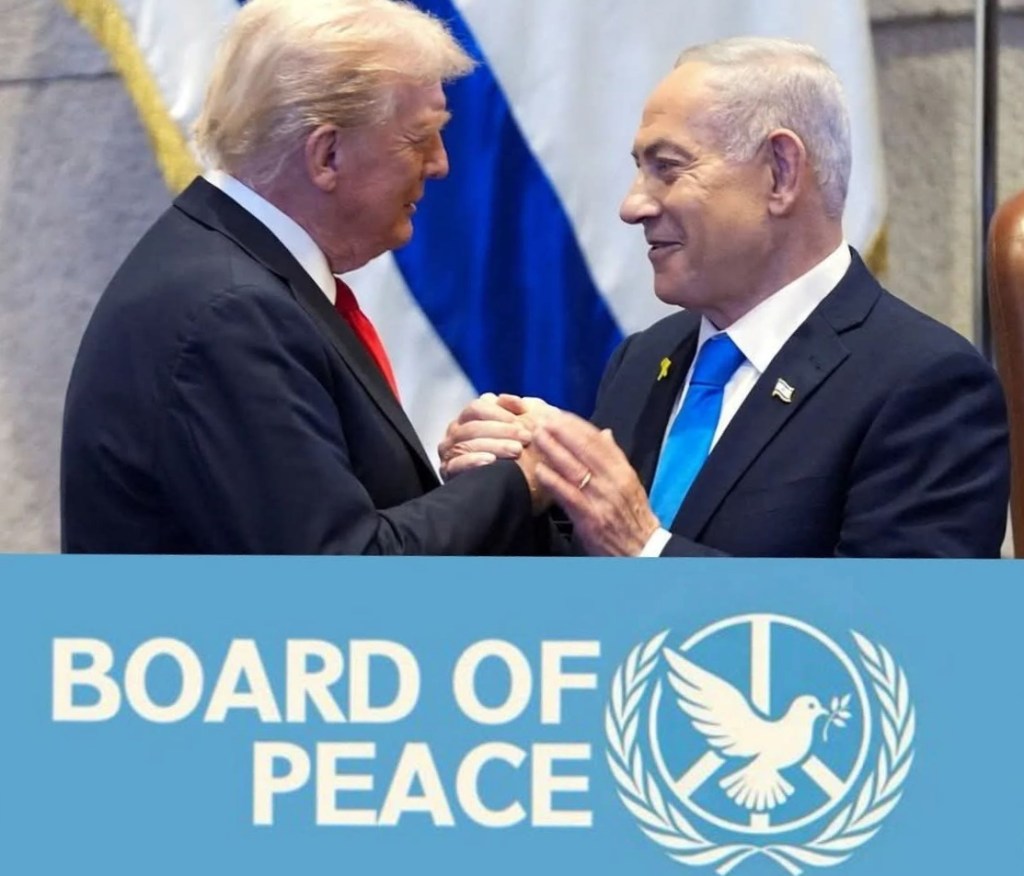
Institutional Self-Displacement at the United Nations: The Board of Peace as a Precedent for the Marginalisation of International Law and the Erosion of Collective Security The establishment of the Board of Peace represents a decisive institutional rupture in the post-1945 international order, because its legal form and political authority directly supersede the foundational role of… Continue reading
