
Reports say Hezbollah moved intact bomb components to Iranian labs
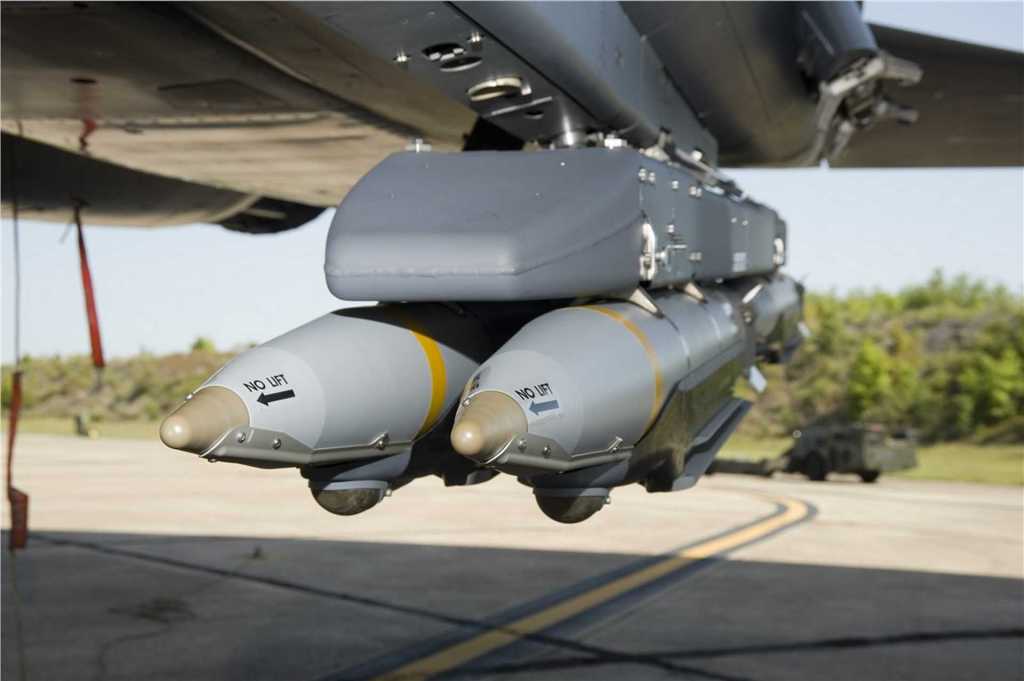
Reports from Al-Masirah and Press TV claim Hezbollah recovered unexploded components from U.S. GBU-39B glide bombs used in recent Israeli strikes inside Lebanon. The outlets say several bombs failed on impact and left intact sections that Hezbollah units gathered before transferring them to Iranian research facilities under controlled transport routes. Iranian defense engineers are reportedly examining the bomb’s guidance hardware, structural composition, and penetration features to determine how its technology can be folded into domestic weapons programs. The reports state that Tehran intends to apply these findings to the Fattah hypersonic system, which Iran claims can evade regional air defenses through speed, altitude, and irregular maneuvering.

The GBU-39B is a compact guided munition designed for precision strikes against hardened targets, and its small airframe permits multiple units to be carried on a single aircraft. Its wing kit extends stand-off distance and shapes an approach path intended to reduce exposure to short-range air defense systems. The Fattah missile is presented by Iran as a platform capable of sustained hypersonic travel and sharp terminal shifts that challenge interception even for advanced regional defenses. Analysts say combining American penetration methods with an Iranian hypersonic carrier could produce a new warhead class with higher reliability against fortified infrastructure.
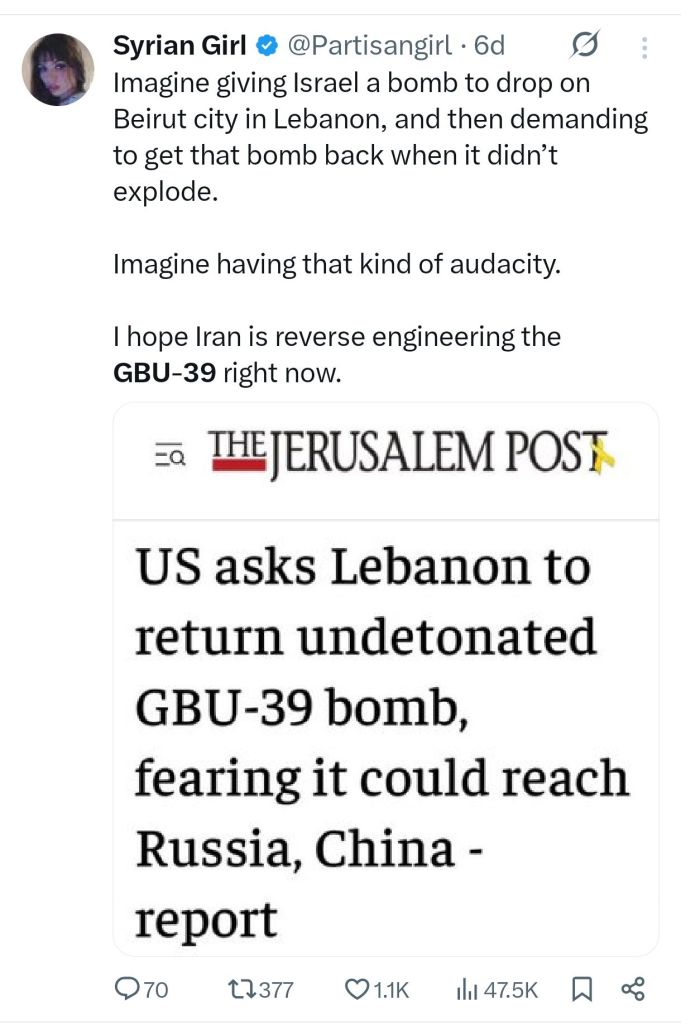
Geopolitically, the reported transfer would mark another step in a long pattern of Iranian acquisition and adaptation of Western military technology, which has steadily narrowed the qualitative gap between Iran and its regional opponents. Successful exploitation of this bomb could strengthen Iran’s deep-strike capability against hardened Israeli command sites, which would adjust regional threat calculations and complicate Israeli preemption planning. It could also raise concerns in Gulf states that rely on U.S. security guarantees, because improved Iranian missile accuracy would pressure existing air defense networks that are already stretched by drone and cruise-missile threats. The incident would further highlight weaknesses in Israeli ordnance reliability, which carries political implications for Israel’s deterrence posture during a period of heightened regional confrontation. It would also give Iran a symbolic victory showing that Western technology used in regional conflicts can be captured, studied, and repurposed for Iranian strategic programs. Observers note that such an outcome would deepen the arms escalation cycle and push regional actors toward more preemptive planning, which increases the chance of miscalculation during periods of heightened tension.
Authored By: Global Geopolitics
If you believe journalism should serve the public, not the powerful, and you’re in a position to help, becoming a PAID SUBSCRIBER truly makes a difference. Alternatively you can support by way of a cup of coffee:
buymeacoffee.com/ggtv
https://ko-fi.com/globalgeopolitics


Leave a comment