
iran
-
The Masterstroke – Iran’s President Went Straight to the Empire’s Scriptwriters
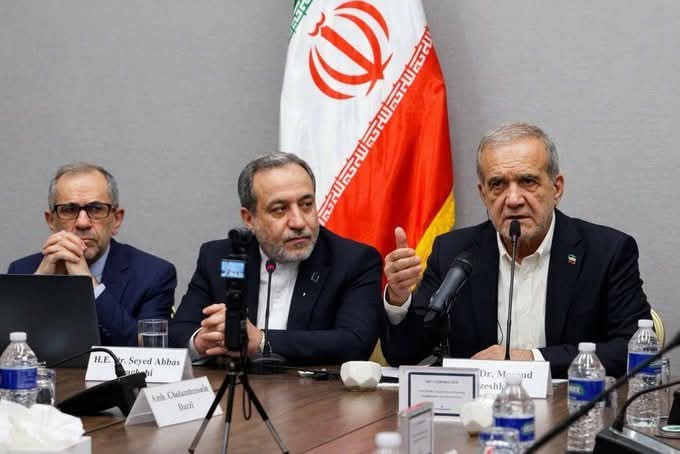
Why meeting the think tanks that predicted Iran’s collapse is an act of intellectual warfare that targets the narrative machinery of American primacy General Article | September 2026 The encounter between Pezeshkian and the think tanks constitutes intellectual warfare rather than conventional diplomacy because it targets the institutions that write the briefing papers, draft the… Continue reading
-
The Kingdom That Cannot Sell Its Oil: How Yemen and Iran Have Trapped Saudi Arabia
Riyadh’s export lifelines are severed, its allies are wavering, and its American patron has no spare capacity to save it Editorial Analysis | September 2026 The suspension of all crude oil loadings from the Red Sea port of Yanbu represents the most severe disruption to Saudi Arabia’s oil export capacity since the kingdom began exporting… Continue reading
-
The Brookings Repertoire and the Manufacture of the Iran War
An independent analysis of the strategic repertoire that produced the 2026 Iran war, the institutional networks that sustained it across seventeen years, and the material contradictions that now threaten its architects Editorial Analysis | September 2026 Crafting a durable policy toward the Islamic Republic of Iran has confounded every American administration since the revolution of… Continue reading
AI and Digital Control, America, Energy, EUROPE, Financial markets, Foreign Policy, Geopolitics, Global Finance, Health, Immunisation, imperialism, iran, israel, middle east, Mineral Resources, NATO, neocolonialism, politics, reserve currency, Russia, warAmerican decline, Brookings Institution, civilian casualties, class analysis, defence contractors, diplomatic trap, hegemonic overstretch, institutional continuity, iran, Iranian Jews, munitions depletion, National Endowment for Democracy, regime change, think tanks, United States, USS Harry S. Truman, Which Path to Persia, Yemen -
Order Out of Chaos: The Architecture of Permanent Conflict

An independent analysis of the post-9/11 order, its institutional drivers, and the material consequences of hegemonic overreach Editorial Analysis | September 2026 The comment that Benjamin Netanyahu made on the evening of 11 September 2001, when asked by the New York Times what the attacks meant for relations between the United States and Israel, has… Continue reading
-
Trump Declines Direct Strikes as Houthis Tighten Hold on the Red Sea
Public reassurances in Dublin contrast with CENTCOM coordination in Riyadh and the shutdown of Saudi Arabia’s East-West pipeline after the fall of Mokha General Article | September 2026 President Donald Trump, speaking to reporters in Dublin on 12 September after meeting Irish leaders, stated that the Houthis had contacted the United States and did not… Continue reading
-
Yemen’s Ansarallah “aka Houthi’s” Take Mokha

The fall of Yemen’s last major western port brings Houthi forces within striking distance of the Bab el-Mandeb and exposes the limits of Saudi and American air power General Article | September 2026 Saudi Arabia poked a beehive. Yemeni forces aligned with Ansarallah have taken the Red Sea port city of Mokha and its airport,… Continue reading
-
The Unit Settlement Instrument and the Material Limits of Multipolar Finance

The BRICS+ pilot of a gold-and-currency basket digital settlement token represents a significant technical experiment in parallel financial infrastructure, yet its trajectory remains constrained by the same capitalist contradictions that produced the dollar-centric order it seeks to circumvent. Editorial Analysis | September 2026 The Unit settlement instrument emerged from a specific historical conjuncture that fundamentally… Continue reading
AI and Digital Control, America, bond market, China, economics, Energy, EUROPE, Financial markets, Foreign Policy, Geopolitics, Global Finance, imperialism, iran, japan, middle east, Mineral Resources, NATO, neocolonialism, politics, reserve currency, warBelt and Road Initiative, Bishkek Declaration, BRICS, de-dollarisation, digital currency, Eurasian connectivity, financial sanctions, gold, Historical Materialism, hybrid warfare, international monetary system, International North–South Transportation Corridor, iran, Michael Hudson, multipolarity, national currencies, New Development Bank, SCO Development Bank, Sergey Glazyev, Shanghai Cooperation Organisation, Unit -
Building Parallel Architecture Against Weaponised Finance
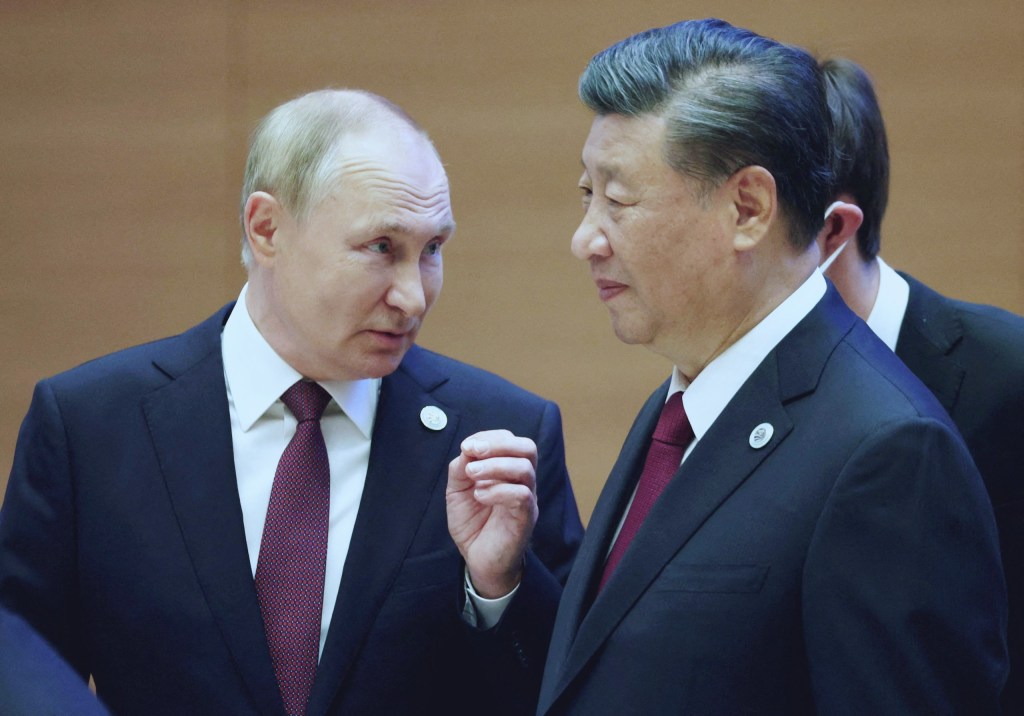
The Bishkek Summit and the Practical Contours of Eurasian Multipolar Construction Editorial Analysis | September 2026 The twenty-fifth summit of the Shanghai Cooperation Organisation held in Bishkek generated less theatrical display than the preceding gathering in Tianjin yet advanced several concrete institutional steps that clarify the organisation’s evolving role. Member states adopted a final declaration… Continue reading
-
China Gives Its Inland Factories a Direct Route to Southeast Asia
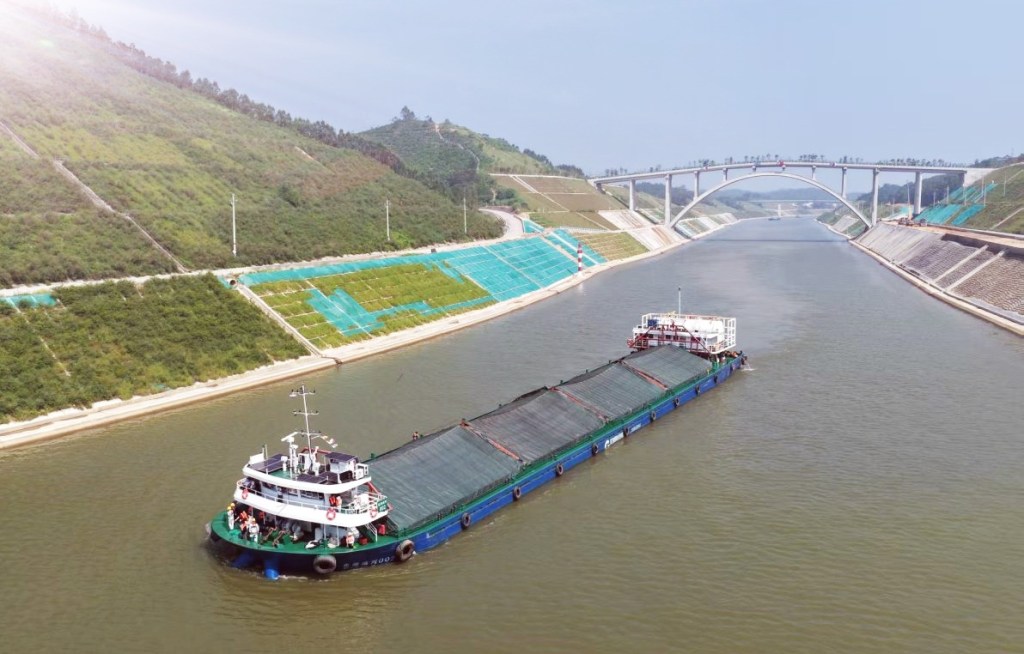
New Trade Route Linking China’s Inland Factories to Southeast Asia Later this month, cargo ships are expected to begin using a new and shorter route from China’s industrial southwest to the sea. The 134-kilometre Pinglu Canal connects Nanning and the inland river network of Guangxi to the Gulf of Tonkin. The canal has been built… Continue reading
-
The Bishkek Declaration and the Architecture of Imperial Continuity
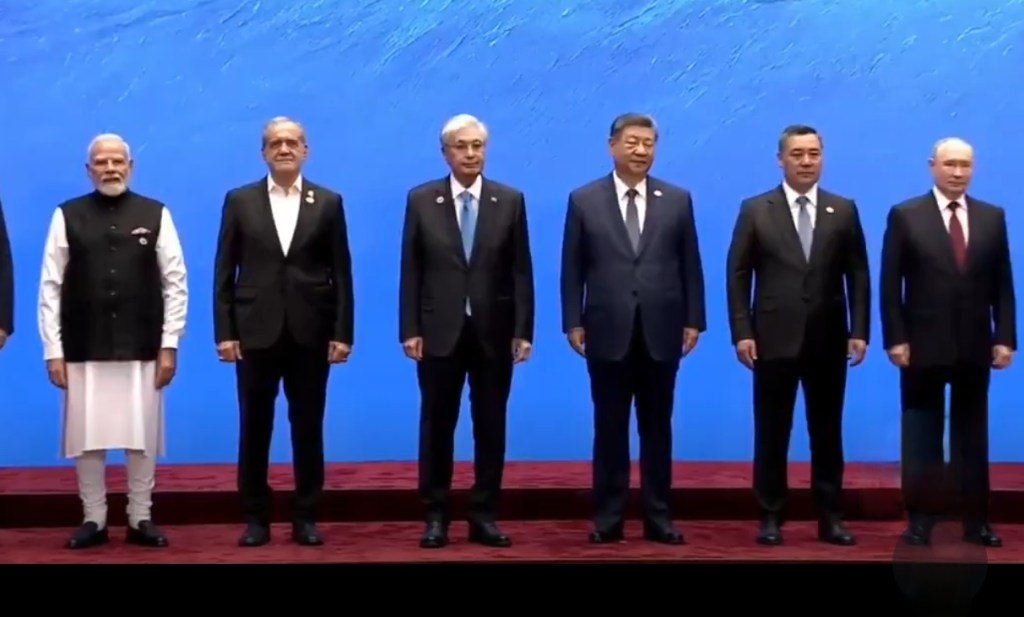
The Shanghai Cooperation Organisation’s unanimous condemnation of the American-Israeli attack on Iran signals more than diplomatic posturing; it exposes the deepening structural contradictions within a unipolar order that can no longer enforce its will without provoking collective resistance. Editorial Analysis | September 2026 The Shanghai Cooperation Organisation’s Bishkek Declaration, adopted on 1 September 2026, represents… Continue reading
