
Why Hamas Control in Gaza Endures Despite Military Destruction
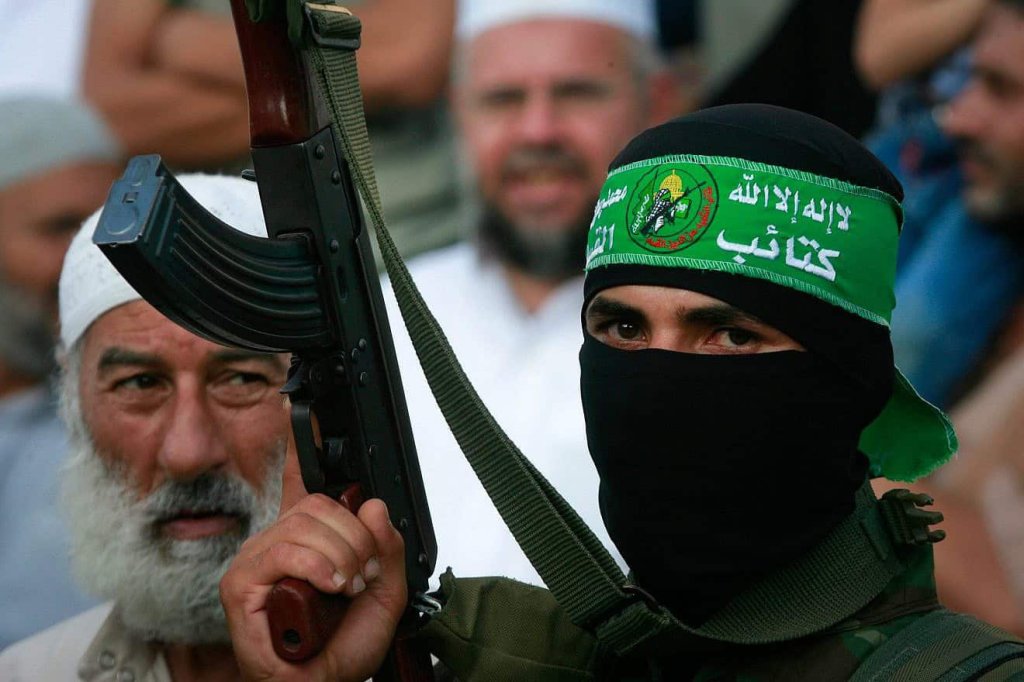
Israeli public admissions now confirm what conditions inside Gaza have shown for months. Hamas remains the dominant governing force despite two years of sustained military pressure and widespread physical destruction. The organisation has suffered losses, yet its political and administrative structures continue to function and are steadily re-emerging in areas vacated by Israeli forces. An estimated 20,000 fighters remain including the vast tunnel network (over 50% intact) provides refuge. Hamas still runs the central government organs. This reality undermines claims that the war eliminated Hamas as a governing authority.
Israeli withdrawals from neighbourhoods across northern and central Gaza created immediate security vacuums. In those spaces, Hamas civilian police forces have resumed visible street presence, regulating movement, preventing looting, and controlling access to humanitarian aid convoys. Gaza residents interviewed by regional reporters describe routine enforcement activity and dispute resolution conducted by Hamas-affiliated personnel. These observations align with Israeli military assessments that note the rapid reappearance of order once active Israeli operations subside.
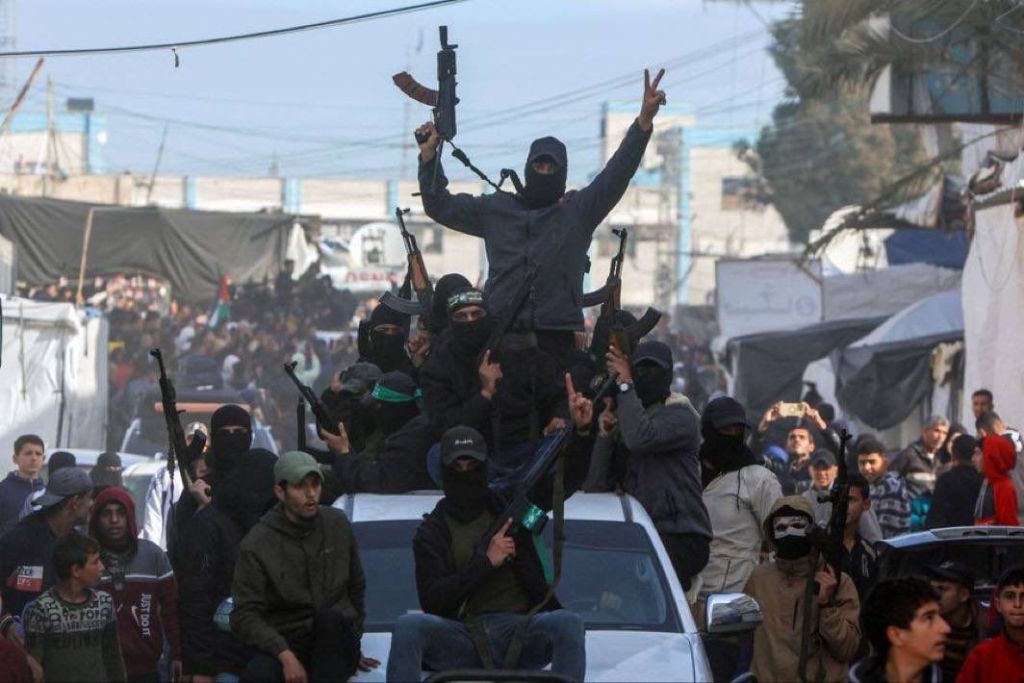
Militarily, Hamas has been degraded but not dismantled. Israeli intelligence estimates indicate that roughly twenty thousand fighters remain active, supported by a command structure that has adapted rather than collapsed. The tunnel network beneath Gaza, a central feature of Hamas operations, remains significantly intact, with more than half assessed as still functional. These tunnels continue to provide shelter, mobility, and logistical continuity, allowing leadership and fighters to avoid decisive engagement while preserving long-term capacity.
Hamas continues to operate core civilian administration functions, including internal security coordination, civil dispute management, and aid oversight. The movement has filled governance gaps not because of popular enthusiasm alone, but because no alternative authority has demonstrated the ability to impose order or administer daily life. Palestinian civil society organisations, international aid workers, and regional analysts consistently report that humanitarian operations remain contingent on coordination with Hamas-linked administrative structures, whether acknowledged publicly or not.
Senior Hamas officials have made their political position explicit. Husam Badran has stated that Hamas is willing to accept a technocratic administrative arrangement to manage Gaza, but only under clearly defined conditions. Those conditions include full Israeli withdrawal from the territory, a complete cessation of military activity, and movement toward a Palestinian state with East Jerusalem as its capital. Disarmament, according to Hamas leadership, is framed as part of a final political settlement rather than a precondition for governance. Without these elements, negotiations are described as meaningless.
This position directly conflicts with current United States-backed proposals that prioritise demilitarisation before political resolution. Those proposals assume Hamas can be administratively bypassed or replaced by externally supported governance mechanisms. However, as ceasefire periods extend, Hamas consolidates control rather than loses relevance. Each day without sustained combat enables the organisation to restore civilian administration and reinforce legitimacy through functional governance rather than ideology alone.
Former Israeli security officials have acknowledged these dynamics publicly. Shalom Ben Hanan, a former senior Shin Bet officer, stated that Hamas was severely damaged but not defeated and remains operational. He warned that a future confrontation could be more dangerous than the attacks of October seventh because Hamas has drawn lessons about decentralisation, survival, and long-duration conflict. These assessments reflect broader debates inside Israeli security circles about the limits of military force against deeply embedded non-state governance systems.
The situation exposes a recurring pattern in asymmetric warfare. Armed movements rooted in local social networks often regain authority once occupying forces withdraw, particularly where no credible replacement administration exists. Gaza presents an extreme case because prolonged blockade, repeated wars, and political fragmentation eliminated alternative power centres long before the current conflict. Military action damaged infrastructure but did not displace the social relationships that sustain political control.
Claims that Gaza can be reconstructed without Hamas involvement increasingly conflict with observable facts. Governance does not exist in abstraction, and functioning administration requires local enforcement capacity, networks of compliance, and the ability to distribute resources. In Gaza, Hamas continues to provide these elements, regardless of international preference. The failure to acknowledge this reality risks prolonging instability and setting conditions for future confrontation rather than resolution.
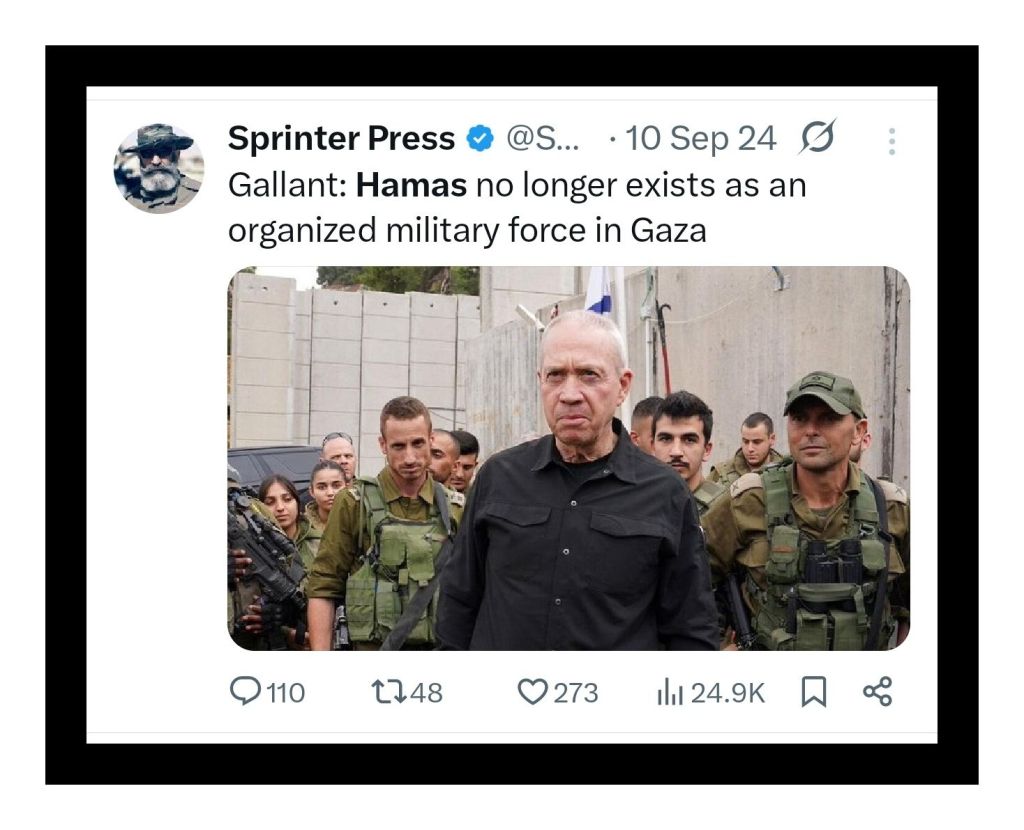
The central lesson emerging from Gaza is not ideological but structural. Military campaigns can suppress capability temporarily, yet they rarely dismantle movements that serve as both political authority and social organiser. Without addressing the political context that sustains such groups, efforts focused solely on destruction produce cycles rather than outcomes. Gaza now stands as a case study in the limits of force when power is rooted in social organisation rather than territory alone.
Authoured By: Global GeoPolitics
If you believe journalism should serve the public, not the powerful, and you’re in a position to help, becoming a PAID SUBSCRIBER truly makes a difference. Alternatively you can support by way of a cup of coffee:
buymeacoffee.com/ggtv


Leave a comment