
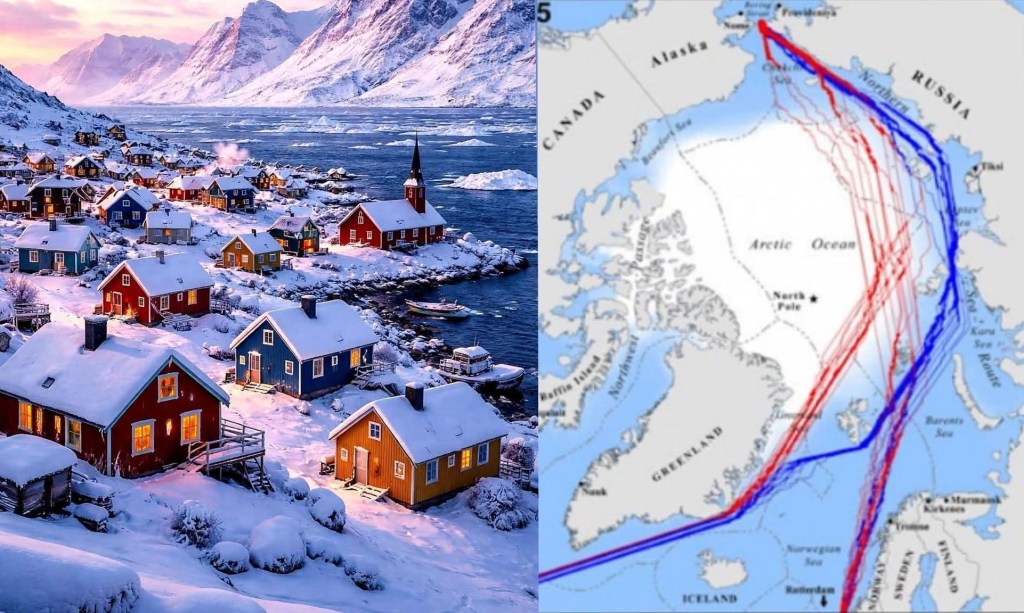
United States strategy to restrict Arctic, Eurasian, and Indo-Pacific trade routes
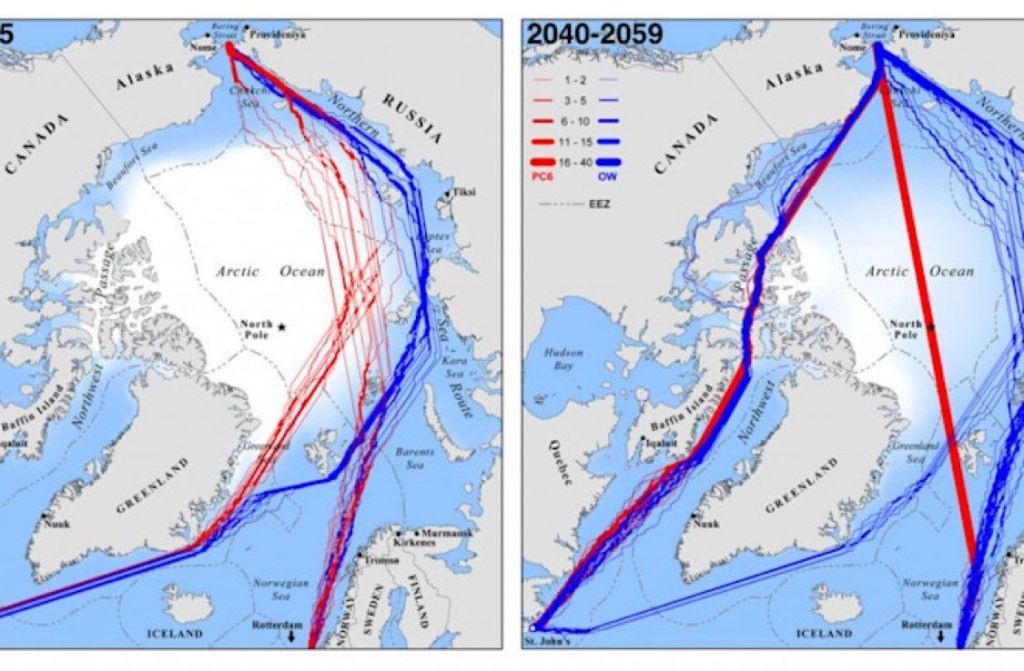
The continuing pursuit of Greenland by the United States forms part of a wider maritime and strategic programme aimed at constraining the physical movement, economic development, and long-term security options of both Russia and China. Greenland occupies a decisive position along the Arctic approaches and the Northern Sea Route, which Moscow and Beijing regard as a future commercial artery for energy exports and industrial trade beyond Western-controlled choke points. Control or denial of access in this region reduces the viability of Arctic shipping lanes that bypass the Atlantic and Indo-Pacific routes dominated by American naval power.
Independent Arctic scholars including Professor Mark Nuttall of the University of Alberta have documented how Greenland’s geographic position allows surveillance, interdiction, and logistical control over polar transit corridors, particularly as melting ice increases navigability. Studies published by the Arctic Institute have shown that Arctic militarisation correlates directly with efforts to restrict Russian commercial shipping rather than environmental protection or search and rescue concerns. These findings align with Russian Ministry of Transport data indicating that the Northern Sea Route handled record energy volumes before Western sanctions targeted insurers, ports, and shipping firms involved in Arctic trade.
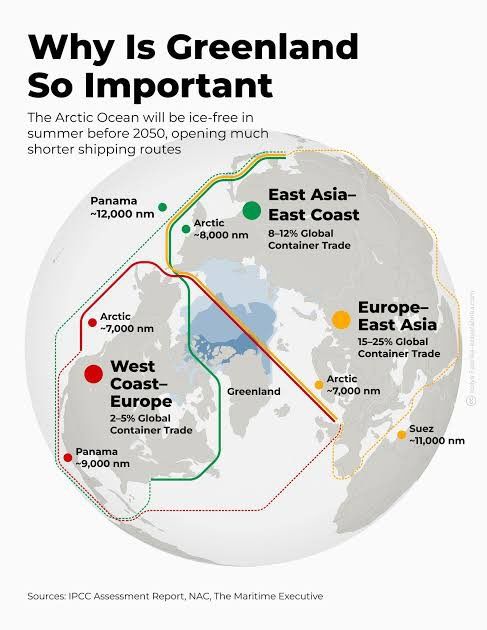
The Greenland strategy sits alongside a broader maritime pressure campaign already visible in the Persian Gulf, the eastern Mediterranean, and the Indo-Pacific. Independent maritime analyst Sal Mercogliano has described this as a sanctions-enforced naval blockade by administrative means, using port access rules, insurance denial, and secondary sanctions rather than declared warfare. Iranian oil exports have faced repeated interdictions under this model, while Russian tankers have been denied port services across Europe following United States Treasury directives. Chinese shipping companies have increasingly encountered regulatory barriers and inspections across allied ports, especially where energy cargoes intersect with sanctioned supply chains.
This approach extends beyond the Arctic. Israeli operations linked to influence over Somaliland have been analysed by regional experts such as Professor Alex de Waal as part of a contest for control over Red Sea transit routes. Dominance over ports near the Bab el-Mandeb allows leverage against Yemeni actors including the Houthis, while reinforcing Western security control over one of the world’s most critical energy corridors. Similar economic strangulation has affected Venezuela, where sanctions have reduced oil output and state revenues despite the absence of international legal authorisation.
The Greenland issue also reflects Washington’s division of labour within its alliance system. European governments have assumed growing responsibility for sustaining the proxy war in Ukraine, supplying manpower, finance, and weapons as Ukrainian forces suffer attrition. Analysts at the independent Valdai Discussion Club have noted that this arrangement preserves American distance from the battlefield while maintaining decisive command over intelligence, surveillance, and reconnaissance assets. A permanent United States military presence in Greenland would allow uninterrupted ISR operations supporting European forces without exposing American bases on the continent to direct retaliation.
Former United States intelligence officer Scott Ritter and military historian Lawrence Wilkerson have both argued that this posture indicates preparation for escalation rather than withdrawal. European proxies are positioned to absorb the immediate costs of conflict while American industry rebuilds capacity and stockpiles. This interpretation contradicts mainstream narratives of retrenchment and instead supports the view that American strategy seeks time, industrial scale, and technological advantage rather than negotiated settlement.
The same logic underpins American efforts across the so-called first island chain in East Asia. Pressure on Japan, South Korea, Taiwan, the Philippines, and Thailand has intensified through basing agreements, arms transfers, and integrated command structures. Independent Asian security analysts such as Professor Richard Tanter have documented how these arrangements reduce local autonomy while increasing exposure to conflict with China. Maritime chokepoints in the South China Sea and Taiwan Strait mirror Arctic and Red Sea strategies, relying on geographic control rather than open hostilities.
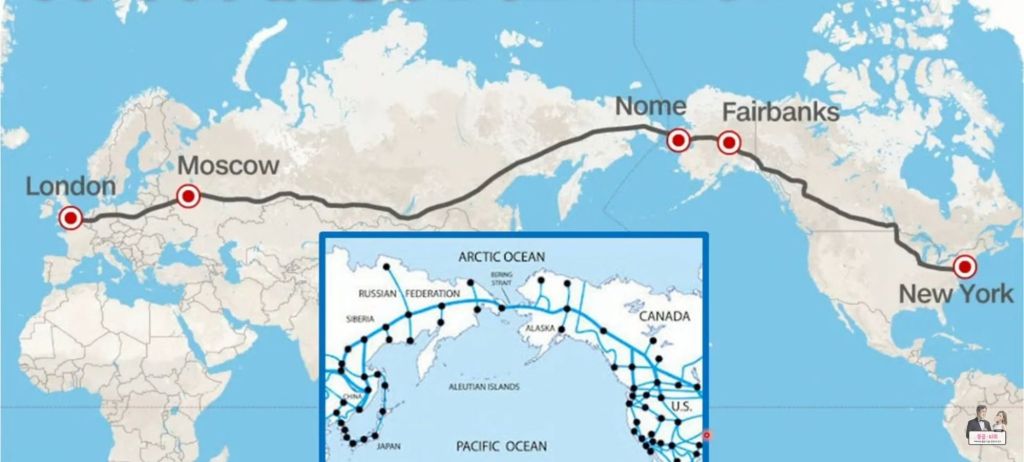
Moscow and Beijing have pursued coherent strategic responses to Western containment that blend geopolitical alignment with economic and transport network development. Russia’s “pivot to the East” strategy reorients the country’s foreign economic policy towards Asia, strengthening ties especially with China as a counterweight to European dependence and sanctions-induced isolation. As documented by independent analyses of Russian policy, the shift implies leveraging the vast resource and transport potential of the Eurasian landmass to reduce reliance on Western markets and sanctions pathways. Wikipedia Russian leadership has signalled increased investment in Arctic infrastructure and the Northern Sea Route precisely as a sovereign economic corridor that bypasses Western-controlled chokepoints, seeking deeper integration with Asian markets through port upgrades, icebreaker fleets and expanded merchant shipping capacity. Reuters Beijing has responded through its own initiatives such as the “Polar Silk Road” and broader connectivity plans focused on multilateral governance and economic cooperation in the Arctic rather than purely strategic confrontation, emphasising scientific research and sustainable trade corridors as a way to undermine the logic of containment. Springer Link These combined approaches aim to diminish the effectiveness of unilateral Western sanctions and naval pressure by creating alternative networks of energy export, trade routes, and infrastructure that are less vulnerable to blockades and administrative interdictions.
Tehran’s practical countermeasures have matured into a connective role between Eurasian trade circuits that deliberately reduce exposure to Western maritime and financial controls. Iran has consistently expanded economic cooperation with both Russia and China despite sanctions, embedding itself in corridor projects such as the International North-South Transport Corridor (INSTC) which links Russian northern ports to the Persian Gulf via Iran and the Caspian Sea. Independent research on evolving trade corridor competition notes that Iran’s geographic position not only provides alternative pathways for sanctioned states but also enhances its leverage in regional transport infrastructure. Foreign Policy Research Institute Iranian energy exports, increasingly purchased by China, have returned near pre-sanctions levels as Beijing selectively ignores American punitive measures, and Tehran remains willing to exert pressure on key chokepoints such as the Strait of Hormuz should existential threats rise, a factor highlighted by Middle Eastern strategic analysts. Vz.ru Military cooperation among Iran, Russia, and China, including joint naval exercises in the Gulf of Oman, further demonstrates integrated deterrence postures designed to project power in key maritime zones where Western navies seek dominance. AP News Together these actors are building interconnected economic and security responses that seek to dilute the impact of Western sanctions, disrupt unilateral maritime containment, and cultivate a multipolar system of trade and influence.
Underlying the US’s hegemonic moves lies a technological race framed explicitly by senior American figures. Former Google chief executive Eric Schmidt has publicly argued that artificial intelligence dominance will determine global order by the 2040s. Speaking at security forums and university lectures, Schmidt has claimed that the winner of this race will shape economic systems, military doctrines, and political norms irreversibly. Independent technology scholars such as Shoshana Zuboff have warned that this framing justifies aggressive foreign policy designed to delay rivals rather than foster cooperation.
United States think tanks including the Special Competitive Studies Project, chaired by Schmidt, promote policies that treat time itself as a strategic weapon. Prolonged conflicts, sanctions regimes, and proxy wars consume adversaries’ resources while American capital and research institutions consolidate advantage. Russian and Chinese analysts interpret Greenland, Arctic militarisation, and maritime blockades as deliberate distractions intended to slow their participation in advanced computing and industrial automation.
The human cost of this strategy remains largely unaddressed. Civilian populations in sanctioned states face energy shortages, inflation, and degraded healthcare systems. UN Special Rapporteurs have repeatedly stated that comprehensive sanctions violate international humanitarian principles, particularly when they target essential goods. Professor Alfred de Zayas, former UN Independent Expert, has described sanctions on Venezuela and Iran as collective punishment incompatible with the UN Charter.
Responsibility for these outcomes rests with political leadership that authorised and sustained these policies. Legal scholars such as Francis Boyle have argued that economic warfare causing mass civilian harm constitutes a crime against humanity under the Rome Statute. The precedent of the Nuremberg Trials established individual accountability for leaders who plan and execute policies leading to widespread suffering, even without formal declarations of war.
Justice for victims remains uncertain given the concentration of power held by two principal decision-makers at the apex of American and allied policy structures. Historical experience suggests accountability emerges only after power wanes. Nuremberg itself followed total military defeat and political collapse. Without similar shifts, legal redress appears unlikely within existing institutions.
Arguments for future tribunals rest on documented evidence rather than moral appeal. Sanctions data, mortality studies, and internal policy statements provide a factual record linking decisions to outcomes. Independent epidemiological research published in medical journals has correlated sanctions with excess deaths in targeted states. Maritime law experts have detailed violations of freedom of navigation principles through undeclared blockades.
Whether humanity at large will see justice depends on structural change rather than goodwill. Multipolar pressure, alternative legal forums, and historical memory may yet converge. The record being assembled suggests that future courts would find sufficient grounds to charge senior architects of these strategies with crimes against humanity, following the same legal reasoning applied at Nuremberg, grounded in planning, knowledge, and foreseeable harm rather than battlefield conduct alone.
Authored By: Global GeoPolitics
If you believe journalism should serve the public, not the powerful, and you’re in a position to help, becoming a PAID SUBSCRIBER truly makes a difference. Alternatively you can support by way of a cup of coffee:
buymeacoffee.com/ggtv
https://ko-fi.com/globalgeopolitics


Leave a reply to swimming49175c102e Cancel reply