
How narrowing timelines, deterrence, and political survival at a critical juncture increase the probability of kinetic outcomes
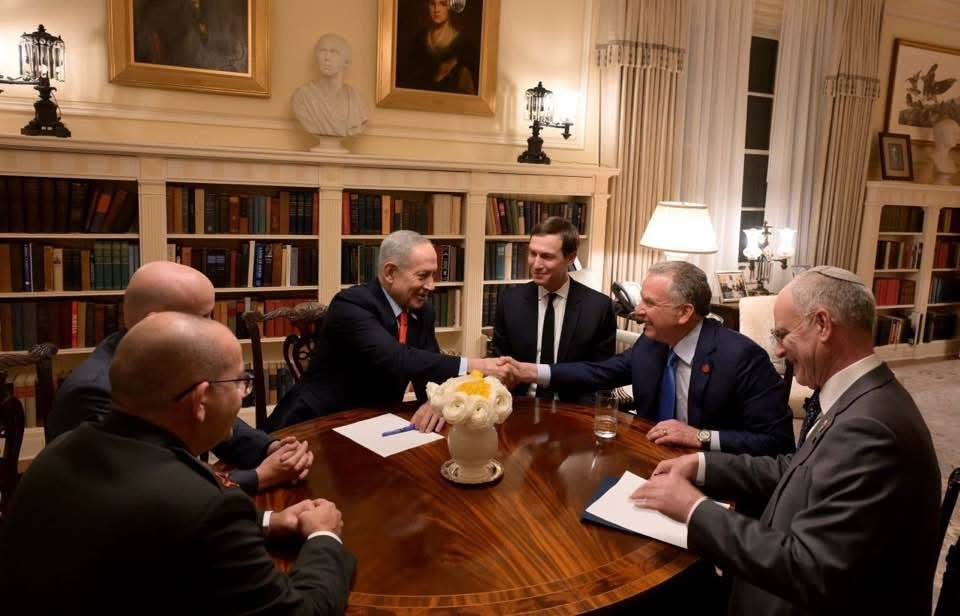
Benjamin Netanyahu is in Washington for a meeting with President Donald Trump as American negotiations with Iran approach a decisive phase. On the eve of his meeting with President Donald Trump at the White, Netanyahu spent the evening at Blair House with Steve Witkoff and Jared Kushner to discuss the negotiations with Iran. The timing, the venue, and the company were chosen with care, and none of it was incidental.
Clearly this is not the schedule of a visiting foreign leader kept at polite distance. Netanyahu is part and parcel of the inner circle at the heart of American power. He operates within and understands its workings from the inside. He was not waiting in an outer office for an audience; he was conferring with men closely connected to the formation of American policy. That proximity is neither accidental nor symbolic, but practical and sustained.
Many observers miss this because they are drawn to the theatre of such occasions. They focus on headlines and public statements, while the more telling fact is who is present in the room, who speaks privately, and who is treated as an insider rather than a guest.
The visit occurs while indirect talks in Oman focus narrowly on nuclear limits rather than wider strategic constraints. Israeli officials view this diplomatic trajectory as a direct challenge to Israeli security doctrine developed over three decades. That doctrine treats Iranian missile capacity and regional proxy networks as the primary instruments of coercion. Netanyahu’s decision to advance the visit reflects concern that American policy may crystallise without Israeli conditions embedded.
Israeli political commentary frames the trip as urgent rather than ceremonial, emphasising anxiety over American flexibility. Nahum Barnea has compared the moment to earlier episodes when Washington imposed strategic outcomes despite Israeli objections. The 1973 postwar settlement remains a reference point within Israeli elite discourse. That episode demonstrated how American diplomacy can override Israeli operational assessments when broader regional stability becomes decisive. Netanyahu enters Washington aware that leverage erodes rapidly once negotiations produce formal commitments.
The Israeli position rests on the structure of any future agreement with Iran. Israeli officials reject arrangements confined to enrichment ceilings and inspection protocols. Nuclear limits alone leave untouched the military capabilities shaping Iran’s regional power balance. Missile forces now form the backbone of Iranian deterrence and coercive leverage, according to Israeli security assessments. Precision guidance and long-range reach reduce reliance on nuclear warheads while preserving strategic effect. Iranian support for Hezbollah and aligned militias multiplies this threat across several fronts.
Iranian officials have consistently refused negotiations covering missiles or regional alliances. Tehran frames such demands as violations of sovereignty and national defence doctrine. Iranian strategic literature treats missile forces as compensation for conventional air force limitations. Analysts at the International Institute for Strategic Studies describe missiles as Iran’s primary survivable deterrent (IISS, 2023). Removal of that capability would alter regime survival calculations rather than policy preferences. Negotiators in Tehran therefore treat missile concessions as existential rather than transactional.
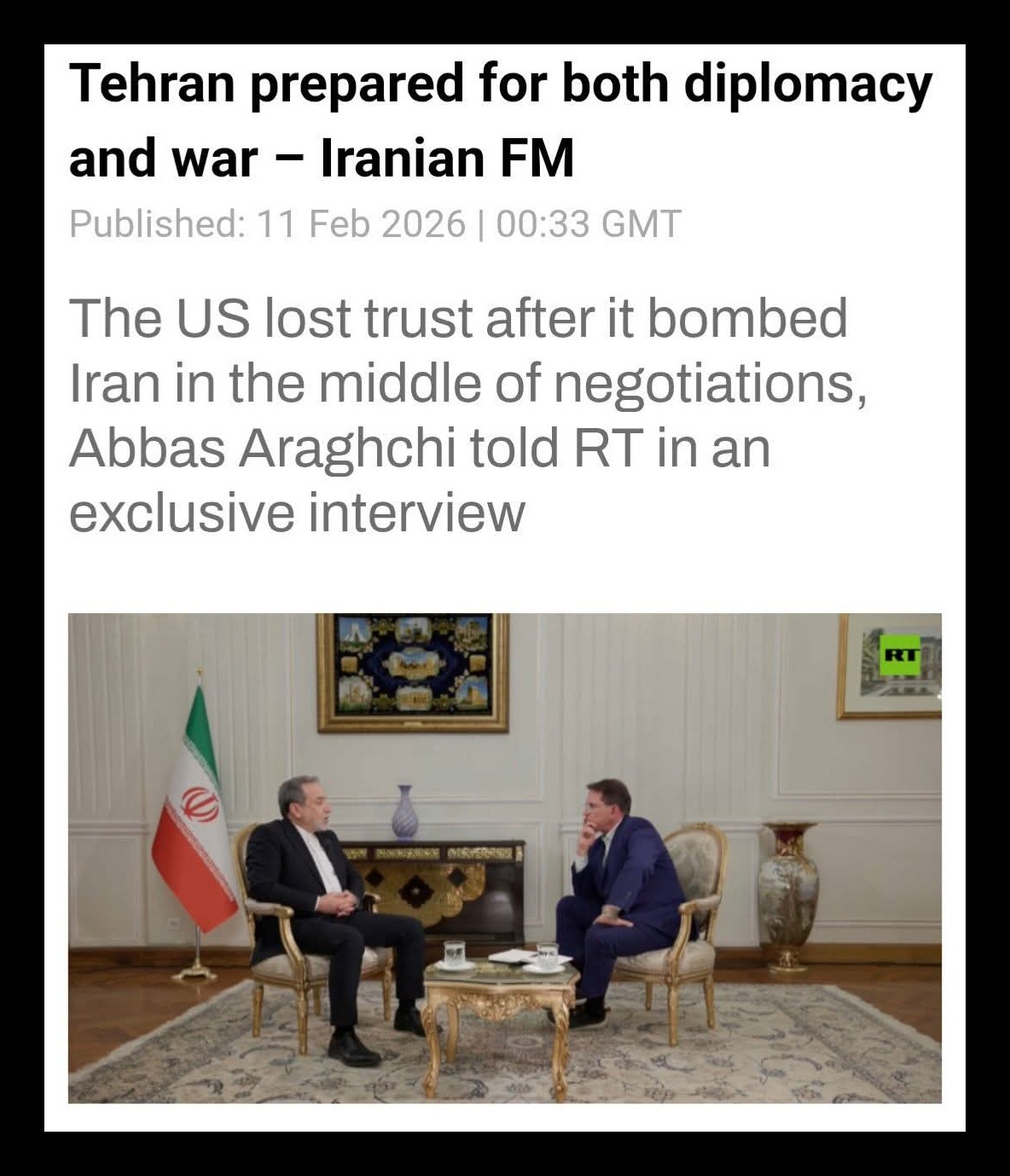
The probability of kinetic engagement rises if Iran maintains a firm sovereignty position while rejecting expanded concessions. Trump and Netanyahu each face narrowing domestic margins shaped by economic strain and political vulnerability. Scholarship on diversionary conflict links domestic pressure with higher tolerance for external confrontation. Jack Levy’s work demonstrates that leaders under constraint often privilege visible force over prolonged diplomacy (Levy, Rutgers, 2010). Benjamin Fordham similarly connects economic stress with increased conflict propensity (Fordham, Binghamton, 2008). Iranian resistance on missiles would collide directly with Israeli red lines and American credibility signalling.
Analysts at the Quincy Institute argue that sovereignty disputes harden bargaining positions because compromise signals weakness (Quincy Institute, 2022). Trump’s governing style favours compressed timelines and demonstrable outcomes. Netanyahu’s political survival has historically depended on decisive action against framed existential threats. Military escalation under these conditions requires limited agreement rather than comprehensive war planning. A narrow strike can preserve deterrence and authority without resolving long-term strategy. Such calculations gain traction as negotiations approach closure without presentable domestic victories.
Washington’s internal debate reflects these structural pressures. Trump signals openness to transactional agreements combined with economic inducements. Senior advisers emphasise deterrence through posture and readiness rather than immediate conflict. Independent defence analysts describe recent naval deployments as leverage instruments rather than invasion preparation (Biddle, Columbia, 2024). Force presence aims to shape Iranian expectations during negotiations. Israeli officials remain sceptical that signalling without binding constraints will alter Iranian behaviour.
Israeli admissions following last year’s strikes complicate the established narrative. Security officials have acknowledged that Iran no longer occupies nuclear threshold status in immediate operational terms. Strategic focus has therefore shifted toward missile capacity as the dominant threat vector. This reassessment undermines years of messaging centred on nuclear breakout timelines. Missiles disperse easily, integrate with civilian infrastructure, and resist decisive neutralisation through limited strikes. Iranian refusal to negotiate these systems blocks Israeli objectives at their strategic core.
Netanyahu has conceded uncertainty regarding Trump’s final decisions during parliamentary briefings. Close coordination has not produced clarity regarding American end goals. That uncertainty explains the urgency surrounding the Washington visit. Israeli military planners treat Hezbollah as the most likely escalation pathway should confrontation widen. Israeli analysts describe any future war with Hezbollah as existential due to missile volume and precision. Iranian integration with Hezbollah reduces space for calibrated escalation.
The underlying dynamic remains straightforward when stripped of diplomatic language. Netanyahu seeks to lock American policy into confrontation before negotiations constrain available options. Diplomatic settlement would remove leverage rather than enhance it. Strategic confidence rarely depends upon accelerated timelines and compressed decision cycles. Strategic desperation often does.
Authored By: Global GeoPolitics
Thank you for visiting. This is a reader-supported publication. You can support by way of a cup of coffee:
https://buymeacoffee.com/ggtv or
https://ko-fi.com/globalgeopolitics
References
Levy, J. (2010). Domestic Politics and War. Rutgers University, Department of Political Science.
Fordham, B. (2008). Economic Stress and International Conflict. Binghamton University.
International Institute for Strategic Studies (2023). Iran’s Military Balance and Missile Forces.
Quincy Institute (2022). Sovereignty, Coercion, and Escalation Dynamics.
Biddle, S. (2024). Military Power and Signalling. Columbia University.


Leave a comment