
Global Finance
-
Washington Expands Its Proxy War in West Asia Whilst Retaining Its Grip on Iraq
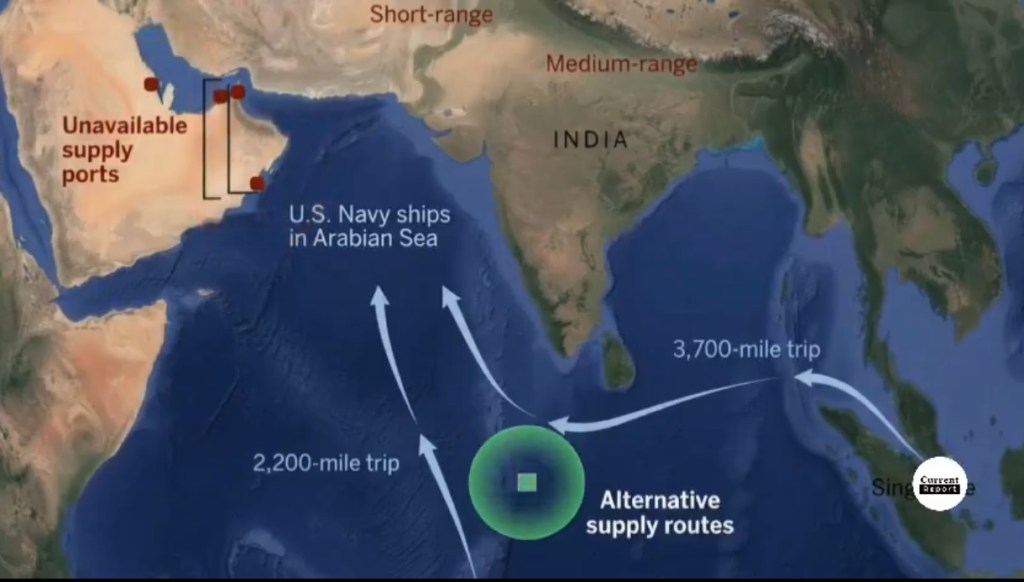
The withdrawal was a repositioning. The burden-sharing network and new alliance of proxies is the real story as the war on multipolarism expands. Editorial Analysis | October 2026 The withdrawal of United States military forces from Iraq on 30 September 2026 has been presented by officials in Washington as the conclusion of a wartime mission… Continue reading
AI and Digital Control, America, economics, Energy, EUROPE, Financial markets, Foreign Policy, Geopolitics, Global Finance, Immunisation, imperialism, iran, israel, Mineral Resources, NATO, neocolonialism, politics, reserve currency, Russia, warAl Qaeda, Arab Spring, burden sharing, China, class analysis, DIA memo, Elon Musk, federal reserve, imperialism, Iraq, ISIS, Jordan, Marxist analysis, Mecca Alliance, Newt Gingrich, oil revenue, Palmer Luckey, profit-driven, Project Meridian, purpose-driven, redeployment, Salafist principality, Seymour Hersh, shipbuilding, US withdrawal -
Saudi Arabia’s $83 Billion Military Spending Has Failed to Buy Victory Against the Houthis

The kingdom has spent billions on American weapons, relied on foreign contractors and mercenaries, and deployed the most advanced air defence systems in the region. It still cannot hold ground against a militia it has been fighting for over a decade. Editorial Analysis | October 2026 Saudi Arabia’s military budget for 2025 reached approximately $83… Continue reading
-
How the United States Is Using Proxies to Destroy the AI Infrastructure of Its Rivals
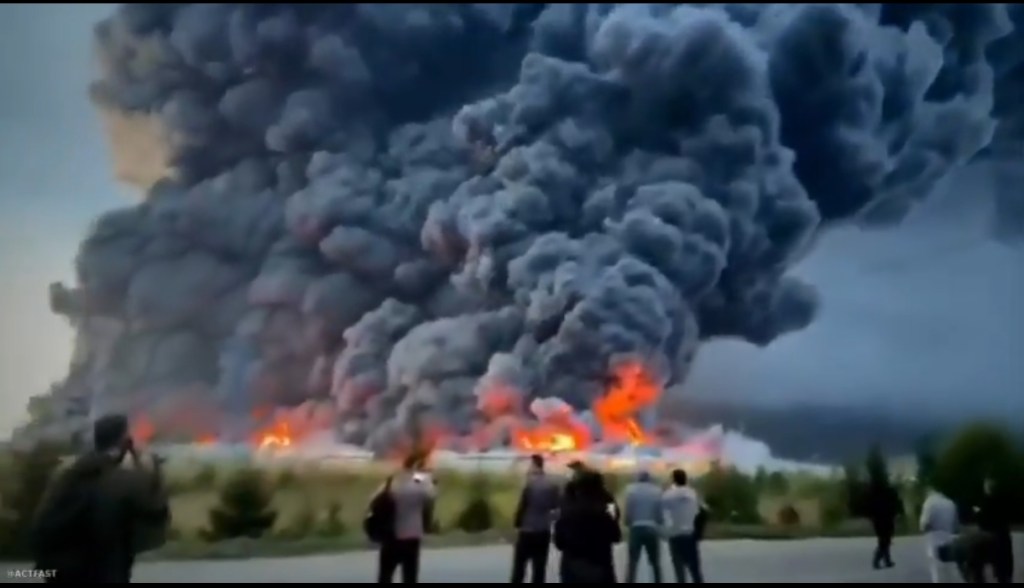
The strikes on Yandex facilities in Russia reveal a strategic campaign to degrade the technological foundations of multipolar competitors while the Atlantic alliance fractures and the diesel deal buys time for further aggression Editorial Analysis | October 2026 The United States is directing Ukrainian drone strikes on Russian data centres as part of a systematic… Continue reading
-
US Army’s AI Warfare Plans Face a Reality Check in Desert Exercises
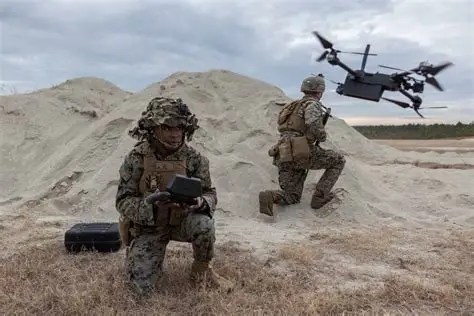
Drone failures, unreliable equipment and bureaucratic obstacles raise questions about America’s readiness for modern warfare and its ability to counter adversaries experienced in large-scale drone attacks. General Article | October 2026 The US Army’s ambitions for AI-enabled warfare faced a serious test during a major military exercise in the Mojave Desert in July, according to… Continue reading
-
Never Attack India on Twitter: Elon Musk’s Starlink Showdown with Indian

Why India Won’t Sacrifice National Security and Regulatory Control for a Billionaire’s Business Ambitions General Article | October 2026 Elon Musk appears to have learned the second lesson the hard way. After accusing Indian “oligarchs” of obstructing Starlink to preserve their “monopolistic chokehold” on the market, he went further and branded the situation “a crime… Continue reading
-
Is the US Insurgency Strategy Against Iran Now in Play?

How Brookings’ Which Path to Persia? envisaged support for armed opposition and what the escalating insurgency in Sistan and Baluchestan reveals about the wider campaign against Tehran. Editorial Analysis | October 2026 The escalation of armed violence in Sistan and Baluchestan during 2026 corresponds precisely to a strategic option formally examined in the Brookings Institution’s… Continue reading
-
The Feminisation of Authority: How the Accumulation of Unaccountable Power is Breaking Society

The transformation of female social networks from geographically bounded conservators of culture to digitally mediated engines of consensus has produced a novel form of power that overrides every parent, every community, and every tradition and it is accountable to no one Editorial Analysis | October 2026 The transformation of female social organisation over the past… Continue reading
-
Social Unrest in Europe: A Revolt of the Excluded

From Madrid to Berlin, from Paris to Rome, the working classes of Europe are rising against austerity, housing speculation, and a war economy that serves an oligarchy while demanding their sacrifice Editorial Analysis | October 2026 A wave of social unrest is sweeping across Western Europe, from the housing protests in Spain triggered by the… Continue reading
-
The Generals in Kiev: Die for the Alliance, But Don’t Ask to Join
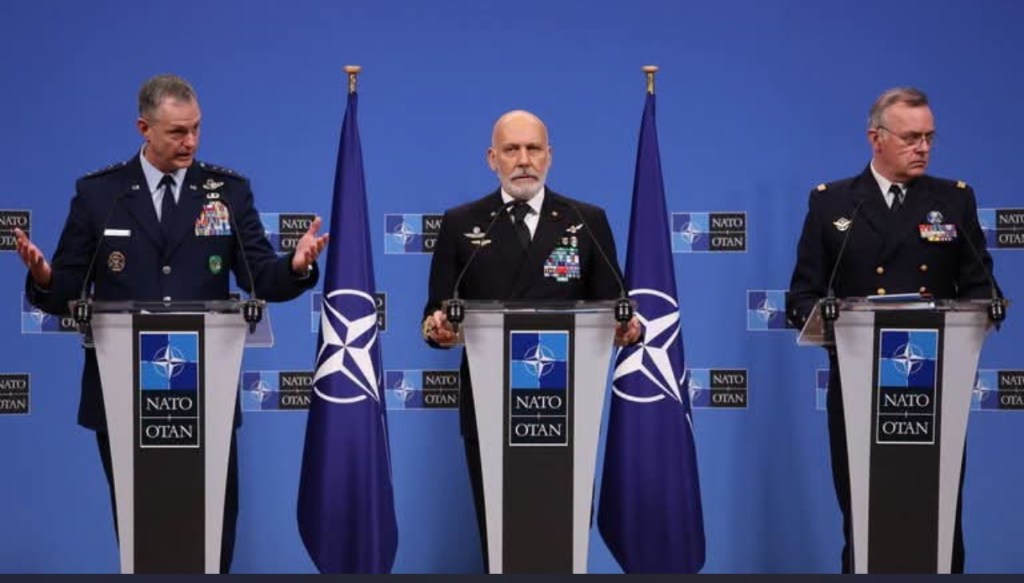
NATO alliance’s top military body visited Ukraine to show solidarity while the US says membership that would require them to defend Ukraine is “not on the table” Editorial Analysis | October 2026 The NATO Military Committee’s visit to Kiev on 7 October 2026, the first such visit in eight years, constitutes a strategic communication exercise… Continue reading
-
How the White House Sold a Pyramid Scheme to the American People

The billionaires who gathered at the White House signed a non-binding promise to police themselves, while their data centres drain the water and electricity of American towns and their AI models replace the jobs of American workers Editorial Analysis | October 2026 The White House gathering on 29 September 2026 brought together the most powerful… Continue reading
