

Leaked documents, diplomatic activism, and conflict-zone reporting challenge the narrative of UAE’s supposed neutral modernity.
(In this featured 2012 private jet photo, Azizah Al-Ahmadi (blue), identified as sending a piece of the Kaaba’s Kiswah to Epstein, appears alongside Emirati diplomat Hind Al-Owais (red), referenced in DOJ-released emails. The Kiswah was later photographed laid out on the floor at Epstein’s residence, an act many Muslims regard as a grave desecration of a sacred symbol.)
In recent years, the United Arab Emirates has found itself the subject of growing scrutiny across Western media, human rights organizations, and regional political circles. A series of allegations, leaked communications, investigative reports, and parliamentary inquiries have contributed to what critics describe as a “veil being lifted” on the country’s political, economic, and geopolitical conduct. Despite official denials, the volume of documented leaks, diplomatic correspondence, investigative exposés, and conflict-zone reporting has made it increasingly difficult to dismiss these revelations as isolated or politically motivated claims, and formal inquiries that collectively point to a consistent pattern of conduct. Their cumulative effect has fueled debate about the nature of Emirati power projection and the contradictions between its polished global image and its hard-edged strategic behavior.
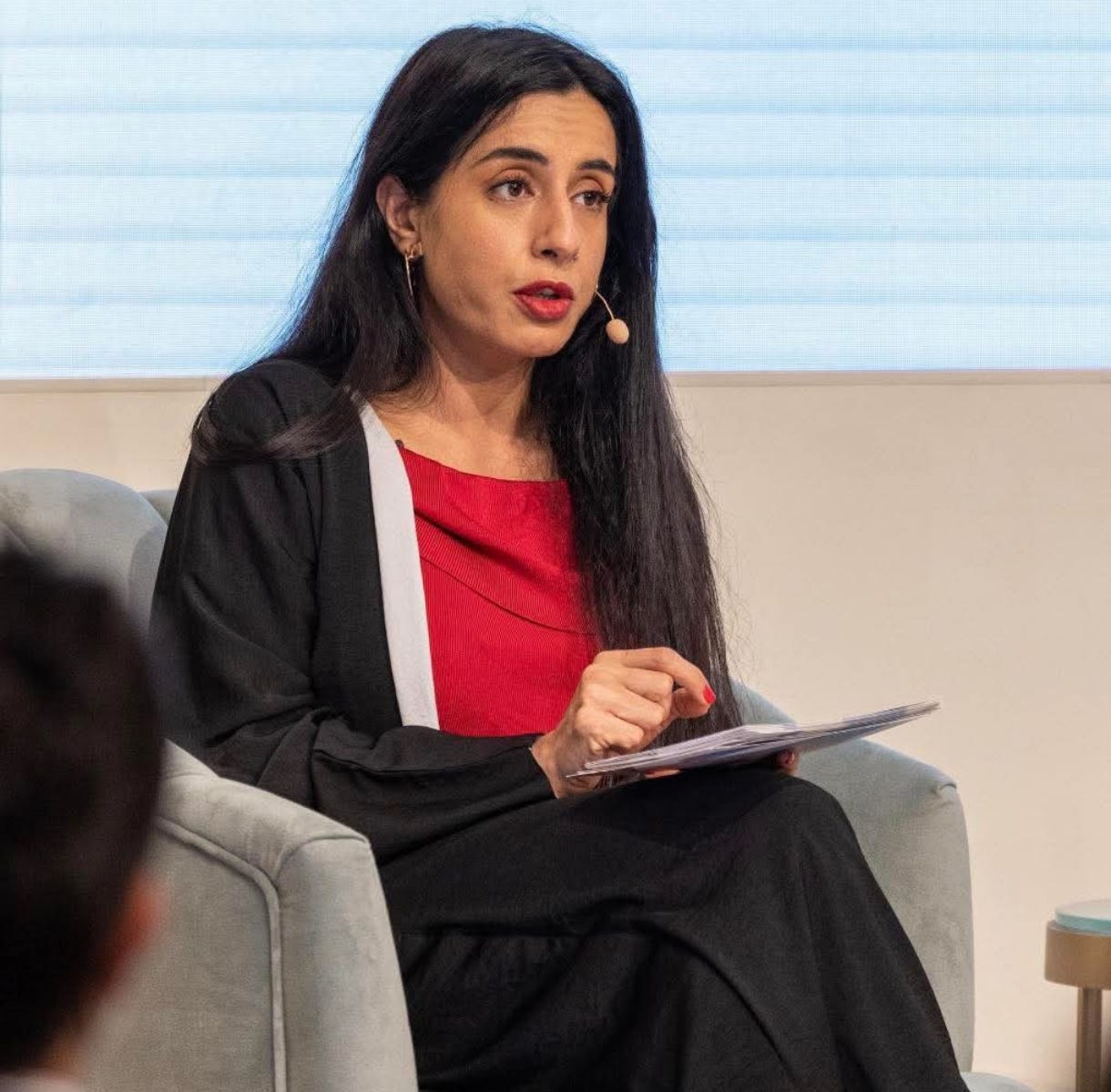
(Hind Al-Owais, the first Emirati appointed senior adviser at UN headquarters in New York since 1971, appears hundreds of times in the DOJ-released Epstein files. While the documents do not show Epstein securing her UN role, the timing of her appointment has drawn scrutiny. Publicly, she is described as advancing women’s rights and integrating gender priorities into the UN’s Sustainable Development Goals.)
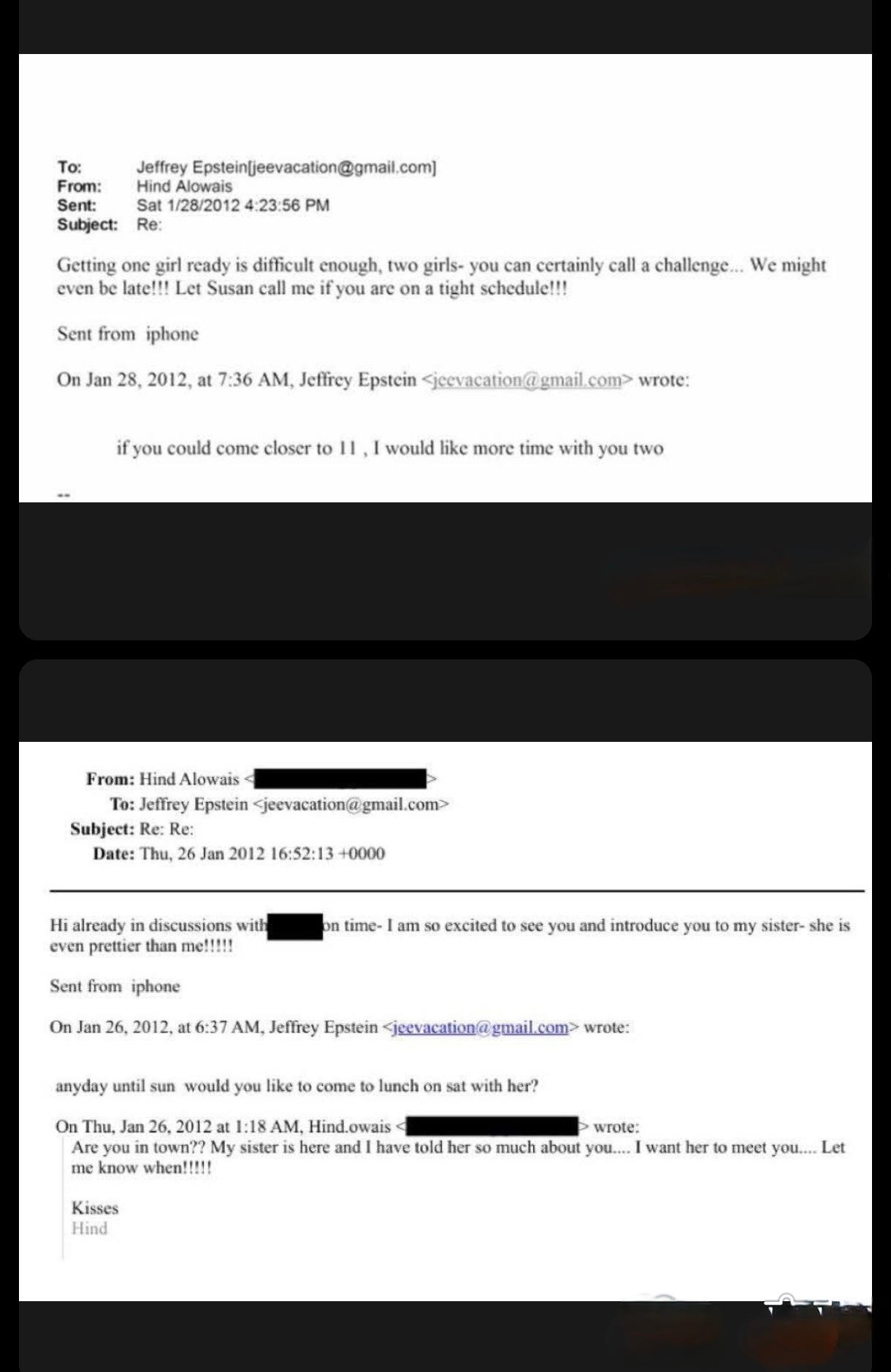
Allegations linking prominent Emirati figures to Jeffrey Epstein moved beyond rumor following the release of documents by the U.S. Department of Justice. The disclosed emails show sustained correspondence between Emirati diplomat Hind Al-Owais and Epstein in 2011 and 2012, including arrangements for meetings with “girls” and references to bringing her younger sister. In one January 2012 exchange, Al-Owais wrote, “Getting one girl ready is difficult enough, two girls, you can certainly call a challenge,” to which Epstein responded by requesting more time with them. In another message she stated, “I am so excited to see you and introduce you to my sister, she is even prettier than me!” DOJ-released calendar entries and email logs reflect repeated coordination. Al-Owais, who has publicly positioned herself as a women’s rights advocate and now serves as Director of the UAE Permanent Committee for Human Rights, appears hundreds of times in the released files.
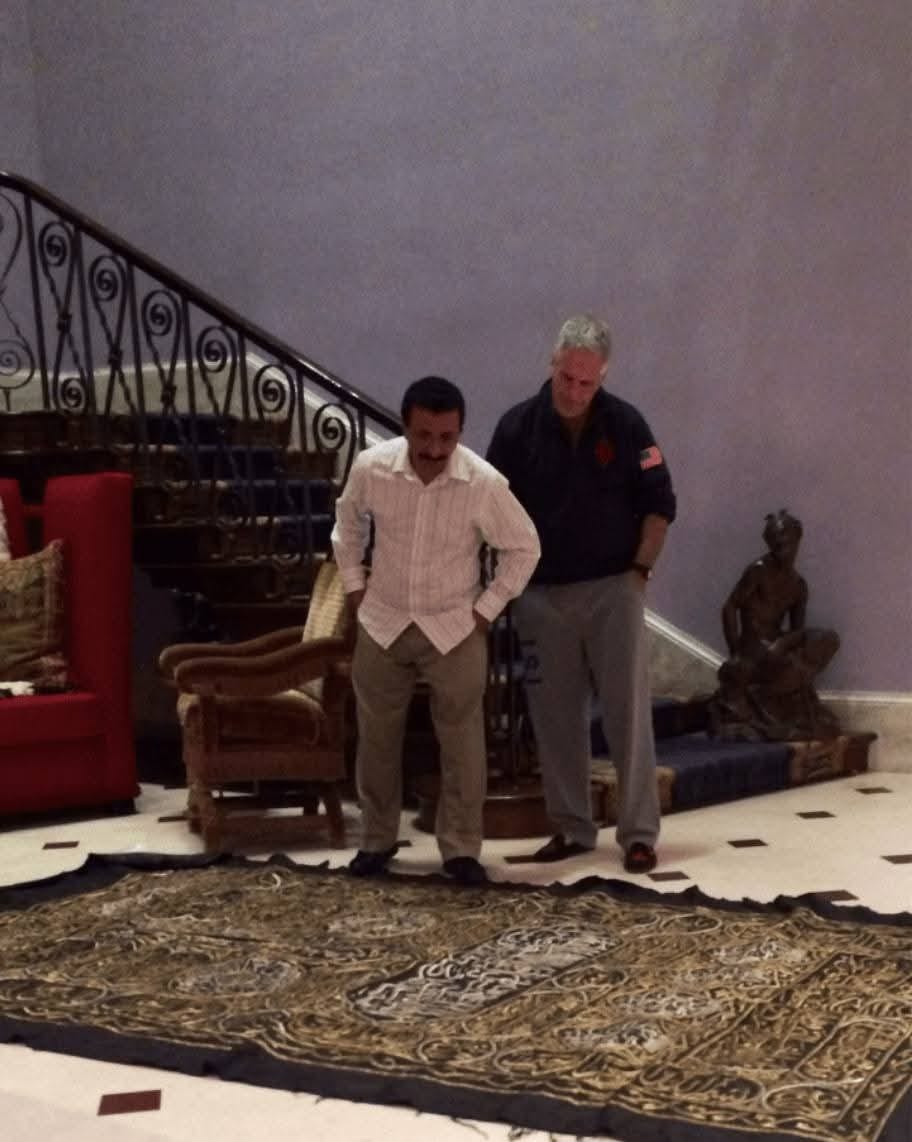
Separately, Emirati billionaire Sultan Ahmed bin Sulayem is also repeatedly referenced in the documents, including correspondence after Epstein’s prior conviction. Material attributed to the files includes references to viewing the Kiswa at Epstein’s residence and emails in which Islamophobic remarks and violent imagery were allegedly shared. UAE-based businesswoman Aziza Al-Ahmadi is likewise referenced in connection with sending the Kiswa to Epstein. In addition, previously leaked emails exposed UAE Ambassador Yousef al-Otaiba discussing coordinated pressure campaigns with Israeli counterparts during the Qatar blockade period.
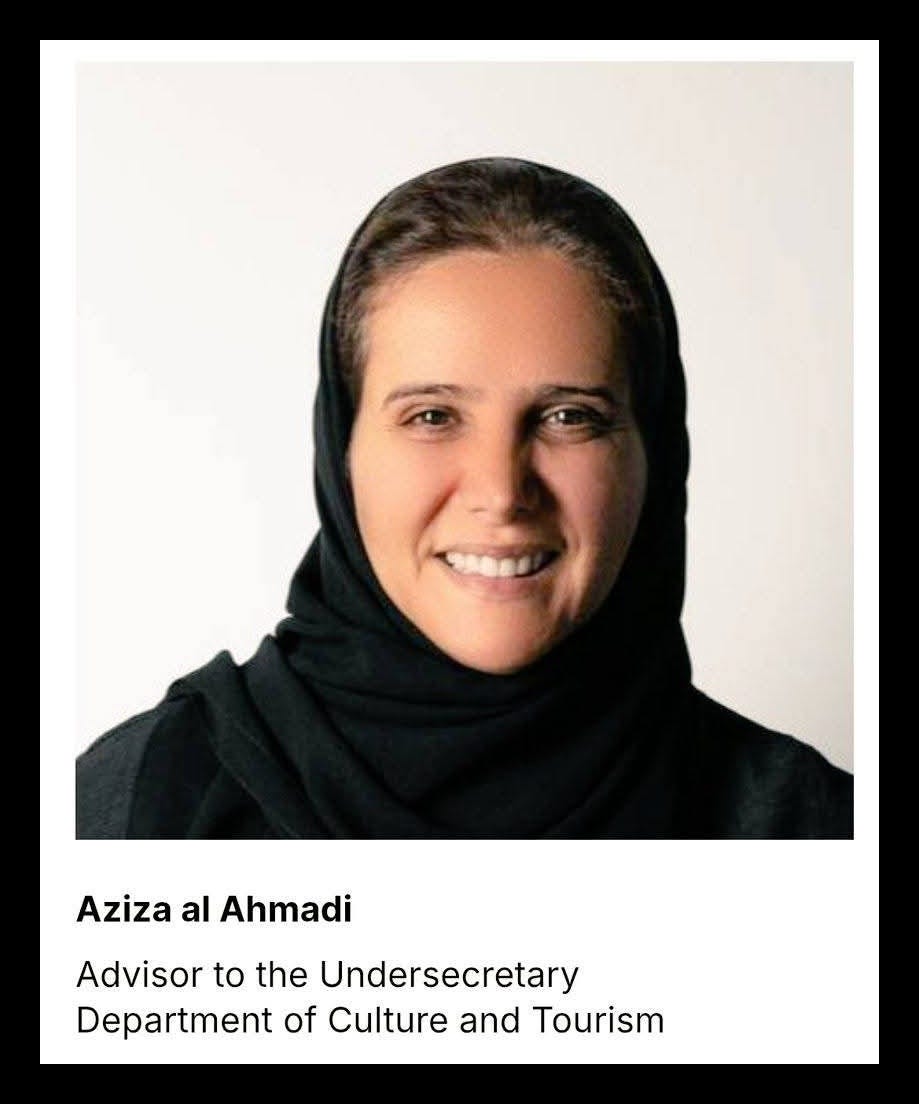
(UAE-based businesswoman Aziza Al-Ahmadi, referenced in the DOJ-released Epstein files, reportedly sent the Kiswa, the sacred covering of the Kaaba, to Epstein’s residence. Her LinkedIn account has since been deleted.)
Taken together, the documentary record situates members of the Emirati political and business elite within Epstein’s international network at a level that carries profound political and reputational implications. The issue extends beyond personal association: it raises questions about elite transnational circuits of influence where diplomacy, finance, symbolism, and access intersect without meaningful transparency. For a state that brands itself as a champion of tolerance, women’s empowerment, and global governance reform, the contradiction between official rhetoric and the content of released communications has intensified scrutiny. Economically embedded in Western financial systems and strategically aligned with Washington and Tel Aviv, the UAE now faces not merely reputational discomfort but structural questions about how power, privilege, and impunity operate across borders.
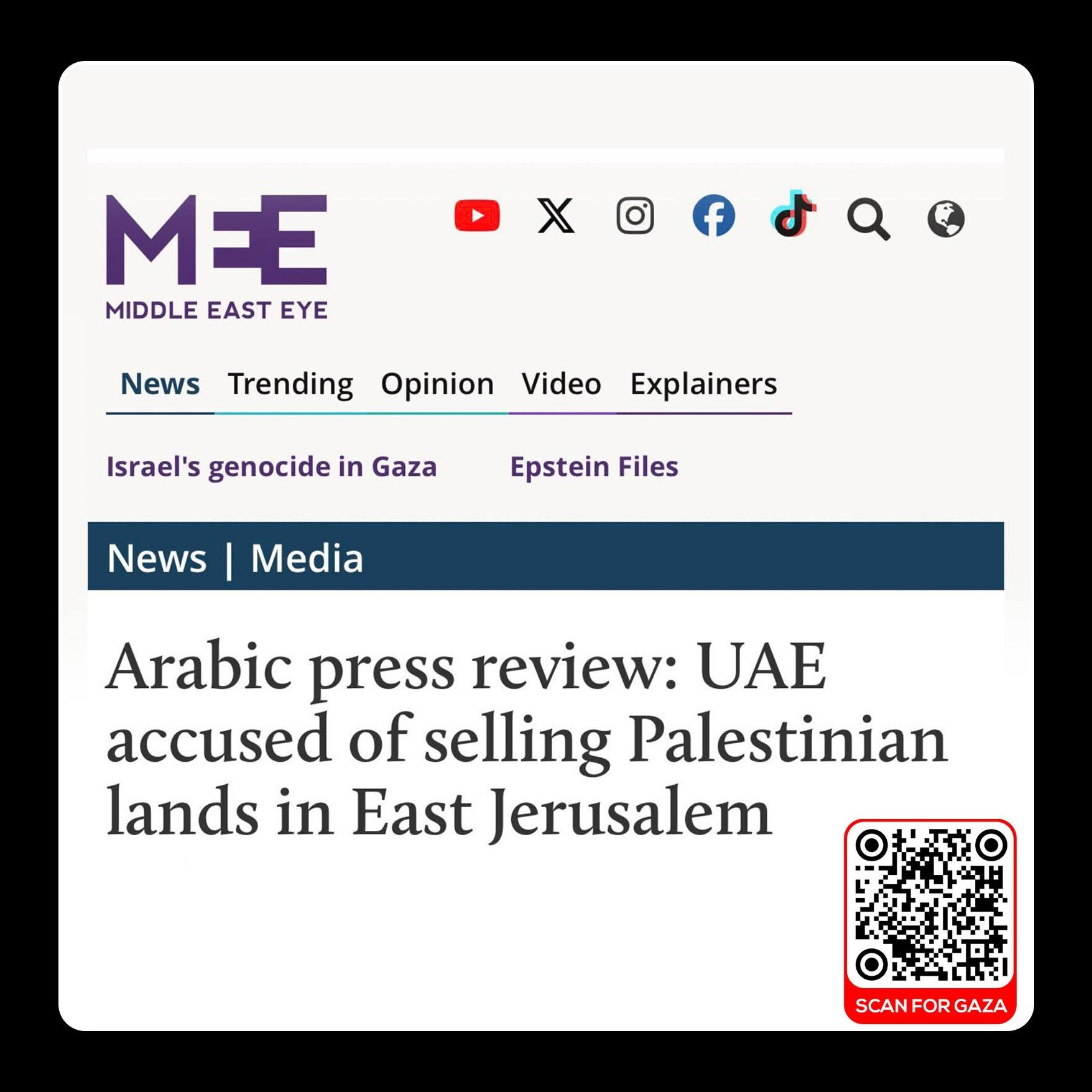
Separate controversies have focused on the UAE’s diplomatic activism, particularly its role in shaping regional alignments. Leaked emails published in prior years revealed discussions between Emirati officials and foreign policymakers regarding strategies toward Qatar during the 2017 Gulf crisis. Abu Dhabi’s strong support for the blockade reflected its broader doctrine of countering political Islam and limiting the influence of actors it perceives as destabilizing, including the Muslim Brotherhood and aligned movements. The episode illustrated the UAE’s willingness to use economic pressure and diplomatic leverage to reshape the regional balance of power. For supporters, this demonstrated strategic clarity; for critics, it showed interventionist ambition.
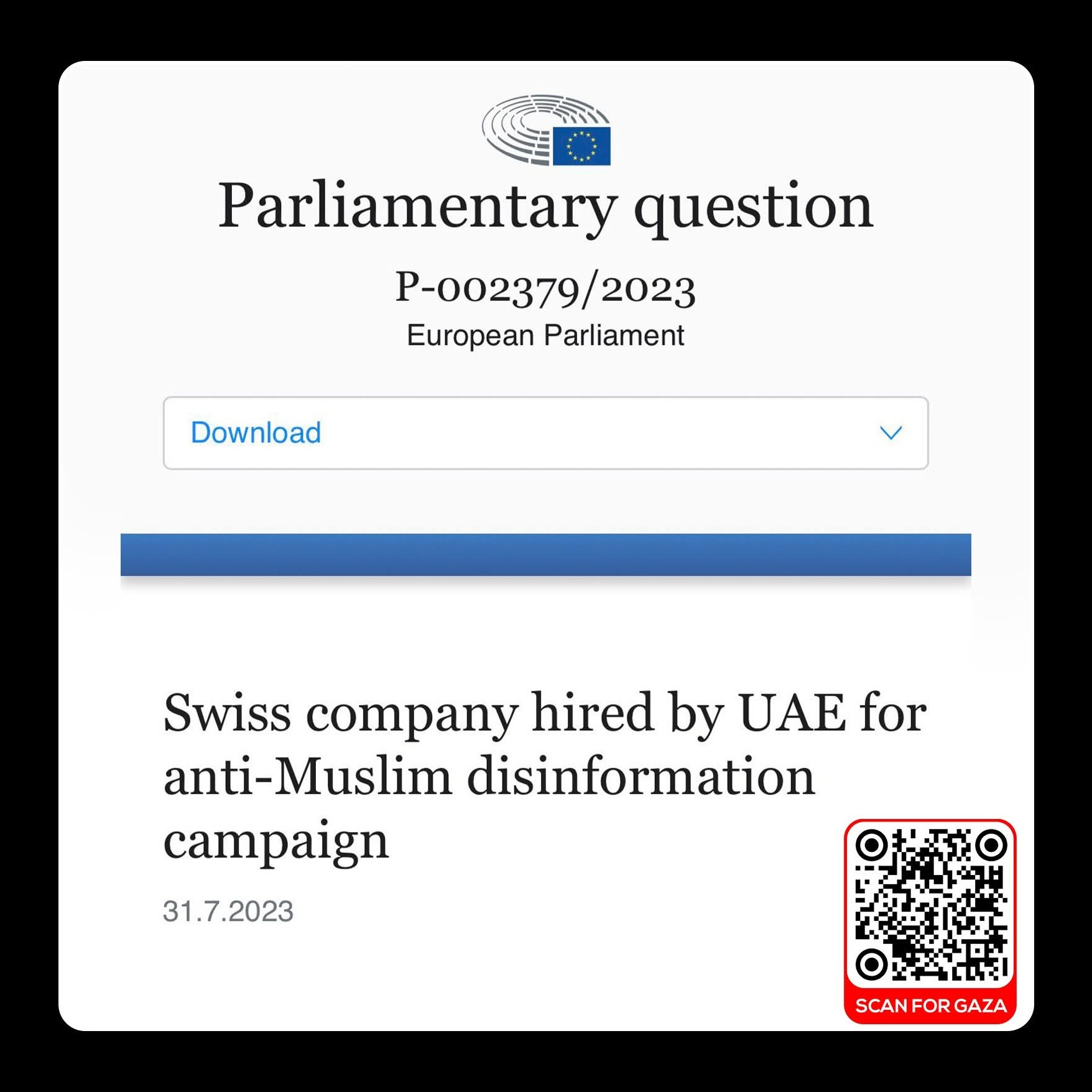
The UAE’s normalization of relations with Israel under the 2020 Abraham Accords marked another defining geopolitical shift. Emirati leaders framed the move as pragmatic statecraft, prioritising technological, security, and economic cooperation while seeking leverage in the Palestinian file. Detractors argue that normalization occurred without meaningful concessions for Palestinian statehood and has facilitated expanded Israeli regional integration. Allegations that the UAE has provided various forms of support to Israel during periods of heightened conflict, including intelligence or logistical cooperation, circulate in political discourse, though official statements emphasize humanitarian engagement and diplomatic mediation. This divergence between public diplomacy and regional perception underscores the broader contest over narrative legitimacy.
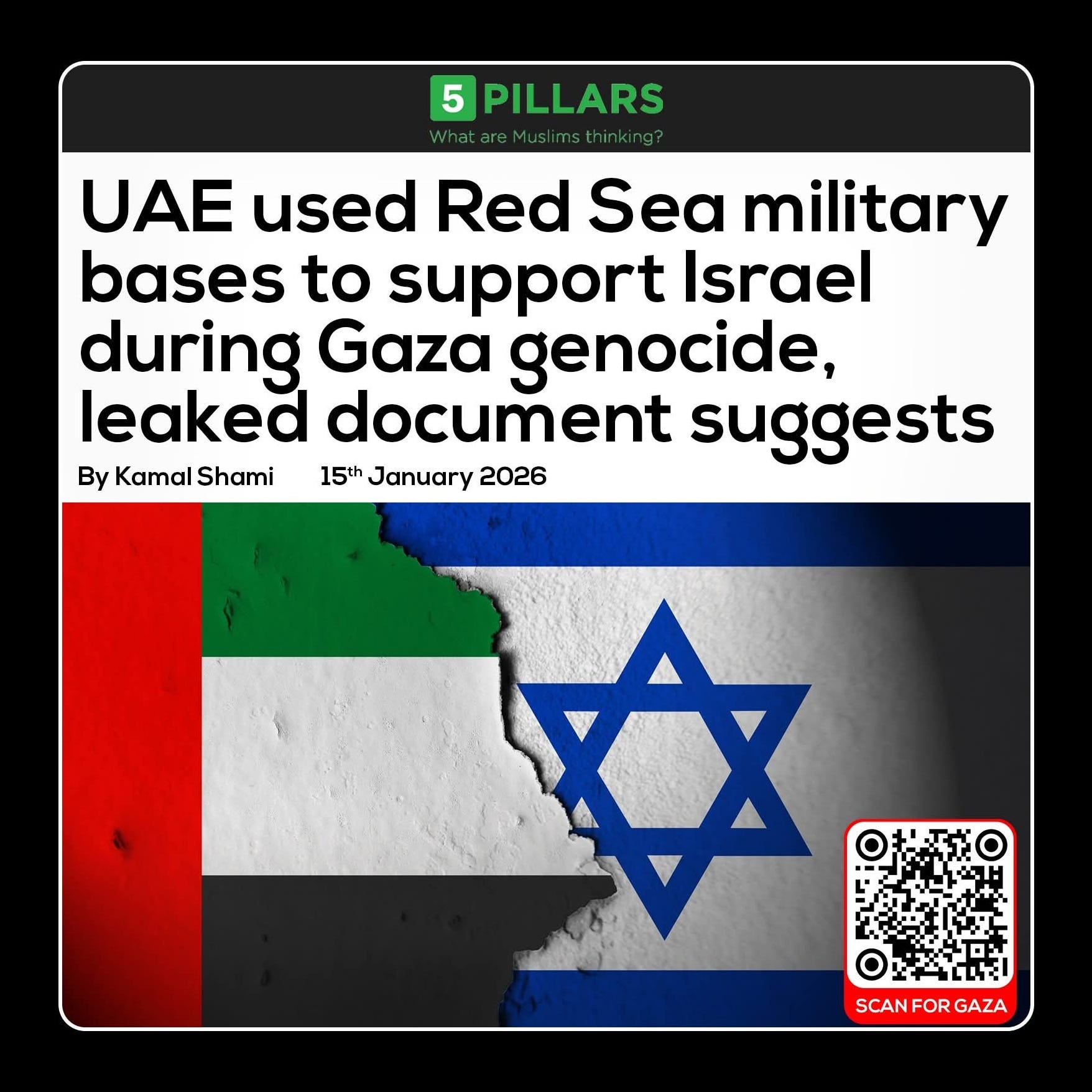
In Europe, reports from members of the European Parliament and investigative journalists have examined Emirati funding networks allegedly linked to anti-Islamist advocacy groups. The UAE has consistently positioned itself as a bulwark against extremist ideologies, arguing that its policies target political radicalism rather than Islam itself. However, critics contend that the boundary between counter-extremism and Islamophobia can blur in practice, especially when funding flows intersect with domestic political debates in Western societies. This tension reflects the UAE’s strategic effort to align with Western security priorities while confronting ideological currents it views as existential threats.
The country’s role in regional conflicts has drawn some of the most serious accusations. In Libya and Yemen, the UAE has been widely reported to have supported specific factions aligned with its strategic objectives, particularly those opposing Islamist-linked groups. In Sudan, reports from UN experts and international media have raised questions about arms flows and external backing to rival forces, though Emirati officials have rejected allegations of fueling violence. These interventions, whether direct or indirect, reflect a broader doctrine: preventing the emergence of political orders hostile to Emirati interests and countering perceived Turkish, Qatari, or Iranian influence. Yet such actions carry reputational costs, especially when civilian harm or humanitarian crises follow.
Economically, the UAE has cultivated an image as a global hub, hosting hedge funds, multinational corporations, sovereign wealth investments, and media ventures. Its openness to international capital has been central to its diversification strategy beyond hydrocarbons. However, this openness also brings scrutiny. When controversial investors, political donors, or media backers operate from or through the UAE, questions arise about regulatory oversight and political alignment. Abu Dhabi and Dubai position themselves as neutral financial gateways, but neutrality can appear selective when global ideological battles intensify.
The Palestinian question remains particularly sensitive. Critics argue that Emirati economic engagement in parts of the West Bank or East Jerusalem risks normalizing settlement expansion or altering local land dynamics. Emirati authorities typically frame their involvement as development-oriented or commercially driven, not political endorsement. Nevertheless, in the symbolic politics of the region, economic transactions are rarely interpreted as apolitical.
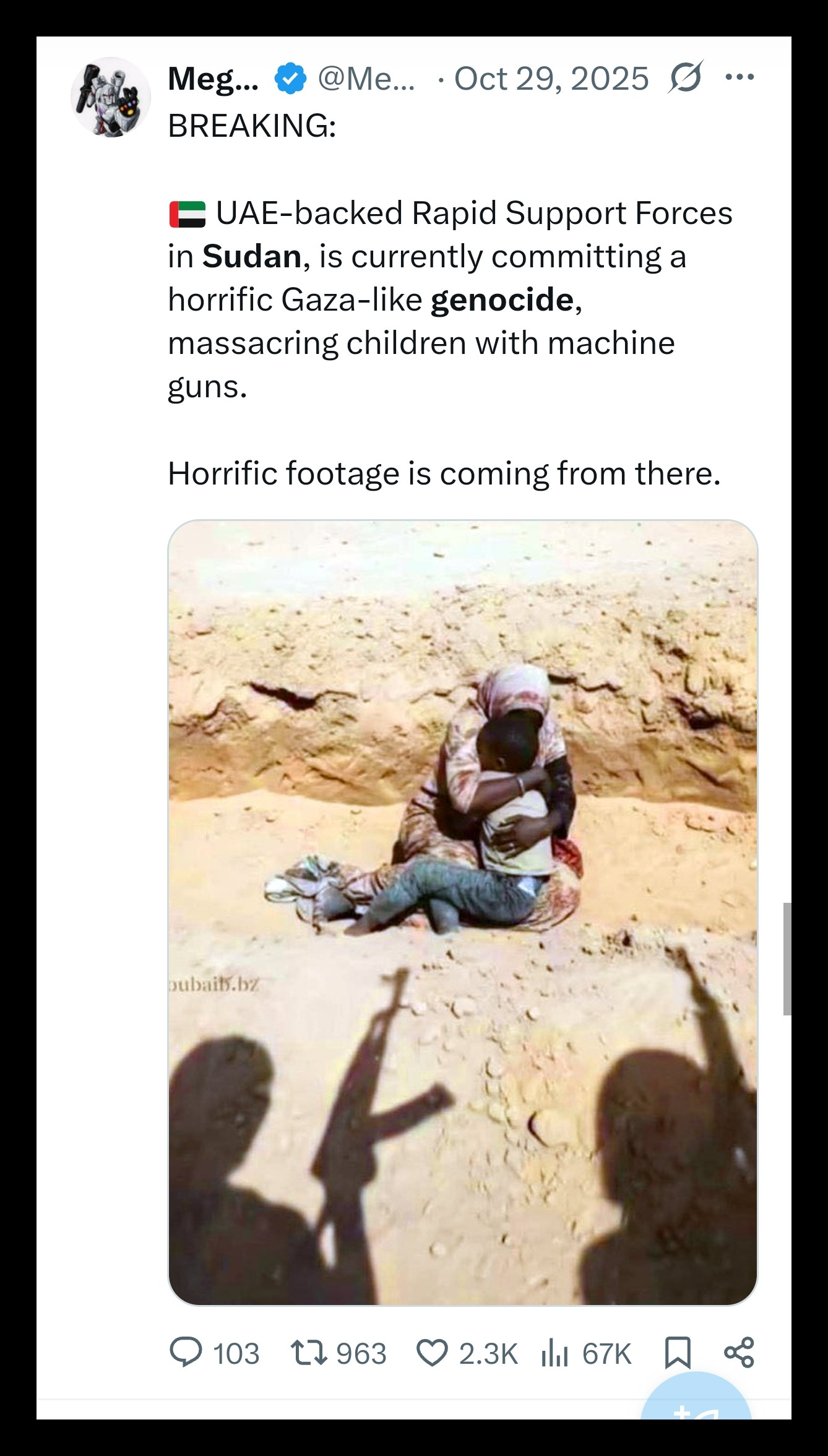
What emerges from mounting allegations, investigative reports, and conflict-zone disclosures is not merely the portrait of an “ambitious middle power,” but of a state operating as a force multiplier for U.S. and Israeli strategic interests across Africa and the Middle East. In Sudan, repeated reporting by UN experts and international observers has linked Emirati channels to the arming and financin of factions accused of mass atrocities, ethnic cleansing, and the devastation of civilian infrastructure, contributing to what many analysts describe as one of the gravest humanitarian catastrophes of the decade. In Libya, sustained backing of armed factions deepened fragmentation and prolonged civil war. In Yemen, support for secessionist militias entrenched division and weakened prospects for unified sovereignty. In the Horn of Africa, Emirati port deals, security arrangements, and mineral concessions, from Somaliland to strategic corridors in East Africa, have been interpreted by critics as instruments of geopolitical leverage and supply chain control, securing access to gold, rare minerals, and maritime chokepoints vital to global trade. Far from isolated engagements, these moves form a pattern: projection of power through proxies, economic capture, and security partnerships that reshape fragile states in alignment with Abu Dhabi’s external alliances.
Seen through this lens, the issue is not competing “perceptions,” but a growing body of documented entanglements that challenge the carefully cultivated narrative of neutral modernity. The image of a gleaming financial hub and diplomatic mediator sits uneasily beside accusations of fueling wars, manipulating breakaway regions, embedding itself in African mineral economies, and aligning decisively with Israeli military and intelligence priorities during periods of regional upheaval. As leaks, parliamentary inquiries, and investigative journalism continue to surface, what is unfolding for critics is less a debate over branding than an exposure of structural alignment, an Emirati role intertwined with Western and Israeli strategic doctrine, executed through financial muscle, covert logistics, and transactional alliances. The contest, therefore, is not simply over reputation, but over accountability and the long-term consequences of power exercised beyond public scrutiny.
Authored By: Global GeoPolitics
Thank you for visiting. This is a reader-supported publication. You can support by way of a cup of coffee:


Leave a comment