
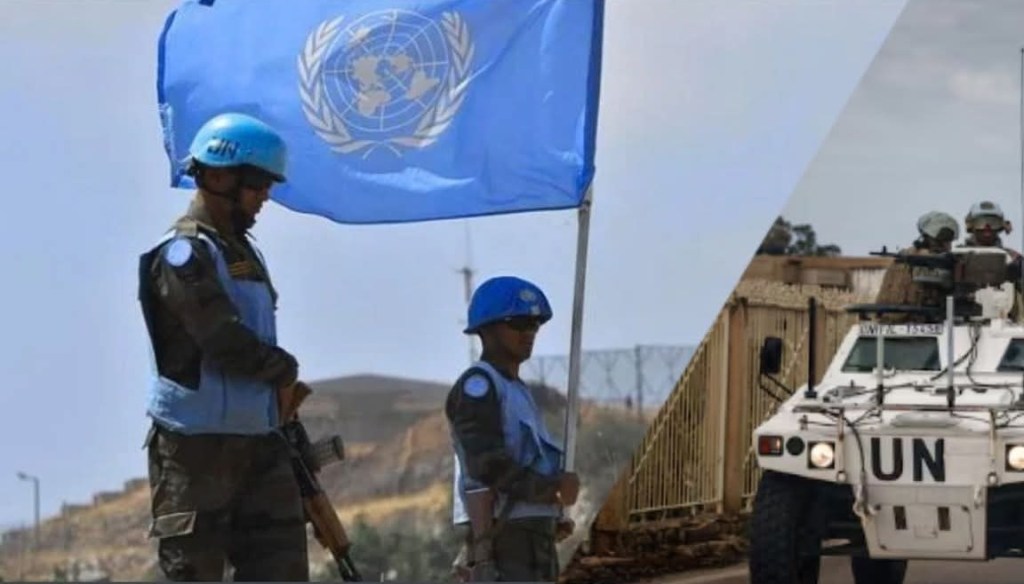
Repeated incidents involving UN personnel highlight a persistent tension between operational conduct, strategic imperatives, and the uneven application of international law.
The argument that Israel operates as a law unto itself in its dealings with the United Nations and its personnel rests on a pattern of conduct that critics contend is neither incidental nor episodic, but structural and enduring. From southern Lebanon to Gaza, from peacekeepers to humanitarian staff, the recurrence of lethal incidents involving UN-linked actors has fed a perception that the protections underpinning international law are, in this case, persistently overridden by military and strategic priorities.
The recent deaths of Indonesian soldiers serving under the United Nations Interim Force in Lebanon are not viewed by proponents of this argument as an isolated tragedy. Rather, they are situated within a continuum in which UN positions, fixed, declared, and symbolically neutral, have nonetheless been struck during Israeli military operations. The significance attributed to such events lies not only in the loss of life, but in what repeated exposure of clearly identified UN personnel to lethal force suggests about the hierarchy of considerations guiding operational conduct. If neutrality is formally acknowledged yet operationally insufficient to ensure safety, critics argue, then the principle itself is being subordinated in practice.
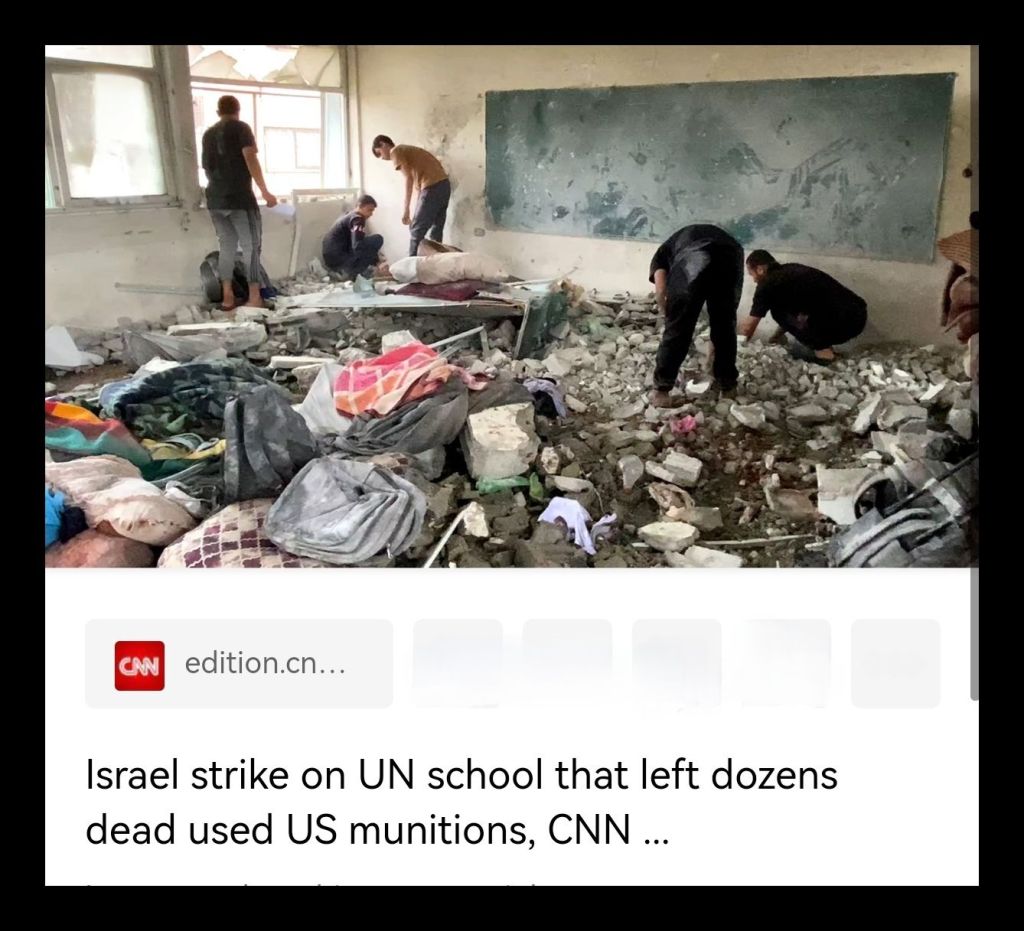
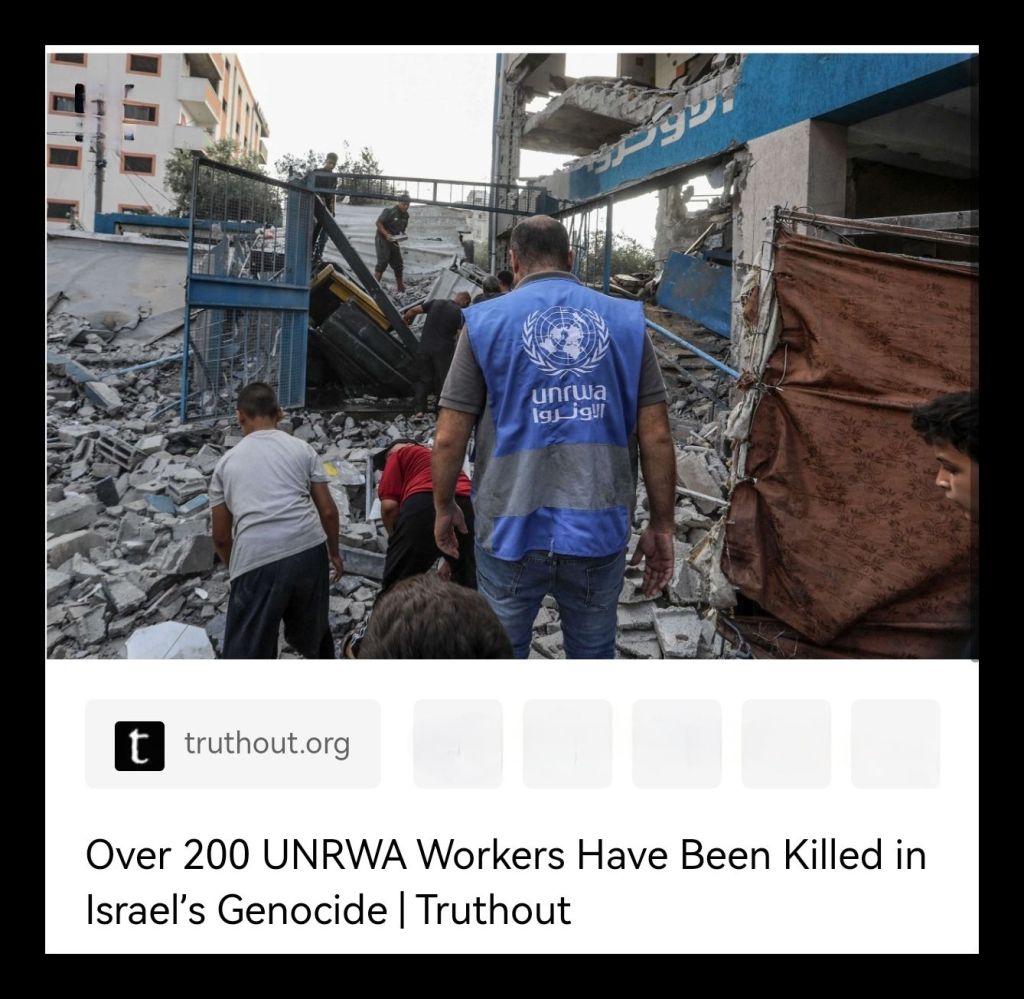
This perception draws historical reinforcement from earlier episodes. The shelling of a UN compound during the 1996 Operation Grapes of Wrath in Qana, the killing of a UN observer during the 2006 Lebanon War, and multiple instances of damage to UN facilities and casualties among staff of the United Nations Relief and Works Agency in Gaza have each contributed to a cumulative narrative. Individually, these incidents have been explained by Israel as errors, miscalculations, or the unavoidable consequences of combat in environments where non-state armed groups operate in proximity to civilian and protected sites. Collectively, however, critics interpret them differently: as evidence of a consistent willingness to accept, and therefore normalize, the risk to international personnel.
Central to the argument is not simply that such incidents occur, but that they recur without commensurate accountability. Investigations are announced, reviews are conducted, and regret is sometimes expressed, yet these processes rarely culminate in outcomes perceived as proportionate to the gravity of the harm. This perceived gap between action and consequence is what sustains the charge of impunity. It is not that Israel operates entirely outside legal frameworks—indeed, it frequently asserts adherence to them—but that enforcement mechanisms at the international level appear unable or unwilling to impose meaningful constraints.
The geopolitical context is inseparable from this dynamic. Israel’s position within the international system, including its strategic relationship with powerful allies such as the United States and the structure of decision-making within the United Nations Security Council, shapes the boundaries of what accountability is politically feasible. In this reading, international law exists, but its application is uneven, contingent on power, and therefore selectively binding. Israel becomes, in effect, a test case for the limits of that system: not uniquely lawless in a literal sense, but uniquely insulated from the consequences that similar patterns of behavior might trigger elsewhere.
Equally significant is the longstanding tension between Israel and various UN bodies. Israeli officials have consistently argued that institutions such as the United Nations Human Rights Council exhibit systemic bias, thereby undermining their legitimacy. This mutual distrust has produced a feedback loop: criticism from UN entities is dismissed as politically motivated, while Israeli actions are interpreted by critics as evidence of disregard for international norms. Within this cycle, incidents involving UN personnel acquire heightened symbolic weight, reinforcing pre-existing narratives on both sides.
The result is a deeply polarized interpretive landscape. For those advancing the argument that Israel is a law unto itself, the repetition of incidents involving UN peacekeepers and humanitarian workers is not an unfortunate byproduct of war but a revealing indicator of how international constraints function when confronted with entrenched strategic imperatives and asymmetries of power. The deaths of peacekeepers, in this view, are not only human losses but institutional ones, eroding the credibility of the very system designed to protect them.
Ultimately, the strength of this argument lies in accumulation. No single incident proves systemic disregard; no single investigation disproves it. But over decades, the persistence of similar events, coupled with limited visible accountability, has sustained a belief among critics that the rules governing armed conflict are applied to Israel differently in practice than they are to others. Whether one accepts this conclusion or contests it, the pattern itself, real, perceived, or disputed, has become a central feature of the geopolitical discourse surrounding Israel, the United Nations, and the fragile authority of international law.
Authored By: Global GeoPolitics
Thank you for visiting. This is a reader-supported publication. If you believe journalism should serve the public, not the powerful, and you’re in a position to help, becoming a PAID SUBSCRIBER truly makes a difference. Alternatively you can support by way of a cup of coffee:
https://buymeacoffee.com/ggtv |
https://ko-fi.com/globalgeopolitics |
Bitcoin: 3NiK8BoRZnkwJSHZSekuXKFizGPopkE7ns


Leave a comment