
China
-
The Anxiety of a Hegemon – Why America Cannot Stop Saying It Is Still Ahead
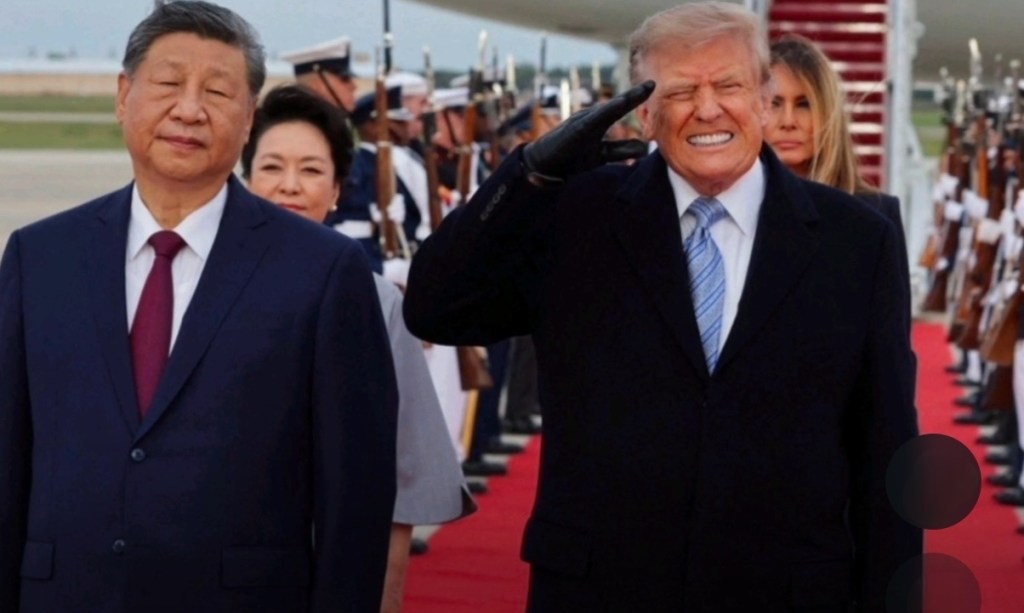
The ritualistic declarations of continued primacy reveal a deeper structural crisis that no amount of reassurance can conceal Editorial Analysis | September 2026 The most revealing aspect of contemporary American discourse about China is not the substance of the claims but the frequency and ritualistic character of their repetition. For decades, the United States was… Continue reading
AI and Digital Control, America, bond market, China, covid pandemic, economics, Energy, EUROPE, Financial markets, Foreign Policy, Geopolitics, Global Finance, imperialism, iran, israel, japan, knowledge, Mineral Resources, NATO, neocolonialism, politics, Russia, satellites, technology, Vaccines, war -
The Real Global Conflict: Free Trade vs. National Development

Why the fight between finance capital and industrial capital matters more than the clash between democracy and authoritarianism Editorial Analysis | September 2026 The framework that locates contemporary geopolitical conflict within a struggle between two opposed systems of economic governance has considerable explanatory power that conventional left-right analysis lacks. The British system of free trade,… Continue reading
AI and Digital Control, America, bond market, China, covid pandemic, economics, Energy, EUROPE, Financial markets, Foreign Policy, Geopolitics, Global Finance, Immunisation, imperialism, iran, israel, japan, knowledge, middle east, Mineral Resources, NATO, neocolonialism, politics, reserve currency, war -
The Kingdom That Cannot Sell Its Oil: How Yemen and Iran Have Trapped Saudi Arabia
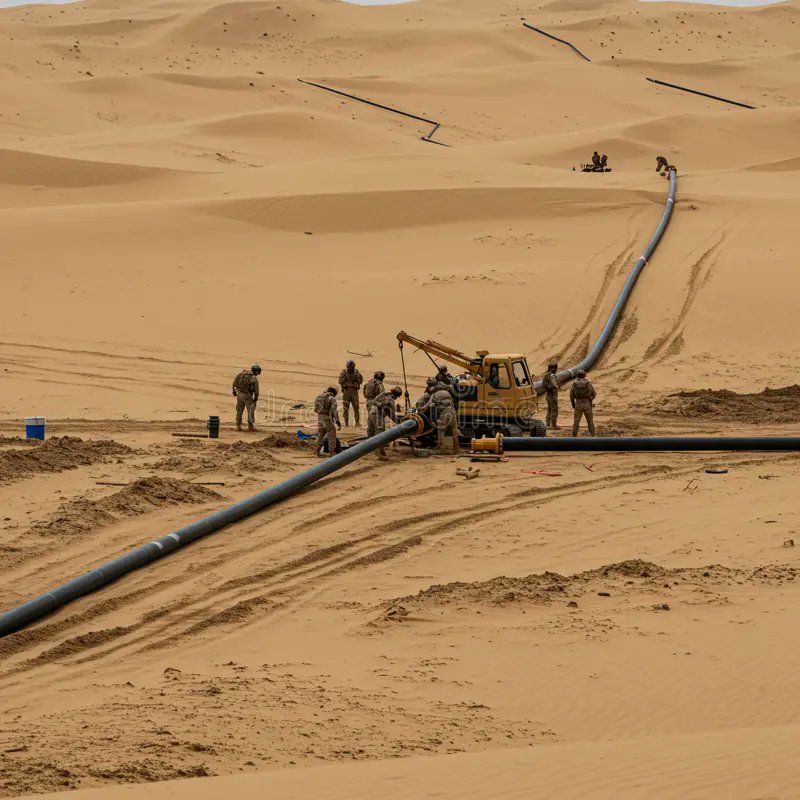
Riyadh’s export lifelines are severed, its allies are wavering, and its American patron has no spare capacity to save it Editorial Analysis | September 2026 The suspension of all crude oil loadings from the Red Sea port of Yanbu represents the most severe disruption to Saudi Arabia’s oil export capacity since the kingdom began exporting… Continue reading
-
The Boomerang of Impunity

Netanyahu’s Citizenship Threat, the Collapse of Cultural Silence and the Accelerating Shift Against Israeli Power General Article | September 2026 Benjamin Netanyahu stated in a video address that he would advance two bills aimed at those causing “immense damage” to the Israel Defense Forces. The first would enable revocation of citizenship for anyone who defames… Continue reading
-
The Arithmetic of Attrition in Ukraine’s Manpower

Official Admissions, Divergent Casualty Claims and the Strategic Limits of Ukraine’s Manpower Base General Article | September 2026 General Article | September 2026 In late August 2026 Kyrylo Budanov told a national telethon audience that Ukraine could not mobilise fewer than 30,000 people each month if it wished to preserve the current disposition of its… Continue reading
-
The Empire That Would Rather Burn Itself Than Share the World

An independent analysis of the 1992 Wolfowitz Doctrine, the RAND multi-domain strategy, and the structural reasons why a declining hegemon may attempt to topple the game board rather than accept a multipolar world Editorial Analysis | September 2026 The 1992 Defense Planning Guidance, drafted under the supervision of Paul Wolfowitz and leaked to the New… Continue reading
AI and Digital Control, America, bond market, China, economics, Energy, EUROPE, Financial markets, Foreign Policy, Geopolitics, Global Finance, imperialism, iran, israel, japan, knowledge, middle east, NATO, politics, reserve currency, Russia, satellites, technology, warAmerican primacy, Bilibili, China shipbuilding, class analysis, defence contractors, Extending Russia, institutional continuity, Iran threat assessment, multipolarity, National Endowment for Democracy, Nepal regime change, RAND Corporation, think tank funding, Venezuela oil seizure, Wolfowitz Doctrine, Yemen civilian casualties -
Yemen Just Changed the Rules of the War
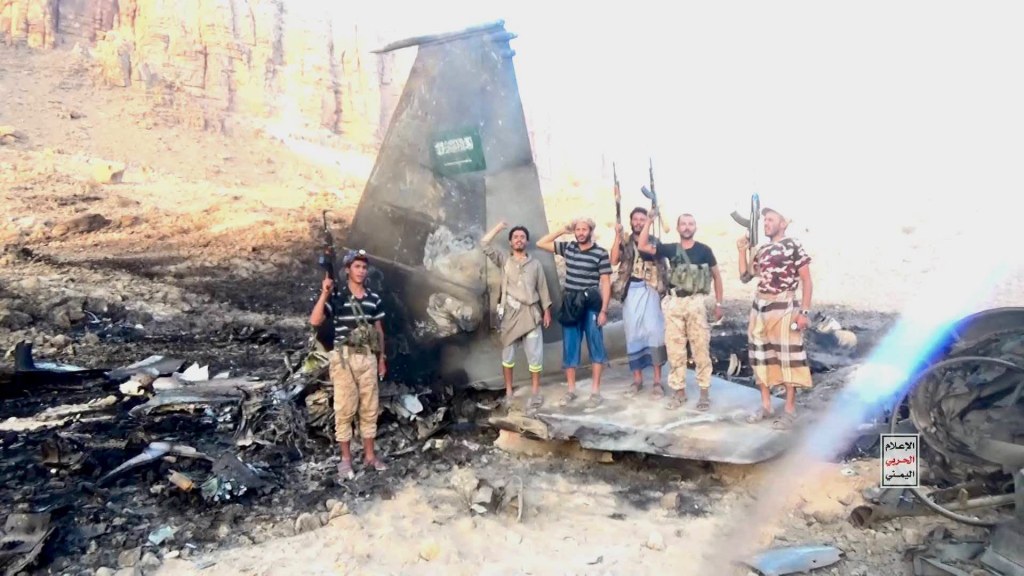
Yemen’s Defense Minister Just Put Riyadh, Abu Dhabi, and Manama on Notice Editorial Analysis | September 2026 The statement by Major General Mohammed Nasser al-Atifi that the next battle will not remain in Yemen but will penetrate deep into the territories of the aggressor coalition nations was not an isolated rhetorical flourish from a marginal… Continue reading
AI and Digital Control, America, bond market, China, economics, Energy, EUROPE, Financial markets, Foreign Policy, Geopolitics, Global Finance, imperialism, iran, israel, japan, middle east, NATO, neocolonialism, politics, reserve currency, Russia, waral-Atifi, American Hegemony, Ansarallah, Aramco, bab el mandeb, Bahrain, ballistic missiles, class analysis, deep-strike doctrine, East-West pipeline, Fifth Fleet, Fujairah, Gulf security, hypersonic glide vehicle, Jordan, materialist analysis, Muwaffaq Salti, Patriot, R2000, Saudi Arabia, THAAD, United Arab Emirates, Yemen -
America Pulled Out of Two Arms Treaties. It Backfired Spectacularly.
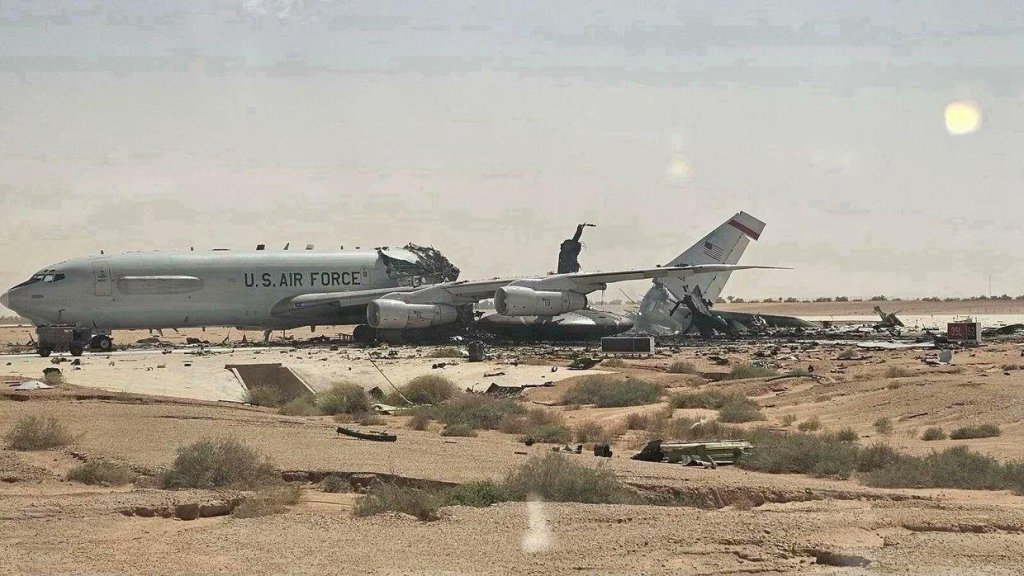
An independent analysis of how the United States dismantled the ABM and INF treaties, why the resulting weapons systems have failed to restore strategic advantage, and what the production disparities reveal about the class interests driving American militarism Editorial Analysis | September 2026 America Pulled Out of Two Arms Treaties. It Backfired Spectacularly. An independent… Continue reading
AI and Digital Control, America, bond market, China, economics, Energy, Financial markets, Foreign Policy, Geopolitics, Global Finance, imperialism, iran, israel, japan, middle east, Mineral Resources, NATO, neocolonialism, politics, warABM Treaty, Aegis Ashore, American decline, arms control, Brookings Institution, class analysis, defence contractors, hegemonic overstretch, INF Treaty, institutional continuity, Iskander, Oreshnik, political economy, Precision Strike Missile, think tanks, Tomahawk, Typhon system, Which Path to Persia -
Order Out of Chaos: The Architecture of Permanent Conflict

An independent analysis of the post-9/11 order, its institutional drivers, and the material consequences of hegemonic overreach Editorial Analysis | September 2026 The comment that Benjamin Netanyahu made on the evening of 11 September 2001, when asked by the New York Times what the attacks meant for relations between the United States and Israel, has… Continue reading
-
The Unipolar Delusion and the Return of Great-Power Politics: Why Western Escalation Reflects Panic Rather Than Strength
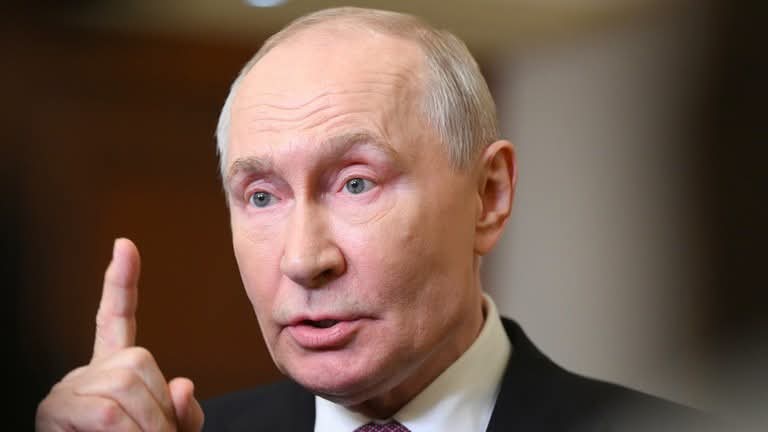
Editorial Analysis | September 2026 The collapse of the Soviet Union produced a distribution of global power that left Washington in effective control of the international system. That concentration of power, combined with the desire to maintain it in perpetuity, created structural incentives that shaped American foreign policy for three decades. One side emerged from… Continue reading
