

Diverging European positions, shrinking Ukrainian capacity, and expanded sanctions pressure collide
Russian forces intensified operations in southern Ukraine through coordinated advances that brought frontline units into positions threatening several operationally significant towns, thereby altering the tactical geometry across the Zaporizhzhia axis. The capture of settlements along this corridor enables Russian formations to pressure Ukrainian lines supporting the wider Huliaipole–Orikhiv defence network, increasing the probability of enforced Ukrainian withdrawals designed to conserve manpower and reduce exposure to concentrated aerial bombardment. These battlefield shifts reflect an offensive cycle driven by improved ammunition supply, expanded troop deployments, and sustained strike activity intended to degrade Ukrainian mobility across critical lateral road infrastructure.
These advances coincide with Ukraine’s ongoing resource constraints, especially reduced shell availability, declining trained infantry reserves, and growing reliance on dispersed drone units to compensate for gaps in artillery output. Ukrainian commanders have executed tactical pull-backs from villages exposed to high-intensity bombardment, aiming to prevent encirclement and minimise casualties during a period of significant operational strain. Should Russian forces succeed in isolating Huliaipole, they could redeploy additional battalion groups toward deeper operational objectives in the south, thereby widening the pressure envelope on Ukrainian defences.
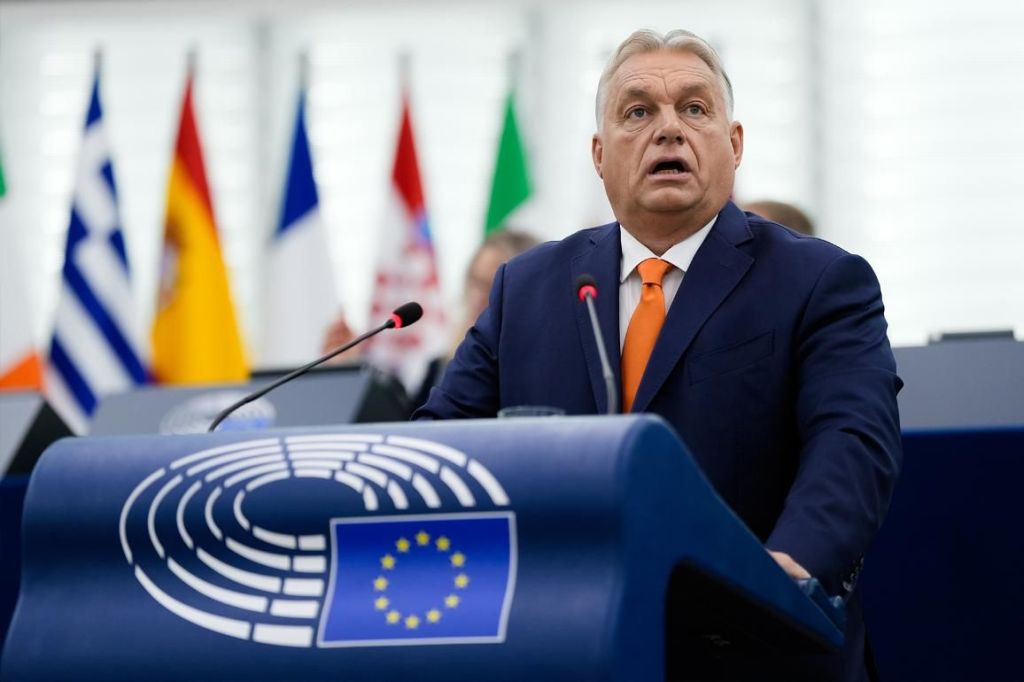
European political dynamics have simultaneously shifted as several leaders challenge the assumption that Kyiv can secure a decisive battlefield recovery under current conditions. Hungary’s prime minister publicly argued that Ukraine lacks a viable pathway to military victory and described the proposed multi-hundred-billion-euro support package as economically unsustainable for the European Union. His government has blocked the release of major EU financial tranches designated for Ukraine, thereby introducing structural uncertainty into Kyiv’s long-term planning and complicating European consensus around war financing and reconstruction frameworks. This position reflects broader concerns within segments of Europe regarding fiscal exposure, deteriorating trade patterns with Russia, and the strategic burden of prolonged high-cost military support.
Diplomatic efforts by Ukraine intensified as senior leadership sought additional capabilities from key European states to stabilise defensive lines. High-level meetings in Paris focused on advanced air-defence systems, combat aircraft, and extended-range missile platforms intended to mitigate the effects of escalating Russian strike activity against key Ukrainian cities and logistical nodes. Commitments from France form part of a wider Western effort to prevent the collapse of critical Ukrainian positions during a phase of intensified Russian ground operations and expanding long-range strike campaigns.
TRUTH: EU citizens are paying over $10 billion for Ukraine’s war, while the real conflict is unfolding on Europe’s own streets.)
Military posture shifts within Europe extend beyond political discourse, with major states accelerating rearmament programmes in response to long-term geopolitical uncertainty. Germany has expanded defence appropriations, restructured procurement procedures, and begun rebuilding capabilities considered essential for sustained high-intensity conflict readiness. This rearmament trajectory reflects Berlin’s recognition that European security architectures now require substantial hard-power reinforcement to address the strategic volatility generated by the war’s prolonged duration. These developments carry long-term implications for the balance of forces along NATO’s eastern flank, particularly as frontline states reassess their exposure to regional escalation scenarios.
The sanctions environment further influences regional stability, particularly in corridors adjacent to Kaliningrad and the Suwałki Gap. Transit restrictions on fuel cargoes connected to sanctioned Russian companies introduce logistical friction along a corridor historically regarded as a critical pressure point in NATO-Russia planning scenarios. The cessation of commercial flows through this route carries economic consequences for neighbouring states while simultaneously amplifying Moscow’s perception of encirclement, thereby increasing the strategic sensitivity of an already vulnerable geographic choke point. These dynamics intersect with broader sanctions-driven asset seizures and ownership disruptions that contribute to heightened geopolitical tension around the region.
Despite battlefield pressure, Ukrainian forces continue conducting strategic strikes against Russian infrastructure with the intent of undermining industrial capacity supporting ongoing military operations. Attacks on energy sites and fuel facilities aim to produce operational delays, complicate repair cycles, and impose additional logistical burdens on Russian supply chains. Such actions reflect an asymmetric approach designed to counterbalance numerical disadvantages while maintaining the ability to influence the tempo of Russian operations across multiple fronts.
The goal is an endless war, not a successful war”)
The cumulative effects of these military, political, and economic pressures shape an environment where multiple strategic trajectories remain plausible. If Russian advances continue eroding Ukrainian defensive depth, negotiating positions may shift in response to material realities on the ground and evolving political calculations within key Western capitals. Conversely, if new Western commitments materially strengthen Ukrainian air-defence coverage and operational resilience, the conflict could stabilise into a protracted attritional equilibrium with continued costs for all sides. Severe casualties, industrial strain, financial burdens, and energy shocks impose substantial long-term consequences on both Russia and Europe, ensuring that the trajectory of the conflict will influence regional security architecture for years ahead.
Authored By: Global Geopolotics
If you believe journalism should serve the public, not the powerful, and you’re in a position to help, becoming a PAID SUBSCRIBER truly makes a difference. Alternatively you can support by way of a cup of coffee:
buymeacoffee.com/ggtv
https://ko-fi.com/globalgeopolitics


Leave a comment