
Russia
-
The Unipolar Delusion and the Return of Great-Power Politics: Why Western Escalation Reflects Panic Rather Than Strength
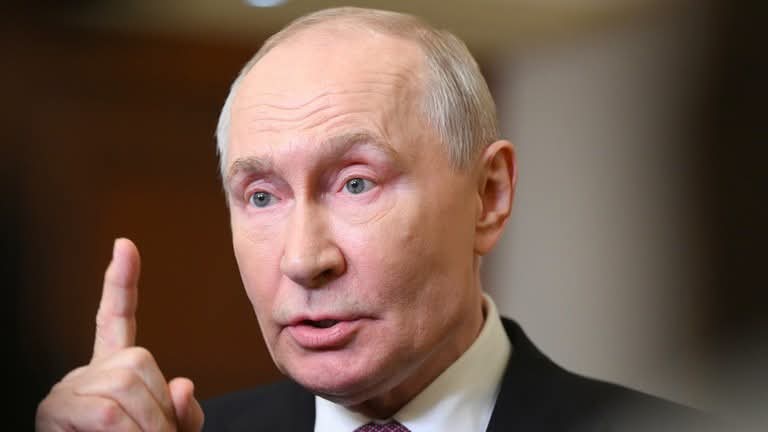
Editorial Analysis | September 2026 The collapse of the Soviet Union produced a distribution of global power that left Washington in effective control of the international system. That concentration of power, combined with the desire to maintain it in perpetuity, created structural incentives that shaped American foreign policy for three decades. One side emerged from… Continue reading
-
Ukraine’s Losing War and the West’s Strategic Dead End
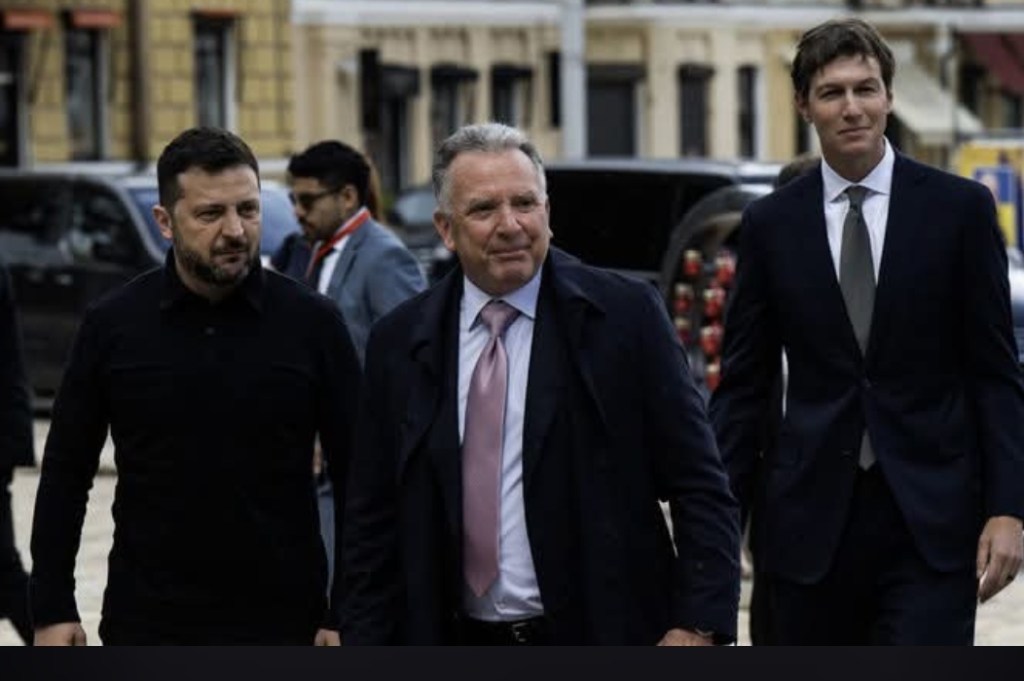
How military exhaustion, fiscal collapse, and internal political disintegration have transformed the conflict into a question of settlement terms rather than battlefield victory Editorial Analysis | September 2026 Ukraine is losing this war, and the trajectory of defeat, while gradual, appears increasingly inexorable. This is not a judgment upon the Ukrainian soldiers nor upon the… Continue reading
-
The Arsenal of Empire – How Private Profit and Strategic Overreach Are Breaking the American Military
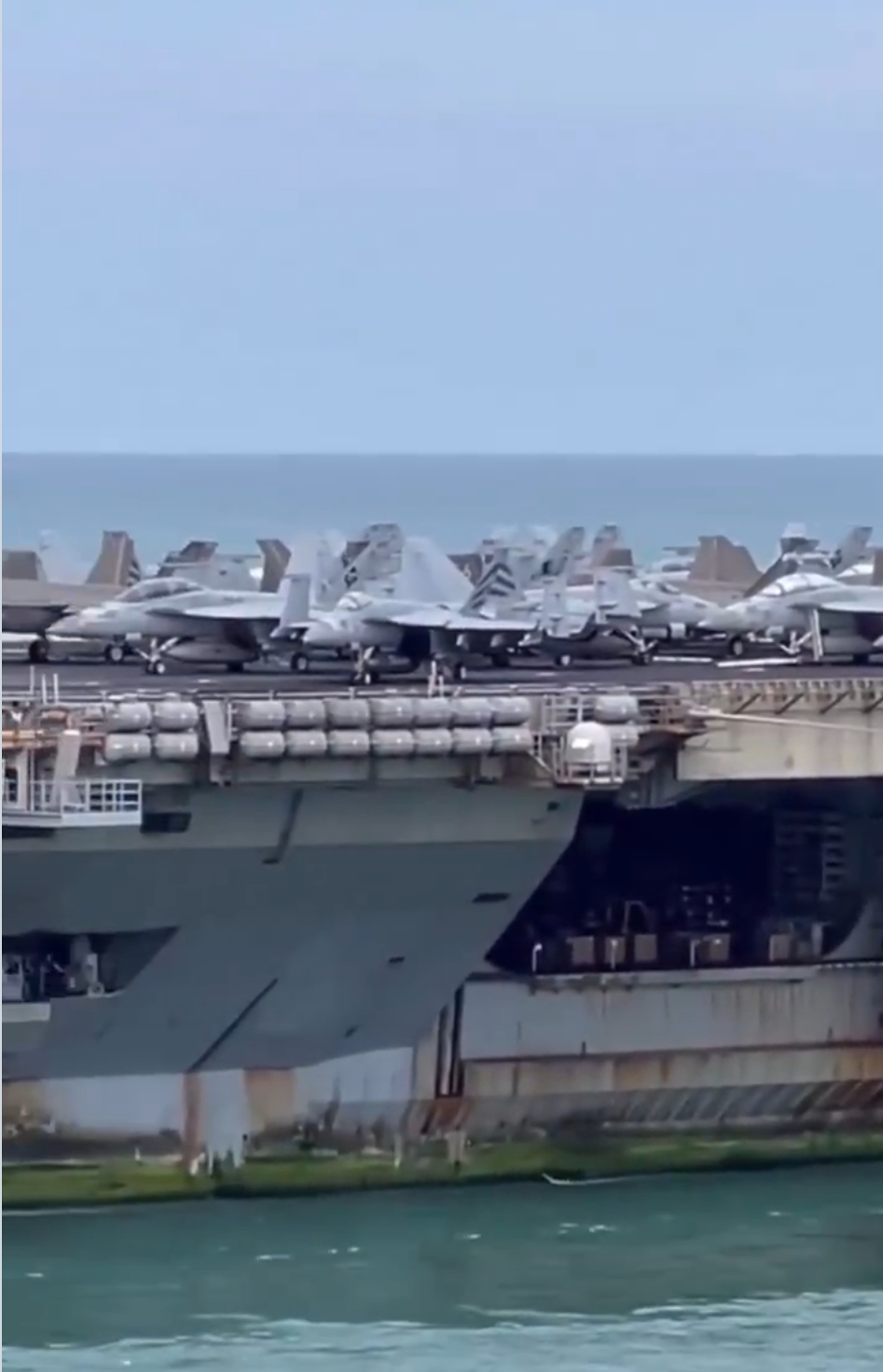
From the failure of Silicon Valley’s defence startups on Ukrainian battlefields to the logistical collapse of the United States Navy in the Persian Gulf, the gap between American military spending and American military capability has become a chasm that no amount of additional funding can bridge Editorial Analysis | September 2026 The performance of the… Continue reading
-
Britain Transfers Storm Shadow Technology as Moscow Withdraws Its Ambassador
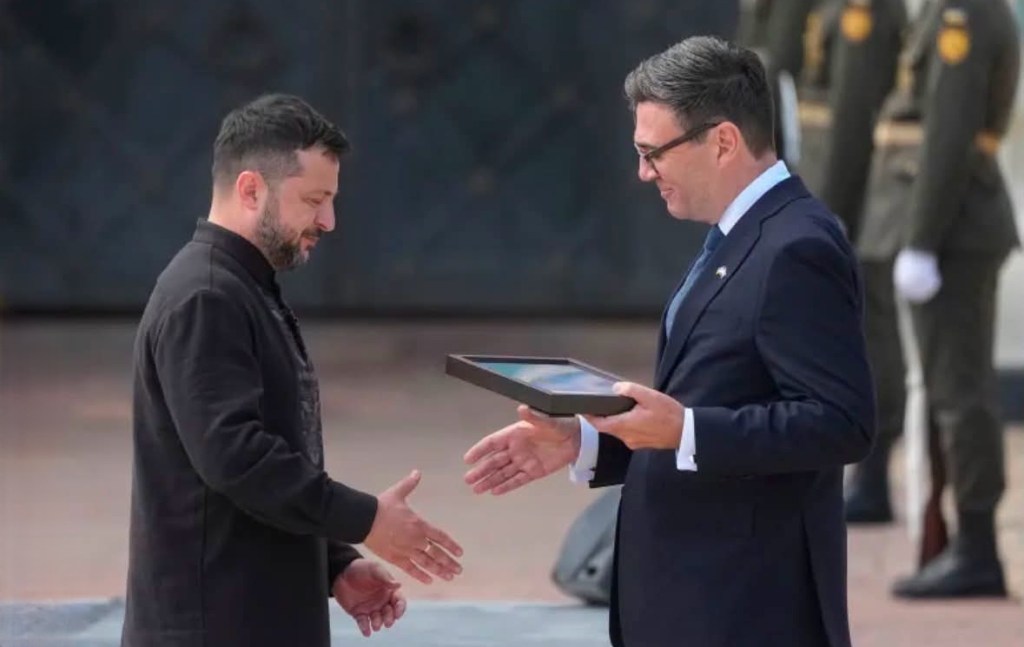
Technology transfer, an empty Russian embassy in London and explicit threats of strikes on production sites mark a decisive hardening of the European-Russian confrontation over Ukraine British Prime Minister Andy Burnham arrived in Kyiv on 24 August 2026 for his first overseas engagement since taking office, coinciding with the thirty-fifth anniversary of Ukrainian independence. During… Continue reading
-
Jurisdiction and Impunity

By attacking the ICC, the United States is undermining the international legal order that it has historically used to legitimise its own interventions The International Criminal Court, established by the Rome Statute in 1998 and operational since 2002, represents the most ambitious effort in history to create a permanent international tribunal capable of prosecuting genocide,… Continue reading
-
The Backfire as Putin Loses Patience
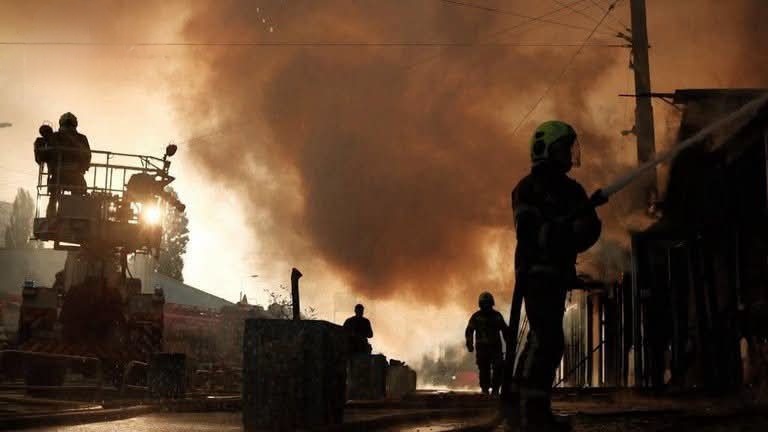
How Ukraine’s Drone Offensive Accelerated Its Own Strategic Collapse The forty-day drone offensive launched by Ukraine against Russian territory represents one of the most significant tactical gambits of the entire conflict, and its consequences will likely reshape the trajectory of the war in ways that Kyiv’s planners almost certainly did not anticipate. President Volodymyr Zelensky… Continue reading
-
A Marxist critique of the European push for war with Russia
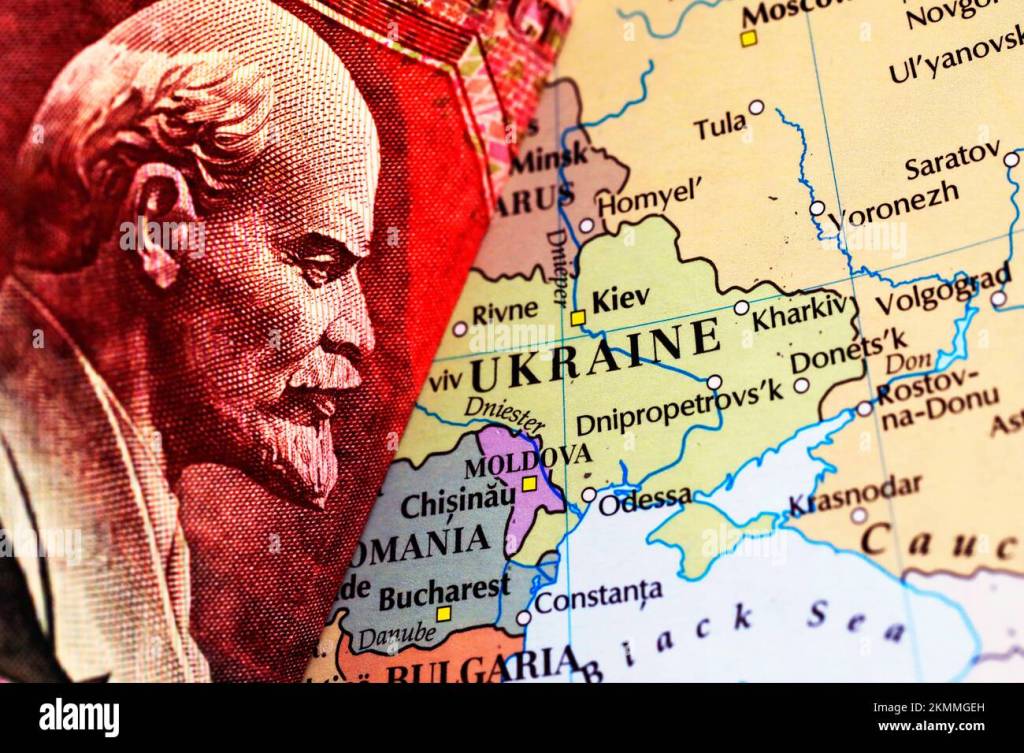
European elites are accelerating the push toward direct military confrontation with Russia not to defend democratic values or territorial integrity, but to preserve their own class power and wealth The central argument is that European elites are accelerating the push toward direct military confrontation not to defend democratic values or territorial integrity, but to preserve… Continue reading
AI and Digital Control, America, China, economics, Energy, EUROPE, Financial markets, Foreign Policy, Geopolitics, Global Finance, imperialism, iran, israel, Mineral Resources, NATO, neocolonialism, politics, reserve currency, Russia, waranti-war movement, austerity, BRICS, class struggle, colonialism, EUROPE, Global South exploitation, imperialism, imperialist war, Marxism-Leninism, multipolarity, NATO expansion, neoliberalism, primitive accumulation, Professor Richard Wolff, proletariat, Recolonisation, ruling class, Russia, Ukraine war -
Europe’s Recolonisation Project
How the Push for War With Russia Serves the Bourgeoisie’s Desperate Need to Revive a Dying System Editorial Analysis | August 2026 The war in Ukraine, which has now entered its fourth year, is not fundamentally a conflict about territorial integrity, national self-determination, or the defence of de mocratic values. These are the narratives presented… Continue reading
AI and Digital Control, America, economics, Energy, EUROPE, Financial markets, Foreign Policy, Geopolitics, Global Finance, imperialism, iran, israel, Mineral Resources, NATO, neocolonialism, reserve currency, Russia, waranti-war movement, austerity, BRICS, class struggle, colonialism, EUROPE, Global South exploitation, imperialism, imperialist war, Marxism-Leninism, multipolarity, NATO expansion, neoliberalism, primitive accumulation, Professor Richard Wolff, proletariat, Recolonisation, ruling class, Russia, Ukraine war -
The Petro-less Dollar
How Washington’s War on Iran Has Undermined the Financial Foundation of American Power The interruption of crude oil trade through the Strait of Hormuz and the Red Sea has produced an outcome that Washington’s strategic planners almost certainly did not anticipate when they launched military operations against Iran in February 2026 (1). Throughout the entire… Continue reading
-
Russia Threatens Reciprocal Ship Seizures as Warship Maintains Permanent Channel Presence

Permanent Russian naval presence in the Channel and explicit threats of reciprocal merchant-ship seizures mark a doctrinal shift from protective escort to contested enforcement of maritime trade routes Russian President Vladimir Putin has warned that Moscow will respond “in kind” to European seizures of vessels linked to its oil trade, stating that any such actions… Continue reading
