
military industrial complex
-
The Arsenal of Empire – How Private Profit and Strategic Overreach Are Breaking the American Military
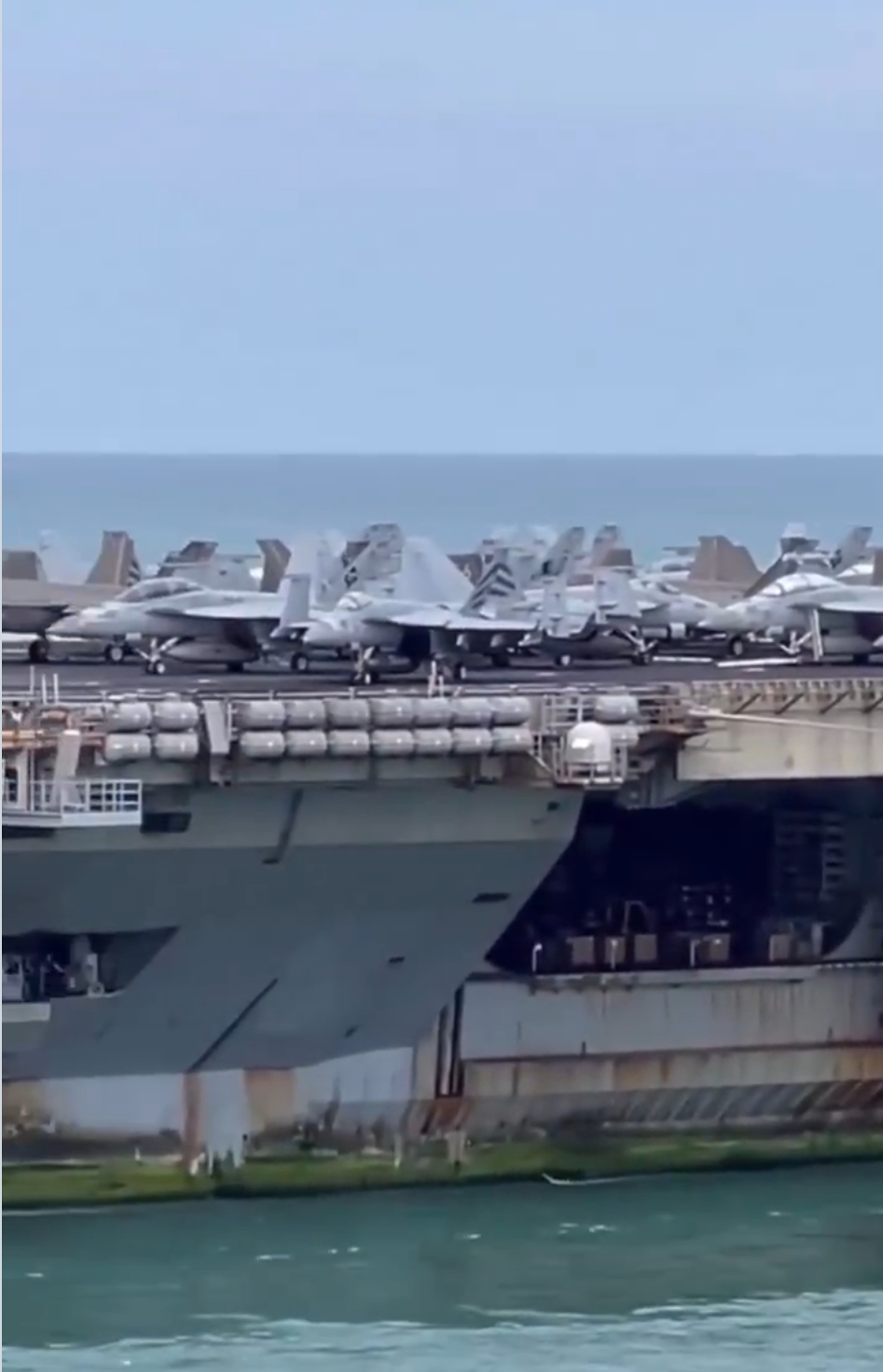
From the failure of Silicon Valley’s defence startups on Ukrainian battlefields to the logistical collapse of the United States Navy in the Persian Gulf, the gap between American military spending and American military capability has become a chasm that no amount of additional funding can bridge Editorial Analysis | September 2026 The performance of the… Continue reading
-
The Extension of Empire – Israel as America’s Forward Military Arm
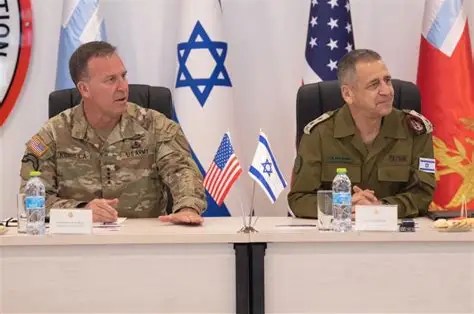
How US logistical support, intelligence sharing, and operational integration make Israeli military action inseparable from American strategic objectives Introduction: The Question of Agency Among the most persistent fictions in contemporary geopolitical commentary is the proposition that Israel acts as an independent military power, capable of initiating and sustaining major military operations without American approval or… Continue reading
AI and Digital Control, America, China, economics, Energy, EUROPE, Financial markets, Foreign Policy, Geopolitics, Global Finance, iran, israel, middle east, Mineral Resources, NATO, neocolonialism, politics, Russia, waraerial refuelling, CENTCOM coordination, energy security, global energy markets, intelligence sharing, Iran conflict, Israel defence, joint military operations, LNG exports, maritime chokepoints, Middle East geopolitics, military dependency, military industrial complex, Operation Roaring Lion, qualitative military edge, Strait of Hormuz, strategic dependence, US foreign policy, US-Israel alliance -
The Racket That Never Sleeps: How War Profiteers Manufacture Consent and Sell Sacrifice
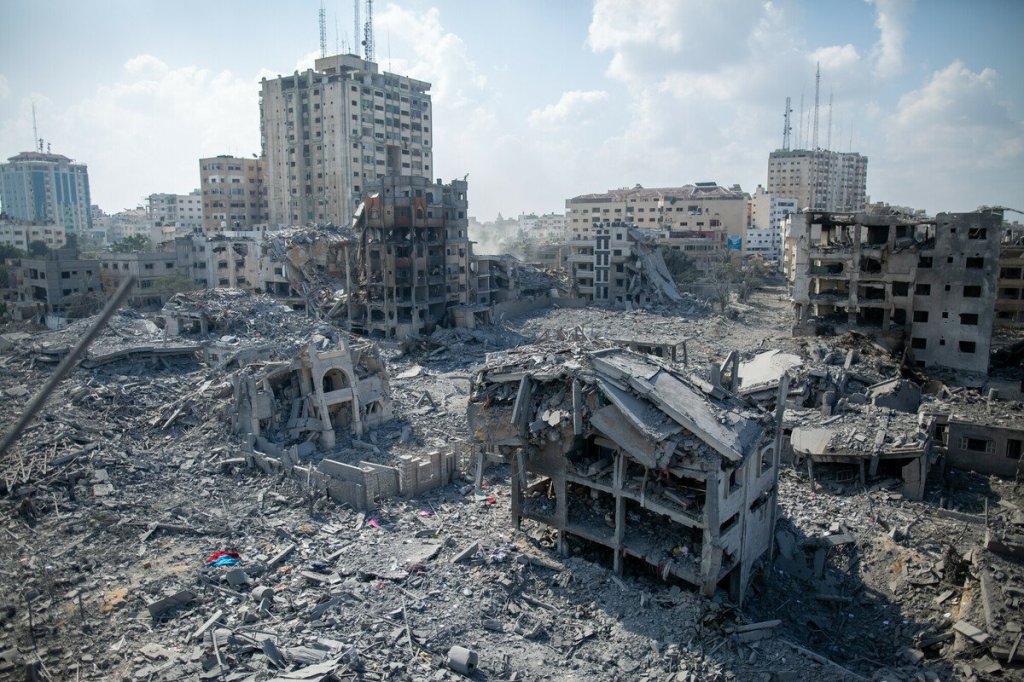
A plain-language investigation into the business of organised violence, the myths that sustain it, and the interests that profit from it War is a racket. Those words were written in 1935 by Major General Smedley Butler, a decorated veteran who had spent his career fighting America’s foreign wars and came to recognise that he had… Continue reading
AI and Digital Control, America, China, economics, Energy, EUROPE, Financial markets, Foreign Policy, Geopolitics, Global Finance, imperialism, iran, israel, middle east, Mineral Resources, NATO, neocolonialism, politics, Russia, south africa, warconflict resolution, cultural conditioning, Defence Industry, Geopolitics, human nature, ideology, institutional critique, international relations, militarism, military industrial complex, military training, nationalism, organised violence, peace movements, peace studies, political economy, propaganda, social construction, structural violence, war studies -
The President Changes. The Strategy Doesn’t

American Primacy, Structural Entrenchment, and the Path to Permanent Conflict On 8 March 1992, the New York Times published a front-page report under the headline “U.S. Strategy Plan Calls for Insuring No Rivals Develop,” based on a leaked draft of the Pentagon’s Defense Planning Guidance for fiscal years 1994 to 1999. The document, drafted under… Continue reading
AI and Digital Control, America, China, economics, EUROPE, Financial markets, Foreign Policy, Geopolitics, Global Finance, iran, israel, middle east, Mineral Resources, NATO, politics, reserve currency, Russia, war$1.5 trillion defence spending, AI competition, American exceptionalism, American population, American primacy, anti-ship missiles, arms procurement, Asian energy dependency, AUKUS, Boeing, Brian Berletic, British Empire, burden sharing, China containment, Chinese education, Chomsky, CIA drone operations, controlled demolition, corporate capture, corporate extraction, defence budget, Defense Planning Guidance 1992, Dick Cheney, domestic austerity, economic nationalism, escalation, Force Design 2030, General David Berger, General Dynamics, geopolitical analysis, Georgetown CSET, Grand Bargain, great power competition, hegemonic decline, Herman, historical precedent, I. Lewis Libby, ideological indoctrination, imperial overextension, Indo-Pacific strategy, Iran war 2026, japan, LNG markets, Lockheed Martin, manufacturing consent, Marine Littoral Regiments, media distraction, Middle East energy disruption, military industrial complex, multipolar world, national debt, National Science Board, National Security Strategy 2025, New Eastern Outlook, NMESIS, no rivals develop, Northrop Grumman, One Big Beautiful Bill, One China policy, Paul Wolfowitz, perpetual conflict, petrodollar, Philippines, political theatre, post-Cold War strategy, proxy warfare, RAND Corporation, Raytheon, reindustrialisation, rent-seeking economy, reserve currency, Russian energy blockade, science and engineering indicators, semiconductors, Senate Armed Services Committee, shareholder primacy, social spending cuts, South Korea, Soviet collapse, STEM graduates, Strait of Hormuz, structural entrenchment, taiwan, tariffs, technological competition, think tank policy, Trump foreign policy, Ukraine proxy war, unipolarity, US dollar hegemony, wall street, Wolfowitz Doctrine, workforce competition, world war risk -
The Empire’s Mask Is Slipping

More people are starting to question the gap between what the West says it stands for and the destruction left behind by its wars, sanctions, and interventions. The Vietnamese leader, Ho Chi Minh said: “There is no destroyed house, scattered stone, severed hand, bereaved mother, or disfigured nation in which you will not find a… Continue reading
AI and Digital Control, America, China, economics, Energy, EUROPE, Financial markets, Foreign Policy, Geopolitics, Global Finance, iran, israel, middle east, Mineral Resources, NATO, politics, reserve currency, warAmerican empire, Anti War, empire, Endless War, Foreign Policy, Geopolitics, global power, Ho Chi Minh, imperialism, international relations, Iraq War, media propaganda, military industrial complex, narrative control, Palestine, Political Analysis, regime change, sanctions, Vietnam, Western Hegemony -
The Choke Point Doctrine
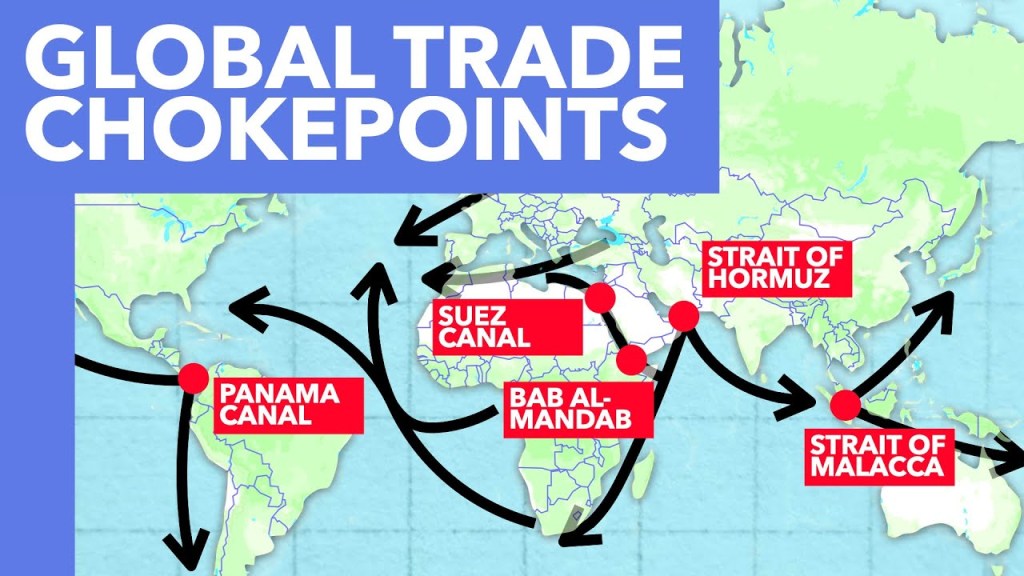
How American economic and military pressure now targets the Strait of Hormuz, the Strait of Malacca, the Panama Canal, the Suez Canal, the Strait of Gibraltar, and the Arctic passages The headline video below is circulating on social media under the title “It’s Not Chaos. It’s The Blueprint” argues that the seemingly disconnected crises in… Continue reading
AI and Digital Control, America, China, economics, Energy, EUROPE, Financial markets, Foreign Policy, Geopolitics, Global Finance, iran, israel, middle east, Mineral Resources, NATO, politics, reserve currency, Russia, warAdmiral Samuel Paparo, American empire, April 2026, Arctic passages, artificial intelligence, Belt and Road Initiative, Brookings Institution, China containment, choke point doctrine, energy security, geopolitical analysis, global trade routes, Greenland, Hong Kong, imperial decline, Indonesia military partnership, Iran War, lithium triangle, Malacca Dilemma, maritime interdiction, Maritime Strategy, Marshall Plan, military industrial complex, Morocco defence agreement, multipolarity, national security, naval blockade, Operation Stargate, Panama Canal, Panama ports, petrodollar, RAND Corporation, Senate Armed Services Committee, Strait of Gibraltar, Strait of Hormuz, Strait of Malacca, strategic petroleum reserve, Suez Canal, unipolarity, United States foreign policy, Venezuela Oil -
Kagan and Boot: The Guilty Are Writing the Verdict (Extended Version)
From Tehran to Taiwan: The Men Who Built America’s Empire Are Now Writing Its Autopsy The extraordinary significance of the Max Boot interview with former CIA analyst John Culver does not rest merely in the military assessments themselves, severe as they already appear. The deeper significance rests in who is speaking, where they are speaking,… Continue reading
AI and Digital Control, America, China, East Africa, economics, Energy, Financial markets, Foreign Policy, Geopolitics, Global Finance, iran, israel, NATO, politics, reserve currency, warAmerican decline, American empire, American Power, Atlanticism, Belt and Road Initiative, China, containment strategy, de-dollarisation, defence policy, empire, energy politics, Eurasia, Eurasian integration, Geopolitics, Geostrategy, global hegemony, global order, great power competition, imperial overstretch, Indo-Pacific, Indo-Pacific strategy, Industrial Capacity, international relations, iran, John Culver, maritime power, Max Boot, military industrial complex, Military Primacy, military strategy, multipolar world order, NATO, Neoconservatism, petrodollar, political economy, Project for the New American Century, Robert Kagan, Russia, sanctions, South China Sea, Strait of Hormuz, Strategic Competition, Strategic Decline, taiwan, Taiwan Strait, Ukraine war, unipolarity, US foreign policy, US Hegemony, US Navy, US-China relations, Washington Consensus, West Asia -
The Unipolar Machine: Structure of Unipolar Warfare
A Geopolitical Analysis of the United States Senate Hearing on Indo-Pacific Command, April 2026 – (Part One) For most people who follow international affairs, the daily news cycle provides a sense of orientation. Headlines announce wars, peace talks, diplomatic summits, and military mobilisations. Politicians stand behind lecterns and speak of freedom, democracy, and the defence… Continue reading
AI and Digital Control, America, China, economics, Energy, EUROPE, Financial markets, Foreign Policy, Geopolitics, Global Finance, iran, israel, middle east, Mineral Resources, NATO, politics, reserve currency, warAmerican decline, BYD versus Tesla, China containment, energy blackmail, energy war, hellscape strategy, Indo-Pacific Command, LNG decoupling, military industrial complex, Nord Stream, Orwellian language, permanent war, proxy warfare, Senate hearing 2026, South Korea, taiwan, Ukraine template, unipolarity, US foreign policy, wood chipper doctrine -
The Unipolar Machine: Evidence and the Future

A Geopolitical Analysis of the United States Senate Hearing on Indo-Pacific Command, April 2026 – (Part Two) The fifth and most disturbing pattern in the testimony was the explicit preparation for a future war with China. Admiral Paparo described the Indo-Pacific Command as an AI-powered headquarters racing to achieve decision superiority over Beijing. General Brunson… Continue reading
AI and Digital Control, America, China, economics, Energy, EUROPE, Financial markets, Foreign Policy, Geopolitics, Global Finance, iran, israel, middle east, NATO, politics, Russia, warAmerican decline, BYD versus Tesla, China containment, energy blackmail, energy war, hellscape strategy, Indo-Pacific Command, LNG decoupling, military industrial complex, Nord Stream, Orwellian language, permanent war, proxy warfare, Senate hearing 2026, South Korea, taiwan, Ukraine template, unipolarity, US foreign policy, wood chipper doctrine -
The Unipolar Machine: A Geopolitical Analysis of the United States Senate Hearing on Indo-Pacific Command, April 2026

How a United States Senate hearing revealed the machinery of permanent war, energy blackmail, the consumption of proxies and the making of a new Asian front For most people who follow international affairs, the daily news cycle provides a sense of orientation. Headlines announce wars, peace talks, diplomatic summits, and military mobilisations. Politicians stand behind… Continue reading
AI and Digital Control, America, China, economics, Energy, EUROPE, Financial markets, Foreign Policy, Geopolitics, Global Finance, iran, israel, middle east, Mineral Resources, NATO, politics, reserve currency, Russia, South East Asia, warAdmiral Samuel Paparo, American exceptionalism, April 2026, B-21 bomber, bipartisan continuity, China containment, Columbia class submarine, defence contracting, elite capture, energy as weapon, General Dynamics, General Xavier Brunson, imperial bureaucracy, Indo-Pacific Command, LNG decoupling, military industrial complex, National Endowment for Democracy, Nord Stream sabotage, Northrop Grumman, Orwellian language, proxy relationships, RAND Corporation Extending Russia, Senate Armed Services Committee, South Korea military alliance, Strait of Hormuz, Strait of Malacca, unipolarity, United States foreign policy, wartime operational control
