
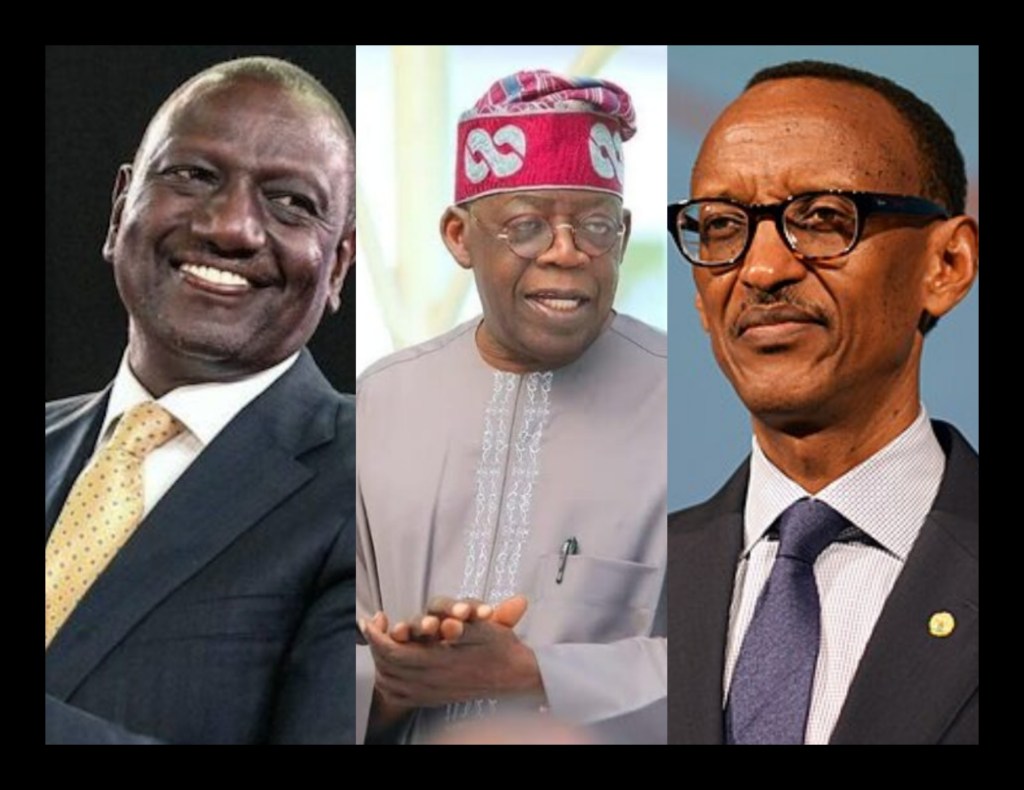
Critics warn that secretive MOUs signed without public consultation risk exposing strategic population data to foreign interests amid growing geopolitical competition
Several African governments have come under scrutiny following the signing of memoranda of understanding with the United States that critics say could expose sensitive national health data to foreign access without public consent or parliamentary debate.
According to publicly disclosed agreements and government announcements, Nigeria, Rwanda, Kenya, Uganda, Mozambique, Lesotho, Liberia and Eswatini have entered into cooperation frameworks with the United States covering health systems, data sharing and technical collaboration. While officials describe the arrangements as necessary for improving healthcare delivery, disease surveillance and investment, critics argue that the agreements raise serious concerns about sovereignty, transparency and accountability.
Civil society groups and political commentators across the continent say the MOUs were signed without meaningful consultation with the populations affected, and in some cases without clear legislative oversight. They argue that the language in the agreements prioritises US strategic and commercial interests, particularly those of American corporations operating in the health, biotechnology and data sectors, while offering limited guarantees on data protection, ownership or long term national benefit.
The criticism comes amid broader unease about the geopolitical imbalance between African states and Western powers. Analysts note that health data has become a strategic asset, valuable not only for public health planning but also for pharmaceutical research, artificial intelligence development and commercial exploitation. In this context, sharing large scale population data with foreign governments and corporations is seen by critics as a transfer of strategic leverage from African states to external actors.
Opposition figures and activists have linked the agreements to a longer history of Western involvement in African governance, arguing that foreign backing has often sustained political elites who lack strong domestic legitimacy. They claim that international praise for leaders who sign such agreements reflects alignment with external interests rather than accountability to their own citizens.
These concerns are frequently framed through references to Cold War era and post Cold War policy documents such as the US National Security Study Memorandum 200 and the Global 2000 Report, which examined population growth in developing countries in relation to resource security. While those documents are decades old, critics argue that their underlying logic continues to influence contemporary policy through health, agriculture and development programmes, particularly in regions rich in strategic minerals.
Supporters of the agreements reject these interpretations, saying the MOUs are standard instruments of international cooperation and that participation is voluntary. They argue that partnerships with the United States bring funding, expertise and infrastructure that African health systems urgently need. Governments involved have largely dismissed claims of exploitation, insisting that national laws on data protection remain in force.
Nevertheless, the controversy has highlighted a growing demand across Africa for greater transparency in international agreements and for public participation in decisions with long term national implications. For many critics, the issue is less about cooperation itself and more about who defines its terms and who ultimately benefits.
The debate has revived the words of Mozambique’s first president, Samora Machel, who warned that external praise can be a sign of betrayal rather than success. As geopolitical competition intensifies and data becomes an increasingly valuable resource, pressure is mounting on African leaders to demonstrate that international partnerships serve their populations first, rather than foreign powers or personal political interests.
I have written two articles that shed light on this scandal:
- Africa’s New Data Dependency – A Quiet Transfer of Sovereignty
Data agreements are replacing “colonial armies” as tools of domination and returning external governance – https://open.substack.com/pub/ggtvstreams/p/creeping-recolonisation?r=43m4ah&utm_campaign=post&utm_medium=web - Creeping Recolonisation
Military immunity, data governance, and Kenya’s changing sovereignty – https://open.substack.com/pub/ggtvstreams/p/creeping-recolonisation?r=43m4ah&utm_campaign=post&utm_medium=web
Authored By: Global Geopolitics
If you believe journalism should serve the public, not the powerful, and you’re in a position to help, becoming a PAID SUBSCRIBER truly makes a difference. Alternatively you can support by way of a cup of coffee:
buymeacoffee.com/ggtv
https://ko-fi.com/globalgeopolitics


Leave a comment