
East Africa
-
Madagascar Bars Government Officials from Sending Their Children Abroad for Education
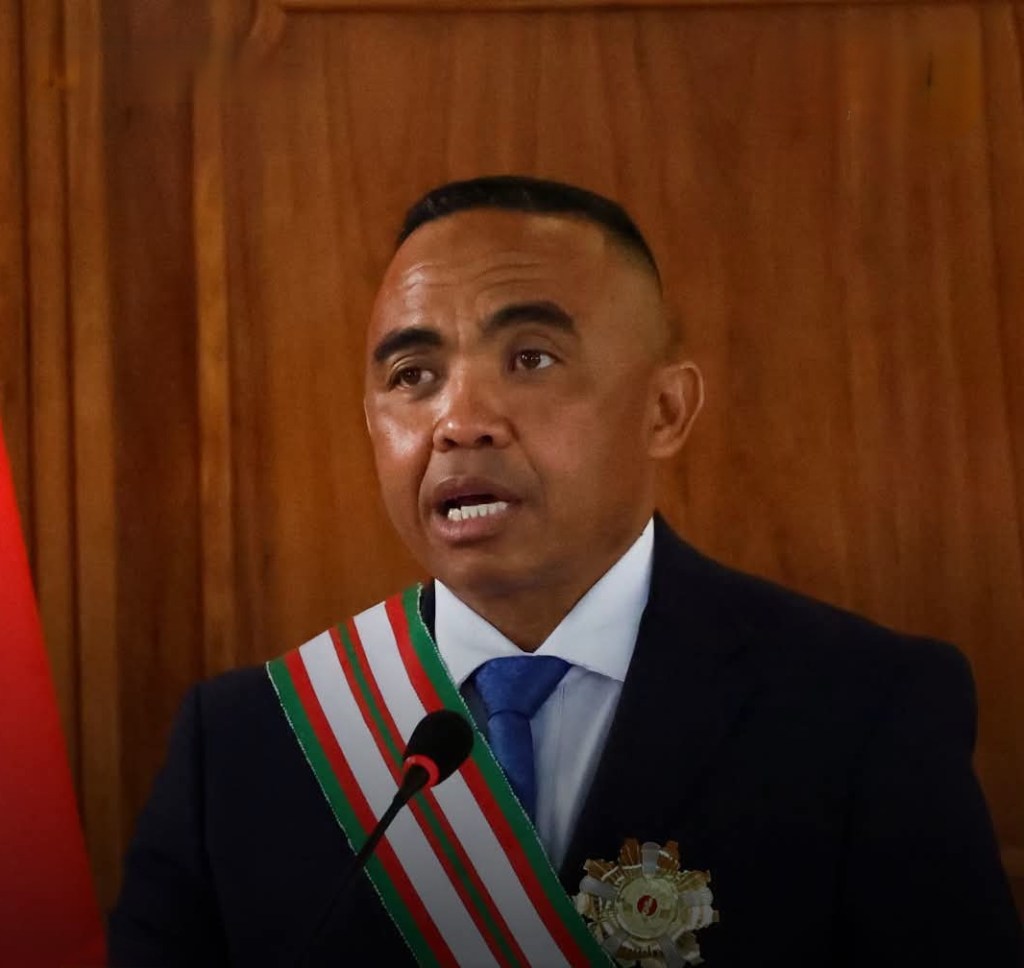
President Michael Randrianirina’s reported directive seeks to hold the political elite accountable for the state of the country’s education system, raising questions about equality, public investment and the limits of political coercion. General Article | October 2026 Madagascar’s President, Colonel Michael Randrianirina, has reportedly issued a directive prohibiting ministers and government officials from sending their… Continue reading
africa, AI and Digital Control, America, Carribean, China, East Africa, economics, Geopolitics, imperialism, knowledge, neocolonialism, politics, technologyAfrican politics, economic inequality, education policy, education reform, educational inequality, government reform, Madagascar, Madagascar politics, material analysis, Michael Randrianirina, national development, political accountability, political elite, public education, public institutions, realist analysis -
Putin Warns of Nuclear Risk and ‘Digital Totalitarianism’ in Marathon Valdai Address
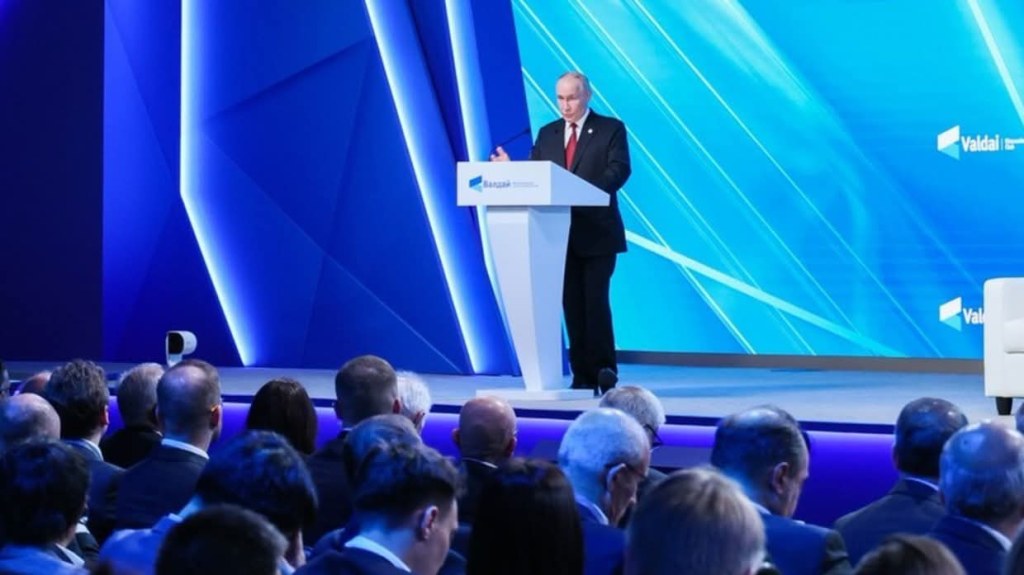
Regarding the conflict in Ukraine, now approaching its fifth year, Putin reiterated that Russia’s objectives are rooted in security concerns rather than territorial ambition MOSCOW – Russian President Vladimir Putin delivered a sweeping indictment of Western policy and a stark warning about the future of artificial intelligence during a more than three-hour address at the… Continue reading
-
The Sahel Insurrection and the Break from Neo-Colonial Rule
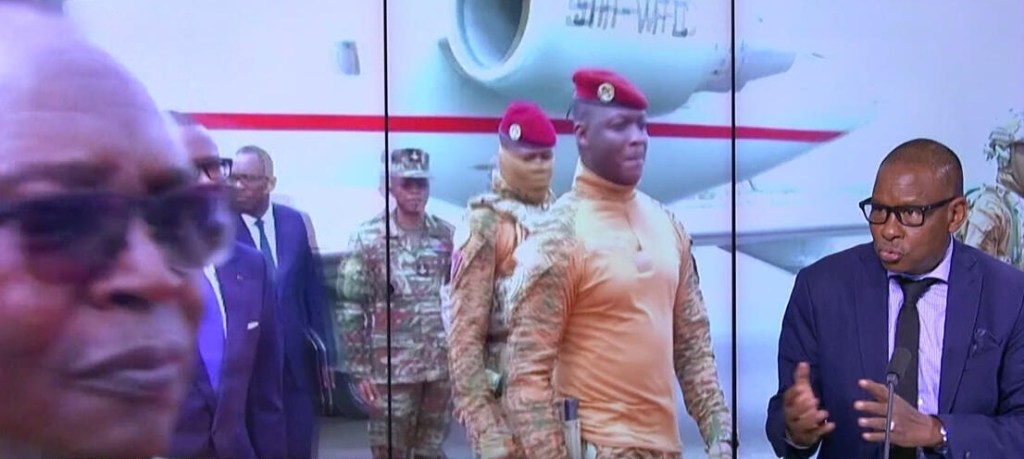
How Burkina Faso, Mali, and Niger transformed the struggle against terrorism into a war of national liberation, reclaimed their resources from French control, and constructed a Pan-African alternative to the IMF’s perpetual indebtedness Editorial Analysis | October 2026 The transformation of the Sahel from a region of perpetual instability and external domination to a laboratory… Continue reading
-
The Ideological Architecture of the Free Market Myth and the Material Realities of State-Enforced Capital Accumulation

Class Power, Institutional Coercion, and the Dialectical Deconstruction of Market Neutrality in International Political Economy General Article | August 2026 The conventional framing of the global economic order around principles of unencumbered market exchange systematically disguises the coercive mechanisms that sustain contemporary capital accumulation. Liberal economic theory relies upon an abstract idealisation of market dynamics… Continue reading
-
Do Not Underestimate the United States (Long Version)
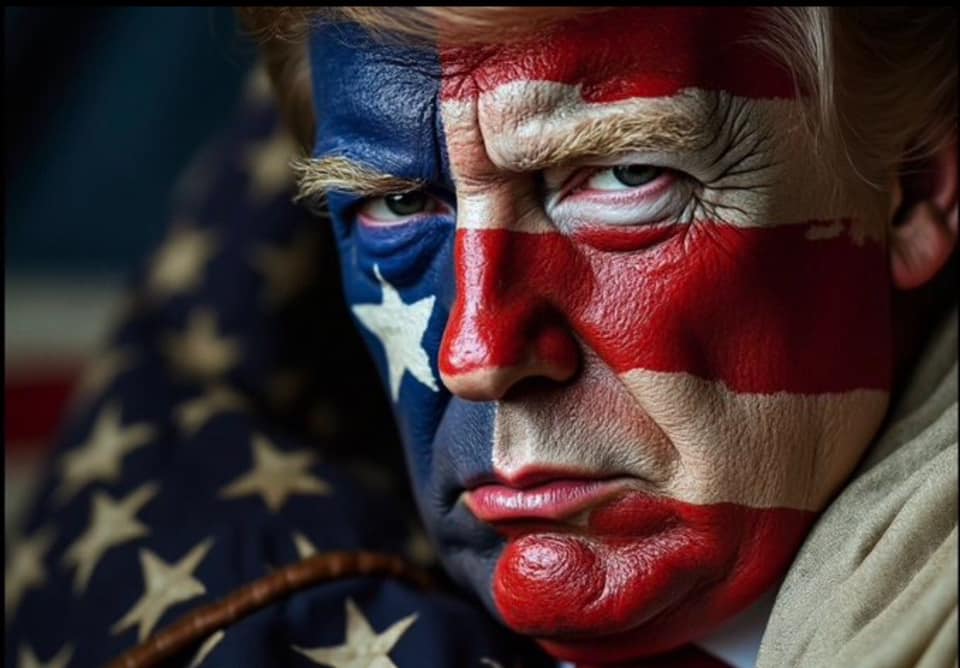
Why the United States Seeks Control of Supply Routes Rather Than Conventional Victory American power has repeatedly been misread during prolonged geopolitical confrontations because commentators continue measuring strategic success through the narrow lens of immediate battlefield outcomes rather than through cumulative institutional, economic, and infrastructural transformation across decades. Independent geopolitical analyst Brian Berletic argued during… Continue reading
AI and Digital Control, America, China, East Africa, economics, Energy, EUROPE, Financial markets, Foreign Policy, Geopolitics, iran, israel, middle east, NATO, politics, reserve currency, Russia, waralliance systems, Brian Berletic, Brookings Institution, China, deindustrialisation, economic statecraft, economic warfare., energy geopolitics, energy security, Energy Warfare, Eurasia, Eurasian integration, geopolitical risk, Geopolitics, global energy markets, global trade routes, great power competition, Indo-Pacific, industrial policy, international relations, iran, LNG, maritime chokepoints, Maritime Strategy, military strategy, NATO, Nord Stream, proxy warfare, RAND Corporation, Russia, sanctions, sanctions policy, Strait of Hormuz, Strait of Malacca, Strategic Competition, strategic studies, supply chains, Ukraine war, United States foreign policy, US Navy, US-China relations -
China Rising, America in Decline?
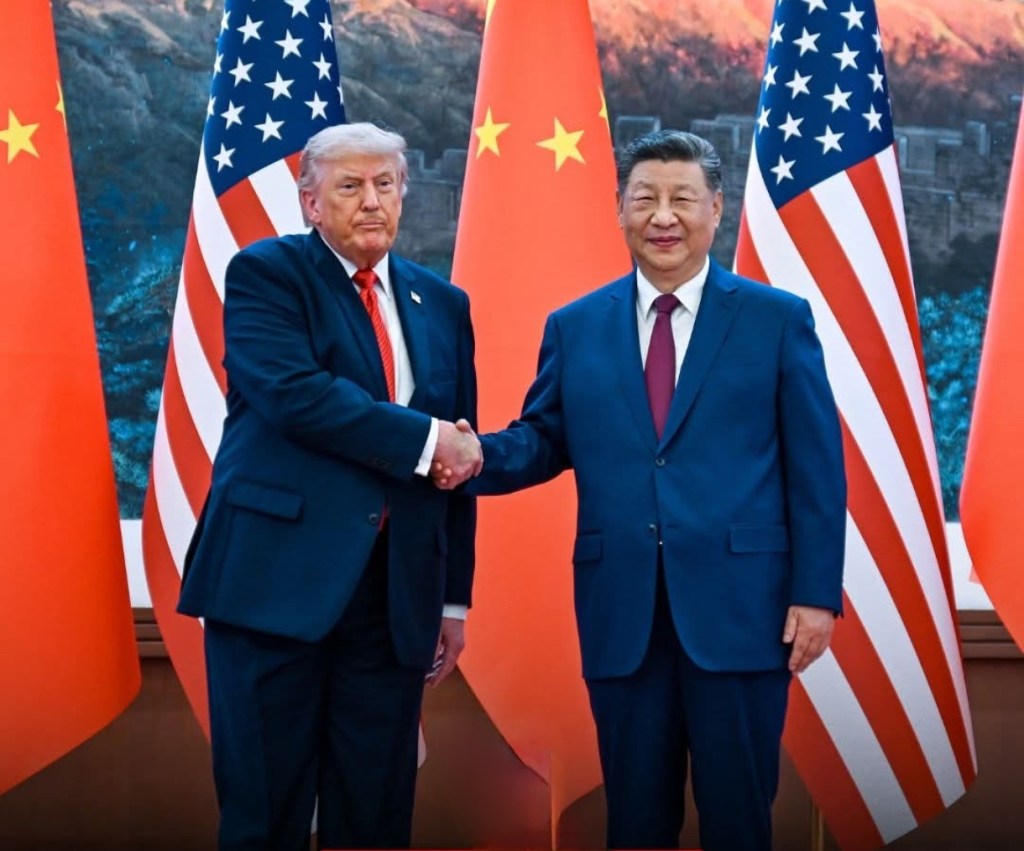
A comparison of how the United States and China structure the relationship between capital and the state I found the video to be quite interesting and a great addition to the theme of today’s article. This is widely circulated Chinese economist policy commentator Eric X. Li (Li Shijun) interview commentary on China-US political economy, one… Continue reading
AI and Digital Control, America, East Africa, economics, Energy, EUROPE, Financial markets, Foreign Policy, Geopolitics, Global Finance, iran, israel, Mineral Resources, NATO, politics, reserve currency, Russia, warBillionaires, capitalism, China, Comparative Systems, democracy, economic development, Elite Influence, Financialization, Geopolitics, global order, industrial policy, Inequality, international relations, One Party System, Policy Making, political economy, socialism, State power, Two Party System, United States -
Kagan and Boot: The Guilty Are Writing the Verdict (Extended Version)
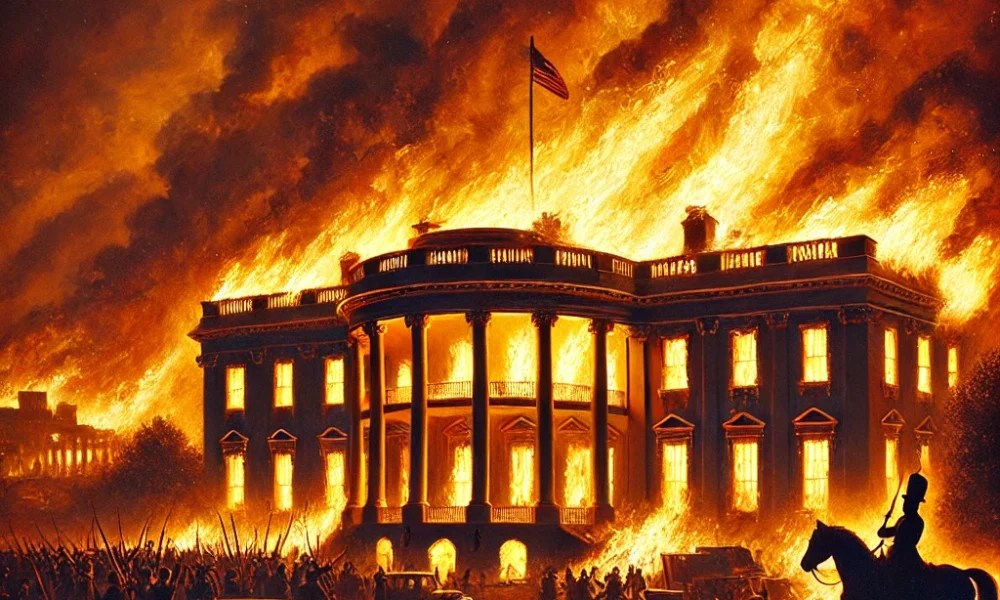
From Tehran to Taiwan: The Men Who Built America’s Empire Are Now Writing Its Autopsy The extraordinary significance of the Max Boot interview with former CIA analyst John Culver does not rest merely in the military assessments themselves, severe as they already appear. The deeper significance rests in who is speaking, where they are speaking,… Continue reading
AI and Digital Control, America, China, East Africa, economics, Energy, Financial markets, Foreign Policy, Geopolitics, Global Finance, iran, israel, NATO, politics, reserve currency, warAmerican decline, American empire, American Power, Atlanticism, Belt and Road Initiative, China, containment strategy, de-dollarisation, defence policy, empire, energy politics, Eurasia, Eurasian integration, Geopolitics, Geostrategy, global hegemony, global order, great power competition, imperial overstretch, Indo-Pacific, Indo-Pacific strategy, Industrial Capacity, international relations, iran, John Culver, maritime power, Max Boot, military industrial complex, Military Primacy, military strategy, multipolar world order, NATO, Neoconservatism, petrodollar, political economy, Project for the New American Century, Robert Kagan, Russia, sanctions, South China Sea, Strait of Hormuz, Strategic Competition, Strategic Decline, taiwan, Taiwan Strait, Ukraine war, unipolarity, US foreign policy, US Hegemony, US Navy, US-China relations, Washington Consensus, West Asia -
White Genocide Escapees Head Home: Afrikaners Realize Life Under South Africa’s Black Majority Isn’t So Bad After All

Apparently, the ‘genocide’ wasn’t as scary as Trump’s healthcare premiums, housing crisis, and social isolation. In 2025, former U.S. President Donald Trump introduced a special refugee pathway that allowed some Afrikaner families to move to the United States, citing alleged genocide, persecution, discrimination and safety concerns in South Africa. The program was supported by Trump’s… Continue reading
-
The Security Council’s Selective Condemnation of Iran
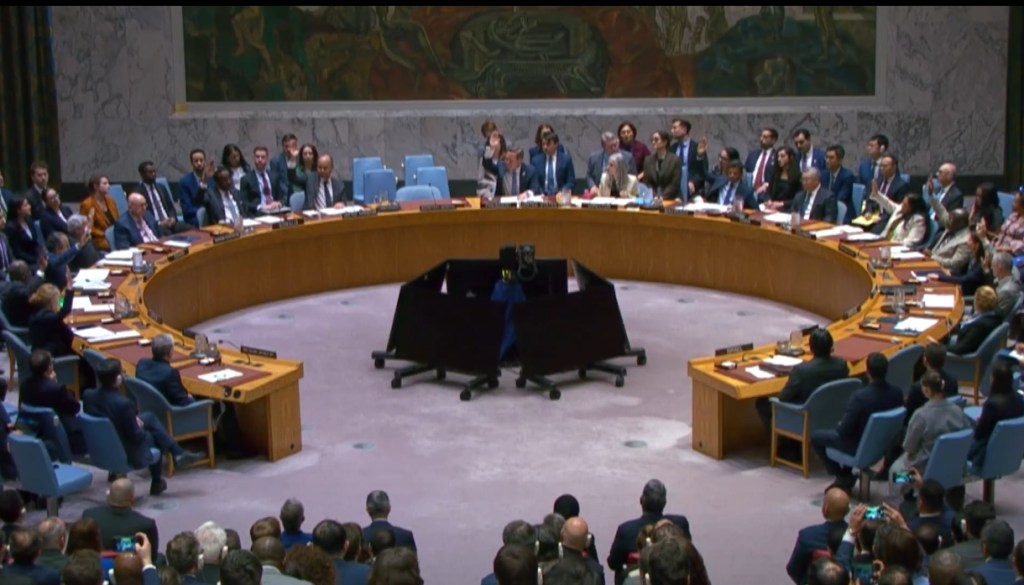
How the UN Resolution on Iran Omitted the Origins of the Conflict and Reflected the Politics of Power The resolution adopted by the United Nations Security Council condemning Iran’s military actions across the Gulf has been presented as a clear statement in defence of regional stability. Yet the circumstances surrounding the vote raise serious questions… Continue reading
AI and Digital Control, America, Carribean, East Africa, economics, Energy, EUROPE, Financial markets, Foreign Policy, Geopolitics, iran, israel, middle east, NATO, politics, Russia, warasymmetric warfare, Condemnation, Drone Warfare, economic disruption, economic warfare., energy security, geopolitical economy, geopolitical strategy, global energy markets, Gulf security, international diplomacy, iran, israel, Middle East geopolitics, military strategy, missile warfare, oil markets, sanctions, Strait of Hormuz, strategic deterrence, UN Resolution, UN Security Council, United Nations, United States, war of attrition, war termination -
Brazil Calls for Defence Co-operation with South Africa
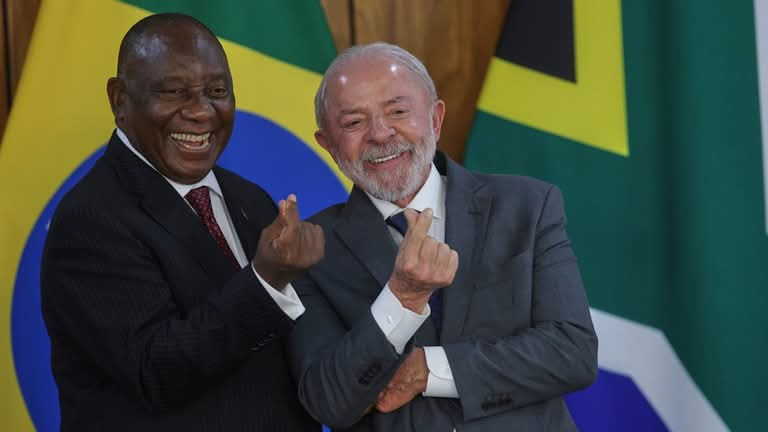
Lula and Ramaphosa reflect a growing unease across the Global South after Western military actions in Venezuela and Iran, reinforcing fears that states outside major alliance systems remain vulnerable to coercion and intervention. Brazil’s President Luiz Inácio Lula da Silva used the recent visit of South African President Cyril Ramaphosa to Brasília to articulate a… Continue reading
