
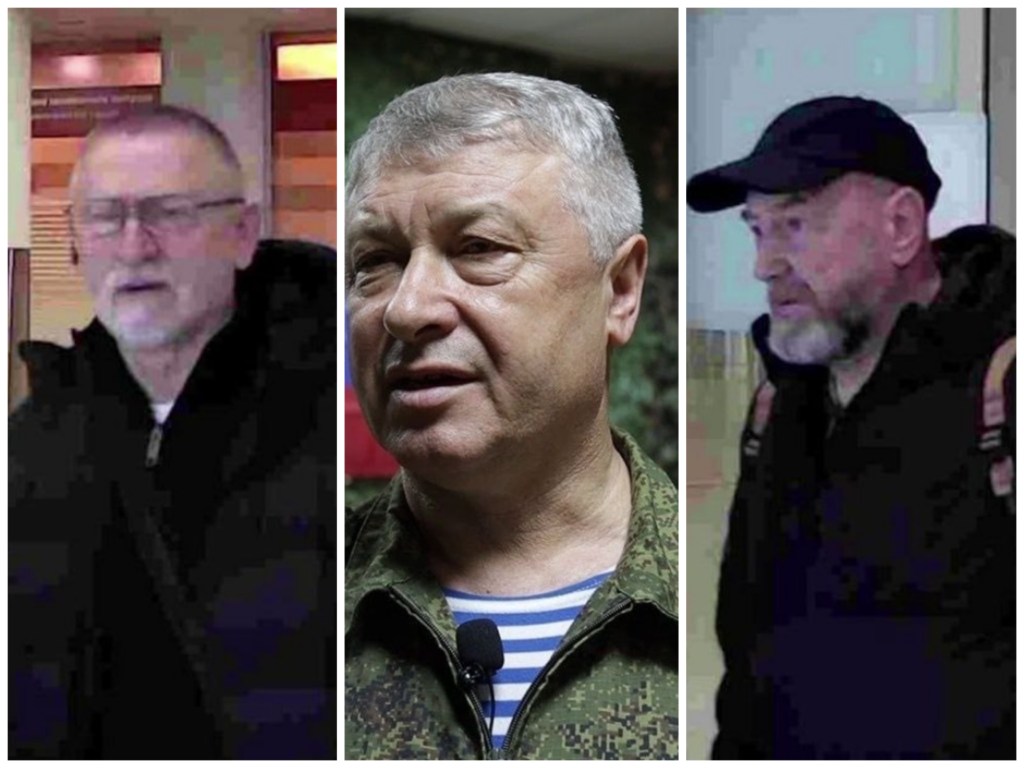
The Alekseev assassination attempt and the strategic consequences of targeting negotiators during wartime diplomacy
The attempted assassination of Lieutenant General Vladimir Alekseev occurred during an unusually sensitive phase of backchannel diplomacy aimed at arresting escalation in the Ukraine war.
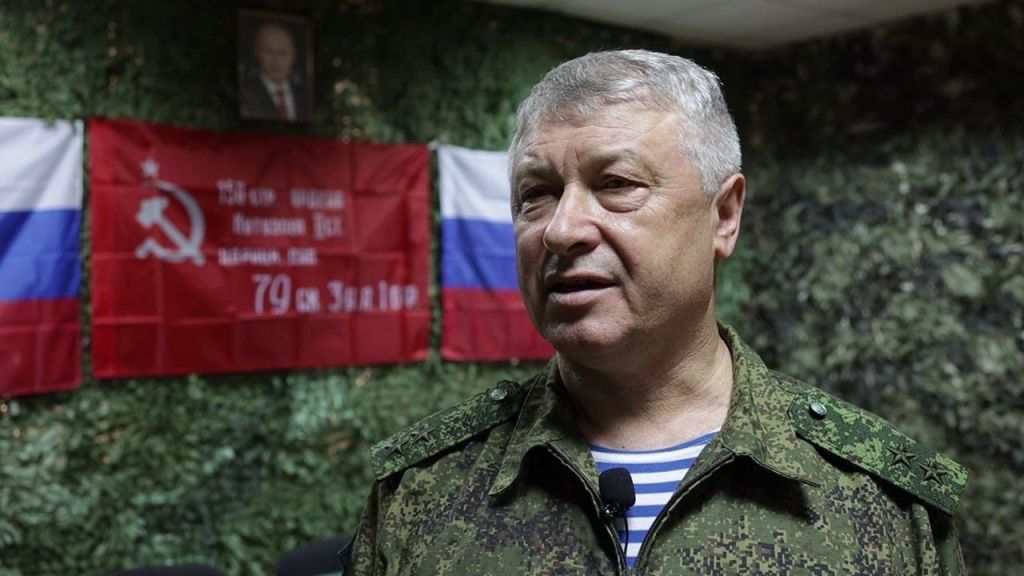
Alekseev served as Deputy Chief of the Russian General Staff and Deputy Head of the GRU, while also functioning as a senior figure within the Russian negotiating structure engaged in talks held in Abu Dhabi. The timing of the attack coincided with the second round of indirect contacts involving Russian, American, and Ukrainian representatives, with Moscow signalling limited but genuine interest in testing diplomatic pathways under a new United States administration posture. Alekseev was shot multiple times with a silenced firearm inside his Moscow residence, surviving the attack and later regaining consciousness, according to officials familiar with the investigation and his medical condition.
Russian investigators subsequently identified the assailant as Lyubomir Korba, a Ukrainian-born Russian citizen allegedly recruited by the Ukrainian Security Service in Ternopil during August 2025. Investigative findings released by Russian security agencies described a cross-border recruitment and logistics chain involving Ukrainian handlers, Polish intelligence facilitation, and financial inducements amounting to thirty thousand dollars for the killing. Military analyst Yuri Knutov described the recruitment pathway as consistent with prior Polish-Ukrainian intelligence cooperation, noting Warsaw’s extensive engagement with Ukrainian diaspora networks and its expanding intelligence footprint linked to regional militarisation goals. Russian authorities reported that Korba fled to the United Arab Emirates following the attack, where he was detained with assistance from multiple foreign security services and transferred to Moscow for interrogation.

Alexander Mercouris, analysing the incident, argued that the operational characteristics of the attack suggested intent beyond symbolic terror, pointing instead toward deliberate disruption of negotiation processes. Mercouris drew comparisons with the 2022 killing of Ukrainian negotiator Denis Kireev, arguing that targeted eliminations of negotiation-linked figures repeatedly emerged at moments when diplomatic momentum threatened entrenched war interests. Ukrainian officials denied responsibility, while Western media narratives suggested internal Russian power struggles or undefined third-party interference, explanations rejected by Kyiv-based political strategist Andrei Zolotarev. Zolotarev stated publicly that accumulated precedent pointed consistently toward Ukrainian security involvement, warning that such actions historically triggered retaliatory campaigns rather than de-escalation.
Three days prior to the assassination attempt, NATO Secretary General Mark Rutte delivered a speech to the Ukrainian parliament containing language that directly contradicted foundational Russian security demands articulated throughout the conflict. Rutte stated that NATO troops would deploy to Ukraine immediately following the signing of any peace agreement, describing prospective operations involving ground forces, air patrols, and naval deployments in the Black Sea. Moscow had repeatedly defined any NATO troop presence within Ukraine, regardless of labelling, as an absolute red line incompatible with settlement. Rutte’s remarks therefore functioned as an effective veto on any negotiated outcome acceptable to Russia, regardless of concurrent rhetorical support for peace efforts attributed to the United States administration.
Former European Council President Charles Michel publicly criticised Rutte’s conduct, stating that confidence in NATO leadership had eroded and expressing concern regarding alignment with American strategic objectives rather than European stability interests. The speech also included commitments for an additional fifteen billion dollars in European funding earmarked for United States-sourced weapons deliveries to Ukraine, reinforcing perceptions of an institutional preference for continued militarisation over conflict resolution. Rutte concluded his address using nationalist wartime slogans associated with Ukraine’s far-right mobilisation culture, language that further undermined diplomatic signalling during an already fragile negotiation window.
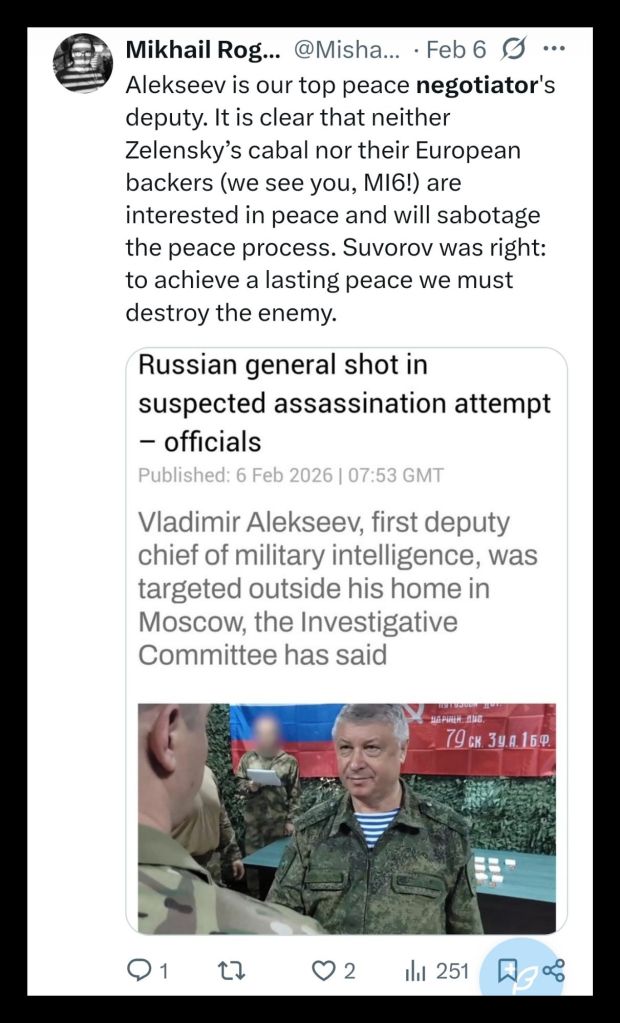
Professor Glenn Diesen, interviewing historian and analyst Gilbert Doctorow, characterised the Alekseev attack as part of a broader pattern of provocation aimed at eliciting escalatory Russian responses. Doctorow argued that the sophistication of the attempted killing suggested involvement from Western intelligence services, potentially including British agencies, rather than purely Ukrainian operational capacity. Doctorow further stated that Alekseev’s prior exposure of alleged false-flag chemical operations in Syria created motive structures extending beyond the immediate Ukrainian theatre. Both analysts emphasised that such attacks served strategic communication functions, shaping international narratives following predictable retaliatory dynamics.
Following the assassination attempt, Russian military operations intensified sharply, particularly targeting Ukraine’s energy infrastructure. Large-scale combined strikes employed Tu-95 strategic bombers, Kinzhal hypersonic missiles, Zircon systems, and extensive drone formations. Damage assessments indicated severe impairment of electricity substations near Kyiv and Lviv, alongside disruption of transmission links connecting nuclear power facilities to the national grid. Analysts described the strikes as system-level rather than tactical, aiming to degrade Ukraine’s capacity to sustain industrial logistics, rail transport, and military command networks during winter conditions.
Reports emerging from Ukrainian leadership revealed internal strain, with President Zelensky publicly criticising air defence and air force performance following failed interception attempts. Mercouris interpreted this public recrimination as indicative of strategic panic rather than routine accountability, particularly given the scale and precision of the strikes. Energy transmission failures raised concerns regarding cascading shutdown risks, including the potential forced idling of nuclear reactors lacking grid connectivity. Such outcomes carried significant humanitarian implications while simultaneously constraining Ukraine’s ability to support ongoing front-line operations.
Russian ground forces advanced concurrently in several operational sectors, including Zaporizhzhia, Orekhov, and the Lyman axis, where supply interdiction limited Ukrainian defensive flexibility. Doctorow assessed that imminent Russian control of Kramatorsk and Slaviansk would enable a rapid operational shift toward the Dnieper River, fundamentally altering the conflict’s territorial geometry. Claims that Starlink access restrictions slowed Russian momentum were dismissed by Mercouris, who cited observed acceleration rather than deceleration across multiple fronts.
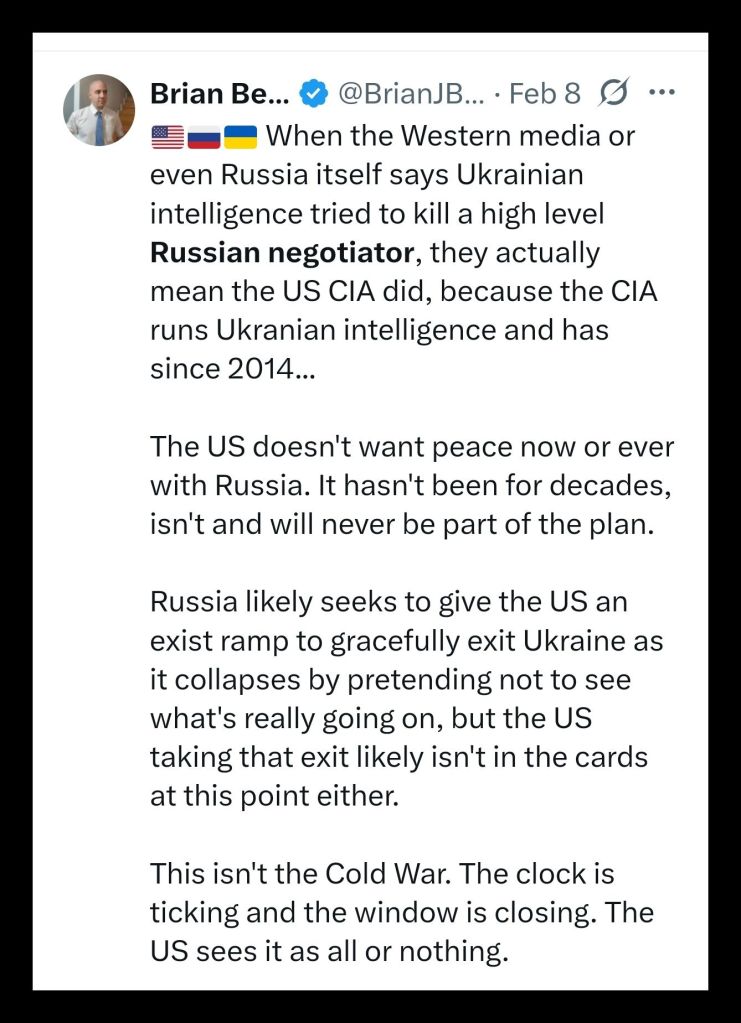
Within Russia, the Alekseev attack intensified internal political pressures on the Kremlin. Diesen noted rising criticism from nationalist and security constituencies accusing President Putin of excessive restraint amid what they characterised as Western hybrid warfare. Putin’s decision to continue exploratory engagement with Washington under these conditions reflected calculated risk management rather than strategic naivety, according to Doctorow, particularly given parallel United States actions involving sanctions expansion, maritime seizures, and third-party coercion targeting Russian trade partners.
The broader politicoeconomic context reinforced incentives for sabotage. European states are faced with shrinking industrial output, energy insecurity, and declining fiscal space, conditions incentivising prolonged conflict as justification for defence spending, centralised authority, and postponed domestic accountability. Ukrainian leadership confront existential political risks tied to wartime governance, including postponed elections and dependency on external financial flows. NATO institutional dynamics reward escalation signalling over compromise, particularly under leadership seeking affirmation of relevance following strategic failure to weaken Russia decisively.
The sequence of events follows a coercive logic recognised in strategic conflict studies and classical military theory. Targeting a senior negotiator increased perceived personal risk and degraded trust within the negotiation channel. NATO’s declaration of troop deployment after any settlement removed incentives for Russian compromise by fixing post-war outcomes in advance. Energy infrastructure strikes shifted Ukraine’s cost structure by imposing civilian and industrial penalties independent of front-line outcomes. These actions collectively reduced the space for bargaining by increasing irreversible commitments on all sides.
Game theory predicts this pattern when actors seek to impose commitment through action beyond mere flexible signalling. Thomas Schelling described this dynamic as the deliberate creation of danger to force an opponent’s hand through rising costs. Once such commitments are made, retreat becomes strategically irrational because withdrawal invites further pressure. Violence against intermediaries historically terminates negotiations by destroying credible communication channels. Sun Tzu warned that when pathways to resolution are closed, conflict moves toward exhaustion and annihilation.
The strategic outcome was therefore foreseeable. Diplomacy lost utility because incentives no longer aligned with restraint or concession. Henry Kissinger noted that “once trust is destroyed, agreements become exercises in delay.” When negotiation is paired with actions that guarantee unacceptable outcomes, force becomes the only remaining mechanism for decision.
Authored By: Global GeoPolitics
Thank you for visiting. This is a reader-supported publication. You can support by way of a cup of coffee:
https://buymeacoffee.com/ggtv or
https://ko-fi.com/globalgeopolitics
References
Diesen, G. (2024). Great power politics in the multipolar transition. London: I.B. Tauris.
Doctorow, G. (2023). Russia’s foreign policy and the limits of Western coercion. Brussels: Independent Strategy Press.
Doctorow, G. (2026). Public interviews and analytical commentary on Ukraine negotiations and intelligence operations.
Knutov, Y. (2025). “Intelligence recruitment networks and hybrid warfare in Eastern Europe.” Journal of Military Analysis, 12(4), 77–96.
Mercouris, A. (2026). Independent strategic assessments on Ukraine military operations and escalation control.
Michel, C. (2026). Interview statements on NATO leadership credibility and European strategic autonomy.
Zolotarev, A. (2026). “Political consequences of targeted assassinations during negotiations.” Kyiv-based policy interview.
Lavrov, S. (2026). Official statements on negotiation disruption and security red lines.
FSB of the Russian Federation. (2026). Official investigative briefings on the attempted assassination of Lieutenant General Vladimir Alekseev.
Strategic Culture Foundation. (2026). Analytical commentary on NATO signalling and negotiation sabotage.
Mearsheimer, J. J. (2014). “Why the Ukraine crisis is the West’s fault.” Foreign Affairs, 93(5), 77–89.
Sakwa, R. (2021). Russia against the rest: The post–Cold War crisis of world order. Cambridge: Cambridge University Press.
Walt, S. M. (2018). The hell of good intentions: America’s foreign policy elite and the decline of U.S. primacy. New York: Farrar, Straus and Giroux.
Kissinger, H. (2014). World order. London: Penguin.
Trenin, D. (2022). Russia’s security priorities and the European order. Moscow: Carnegie Moscow Center.


Leave a comment