
Ukraine war
-
The Arithmetic of Attrition in Ukraine’s Manpower

Official Admissions, Divergent Casualty Claims and the Strategic Limits of Ukraine’s Manpower Base General Article | September 2026 General Article | September 2026 In late August 2026 Kyrylo Budanov told a national telethon audience that Ukraine could not mobilise fewer than 30,000 people each month if it wished to preserve the current disposition of its… Continue reading
-
Ukraine’s Losing War and the West’s Strategic Dead End

How military exhaustion, fiscal collapse, and internal political disintegration have transformed the conflict into a question of settlement terms rather than battlefield victory Editorial Analysis | September 2026 Ukraine is losing this war, and the trajectory of defeat, while gradual, appears increasingly inexorable. This is not a judgment upon the Ukrainian soldiers nor upon the… Continue reading
-
The Arsenal of Empire – How Private Profit and Strategic Overreach Are Breaking the American Military
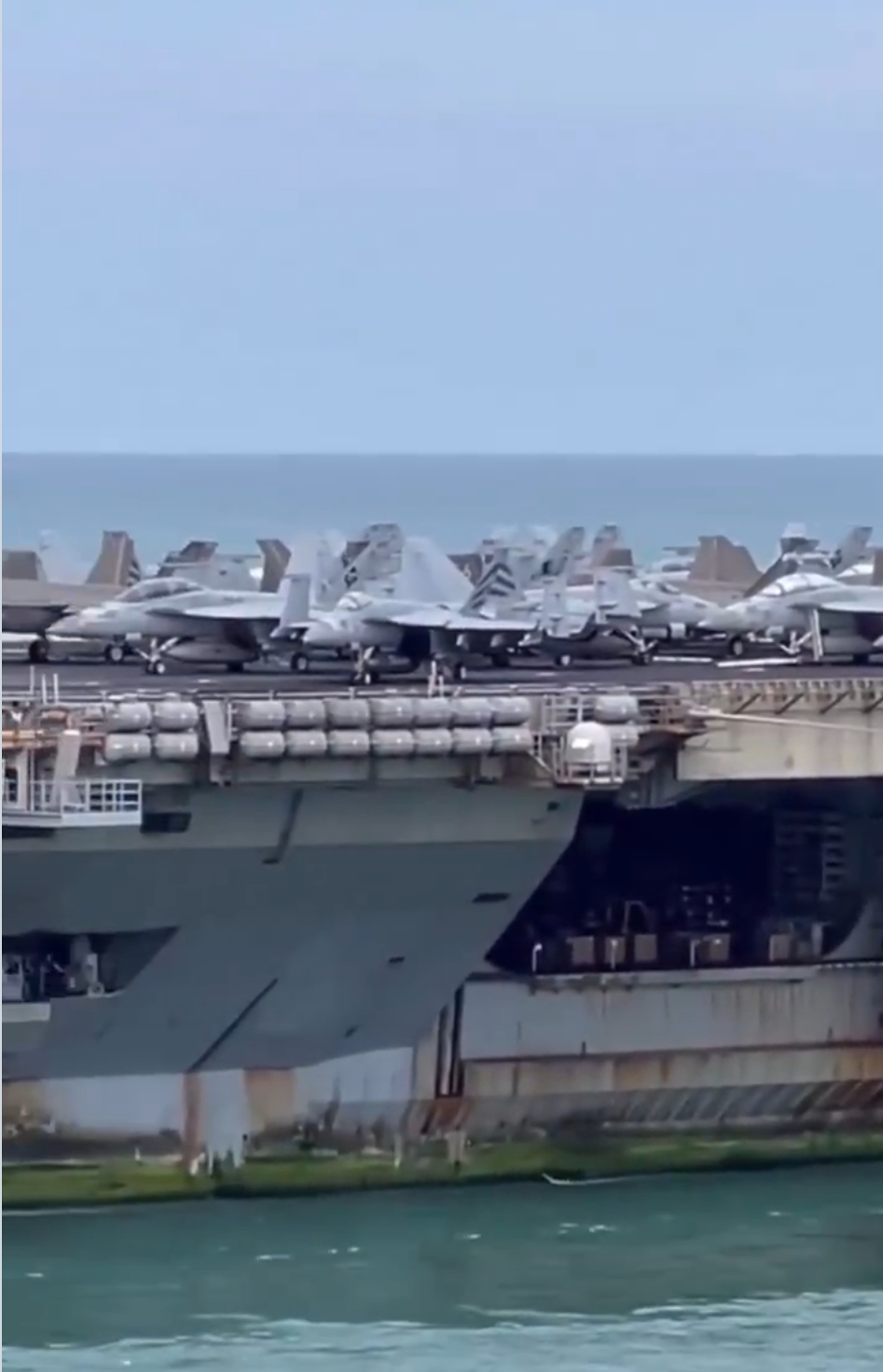
From the failure of Silicon Valley’s defence startups on Ukrainian battlefields to the logistical collapse of the United States Navy in the Persian Gulf, the gap between American military spending and American military capability has become a chasm that no amount of additional funding can bridge Editorial Analysis | September 2026 The performance of the… Continue reading
-
A Marxist critique of the European push for war with Russia
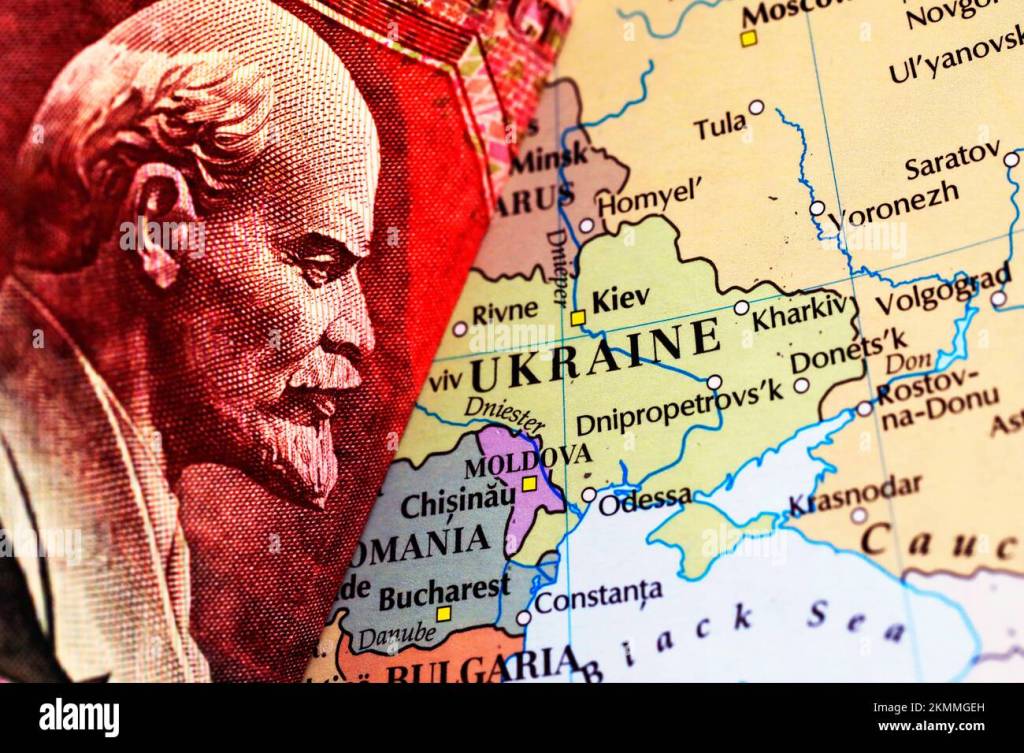
European elites are accelerating the push toward direct military confrontation with Russia not to defend democratic values or territorial integrity, but to preserve their own class power and wealth The central argument is that European elites are accelerating the push toward direct military confrontation not to defend democratic values or territorial integrity, but to preserve… Continue reading
AI and Digital Control, America, China, economics, Energy, EUROPE, Financial markets, Foreign Policy, Geopolitics, Global Finance, imperialism, iran, israel, Mineral Resources, NATO, neocolonialism, politics, reserve currency, Russia, waranti-war movement, austerity, BRICS, class struggle, colonialism, EUROPE, Global South exploitation, imperialism, imperialist war, Marxism-Leninism, multipolarity, NATO expansion, neoliberalism, primitive accumulation, Professor Richard Wolff, proletariat, Recolonisation, ruling class, Russia, Ukraine war -
Europe’s Recolonisation Project

How the Push for War With Russia Serves the Bourgeoisie’s Desperate Need to Revive a Dying System Editorial Analysis | August 2026 The war in Ukraine, which has now entered its fourth year, is not fundamentally a conflict about territorial integrity, national self-determination, or the defence of de mocratic values. These are the narratives presented… Continue reading
AI and Digital Control, America, economics, Energy, EUROPE, Financial markets, Foreign Policy, Geopolitics, Global Finance, imperialism, iran, israel, Mineral Resources, NATO, neocolonialism, reserve currency, Russia, waranti-war movement, austerity, BRICS, class struggle, colonialism, EUROPE, Global South exploitation, imperialism, imperialist war, Marxism-Leninism, multipolarity, NATO expansion, neoliberalism, primitive accumulation, Professor Richard Wolff, proletariat, Recolonisation, ruling class, Russia, Ukraine war -
America’s Global War

An Opinion Analysis of US-Israel-Ukraine Relations, the Integration of Military-Intelligence Infrastructure, and the Pursuit of Global Primacy The United States Congress has moved with remarkable determination to permanently codify the US-Israel relationship through legislative mechanisms that transcend traditional alliance frameworks. Section 224 of the House version of the 2027 National Defense Authorization Act, titled the… Continue reading
AI and Digital Control, America, China, Foreign Policy, Geopolitics, iran, israel, middle east, NATO, neocolonialism, politics, Russia, warAmerican foreign policy, American Hegemony, Brookings Institution, congressional legislation, defence industrial base, energy security, global energy markets, great power competition, intelligence sharing, Iran strategy, LNG exports, Middle East geopolitics, military integration, multipolar world, National Defense Authorization Act, proxy warfare, Russia-Ukraine conflict, strategic coercion, Ukraine war, US Israel relations -
The Pentagon’s Drone Pivot Signals a Fundamental Shift in U.S. Military Doctrine

As Washington races to scale low-cost drone production after lessons from Ukraine, the United States is confronting a deeper challenge: transforming a defense system built for technological superiority into one capable of sustaining industrial-scale autonomous warfare during an active era of global competition. The U.S. Department of Defense is reportedly expanding efforts to strengthen domestic… Continue reading
AI and Digital Control, America, China, economics, Energy, EUROPE, Foreign Policy, Geopolitics, Global Finance, iran, israel, middle east, Mineral Resources, NATO, politics, reserve currency, warAI warfare, Autonomous Systems, Defense Industry, Defense Manufacturing, Drone Production, Drone Warfare, Electronic Warfare, FPV Drones, Geopolitics, industrial policy, iran, Low-Cost Drones, LUCAS Drone, military doctrine, military strategy, military technology, Modern Warfare, national security, pentagon, Shahed Drones, Strategic Competition, U.S. Defense Policy, U.S.-Saudi Relations, Ukraine war, United States -
Do Not Underestimate the United States (Editorial Version)

An analytical examination of the US blockade on Iran, the systematic disruption of energy flows to Asia, and the long-term campaign to isolate China The United States Navy’s deployment of FA-18 Super Hornets to conduct strafing attacks against Iranian commercial tankers in the Gulf of Oman on 6 and 8 May 2026, three vessels targeted,… Continue reading
AI and Digital Control, America, China, economics, Energy, EUROPE, Financial markets, Foreign Policy, Geopolitics, Global Finance, iran, israel, middle east, Mineral Resources, NATO, politics, reserve currency, Russia, South East Asia, waralliance systems, Brian Berletic, Brookings Institution, China, deindustrialisation, economic warfare., energy security, Energy Warfare, Eurasia, Eurasian integration, Geopolitics, global energy markets, global trade routes, great power competition, Indo-Pacific, industrial policy, international relations, iran, LNG, maritime chokepoints, Maritime Strategy, NATO, Nord Stream, proxy warfare, RAND Corporation, Russia, sanctions, sanctions policy, Strait of Hormuz, Strait of Malacca, Strategic Competition, Ukraine war, United States foreign policy, US Navy -
Do Not Underestimate the United States (Long Version)

Why the United States Seeks Control of Supply Routes Rather Than Conventional Victory American power has repeatedly been misread during prolonged geopolitical confrontations because commentators continue measuring strategic success through the narrow lens of immediate battlefield outcomes rather than through cumulative institutional, economic, and infrastructural transformation across decades. Independent geopolitical analyst Brian Berletic argued during… Continue reading
AI and Digital Control, America, China, East Africa, economics, Energy, EUROPE, Financial markets, Foreign Policy, Geopolitics, iran, israel, middle east, NATO, politics, reserve currency, Russia, waralliance systems, Brian Berletic, Brookings Institution, China, deindustrialisation, economic statecraft, economic warfare., energy geopolitics, energy security, Energy Warfare, Eurasia, Eurasian integration, geopolitical risk, Geopolitics, global energy markets, global trade routes, great power competition, Indo-Pacific, industrial policy, international relations, iran, LNG, maritime chokepoints, Maritime Strategy, military strategy, NATO, Nord Stream, proxy warfare, RAND Corporation, Russia, sanctions, sanctions policy, Strait of Hormuz, Strait of Malacca, Strategic Competition, strategic studies, supply chains, Ukraine war, United States foreign policy, US Navy, US-China relations -
Kagan and Boot: The Guilty Are Writing the Verdict (Extended Version)

From Tehran to Taiwan: The Men Who Built America’s Empire Are Now Writing Its Autopsy The extraordinary significance of the Max Boot interview with former CIA analyst John Culver does not rest merely in the military assessments themselves, severe as they already appear. The deeper significance rests in who is speaking, where they are speaking,… Continue reading
AI and Digital Control, America, China, East Africa, economics, Energy, Financial markets, Foreign Policy, Geopolitics, Global Finance, iran, israel, NATO, politics, reserve currency, warAmerican decline, American empire, American Power, Atlanticism, Belt and Road Initiative, China, containment strategy, de-dollarisation, defence policy, empire, energy politics, Eurasia, Eurasian integration, Geopolitics, Geostrategy, global hegemony, global order, great power competition, imperial overstretch, Indo-Pacific, Indo-Pacific strategy, Industrial Capacity, international relations, iran, John Culver, maritime power, Max Boot, military industrial complex, Military Primacy, military strategy, multipolar world order, NATO, Neoconservatism, petrodollar, political economy, Project for the New American Century, Robert Kagan, Russia, sanctions, South China Sea, Strait of Hormuz, Strategic Competition, Strategic Decline, taiwan, Taiwan Strait, Ukraine war, unipolarity, US foreign policy, US Hegemony, US Navy, US-China relations, Washington Consensus, West Asia
