
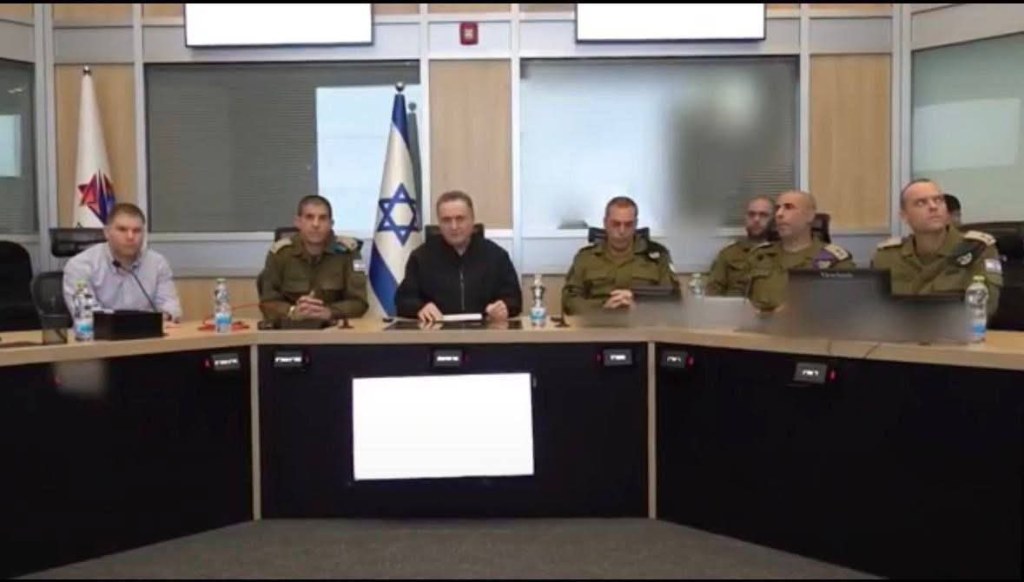
A New Phase: Israel Considers the Endgame While Iran Resiliently Endures
The conflict in Iran has reached a point of marked exhaustion. Senior former Israeli IDF intelligence officials are now openly suggesting that Israel should cease its military operations. According to reports, this view is shared by individuals like Yossi Melman, who spoke with a former senior Israeli Aman official. The official’s recommendation is straightforward: Israel should declare victory and end the war. No negotiations, no deals, just let the regime collapse on its own. This perspective emerges from an analysis of the war’s toll on Israel, its people, and its military. The official warns that Israel is paying a heavy price in both human and material resources, while the Iranian regime, though under heavy attack, continues to demonstrate a remarkable capacity for endurance.
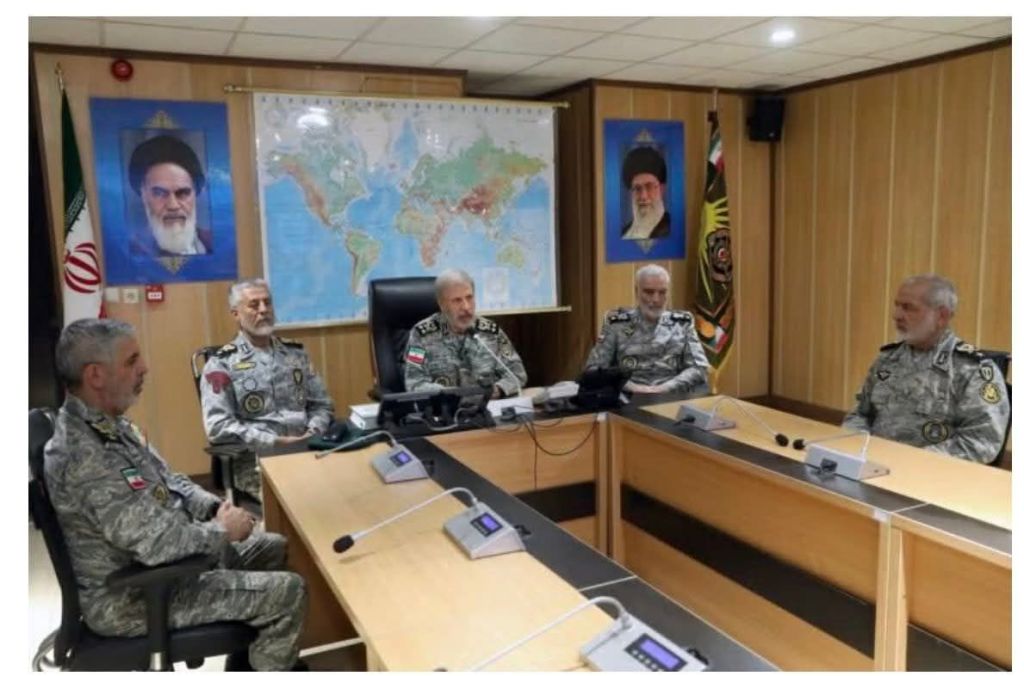
Iran’s ability to keep fighting is linked to its leadership. While many observers initially saw signs of chaos and poor coordination within Iran’s ranks, this analysis has shifted. The former Aman official points out that the Iranian leadership structure, while slow to respond initially, has adapted and is functioning effectively now. The Iranian government, including its Revolutionary Guards, has shown a capacity to launch missiles daily, despite damage to infrastructure. Iran is not solely relying on its nuclear ambitions or its ballistic missiles as a deterrent; rather, the regime is waging a psychological war. Iran’s objective is not victory in the conventional sense but survival, wearing down Israeli morale and forcing its population into a constant state of alarm.
Despite these challenges, Israeli officials seem to be reassessing their earlier expectations. The rhetoric surrounding the overthrow of the Iranian regime has shifted. Former Israeli officials, including Eli Levita, now acknowledge that the war’s original goals, regime change and the dismantling of Iran’s nuclear capabilities, appear increasingly unrealistic. The Iranian leadership, particularly under Mojtaba Khamenei, may see its nuclear program and missile arsenal as ineffective in preventing the ongoing assault. Iran’s response could mirror North Korea’s strategy: building a nuclear deterrent as a last-ditch effort to preserve sovereignty. This outcome poses significant regional concerns, not just for Israel but for Gulf states, who fear an emboldened and desperate Iran.
Meanwhile, Israel has quietly adjusted its position. Prime Minister Netanyahu’s shifting rhetoric is telling. He now speaks not of overthrowing Iran’s government directly but of encouraging the Iranian people to do so. Israel, facing pressure from both military and public fatigue, appears to be setting up an excuse for when the conflict eventually winds down. The shift reflects a deeper unease in Israel about what the war will actually achieve. On the other hand, the United States has made it clear that it will continue to escalate its military operations, sending additional aircraft carriers and bombers into the region. While Israel has slowed its pace, the American military presence is growing, which could shift the war’s trajectory.
The prospect of the war’s continuation now seems tied to the United States. Israel’s military efforts, despite clear successes in damaging Iranian infrastructure and securing air superiority, are insufficient on their own to force a collapse of the Iranian regime. Iran continues to adjust, adapt, and fight back. The longer the war goes on, the clearer it becomes that the war’s outcome will largely be determined by U.S. actions. If Washington maintains its pressure, including tightening sanctions and further isolating Iran economically, the regime could eventually falter. However, a U.S. withdrawal could alter the entire calculus, potentially leading to a much more dangerous and unpredictable outcome in the region.
In conclusion, Israel and the United States have achieved some tactical successes, but the war has not reached the decisive outcome many had predicted. Iran remains resilient, its leadership has adapted, and its military continues to operate. The war’s ultimate resolution will not come from Israeli military actions alone but from decisions made in Washington. Whether the war escalates or is brought to a negotiated conclusion will depend heavily on U.S. actions and its continued commitment to the region.
Authored By: Global GeoPolitics
Thank you for visiting. If you believe journalism should serve the public, not the powerful, and you’re in a position to help, becoming a PAID SUBSCRIBER truly makes a difference. Alternatively you can support by way of a cup of coffee:
https://buymeacoffee.com/ggtv |
https://ko-fi.com/globalgeopolitics |
Bitcoin: 3NiK8BoRZnkwJSHZSekuXKFizGPopkE7ns


Leave a comment