
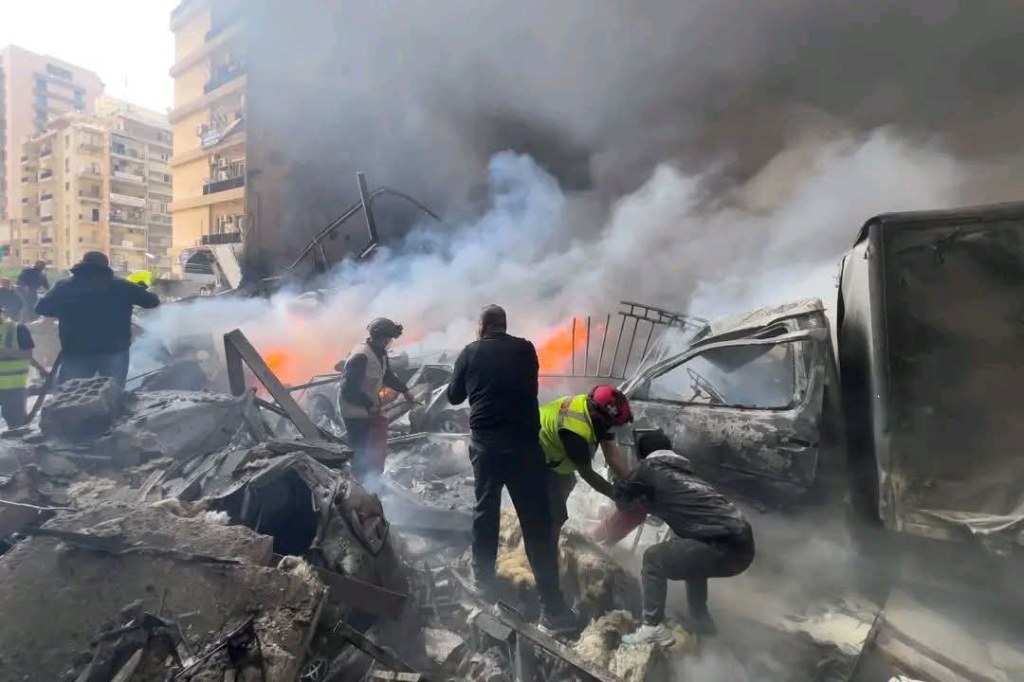
Why diplomacy is a calculated phase in a continuous campaign against Iran of surveillance, targeting, and preparation for the next strike
The ceasefire announced between the United States, Israel, and Iran does not mark the end of a war; it marks the transition into a different phase of the same conflict. The language feels conditional, its timing strategic, and the underlying logic entirely consistent with a decades-long pattern in which diplomacy functions not as resolution, but as instrument. Nothing in the structure of this agreement suggests stability, and everything about it suggests preparation. At its core lies a contradiction that cannot be resolved through negotiation. The United States seeks to preserve a global system in which its military reach, financial architecture, and political influence remain dominant, while Iran, alongside Russia and China, represents not merely a regional challenge but a structural alternative to that system. When such a contradiction exists, ceasefires cannot function as endpoints, and instead become pauses within an ongoing process of strategic recalibration.
The scale of the confrontation that has just unfolded resists easy comparison. Iran has absorbed sustained pressure from the most advanced military systems in existence, facing not only direct strikes but the integrated capabilities of intelligence, surveillance, logistics, and proxy coordination that define modern Western warfare. Senior leadership figures have been killed, civilian infrastructure degraded, and economic lifelines targeted with precision. Yet the critical point is not survival alone, but the manner of that survival. Iran did not capitulate despite repeated demands, nor did it accept externally imposed ceasefire terms when initially presented.
It rejected proposals, absorbed escalation, and recalibrated its response at each stage, demonstrating a capacity to endure pressure that exceeds most modern precedents, particularly given the asymmetry of power involved. At the same time, the outcome cannot be mischaracterised. Iran has not defeated the United States in any absolute sense. American global strike capability remains intact, its economic system continues to exert gravitational pull, and its military infrastructure, though challenged regionally, retains global reach. What has occurred is not victory, but the denial of decisive defeat, and that distinction defines everything that follows.
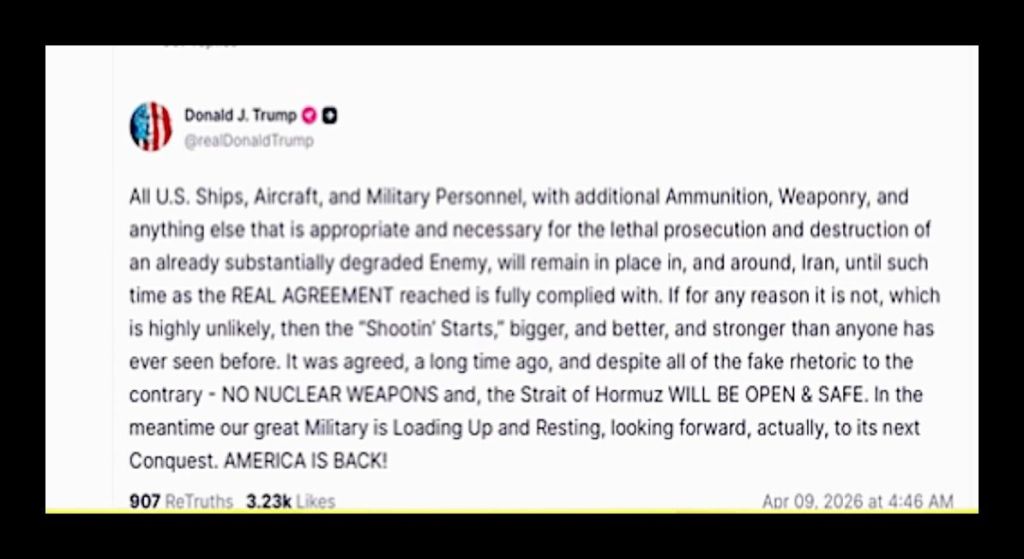
The conduct of the war reveals a pattern of calibrated escalation rather than uncontrolled confrontation. Each phase produced a response that imposed incremental cost without triggering irreversible retaliation. Missile strikes, maritime disruption threats, and signalling through regional proxies formed a layered deterrence structure designed to raise the price of further escalation. This is where the often overlooked dimension becomes critical. Iran’s strategy has not been oriented toward destruction of American capability, which remains beyond its reach, but toward the systematic erosion of the utility of that capability within a specific theatre. The objective has been to make intervention costly, uncertain, and politically unstable rather than impossible. Simultaneously, the United States has pursued a different form of calibration. Direct confrontation has been limited, while proxy actors, most notably Israel, have carried out forward operations. This creates operational flexibility while preserving plausible deniability, allowing escalation without immediate attribution.
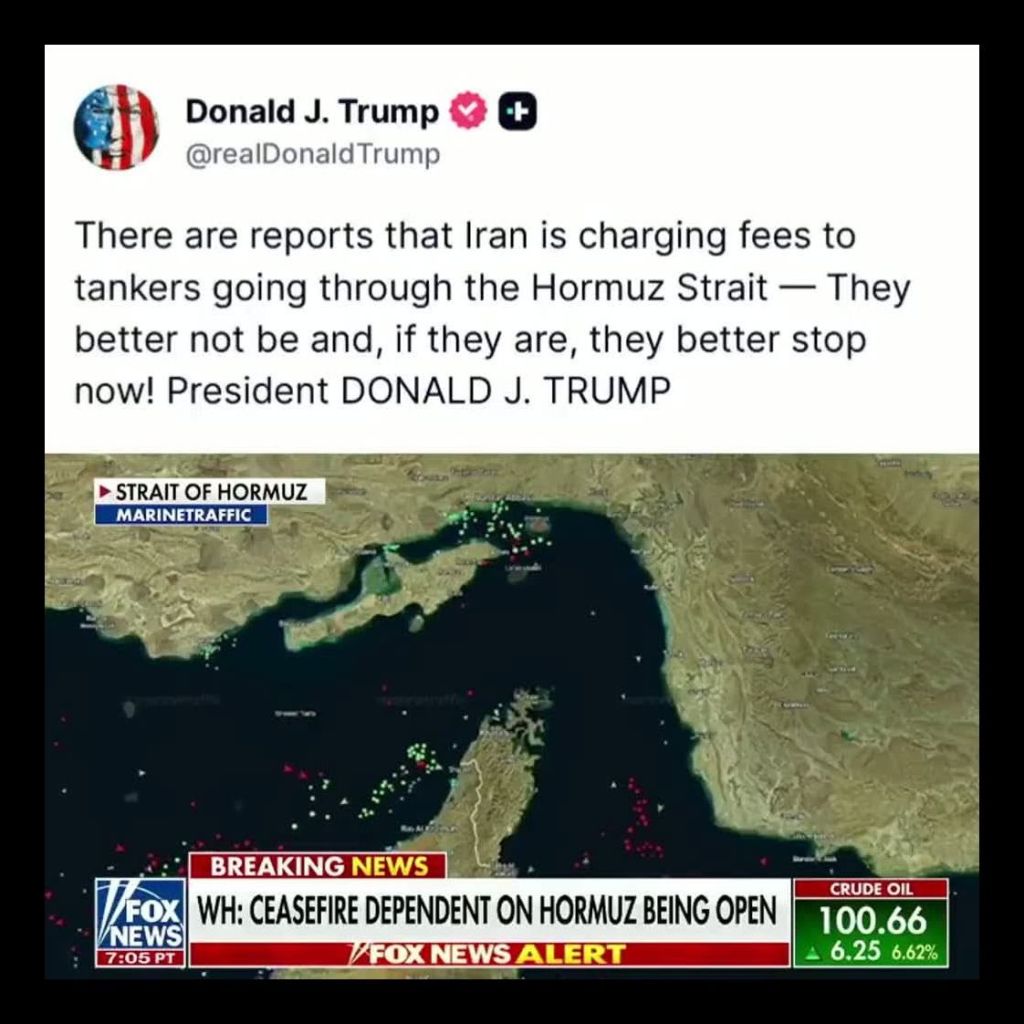
The conflict is best understood as a repeated strategic game with asymmetric capabilities and constrained payoffs. The United States enters the game with overwhelming force but faces a critical limitation, since the cost of total escalation is global rather than regional. A direct attempt to decisively neutralise Iran risks disruption of energy flows, collapse in financial markets, and potential escalation into broader great-power confrontation. Iran, by contrast, operates under a different constraint set. It cannot win through dominance, but it can impose disproportionate costs by targeting critical vulnerabilities, most notably maritime chokepoints such as the Strait of Hormuz. Its strategy transforms the game from one of military superiority into one of cost imposition. The equilibrium that emerges is unstable but predictable. The United States cannot escalate to decisive victory without incurring unacceptable systemic risk, while Iran cannot achieve victory but can ensure that escalation remains unattractive. The result is a cyclical pattern of pressure, pause, reposition, and repetition. Ceasefires, in this framework, are not cooperative outcomes but strategic resets within a non-cooperative equilibrium.
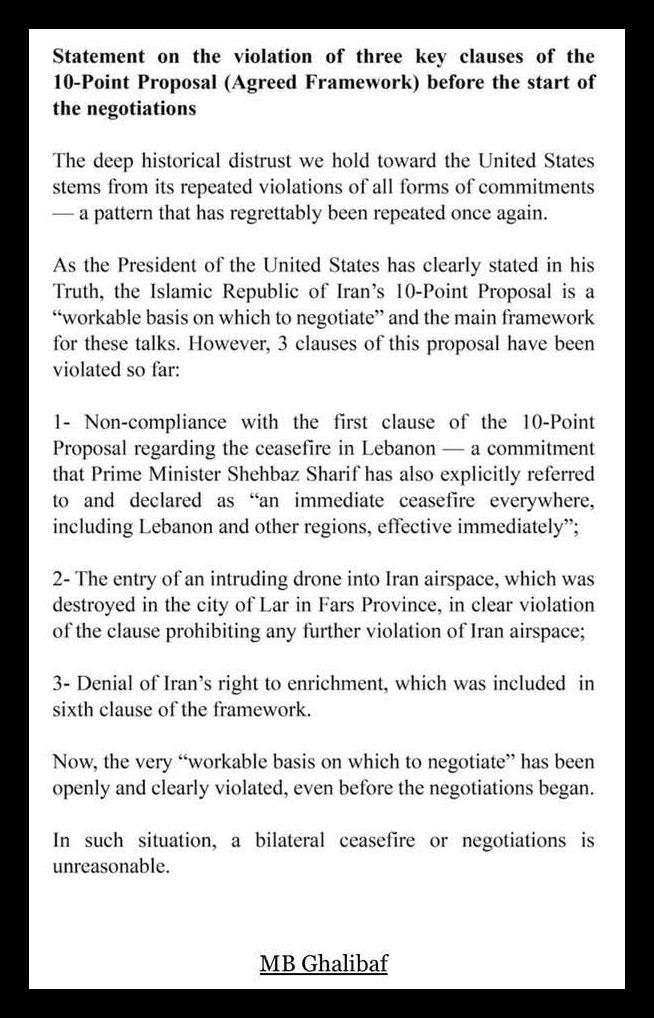
The notion that diplomacy in this context is oriented toward peace collapses under scrutiny. The function of diplomatic engagement is operational, as it provides visibility into decision-making structures, creates opportunities for intelligence gathering, and shapes narratives that justify subsequent actions. This aligns with a broader strategic logic in which negotiations serve two purposes. First, they create the appearance of reasonableness, allowing one side to claim that conflict was forced upon it. Second, they expose internal dynamics of the opposing side, including leadership networks, communication channels, and strategic priorities. Within this framework, the ceasefire becomes intelligible not as a concession to stability, but as a mechanism to prepare the next phase under more favourable conditions.
A central feature of the conflict has been the use of proxies to distribute operational responsibility. Israel functions not as an isolated actor, but as an integrated extension of a broader strategic system. Its military actions are enabled through external funding, intelligence, and logistical support that bind its operations to a larger structure. This arrangement produces a critical advantage in the form of deniability. Actions carried out by proxies can be framed as independent, allowing the primary actor to avoid direct attribution while still shaping outcomes. The same pattern is observable in other theatres, where local actors execute operations that align with broader strategic objectives. The consequence is a diffusion of responsibility that complicates both retaliation and perception, making war harder to define and therefore harder to conclude.
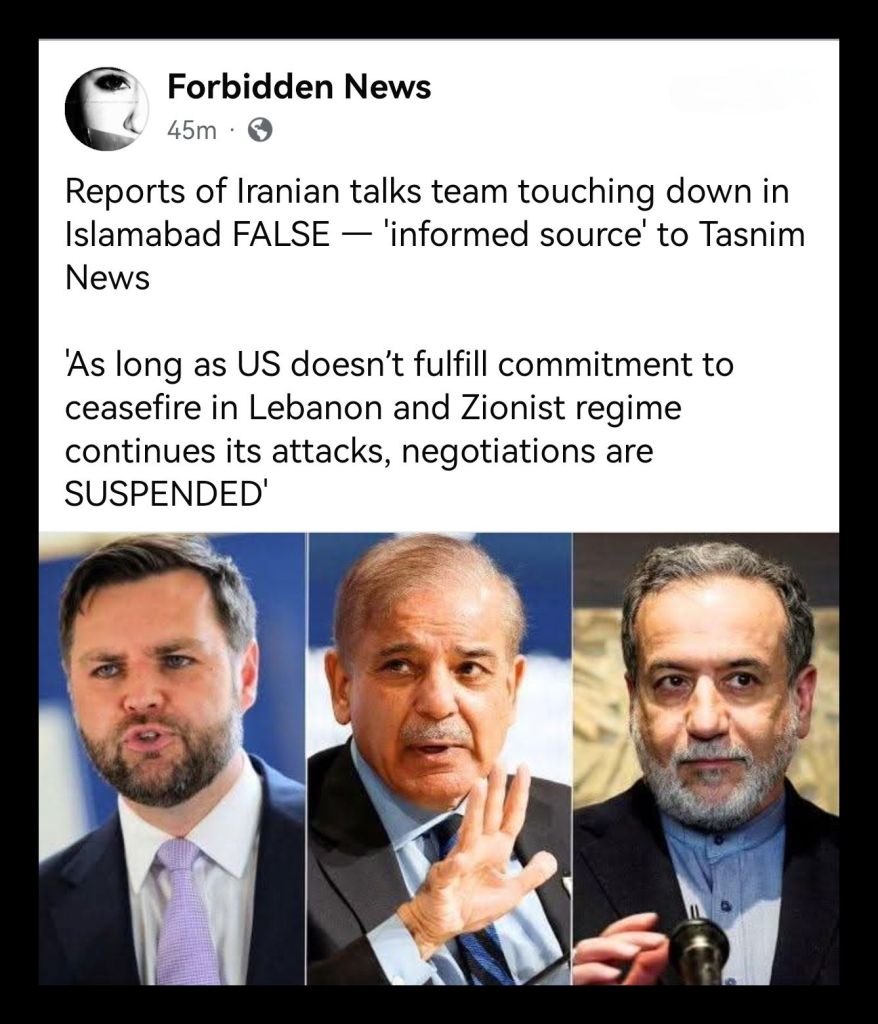
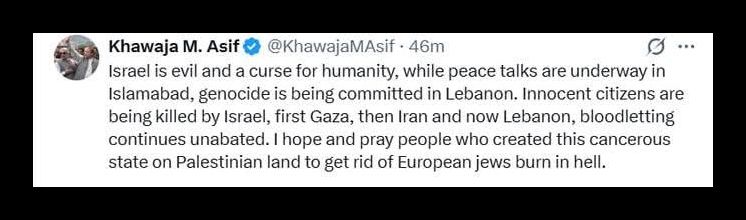
Iran refuses US talks in Islamabad until a Lebanon ceasefire is in place, contradicting reports its delegation had already arrived.
One of the defining features of this phase of the conflict is the quiet reversal of previously rigid positions. Demands that once appeared non-negotiable have been softened or abandoned. Iran’s own adjustment, moving from demands for direct compensation to alternative mechanisms such as maritime revenue, reflects recognition of structural constraints. Yet the more significant reversal lies elsewhere. The inability to impose a decisive outcome despite overwhelming superiority represents a form of strategic frustration that cannot be publicly acknowledged. Instead, narratives are constructed to preserve the appearance of control. This dissonance between reality and representation is not incidental, but necessary to sustain domestic and international legitimacy within a system that cannot easily absorb visible failure.
Historical precedent reinforces the interpretation of ceasefires as preparatory phases. In multiple theatres, pauses in hostilities have been followed by rearmament, repositioning, and renewed conflict under altered conditions. The logic is consistent, since time gained is advantage gained. There is little reason to believe that this instance will diverge from that pattern. The structural incentives remain unchanged, as the United States retains both the capacity and the motivation to reassert pressure, while Israel retains both the capability and the strategic alignment to act as a forward instrument. If anything, the current pause increases the likelihood of future escalation by allowing both sides to adjust without the constraints of active engagement.
The conflict does not exist in isolation, but intersects with a broader transition in the global order, in which unipolar dominance faces sustained challenge from emerging centres of power. Russia’s approach to ceasefires in Ukraine, China’s positioning in Asia, and Iran’s resistance in the Middle East form components of a larger pattern. This pattern is not coordinated in a simplistic sense, but reflects converging interests in resisting a system perceived as structurally imbalanced. The result is a gradual fragmentation of the global order, in which regional conflicts become nodes within a wider systemic contest.
The ceasefire will not hold because its underlying incentives favour renewed confrontation over sustained peace. Iran has demonstrated resilience at a scale rarely observed, but resilience alone does not constitute victory. The United States retains overwhelming structural power, yet finds that power increasingly constrained in its application. Israel’s role as a forward operational actor ensures that conflict can be reinitiated without immediate systemic escalation. Diplomacy, in this context, functions as reconnaissance and narrative management rather than conflict resolution. The global system is entering a phase where wars no longer end, but instead cycle.
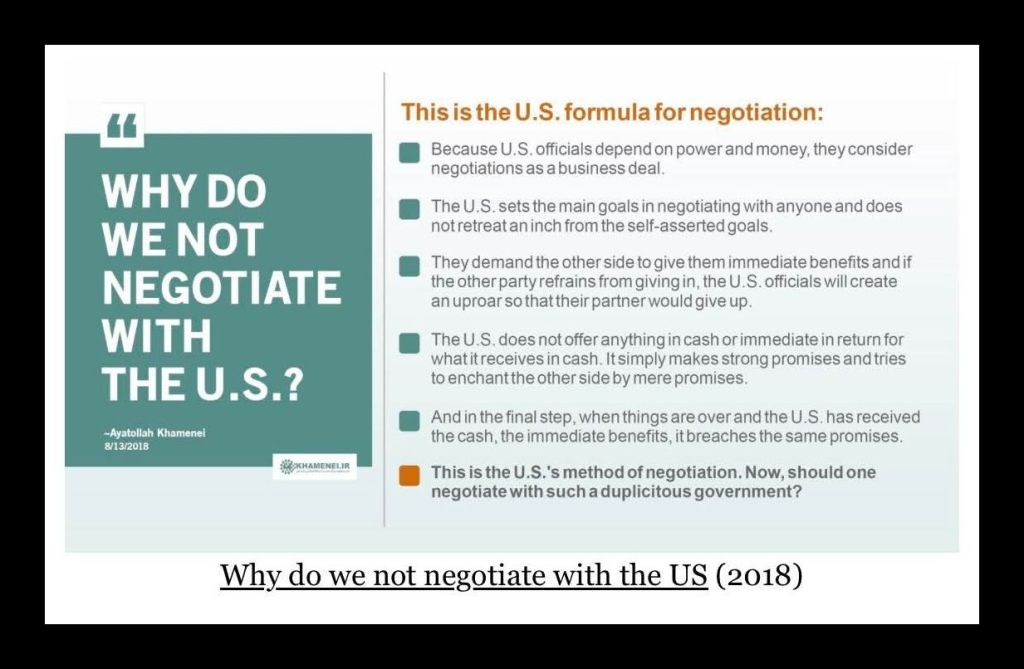
What appears as de-escalation is, in reality, a redistribution of momentum. The forces that produced this conflict remain intact, and the incentives that sustain it have not diminished. The ceasefire offers neither resolution nor transformation, but only time. Time, in this system, is not neutral, as it is accumulated, leveraged, and eventually spent. When it is, the next phase will not represent a departure from what has occurred, but its continuation under altered conditions. The war, in other words, has not ended, and has simply changed form.
Authored By:
Thank you for visiting. This is a reader-supported publication. If you believe journalism should serve the public, not the powerful, and you’re in a position to help, becoming a PAID SUBSCRIBER truly makes a difference. Alternatively you can support by way of a cup of coffee:
https://buymeacoffee.com/ggtv |
https://ko-fi.com/globalgeopolitics |
Bitcoin: 3NiK8BoRZnkwJSHZSekuXKFizGPopkE7ns


Leave a comment