

As nationwide protests challenge federal authority, rising pressure on Iran and looming military options raise fears of dangerous miscalculation at home and abroad.
The crisis now unfolding is no longer confined to a single country or a single issue. It is developing simultaneously inside the United States and across the Middle East, with each front feeding pressure into the other.
As global attention remains fixed on unrest in Iran and rising tensions between Tehran and Washington, a domestic backlash has erupted inside the U.S. following a shooting incident involving Immigration and Customs Enforcement. What initially appeared to be a localized confrontation has expanded into nationwide protests, driven by video footage that contradicts official accounts of the event.
“The release of that video changed everything,” said Maria Alvarez, a civil rights attorney representing several protest organizers in California. “Once people saw the footage for themselves, trust in the government’s version of events collapsed almost overnight.”
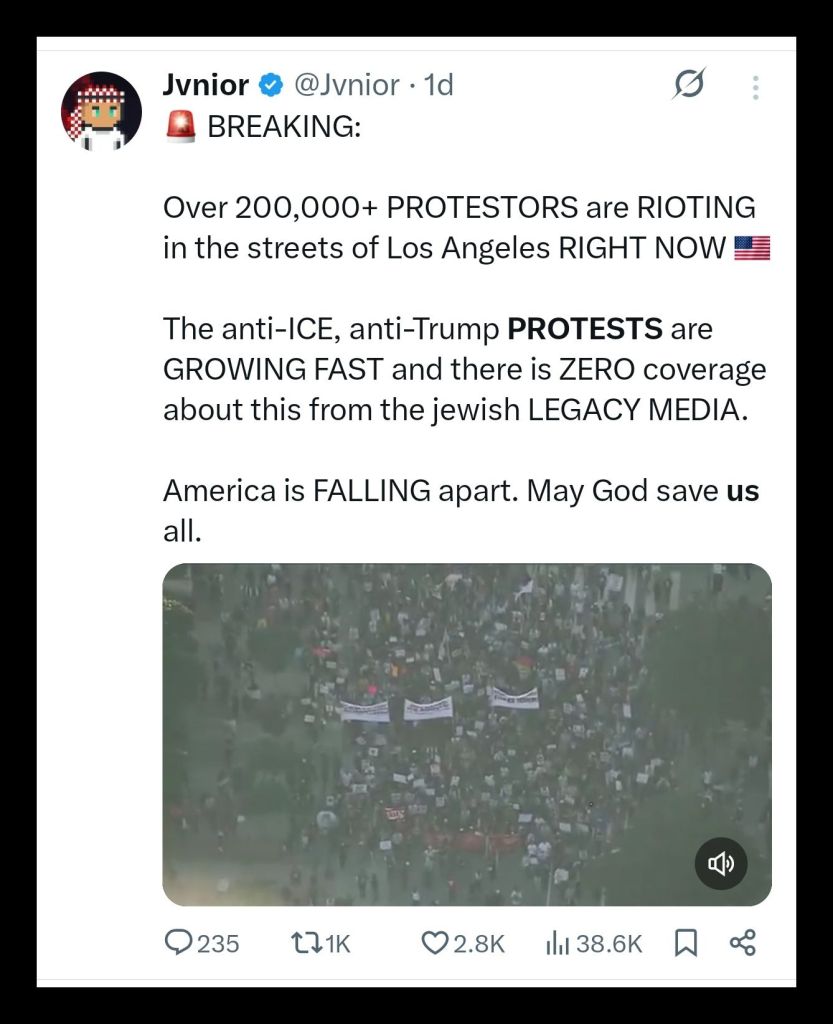
Demonstrations have spread across multiple states, drawing tens of thousands into the streets. Protesters are demanding accountability for the shooting, an immediate halt to aggressive immigration raids, and, increasingly, the abolition of ICE as an institution. In several cities, the protests have merged with broader grievances over policing, federal authority, and executive power.
Political pressure is mounting rapidly. Lawsuits are being filed, state governors are calling for independent investigations, and members of Congress are warning that the administration is losing control of the narrative. With midterm elections approaching, the unrest poses a serious challenge to President Donald Trump’s political standing.
“This is no longer just an immigration debate,” said Thomas Greer, a political analyst at the Atlantic Policy Forum. “It’s about legitimacy. When large segments of the population believe the federal government is lying, the damage goes far beyond a single agency or incident.”
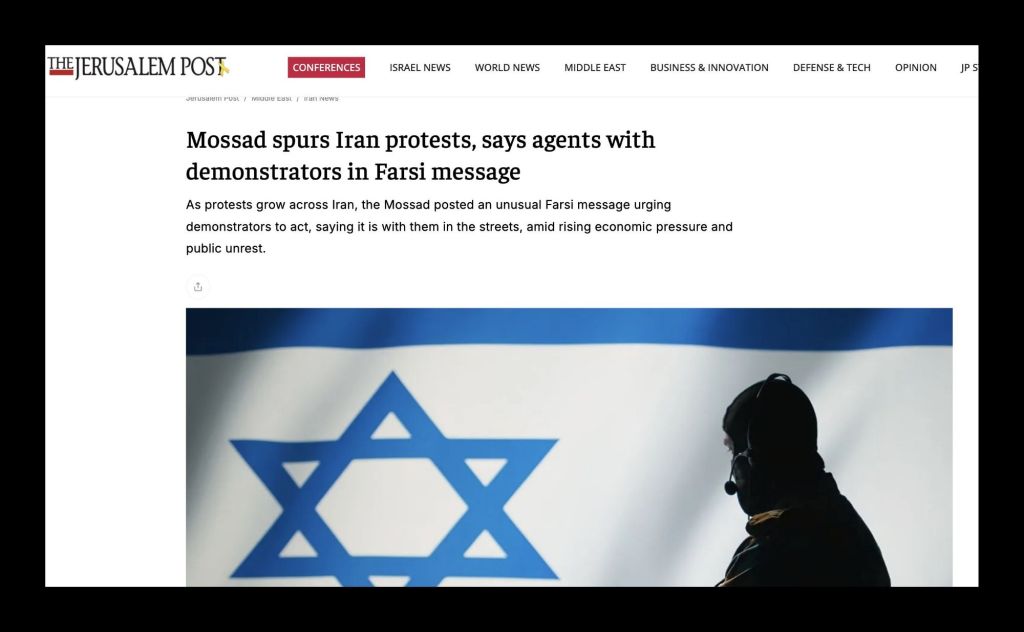
At the same time, developments abroad are raising equally serious concerns. Multiple reports indicate that the U.S. military has finalized contingency plans for potential action against Iran, including cyber operations and strikes targeting critical infrastructure. While officials have stopped short of confirming imminent action, the messaging has become noticeably more aggressive.
A former Pentagon official, speaking on condition of anonymity, said the preparations are real. “The planning is not theoretical,” the official said. “The question isn’t whether options exist, but whether political conditions will push leadership toward using them.”
That timing is what worries many observers. Historically, foreign confrontations have sometimes been used to redirect public attention during moments of domestic instability. Analysts caution that even the perception of such a strategy could have dangerous consequences.
“When domestic unrest and external military posturing rise together, the risk of miscalculation increases dramatically,” warned Leila Haddad, a Middle East security analyst. “Iran is watching U.S. domestic politics closely, just as Washington is watching Iran’s internal situation. One wrong move on either side could escalate fast.”
The stakes extend well beyond bilateral relations. A conflict with Iran could destabilize the wider Middle East, disrupt global energy markets, and force major powers to reconsider their strategic alignments. Conversely, if Tehran manages to contain its internal unrest and avoid military confrontation, the political fallout may concentrate inside the United States, where public confidence in institutions is already fragile.
“This is about power under pressure,” Greer added. “Who can maintain control, who loses credibility, and who shapes the next phase of the global order.”
What is unfolding is not simply a foreign policy crisis or a domestic protest movement. It is a convergence of both, playing out in real time. As tensions rise at home and abroad, the outcome will likely redefine not only U.S.–Iran relations, but the balance of political authority within the United States itself. History, once again, appears to be moving faster than the institutions trying to manage it.
Authored By: Global GeoPolitics
This is a reader-supported publication. I cannot do this without your support. If you believe journalism should serve the public, not the powerful, and you’re in a position to help, becoming a PAID SUBSCRIBER truly makes a difference. Alternatively you can support by way of a donation or cup of coffee:
buymeacoffee.com/ggtv
https://ko-fi.com/globalgeopolitics
.


Leave a comment