
regime change
-
The Brookings Repertoire and the Manufacture of the Iran War
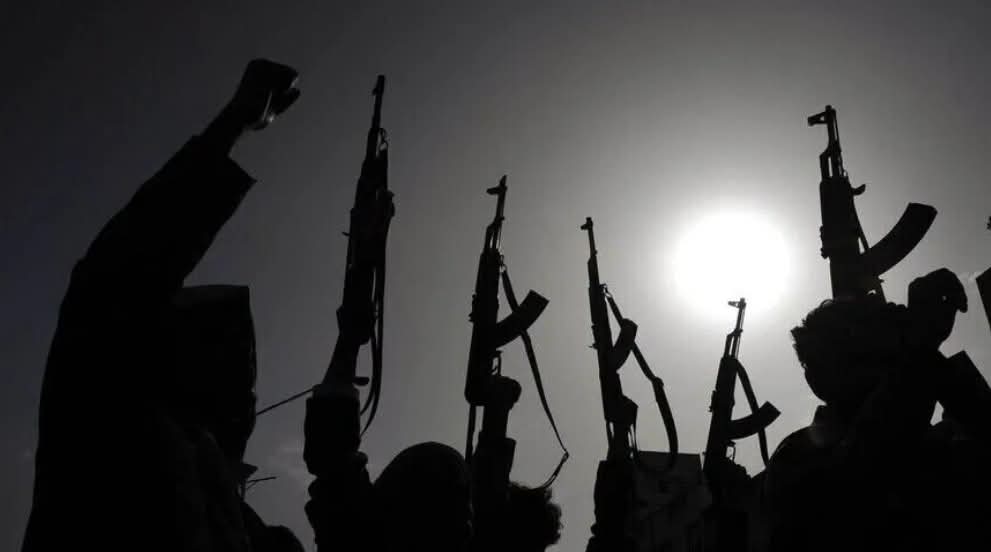
An independent analysis of the strategic repertoire that produced the 2026 Iran war, the institutional networks that sustained it across seventeen years, and the material contradictions that now threaten its architects Editorial Analysis | September 2026 Crafting a durable policy toward the Islamic Republic of Iran has confounded every American administration since the revolution of… Continue reading
AI and Digital Control, America, Energy, EUROPE, Financial markets, Foreign Policy, Geopolitics, Global Finance, Health, Immunisation, imperialism, iran, israel, middle east, Mineral Resources, NATO, neocolonialism, politics, reserve currency, Russia, warAmerican decline, Brookings Institution, civilian casualties, class analysis, defence contractors, diplomatic trap, hegemonic overstretch, institutional continuity, iran, Iranian Jews, munitions depletion, National Endowment for Democracy, regime change, think tanks, United States, USS Harry S. Truman, Which Path to Persia, Yemen -
The Backfire as Putin Loses Patience
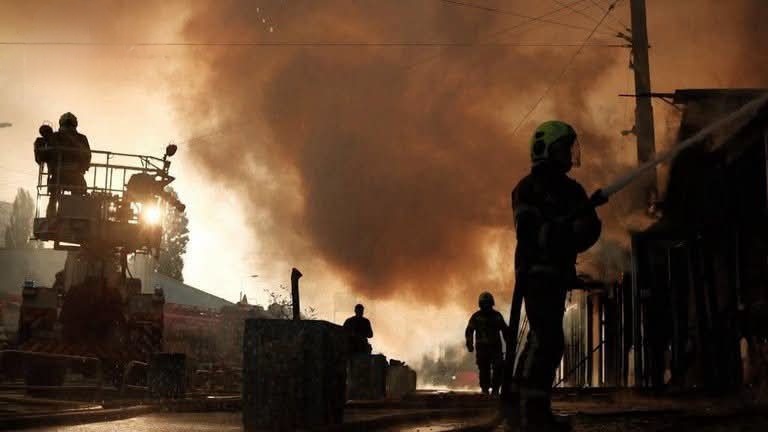
How Ukraine’s Drone Offensive Accelerated Its Own Strategic Collapse The forty-day drone offensive launched by Ukraine against Russian territory represents one of the most significant tactical gambits of the entire conflict, and its consequences will likely reshape the trajectory of the war in ways that Kyiv’s planners almost certainly did not anticipate. President Volodymyr Zelensky… Continue reading
-
Washington’s Never Ending War on Iran
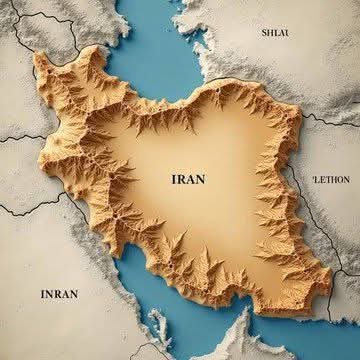
How six years of negotiation, proxy pressure and energy strategy have shaped American policy toward Tehran Every round of negotiation between Washington and Tehran since 2018 has ended the same way, with talks collapsing shortly before or during a major escalation rather than after one. Donald Trump withdrew the United States from the Joint Comprehensive… Continue reading
-
Two Fronts, One Strategic Architecture
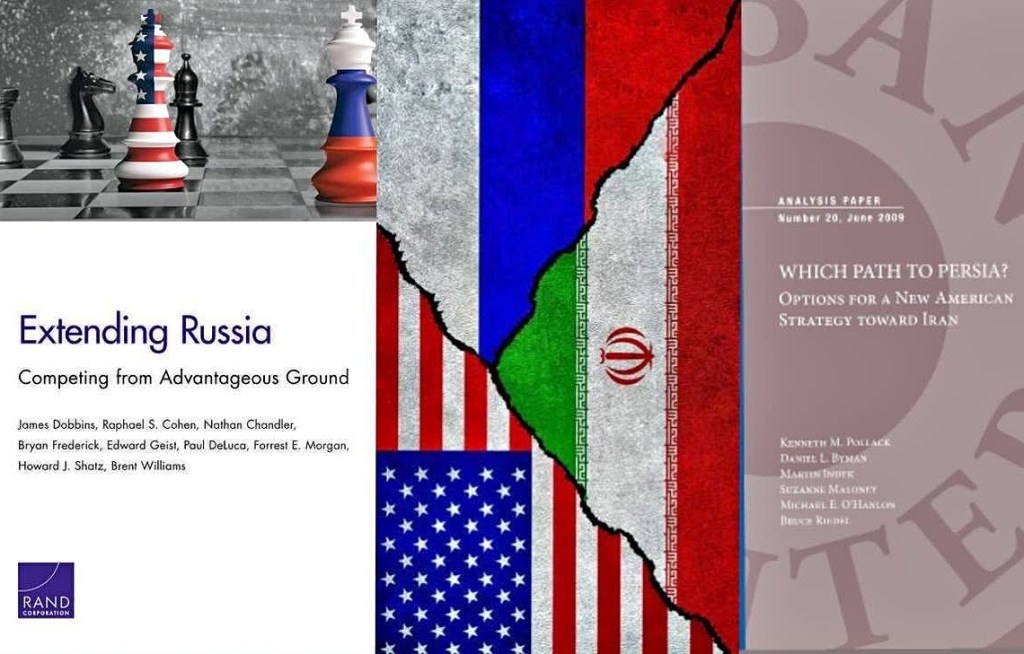
How RAND’s Russia strategy and Brookings’ Iran strategy were written into the wars that followed RAND Corporation is not an independent commentator sitting outside the American state. It is a federally funded research and development centre that has operated under standing contract to the US Army, the Air Force, and the Office of the Secretary… Continue reading
-
The Memorandum of Convenience

Why the US-Iran MOU Represents Another Chapter in a Longstanding Pattern of Strategic Deception The June 2026 Memorandum of Understanding between the United States and Iran has been presented to the world as a diplomatic breakthrough. According to the 14-point text, the agreement commits both parties to the immediate and permanent termination of military operations… Continue reading
AI and Digital Control, America, China, economics, Energy, EUROPE, Financial markets, Foreign Policy, Geopolitics, iran, israel, warBRICS, Brookings Institution, color revolution, energy security, Extending Russia, Geneva Convention, geopolitical competition, international law, Iran nuclear deal, Iran Sanctions, Iran War, Israel–Iran conflict, JCPOA withdrawal, LNG exports, MOU 2026, multipolarity, munitions depletion, proxy warfare, RAND Corporation, regime change, Strait of Hormuz, treaty violations, Trump administration, unipolarity, US foreign policy, US imperialism, US military inventory, US strategic deception, US–Iran relations, Which Path to Persia -
Armenia Regime-Changed Without A Shot Fired

How the 2018 Velvet Revolution Exemplifies the US Strategy of Political Capture of a Sovereign Country The March 1992 leak of the Defense Planning Guidance to the New York Times revealed a strategic vision that would shape American foreign policy for three decades. The document, prepared by Paul Wolfowitz’s policy office, asserted that the United… Continue reading
AI and Digital Control, America, economics, Energy, EUROPE, Financial markets, Foreign Policy, Geopolitics, Global Finance, middle east, Mineral Resources, NATO, neocolonialism, politics, Russia, waradministrative capture, Armenia, Armenia elections 2026, civil society organisations, client regimes, colour revolution, democracy promotion, electoral interference, Eurasian Security, extending Russia strategy, geopolitical competition, hybrid warfare, information space, information warfare, institutional capture, International Republican Institute, National Endowment for Democracy, NATO expansion, Nikol Pashinyan, OSCE observers, political capture, regime change, Russian influence, social media control, South Caucasus, Union of Informed Citizens, US foreign policy, US-Russia rivalry, Velvet Revolution -
Is South Africa Witnessing a Colour Revolution?

Analysing South Africa’s March and March movement through the lens of regime change doctrine South Africa occupies a unique position in the global order. It is the only country in the BRICS+ world where the colonial management class never actually left. Political power was transferred in 1994, but the land, the mines, the banks, the… Continue reading
africa, AI and Digital Control, America, economics, Foreign Policy, Geopolitics, imperialism, israel, neocolonialism, politics, war, zimbabweAfrican geopolitics, AfriForum, anti-immigration, BRICS, colour revolution, Democratic Alliance, foreign interference, Government of National Unity, June 30 protests, March and March, migration policy, multipolar transition, National Endowment for Democracy, Operation Dudula, regime change, soft coup, south africa, South African politics, xenophobia -
Indonesia Unrest: From Hormuz to Malacca, the Next Front?

How Washington’s pursuit of maritime dominance, from the Persian Gulf to Southeast Asia, is reshaping the geopolitical fate of the world’s fourth most populous nation and why Jakarta’s modest gestures of independence have already attracted familiar consequences Editorial Analysis | 16 June 2026 The American and Israeli strikes on Iran, launched on 28 February 2026,… Continue reading
-
The Proxy Doctrine: How Washington Wages War Through Tel Aviv While Feigning Ignorance
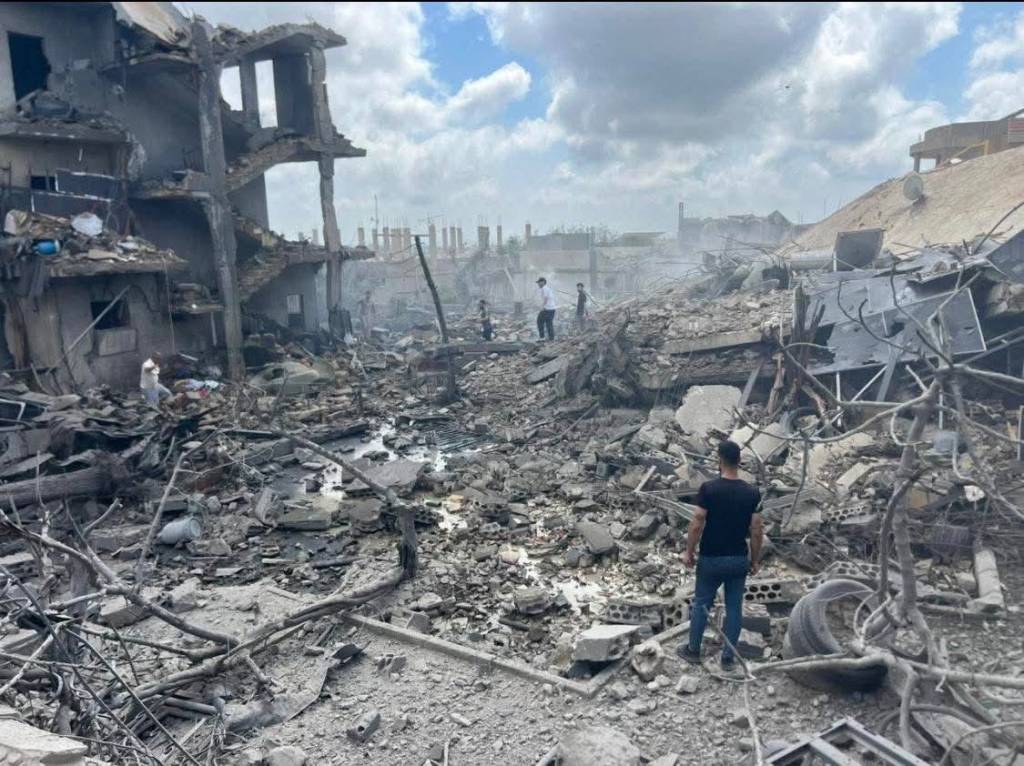
Washington’s long-prepared campaign Tehran operates through Israeli military assets, diplomatic theatre, and a calculated energy strategy designed to reshape Asia’s supply dependencies On 8 June 2026, Israeli aircraft struck Iranian military targets hours after Iran launched missiles toward Israel, and American officials promptly announced that United States forces had played no part in the operation.… Continue reading
-
Tulsi Gabbard’s Exit Reveals Washington’s Old Foreign Policy Machinery
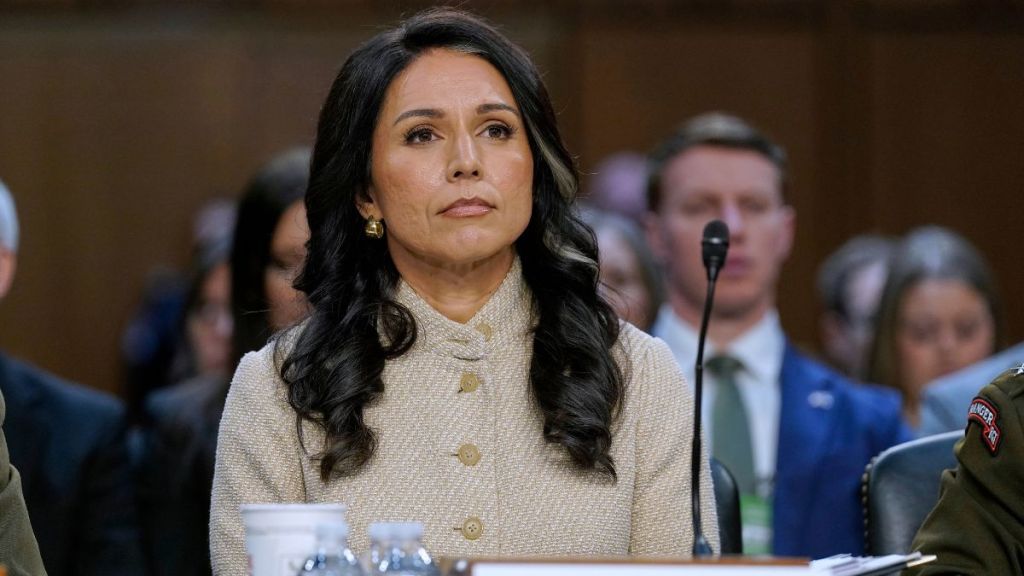
An administration elected partly upon anti-war sentiment increasingly resembles the interventionist security structures it once condemned, while mounting tensions surrounding Iran, intelligence authority, and scrutiny of American-funded biological research programmes cast a longer political shadow over Tulsi Gabbard’s carefully managed departure from the White House Tulsi Gabbard’s resignation from the position of Director of National… Continue reading
