
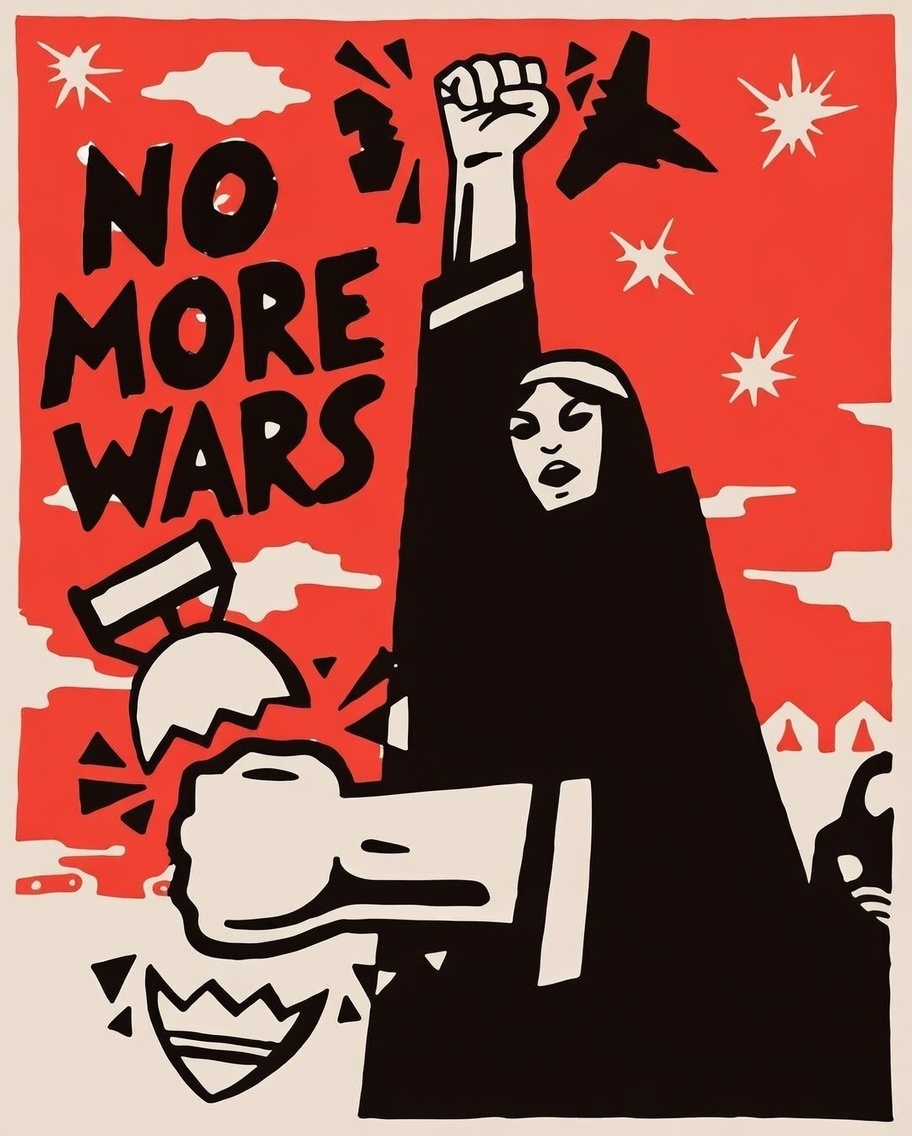
How Behavioural Conditioning and Narrative Control Produce Acceptance of War
Support for moving closer to war did not form on its own or in response to a single event. People were pushed toward accepting escalation through repeated messages, selective information, and emotional pressure applied over time. Government statements, major media coverage, and institutional signalling reinforced each other across many years. Each step increased tension while reducing space for pause, negotiation, or reversal. Acceptance of confrontation grew gradually, not because of public demand, but because alternatives were removed from view. The United States acted as the main organiser and distributor of this process across allied political systems.
Social conformity provides the first structural layer supporting this process. Solomon Asch demonstrated that individuals frequently deny visible reality when exposed to group pressure, even when correct answers remain obvious and cost-free to state (Asch, Social Psychology, 1952; Asch, “Opinions and Social Pressure,” Scientific American, 1955). Later replications showed conformity increases sharply when dissent threatens social standing or professional inclusion. Contemporary policy environments reproduce these conditions through reputational sanctions, grant dependency, and career filtering. Glenn Diesen documents how Atlantic foreign policy discourse marginalises deviation through informal enforcement rather than direct censorship, particularly within security studies and international relations faculties (Diesen, The Decay of Western Civilisation, 2020). Academic promotion, media access, and advisory appointments increasingly reward alignment rather than analytical accuracy, narrowing the spectrum of publicly acceptable conclusions long before policy decisions reach legislative scrutiny.
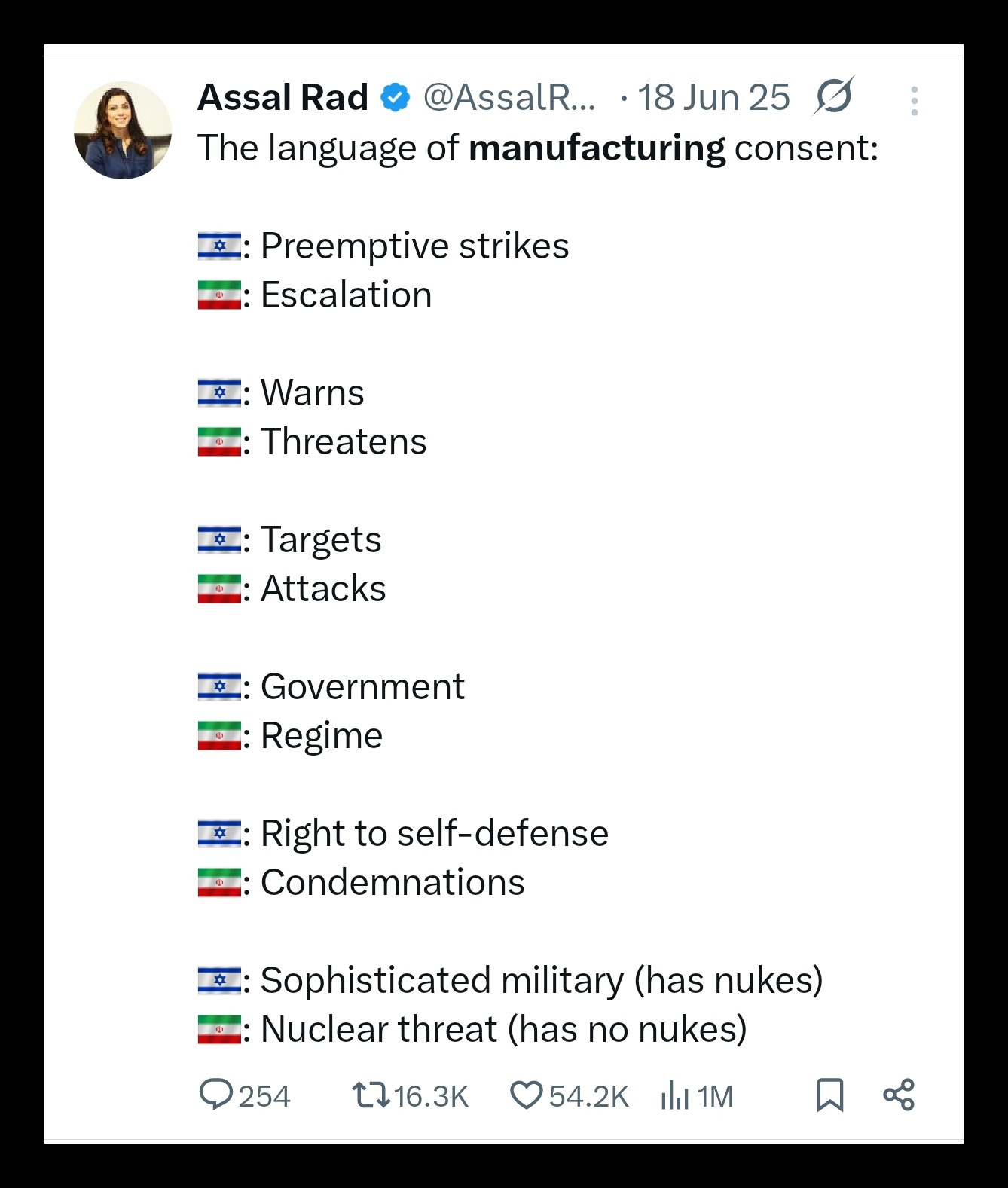
Algorithmic curation forms the second layer. Digital platforms optimise for engagement metrics that privilege emotional arousal over informational accuracy. Shoshana Zuboff shows that surveillance capitalism converts behavioural prediction into profit by amplifying content that triggers fear, anger, and identity affirmation, thereby sustaining attention loops rather than reflective judgement (Zuboff, The Age of Surveillance Capitalism, 2019). Platform research disclosed during U.S. congressional hearings confirmed that outrage-driven content travels further and faster than corrective information. Over time, users encounter increasingly extreme representations of opposing views while receiving constant reinforcement of their own assumptions. This dynamic produces polarisation without deliberation, creating populations primed for conflict framing while perceiving escalation as defensive necessity rather than strategic choice.
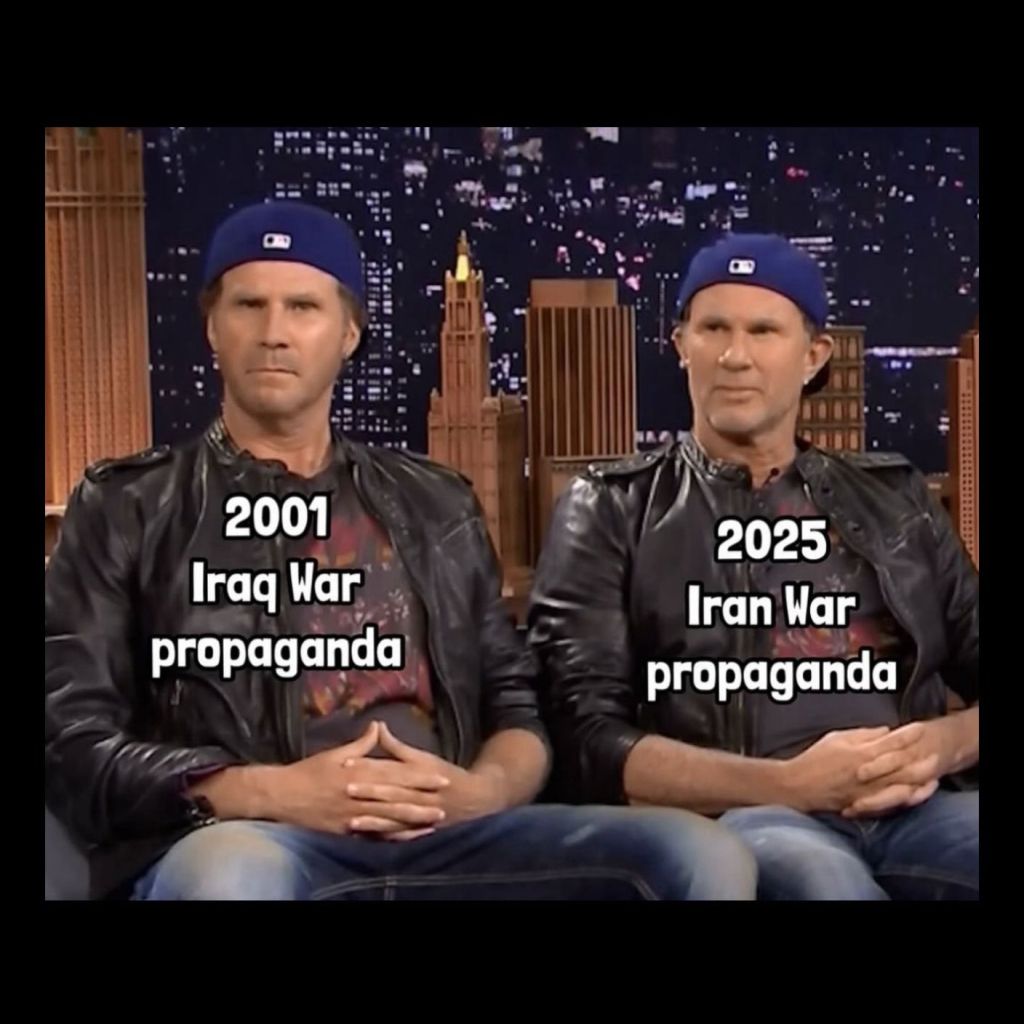
False binaries provide a third mechanism. Political discourse increasingly restricts interpretation to opposing camps presented as morally incompatible and existentially threatened. Johan Galtung described such framing as structural violence, where available options are artificially constrained to preserve conflict-serving systems (Galtung, Peace by Peaceful Means, 1996). In contemporary geopolitics, alignment with one bloc is presented as synonymous with civilisation itself, while neutrality or mediation is treated as moral failure. Historical alternatives, including Finlandisation, non-alignment, and regional security compacts, disappear from mainstream debate despite documented success during earlier periods of systemic tension. This binary framing channels dissent horizontally between populations rather than vertically toward decision-makers.
Emotional role assignment deepens this effect. The drama triangle model describes how individuals and groups are conditioned into rotating roles of victim, persecutor, and rescuer, sustaining emotional engagement while preventing resolution. Media narratives repeatedly assign these roles at scale, particularly during foreign crises. Zygmunt Bauman warned that moral simplification enables bureaucratic harm by dissolving personal responsibility into abstract necessity (Bauman, Modernity and the Holocaust, 1989). When populations identify as victims under constant threat, extraordinary measures become acceptable. When adversaries are reduced to persecutors without legitimate interests, negotiation appears immoral. When interventionist powers assume rescuer status, accountability for consequences recedes from view.
Authority substitution represents another stabilising mechanism. Zealous hero worship encourages individuals to outsource ethical judgement to designated figures or institutions. Hannah Arendt identified this dynamic in her analysis of administrative obedience, where moral reasoning collapses into procedural compliance (Arendt, Eichmann in Jerusalem, 1963). Modern governance replicates this structure through expert branding and technocratic insulation. Policy architects present decisions as technical necessities rather than political choices, shielding them from moral evaluation. Followers excuse actions they would otherwise condemn when performed by perceived guardians of order, including surveillance expansion, sanctions regimes, and proxy warfare.
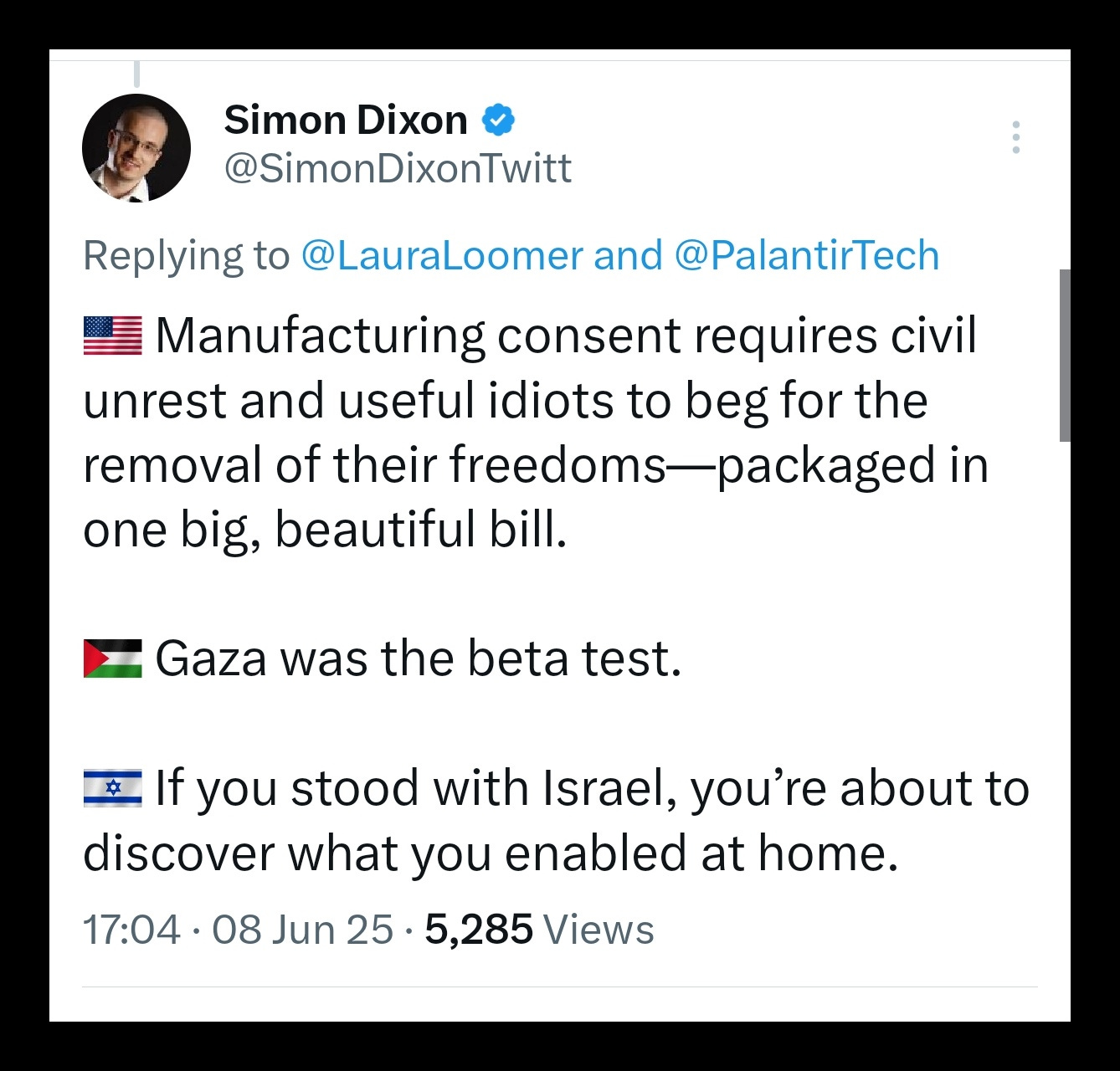
Obedience conditioning further entrenches compliance. Stanley Milgram demonstrated that ordinary individuals inflict harm when instructed by perceived authority, even against personal conscience, provided responsibility appears transferred upward (Milgram, Obedience to Authority, 1974). Subsequent analyses emphasised situational pressure rather than ideological conviction. Military and civilian bureaucracies institutionalise similar dynamics through compartmentalisation and chain-of-command structures. Sanctions enforcement offers a concrete example. Officials administering economic restrictions operate far removed from humanitarian impact, allowing participation without confronting consequences. Richard Nephew acknowledged that civilian suffering functions as an intended pressure mechanism within sanctions design rather than an accidental by-product (Nephew, The Art of Sanctions, 2017).
Role internalisation accelerates harm once authority structures solidify. Philip Zimbardo’s prison experiment showed rapid adoption of abusive behaviour when individuals occupy power-defined roles, independent of prior disposition (Zimbardo, The Lucifer Effect, 2007). Structural authority, rather than ideology alone, generates cruelty. Contemporary policy ecosystems mirror this through institutional roles that normalise harm as routine administration. Military planners, intelligence analysts, and logistics officers operate within professional cultures that reward execution over reflection. Actions contributing to instability become framed as neutral duties rather than moral decisions, reinforcing escalation through inertia.
Controlled opposition stabilises the system by absorbing dissent. Antonio Gramsci described hegemonic resilience as the capacity of dominant systems to incorporate opposition energy while preserving underlying power relations (Gramsci, Prison Notebooks, 1935). Modern political economies operationalise this through partisan spectacle and symbolic reform. Apparent resistance movements frequently redirect public anger back into electoral cycles, media consumption, or personality-driven conflicts, leaving structural drivers untouched. Electoral alternation produces rhetorical change without strategic deviation, sustaining continuity across administrations regardless of party branding.
Together these mechanisms prepare populations psychologically for prolonged confrontation. Narrowed perception, emotional saturation, authority dependence, and moral outsourcing reduce resistance to escalation. Kinetic conflict becomes framed as inevitable or defensive rather than contingent and avoidable. Strategic planners exploit these conditions to sustain forward momentum without meaningful democratic disruption.
The United States functions as the primary operational vehicle due to structural position rather than exclusive intent. Military reach, financial infrastructure, and media saturation enable transmission of instability across allied systems. NATO expansion provides a clear example. George Kennan warned that enlargement would provoke long-term confrontation and undermine European security balance, a position articulated in his 1997 New York Times essay and earlier policy memoranda. John Mearsheimer later argued that expansion created predictable security dilemmas rather than stability (Mearsheimer, “Why the Ukraine Crisis Is the West’s Fault,” Foreign Affairs, 2014). Stephen Walt similarly criticised alliance overreach detached from threat realism (Walt, The Hell of Good Intentions, 2018). Despite these warnings, expansion proceeded under moral framing that equated opposition with aggression, aligning public perception with predetermined outcomes.
Sanctions policy further illustrates instrumentalisation. Comprehensive sanctions imposed on Iraq during the 1990s resulted in documented civilian mortality increases, acknowledged by UN officials including Denis Halliday, who resigned in protest. Similar patterns emerged in Iran, Venezuela, and Syria, where humanitarian impact failed to produce policy change but succeeded in signalling dominance. Such measures rely on public moral disengagement conditioned through abstraction and authority framing, enabling acceptance of harm without visible accountability.
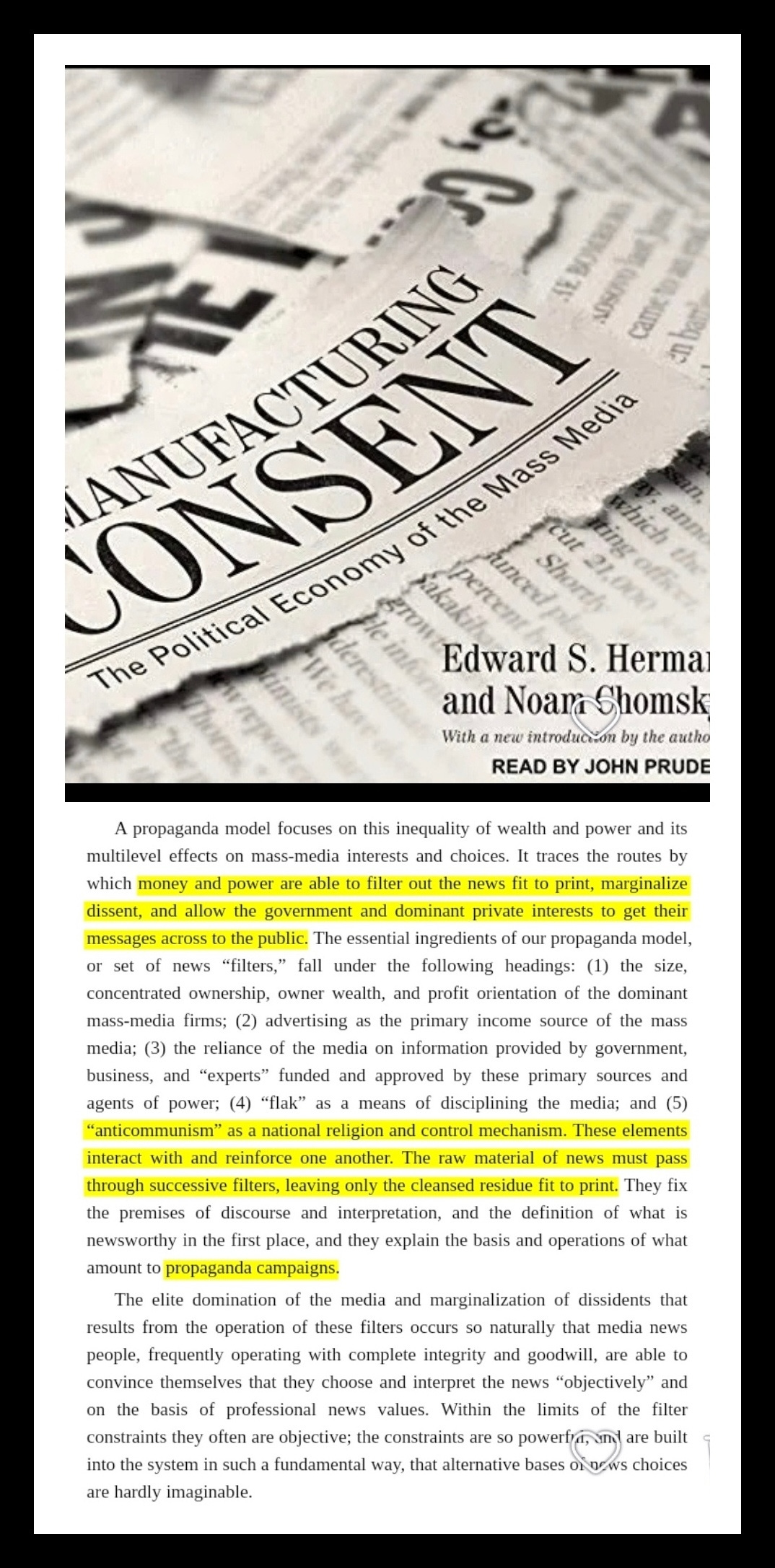
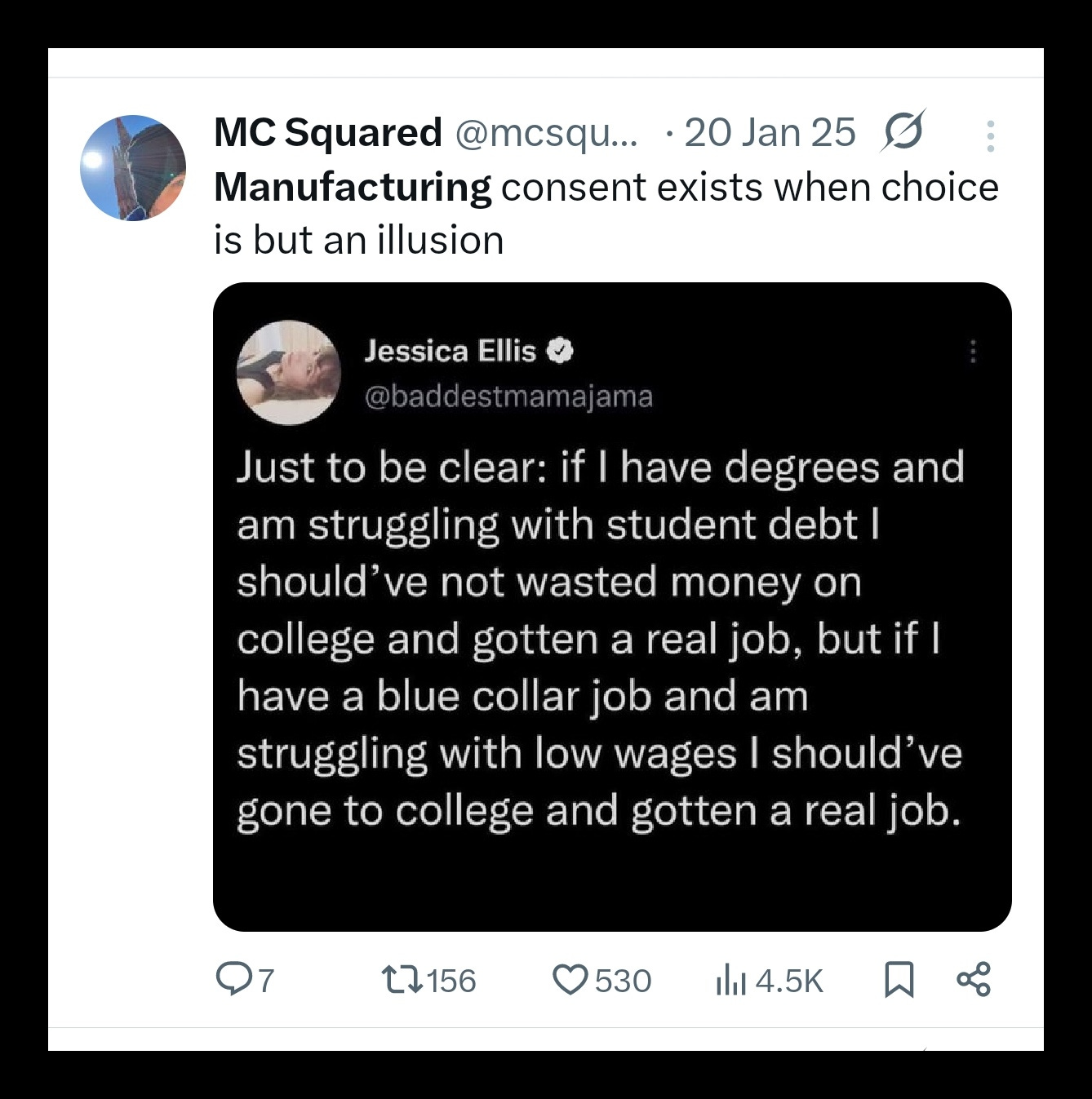
Information control completes the architecture. Media convergence around approved narratives limits exposure to contradictory evidence. Edward Herman and Noam Chomsky described this filtering through ownership concentration, sourcing dependency, and ideological discipline (Herman and Chomsky, Manufacturing Consent, 1988). Digital amplification intensifies the effect, reducing reliance on overt censorship. Silence, repetition, and omission replace debate, producing perceived unanimity that reinforces compliance through social proof.
Progressive instability therefore reflects systemic design rather than reactive drift. Behavioural conditioning, media engineering, institutional incentives, and strategic continuity align toward sustained confrontation. The United States operates as executor and amplifier within this architecture, converting psychological manipulation into geopolitical momentum. Kinetic conflict emerges as the endpoint of this process, rendered acceptable through managed perception rather than informed consent.
So, policy discourse would benefit from institutional protection for non-aligned strategic analysis and negotiated security frameworks. Media regulation focused on algorithmic transparency could reduce emotional manipulation incentives. Decentralisation of authority within policy execution may restore individual accountability. Strategic restraint doctrines articulated openly and insulated from partisan capture could interrupt escalation cycles before kinetic thresholds are crossed.
Authored By: Global GeoPolitics
Thank you for visiting. This is a reader-supported publication. I cannot do this without your support. You can support by way of a cup of coffee:
buymeacoffee.com/ggtv or


Leave a comment