
alliance systems
-
Do Not Underestimate the United States (Editorial Version)
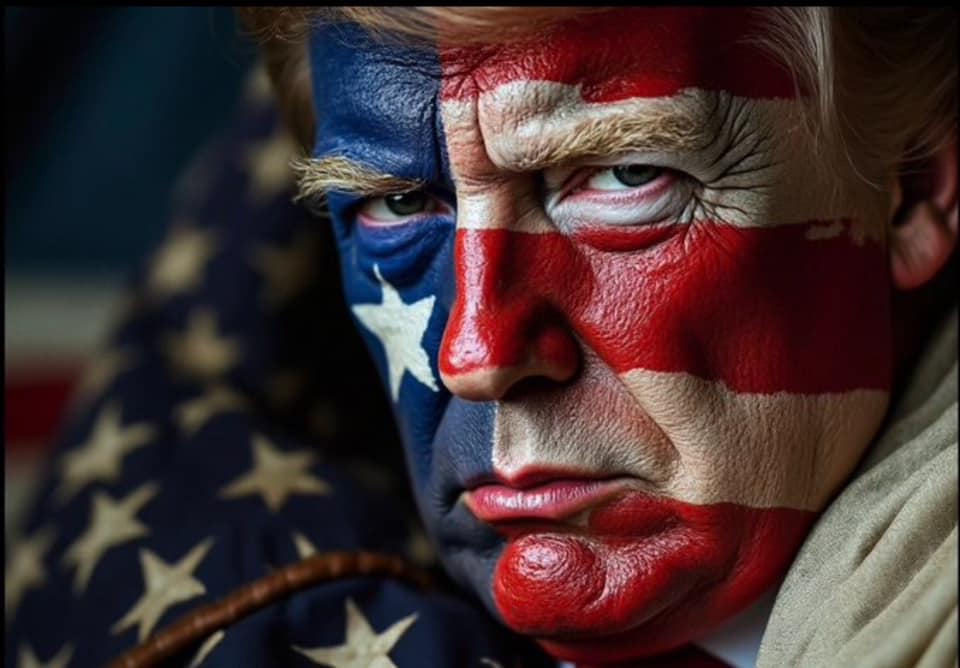
An analytical examination of the US blockade on Iran, the systematic disruption of energy flows to Asia, and the long-term campaign to isolate China The United States Navy’s deployment of FA-18 Super Hornets to conduct strafing attacks against Iranian commercial tankers in the Gulf of Oman on 6 and 8 May 2026, three vessels targeted,… Continue reading
AI and Digital Control, America, China, economics, Energy, EUROPE, Financial markets, Foreign Policy, Geopolitics, Global Finance, iran, israel, middle east, Mineral Resources, NATO, politics, reserve currency, Russia, South East Asia, waralliance systems, Brian Berletic, Brookings Institution, China, deindustrialisation, economic warfare., energy security, Energy Warfare, Eurasia, Eurasian integration, Geopolitics, global energy markets, global trade routes, great power competition, Indo-Pacific, industrial policy, international relations, iran, LNG, maritime chokepoints, Maritime Strategy, NATO, Nord Stream, proxy warfare, RAND Corporation, Russia, sanctions, sanctions policy, Strait of Hormuz, Strait of Malacca, Strategic Competition, Ukraine war, United States foreign policy, US Navy -
Do Not Underestimate the United States (Long Version)
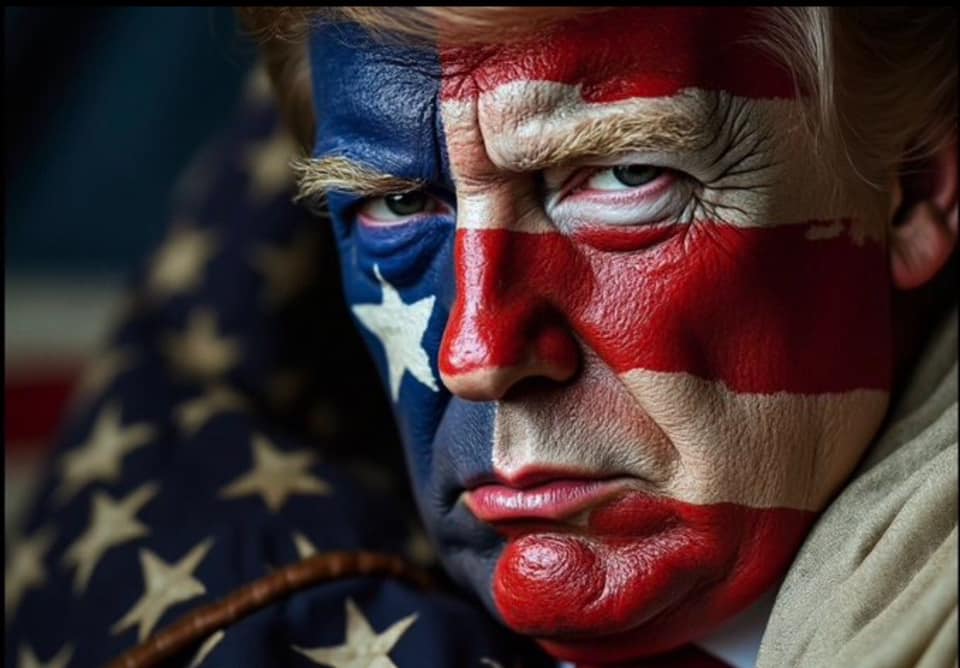
Why the United States Seeks Control of Supply Routes Rather Than Conventional Victory American power has repeatedly been misread during prolonged geopolitical confrontations because commentators continue measuring strategic success through the narrow lens of immediate battlefield outcomes rather than through cumulative institutional, economic, and infrastructural transformation across decades. Independent geopolitical analyst Brian Berletic argued during… Continue reading
AI and Digital Control, America, China, East Africa, economics, Energy, EUROPE, Financial markets, Foreign Policy, Geopolitics, iran, israel, middle east, NATO, politics, reserve currency, Russia, waralliance systems, Brian Berletic, Brookings Institution, China, deindustrialisation, economic statecraft, economic warfare., energy geopolitics, energy security, Energy Warfare, Eurasia, Eurasian integration, geopolitical risk, Geopolitics, global energy markets, global trade routes, great power competition, Indo-Pacific, industrial policy, international relations, iran, LNG, maritime chokepoints, Maritime Strategy, military strategy, NATO, Nord Stream, proxy warfare, RAND Corporation, Russia, sanctions, sanctions policy, Strait of Hormuz, Strait of Malacca, Strategic Competition, strategic studies, supply chains, Ukraine war, United States foreign policy, US Navy, US-China relations -
America’s Suez Moment at Hormuz
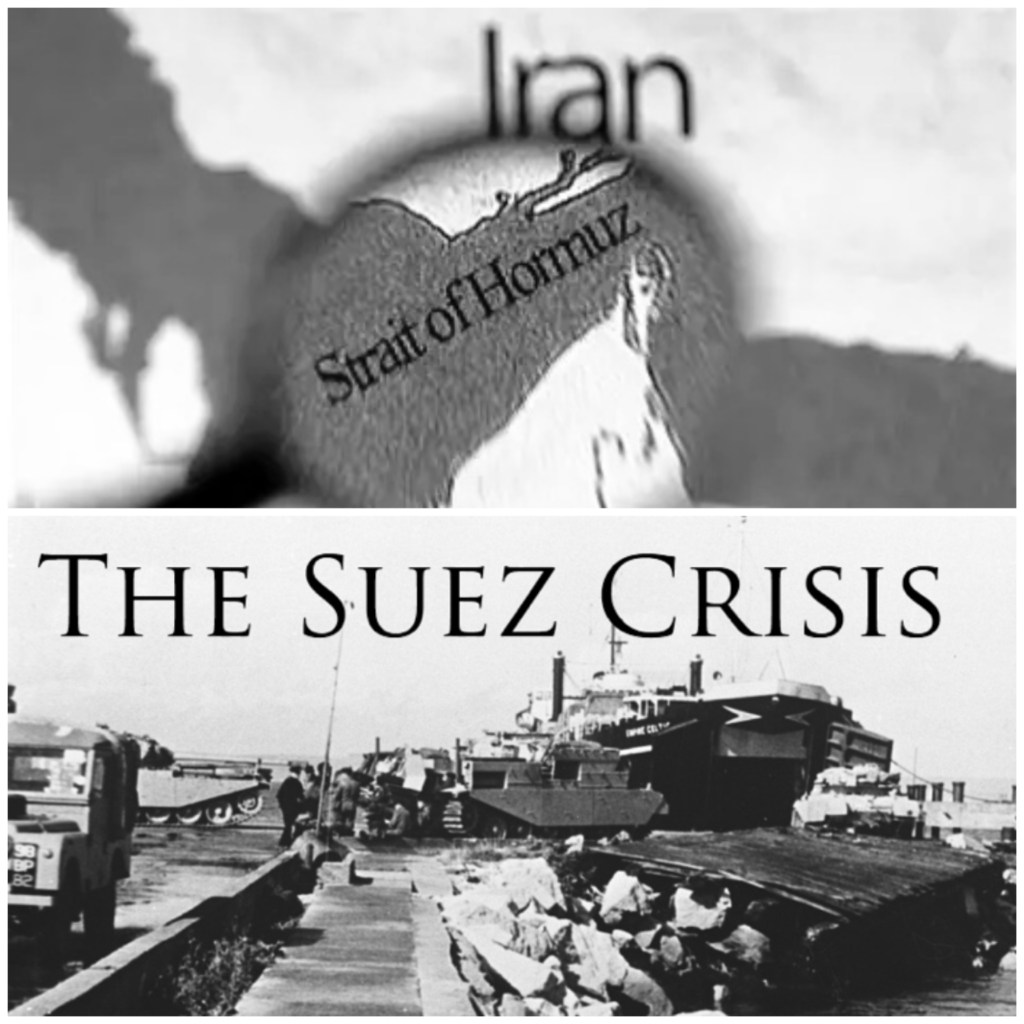
How loss of a single trade route reshapes power, finance, and global order Loss of control over the Strait of Hormuz will mark the end of American global dominance in the same manner that the Suez Canal marked the end of British imperial power, with the mechanism of decline rooted not in immediate military defeat… Continue reading
AI and Digital Control, America, China, economics, Energy, EUROPE, Financial markets, Geopolitics, Global Finance, iran, israel, middle east, NATO, politics, reserve currency, waralliance systems, American empire, asymmetrical warfare, British empire decline, capital flows, debt crisis, energy security, geopolitical analysis, global trade routes, historical precedent, imperial decline, Iran strategy, maritime chokepoints, oil transit, Ray Dalio, reserve currency status, Strait of Hormuz, Suez Crisis 1956, US dollar, US foreign policy -
Manufacturing Public Acceptance of War

How Behavioural Conditioning and Narrative Control Produce Acceptance of War Support for moving closer to war did not form on its own or in response to a single event. People were pushed toward accepting escalation through repeated messages, selective information, and emotional pressure applied over time. Government statements, major media coverage, and institutional signalling reinforced… Continue reading
AI and Digital Control, America, Foreign Policy, Geopolitics, middle east, NATO, politics, Russia, waralliance systems, behavioural conditioning, foreign policy continuity, geopolitical instability, information control, manufactured consent, media alignment, narrative control, obedience and authority, psychological manipulation, public opinion management, sanctions policy, United States power, war escalation
