
sanctions policy
-
Do Not Underestimate the United States (Editorial Version)
An analytical examination of the US blockade on Iran, the systematic disruption of energy flows to Asia, and the long-term campaign to isolate China The United States Navy’s deployment of FA-18 Super Hornets to conduct strafing attacks against Iranian commercial tankers in the Gulf of Oman on 6 and 8 May 2026, three vessels targeted,… Continue reading
AI and Digital Control, America, China, economics, Energy, EUROPE, Financial markets, Foreign Policy, Geopolitics, Global Finance, iran, israel, middle east, Mineral Resources, NATO, politics, reserve currency, Russia, South East Asia, waralliance systems, Brian Berletic, Brookings Institution, China, deindustrialisation, economic warfare., energy security, Energy Warfare, Eurasia, Eurasian integration, Geopolitics, global energy markets, global trade routes, great power competition, Indo-Pacific, industrial policy, international relations, iran, LNG, maritime chokepoints, Maritime Strategy, NATO, Nord Stream, proxy warfare, RAND Corporation, Russia, sanctions, sanctions policy, Strait of Hormuz, Strait of Malacca, Strategic Competition, Ukraine war, United States foreign policy, US Navy -
Do Not Underestimate the United States (Long Version)
Why the United States Seeks Control of Supply Routes Rather Than Conventional Victory American power has repeatedly been misread during prolonged geopolitical confrontations because commentators continue measuring strategic success through the narrow lens of immediate battlefield outcomes rather than through cumulative institutional, economic, and infrastructural transformation across decades. Independent geopolitical analyst Brian Berletic argued during… Continue reading
AI and Digital Control, America, China, East Africa, economics, Energy, EUROPE, Financial markets, Foreign Policy, Geopolitics, iran, israel, middle east, NATO, politics, reserve currency, Russia, waralliance systems, Brian Berletic, Brookings Institution, China, deindustrialisation, economic statecraft, economic warfare., energy geopolitics, energy security, Energy Warfare, Eurasia, Eurasian integration, geopolitical risk, Geopolitics, global energy markets, global trade routes, great power competition, Indo-Pacific, industrial policy, international relations, iran, LNG, maritime chokepoints, Maritime Strategy, military strategy, NATO, Nord Stream, proxy warfare, RAND Corporation, Russia, sanctions, sanctions policy, Strait of Hormuz, Strait of Malacca, Strategic Competition, strategic studies, supply chains, Ukraine war, United States foreign policy, US Navy, US-China relations -
The China Perspective: War Without Declaration
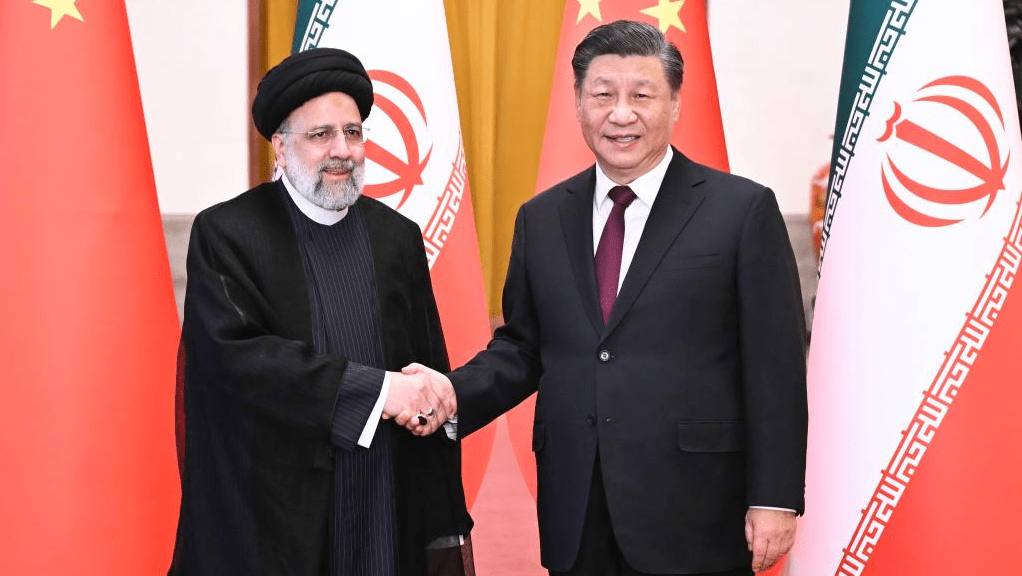
A Consideration of War in Iran and the Greater Reordering of the World In Which China Endures the Tumult of War Whilst the Old Order Strains to Maintain Its Hold China views the Iran war not as a distant regional conflict but as part of a broader strategic environment in which it is the primary… Continue reading
AI and Digital Control, America, China, economics, Energy, EUROPE, Financial markets, Foreign Policy, Geopolitics, Global Finance, iran, israel, middle east, Mineral Resources, NATO, politics, reserve currency, Russia, South East Asia, warBelt and Road Initiative, China, containment strategy, economic warfare., energy security, Eurasian integration, financial systems, Geopolitics, global power shift, global supply chains, global trade, globalisation, international relations, Iran War, maritime chokepoints, Middle East conflict, multipolar world order, realism theory, sanctions, sanctions policy, Strait of Hormuz, Strategic Competition, strategic restraint, United States, US-China relations -
China’s First Direct Rejection of U.S. Financial Jurisdiction
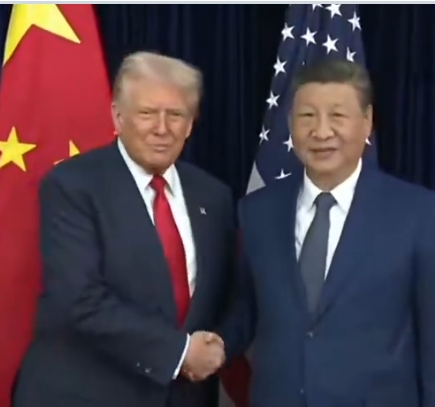
Why Beijing’s refusal to recognise American sanctions marks a structural shift in global financial power A legal border moved across the international system when China’s Ministry of Commerce instructed domestic firms not to recognise, enforce, or comply with United States sanctions against five Chinese refineries. Financial globalisation relied upon a silent assumption that American secondary… Continue reading
AI and Digital Control, America, China, economics, Energy, EUROPE, Financial markets, Foreign Policy, Geopolitics, Global Finance, Health, iran, israel, middle east, Mineral Resources, NATO, politics, reserve currency, Russia, warAnti-Foreign Sanctions Law, Belt and Road Initiative, blocking statute, China sanctions law, Chinese refineries, commodity security, cross-border finance, de-dollarisation, dollar hegemony, economic statecraft, energy geopolitics, energy security, extraterritorial jurisdiction, extraterritorial sanctions, financial coercion, financial decoupling, game theory in geopolitics, geopolitical economy, geopolitical risk, global financial order, global order transition, global supply chains, great power competition, international political economy, Iranian oil trade, legal sovereignty, multipolarity, realist international relations, sanctions compliance, sanctions enforcement, sanctions policy, sanctions resistance, secondary sanctions, sovereign jurisdiction, strategic autonomy, Strategic Competition, systemic rivalry, trade fragmentation, U.S. Treasury sanctions, U.S.–China relations, yuan internationalisation -
Iran War Blunder Seen Through the Law of Unintended Consequences
Strait of Hormuz disruption, sanctions blowback, and energy market chaos exposing the fragility of globalisation and accelerating geopolitical realignment Economic history repeatedly demonstrates the law of unintended consequences operating with particular force during military escalation and coercive sanctions regimes. The confrontation surrounding Iran now produces cascading disruptions across energy markets, alliances, shipping networks, and domestic… Continue reading
AI and Digital Control, America, China, economics, Energy, EUROPE, Financial markets, Foreign Policy, Geopolitics, Global Finance, iran, israel, middle east, Mineral Resources, NATO, politics, Russia, technology, warenergy chokepoints, energy geopolitics, energy security, Geopolitics, global energy markets, globalisation critique, international political economy, international trade routes, LNG markets, oil markets, Russia energy trade, sanctions blowback, sanctions policy, Strait of Hormuz, strategic miscalculation, supply chain disruption, unintended consequences, West Asia conflict -
Manufacturing Public Acceptance of War

How Behavioural Conditioning and Narrative Control Produce Acceptance of War Support for moving closer to war did not form on its own or in response to a single event. People were pushed toward accepting escalation through repeated messages, selective information, and emotional pressure applied over time. Government statements, major media coverage, and institutional signalling reinforced… Continue reading
AI and Digital Control, America, Foreign Policy, Geopolitics, middle east, NATO, politics, Russia, waralliance systems, behavioural conditioning, foreign policy continuity, geopolitical instability, information control, manufactured consent, media alignment, narrative control, obedience and authority, psychological manipulation, public opinion management, sanctions policy, United States power, war escalation -
The United States as the Principal Adversary of its Own Currency
The political economy consequences of turning financial infrastructure into weapons hence de-risking from America is a rational response to concentrated monetary power The United States dollar emerged as the core instrument of global trade and finance after 1945, supported by American industrial dominance, military reach, and the Bretton Woods framework. That position rested on confidence… Continue reading
-
Tensions Surge in the Middle East: US-Iran Conflict Looms
As Military Forces Mobilize and Diplomatic Channels Fray, Experts Warn a Major Confrontation May Be Imminent. In recent reports, the situation in the Middle East has escalated to a point where military conflict between the United States and Iran appears increasingly imminent. Various outlets, including Reuters and CBS, have reported that the U.S. may be… Continue reading
-
Iran Holds: What Follows the Collapse of the Street Strategy

How economic warfare, intelligence operations, and deterrence shift after regime survival As the violence subsided and funerals replaced street clashes, casualty data began to undermine the dominant external narrative surrounding the unrest. Official death tallies released by Iranian authorities showed that a clear majority of those killed were neither demonstrators nor participants in protest activity.… Continue reading
