
Administrative Power, Permanent Emergency and the Collapse of Political Rights
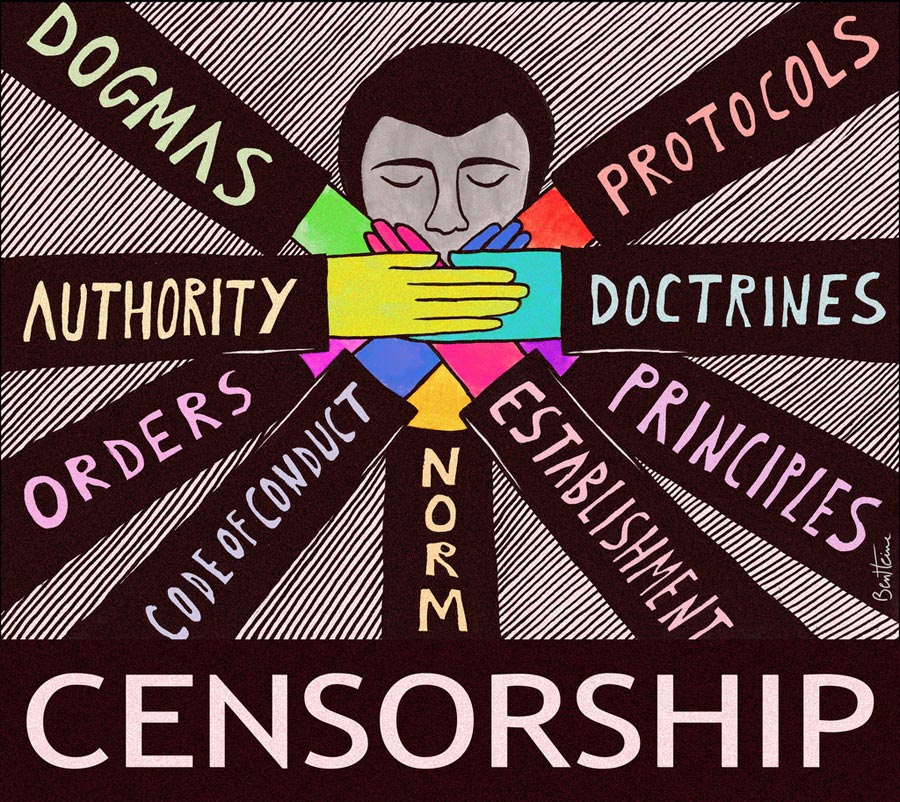
Public consent for confrontation is increasingly produced through administrative control rather than political argument or legal process grounded in law. This change is observable across Western states in how dissenting individuals are treated, managed, and ultimately removed from public participation. The growing reliance on administrative tools instead of courts signals a structural transformation in how state power now operates.
Individuals such as Jacques Baud, Hüseyin Doğru, Alina Lipp, and Nathalie Yamb have faced sanctions without criminal charges or judicial proceedings. These measures relied on executive authority, regulatory instruments, or emergency frameworks rather than criminal law and due process protections. No specific illegal acts were demonstrated in open court before penalties were imposed on these individuals. The method of enforcement carries greater significance than the particular figures targeted.
Administrative sanctions bypass evidentiary standards, adversarial testing, and proportionality principles that traditionally define legal punishment. Carl Schmitt argued in Political Theology that sovereignty reveals itself most clearly when normal legal order is suspended. Measures previously framed as exceptional responses increasingly function as routine instruments of governance. Giorgio Agamben later described this condition as a permanent state of exception in State of Exception, where emergency logic becomes normal administration.
This transformation reflects a deeper redefinition of the citizen’s relationship to the state. In classical liberal theory, the citizen existed as a subject of rights with a protected interior life. John Locke’s Second Treatise of Government grounded political legitimacy in consent and protection of conscience. Isaiah Berlin later framed negative liberty as freedom from coercion by authority. These assumptions underpinned postwar constitutional systems across the Western world.
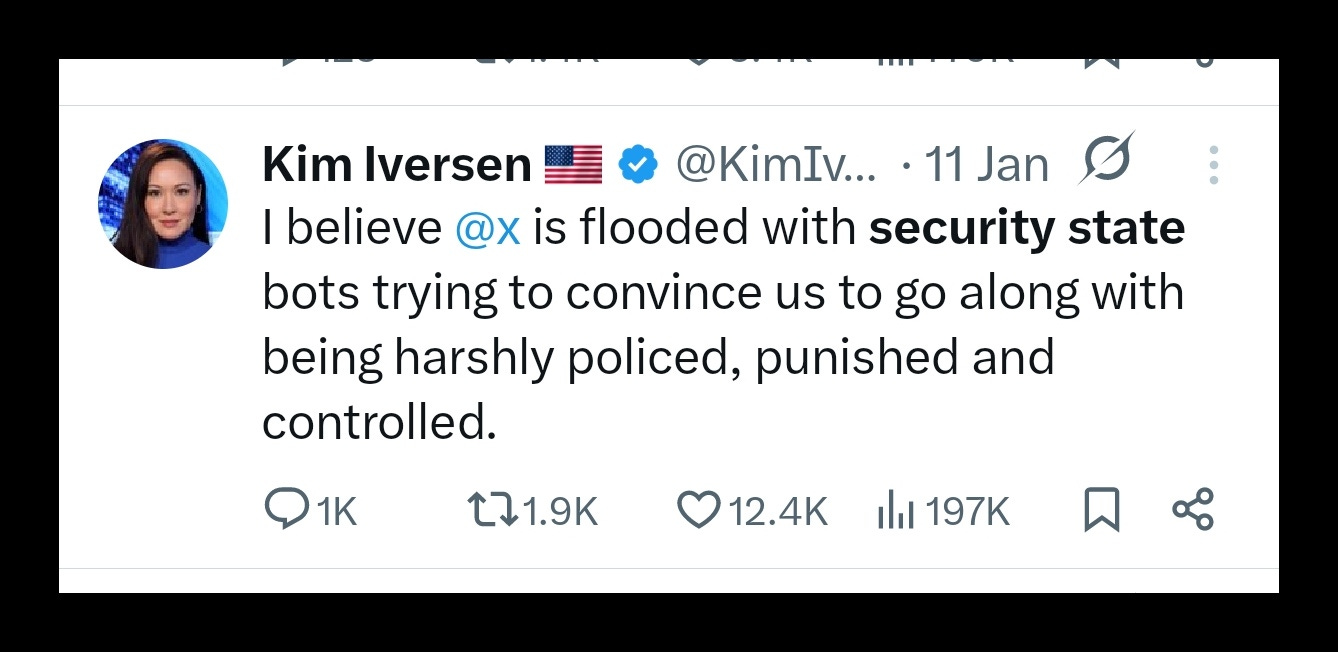
Under current conditions, the citizen is increasingly treated as an object of security management rather than a bearer of inherent rights. Individuals are described as nodes, vectors, or risks within information environments. Michel Foucault’s lectures in Society Must Be Defended traced the rise of governance focused on population management rather than juridical rights. Power shifts from law toward regulation, optimisation, and behavioural control. This shift can be understood as the emergence of what might be called a Bunker State. In this configuration, society is no longer conceived as an open political order but as a fortified system under permanent siege. Citizens are redefined as components within a security infrastructure, comparable to energy grids, transport networks, or digital systems. Minds become part of the defended terrain. Dissent no longer appears as political disagreement but as a structural vulnerability, a crack in the bunker wall. Within such a system, persuasion is inefficient and legality is secondary. Removal, isolation, or neutralisation becomes the rational response to perceived destabilisation. Democratic norms erode not through ideological hostility but through functional incompatibility with siege logic.
States increasingly treat belief systems as infrastructure requiring protection and constant monitoring. Energy grids, transport networks, and digital systems receive security planning alongside cognitive and informational space. Dissent appears not as disagreement but as vulnerability within this framework. The logic mirrors military planning language rather than democratic political debate.
Censorship under this model functions as hygiene rather than punishment or moral judgement. Speech is framed as infection, manipulation, or interference within the system. Removal replaces refutation as the primary response to dissenting viewpoints. Hannah Arendt warned in The Origins of Totalitarianism that politics collapses when truth loses relevance to power. Administrative censorship removes the need for persuasion or justification.
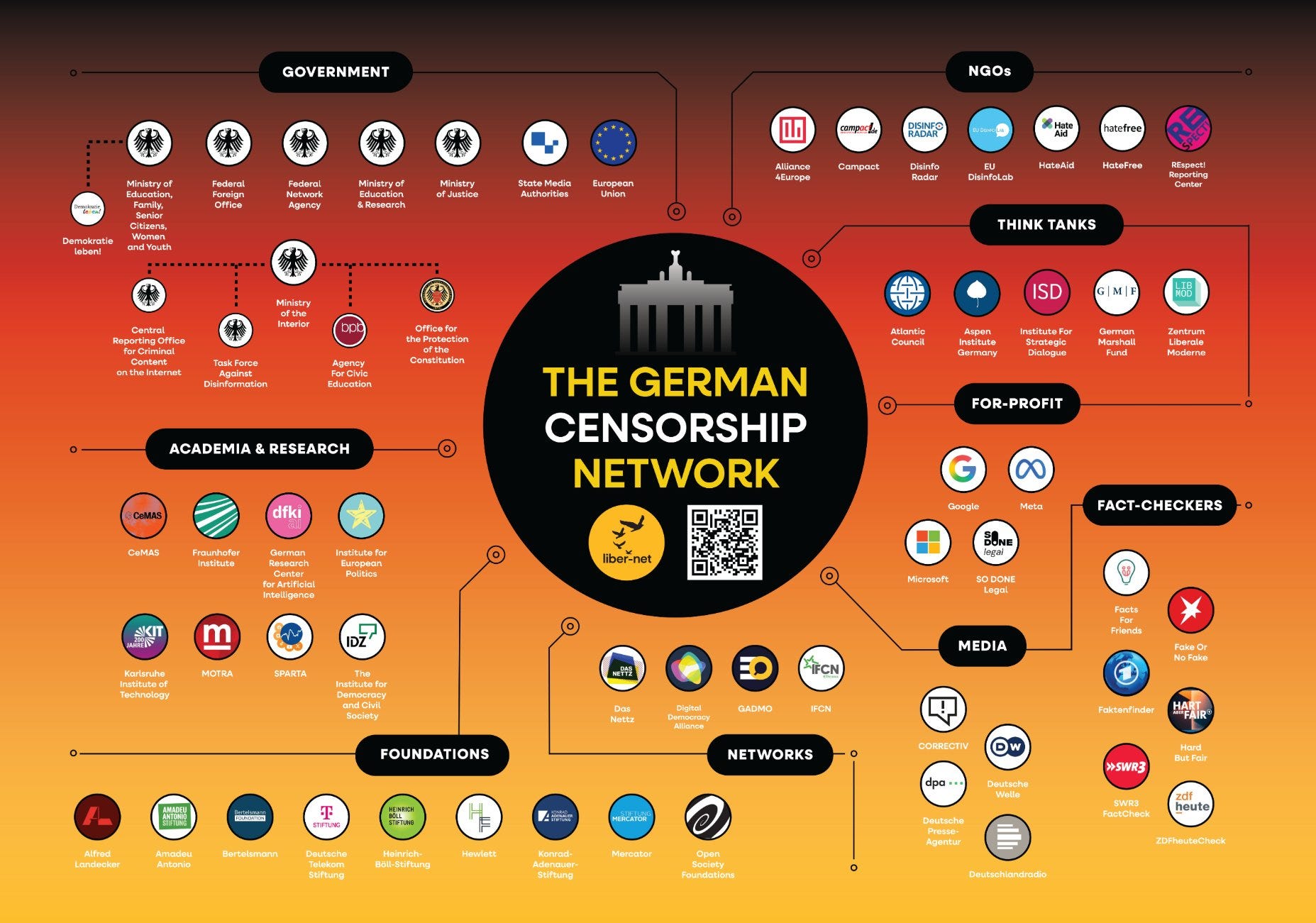
European Union sanctions increasingly follow this administrative logic. Individuals are designated threats to democratic order without legal verdicts or adversarial proceedings. Asset freezes, travel bans, and media restrictions occur through regulatory listings rather than court decisions. Former United Nations Assistant Secretary-General Denis Halliday described comprehensive sanctions regimes as collective punishment rather than law enforcement. Administrative coercion becomes normalised through technical and bureaucratic language.
In the United States, similar patterns appear through immigration and residency enforcement mechanisms. Threats to deport students or revoke visas for protest activity demonstrate ideological conditionality. Residency becomes compliance-based rather than rights-based in practice. Hannah Arendt warned that statelessness begins when political belonging becomes revocable by administrative decision.
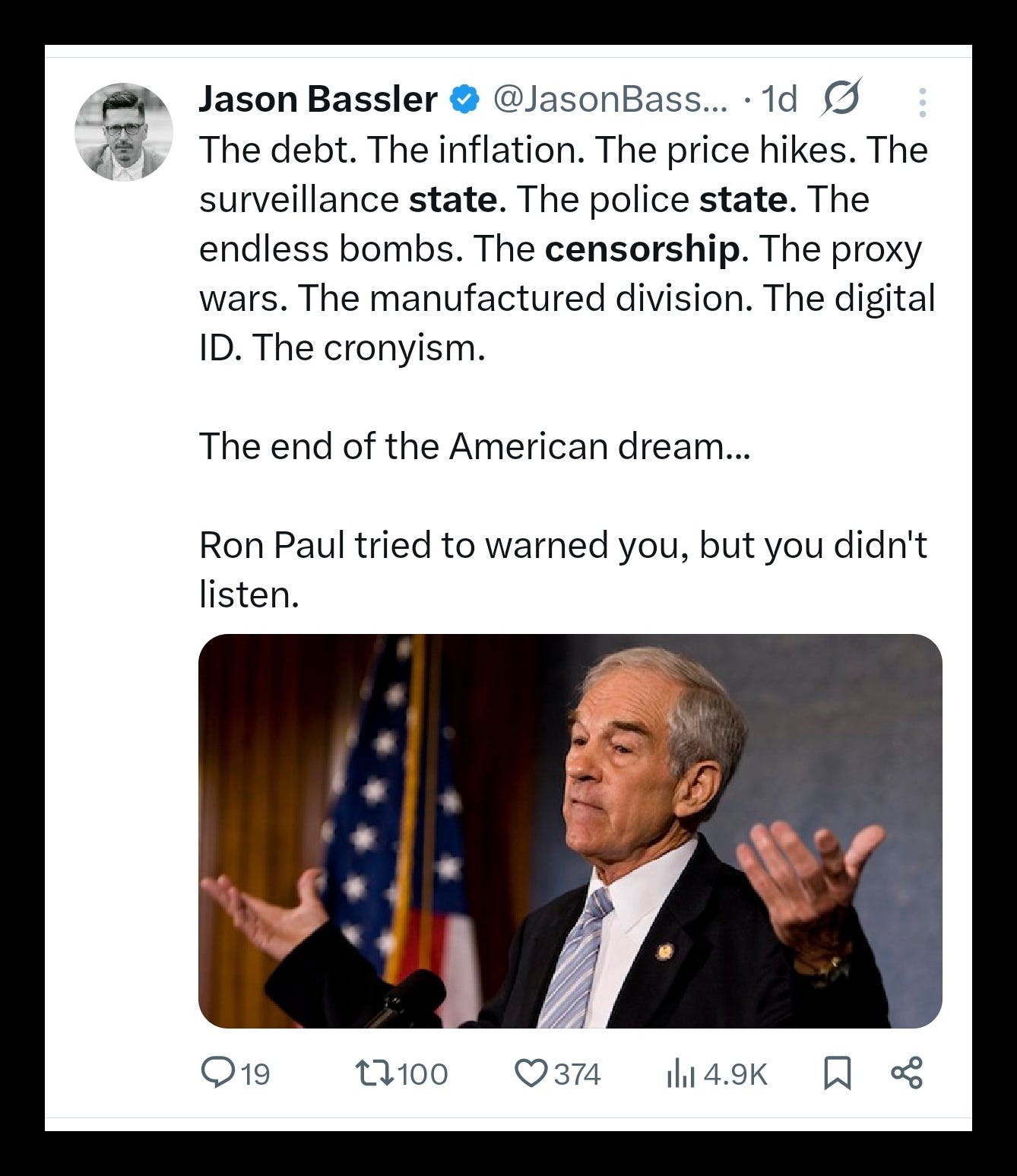
The space for acceptable opinion narrows under these conditions. Official doctrines increasingly describe society as a battlefield across multiple domains. NATO publications and national security strategies adopt “whole-of-society” language when describing conflict preparation. Civilian and combatant distinctions blur under permanent competition framing.
Within this environment, opinion corridors replace open political debate. Arguments supporting official threat narratives remain permitted and amplified. Views questioning escalation, alliance expansion, or enemy depiction face suppression or marginalisation. Johan Galtung described such narrowing as structural violence in Peace by Peaceful Means, where harm occurs through constraint of choice rather than overt force.
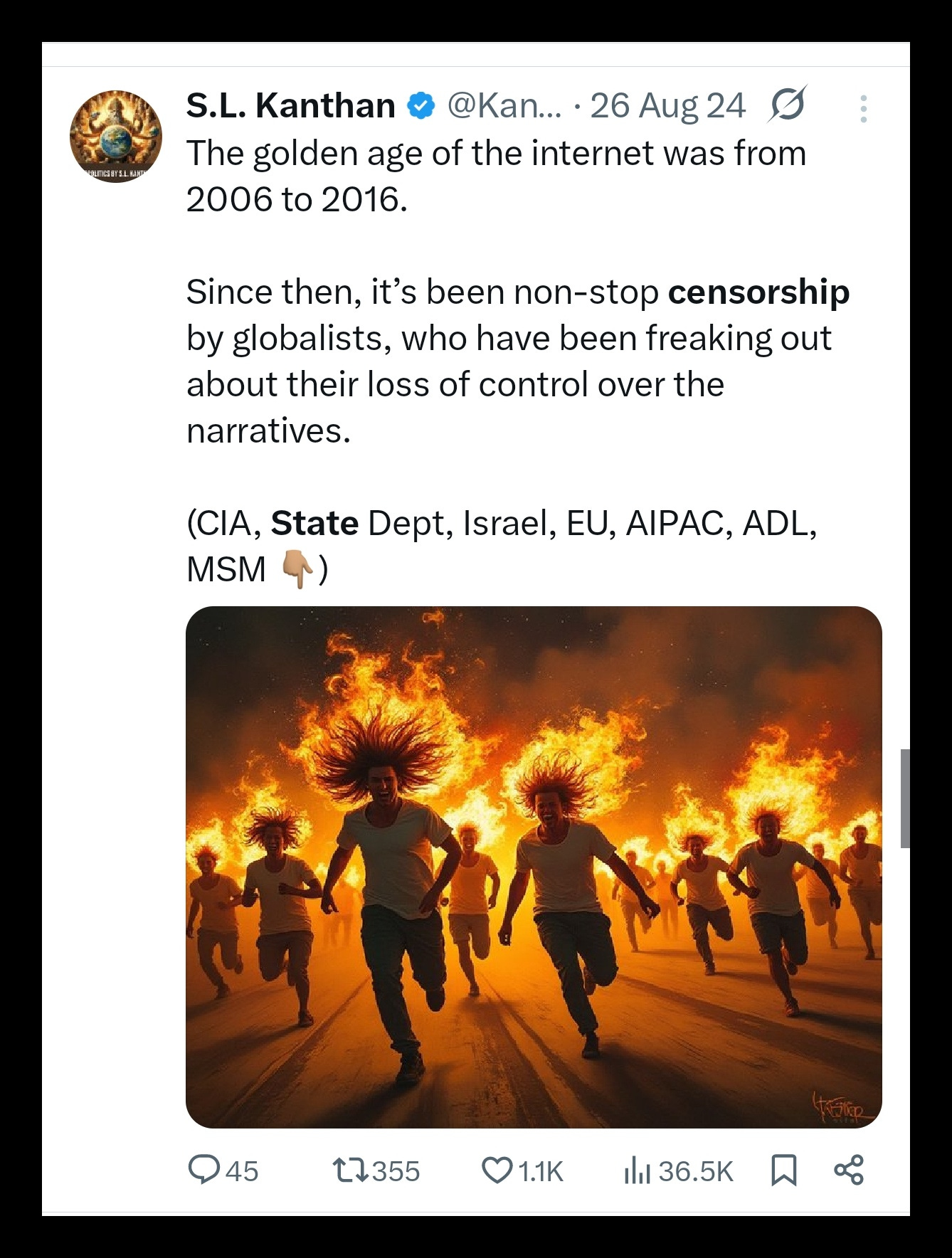
This corridor allows only forward movement toward confrontation. Diplomacy becomes framed as appeasement within dominant narratives. Neutrality is reinterpreted as complicity with hostile forces. Alternative security architectures are presented as hostile alignment rather than legitimate political proposals. The logic reflects Carl Schmitt’s friend–enemy distinction applied domestically.
Strategic documents reinforce this directional constraint. NATO’s Strategic Concept outlines long-term confrontation with designated rivals across multiple domains. Deviation from this framework attracts reputational, professional, and administrative penalties. Glenn Diesen has documented how alignment pressure operates across academic and media ecosystems. Incentives increasingly replace argument as the primary enforcement mechanism.
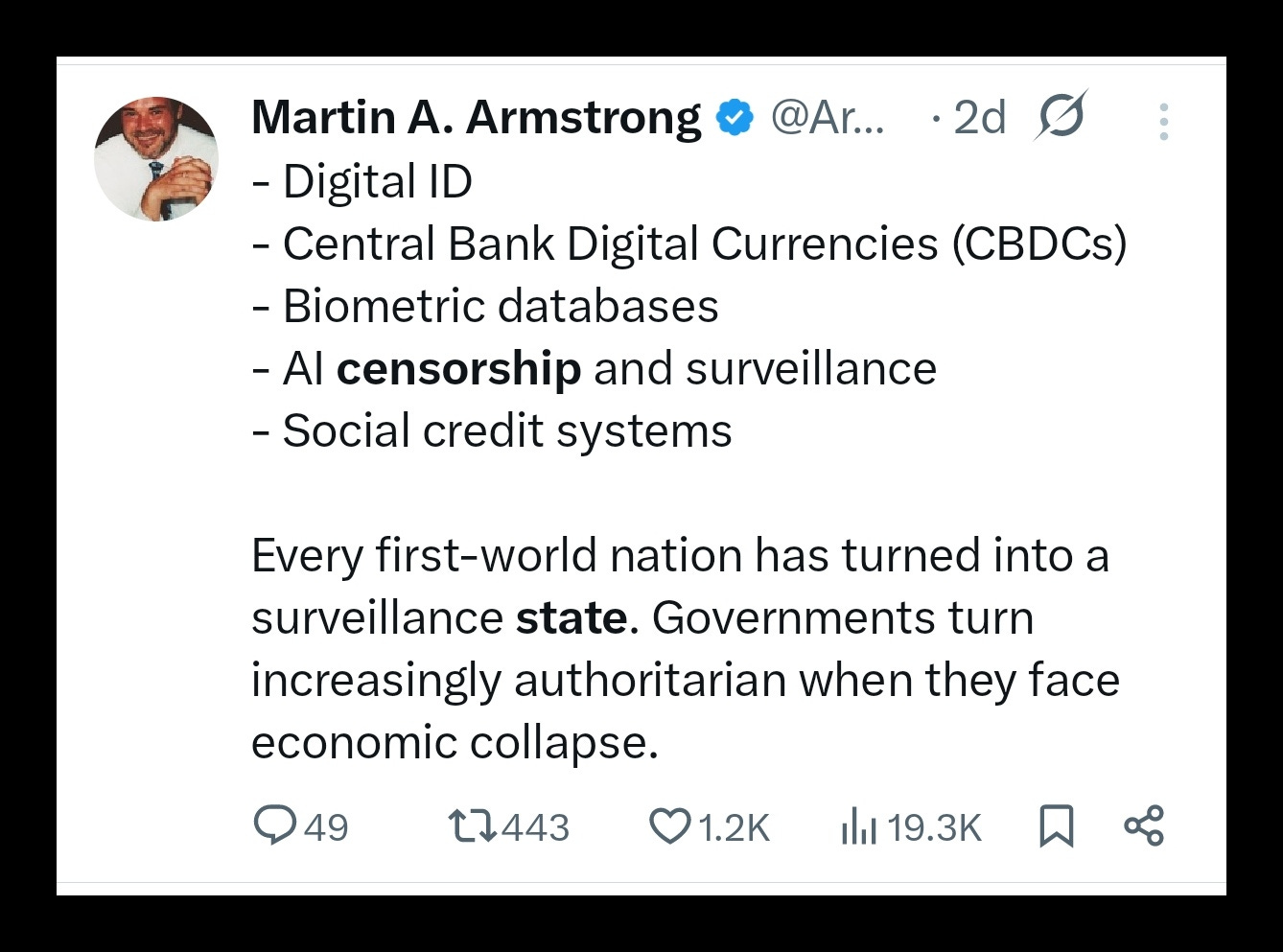
The social contract evolves alongside these developments. Classical liberal contracts promised order and prosperity in exchange for limited obedience. Thomas Hobbes justified authority to prevent chaos but retained civic participation as a stabilising element. Under current conditions, prosperity is no longer promised as an outcome. Security becomes the sole public good offered by the state.
Citizens are asked to surrender freedom of thought, economic stability, and interpretive autonomy. In return, the state promises survival within defended systems. The enemy narrative becomes the organising principle of political identity. Zygmunt Bauman warned in Modernity and the Holocaust that moral simplification enables bureaucratic harm. Complexity disappears under existential framing.
Freedom persists only where it strengthens system resilience and cohesion. Consumption supports economic throughput. Emotional hostility sustains morale. Independent interpretation threatens unity and is therefore discouraged. Individuals removed through sanctions or deportations lose political membership entirely. Punishment becomes exclusion rather than correction.
Language plays a central role in enforcing this transition. Words are treated as operational signals rather than expressions of belief. Policy frameworks classify narratives as hostile capabilities within information environments. The European Union’s Defence of Democracy package defines disfavoured narratives as security risks. United States doctrine labels similar content Foreign Malign Influence regardless of domestic origin.
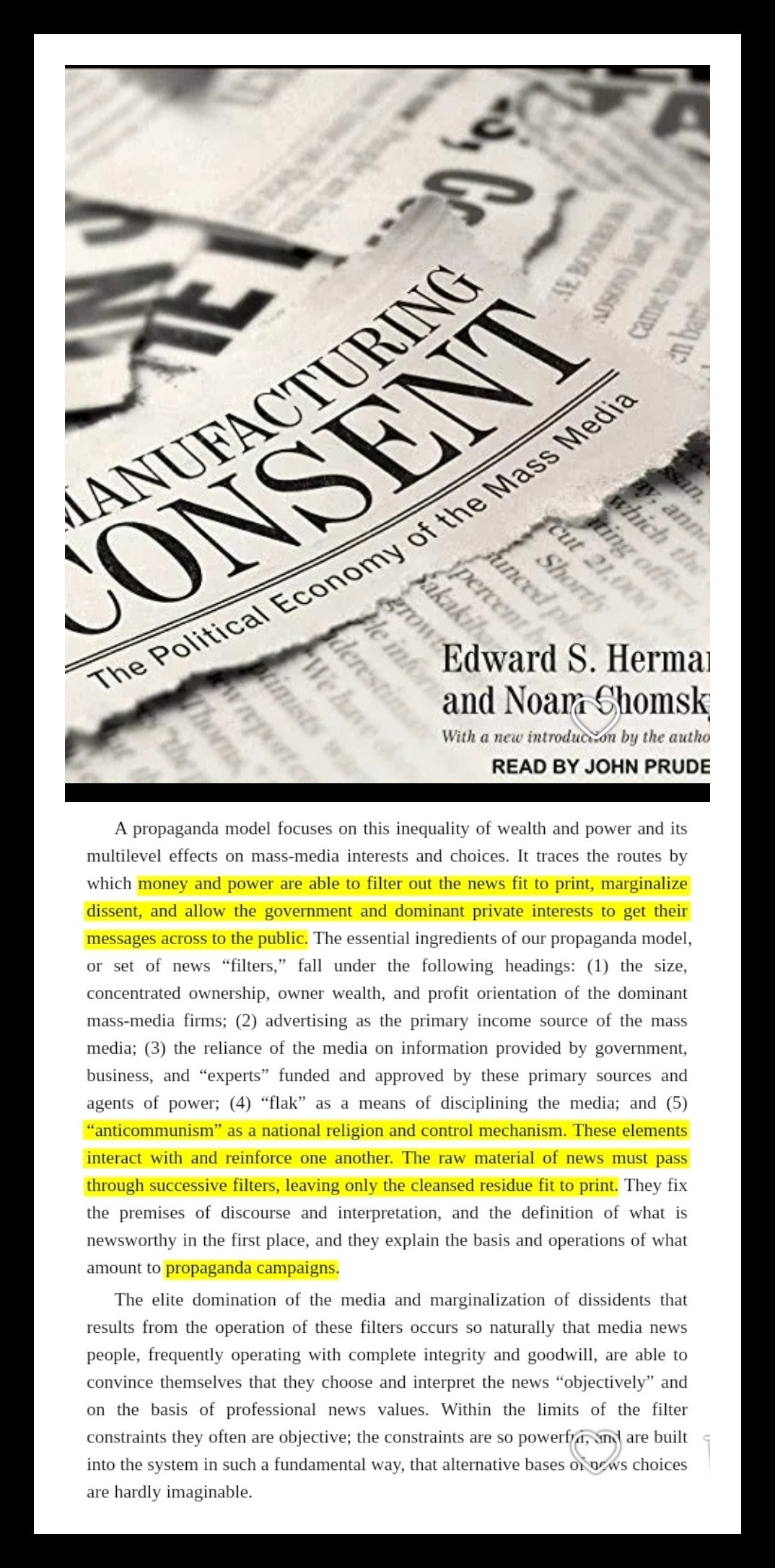
Edward Herman and Noam Chomsky’s Manufacturing Consent described earlier media filtering through ownership, sourcing, and ideology. Digital systems intensify this filtering effect. Algorithmic amplification rewards alignment and punishes deviation without explicit censorship. Silence replaces debate while producing the same outcome.
Game theory helps explain the trajectory of this posture. Security competition under permanent threat framing resembles a repeated prisoner’s dilemma with distorted payoffs. De-escalation is treated as defection within the system. Escalation becomes the dominant strategy regardless of mutual harm. Information suppression prevents recalibration of assumptions.
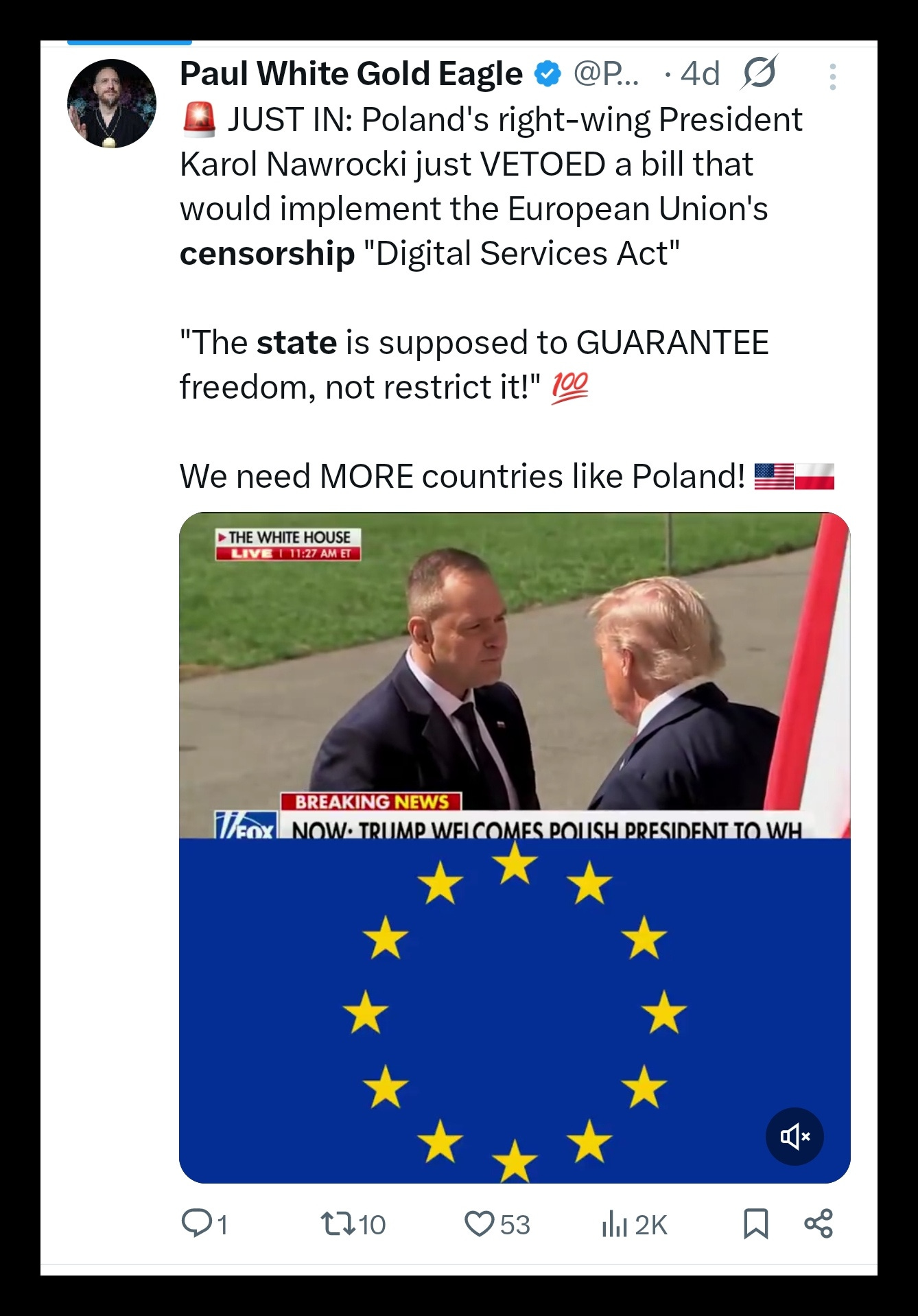
Under this structure, leaders face asymmetric incentives. Restraint risks domestic accusation of weakness or disloyalty. Escalation carries external costs but internal compliance benefits. Bureaucracies optimise for survival within this payoff structure. Long-term equilibrium trends toward confrontation even when all actors incur losses.
Geopolitically, this posture reduces diplomatic optionality over time. Multipolar security proposals are dismissed before consideration. States interpret defensive measures by others as offensive intent. Robert Jervis described this spiral model in Perception and Misperception in International Politics. Administrative governance accelerates this spiral by silencing corrective feedback.
The implications extend inward toward domestic legitimacy, but more fundamentally toward the survival of politics itself. When administration replaces politics, legitimacy does not disappear at once. It thins, proceduralises, and hardens into compliance. Opposition is no longer incorporated as a stabilising force but excluded as a threat. What remains appears orderly while becoming structurally brittle. Hannah Arendt observed that such systems often persist precisely because dissent has been removed rather than resolved.
Under bunker conditions, politics in its classical sense ceases to operate. Politics presupposes the existence of legitimate disagreement over power, priorities, and the good life. It requires persuasion, contestation, and the recognition of adversaries as members of a shared polity. When security is elevated as the overriding good and dissent is reclassified as a systemic vulnerability, this space collapses. What survives is not politics but managed mobilisation.
In such a system, only one political position is permitted: alignment with the fortress and vigilance against its enemies. All other positions are rendered illegible or hostile. Neutrality becomes complicity. Diplomacy becomes appeasement. Independent interpretation becomes destabilisation. The citizen is no longer a participant in collective self-rule but a resource to be managed for resilience, productivity, and morale. Freedom persists only insofar as it strengthens the system’s defensive posture.
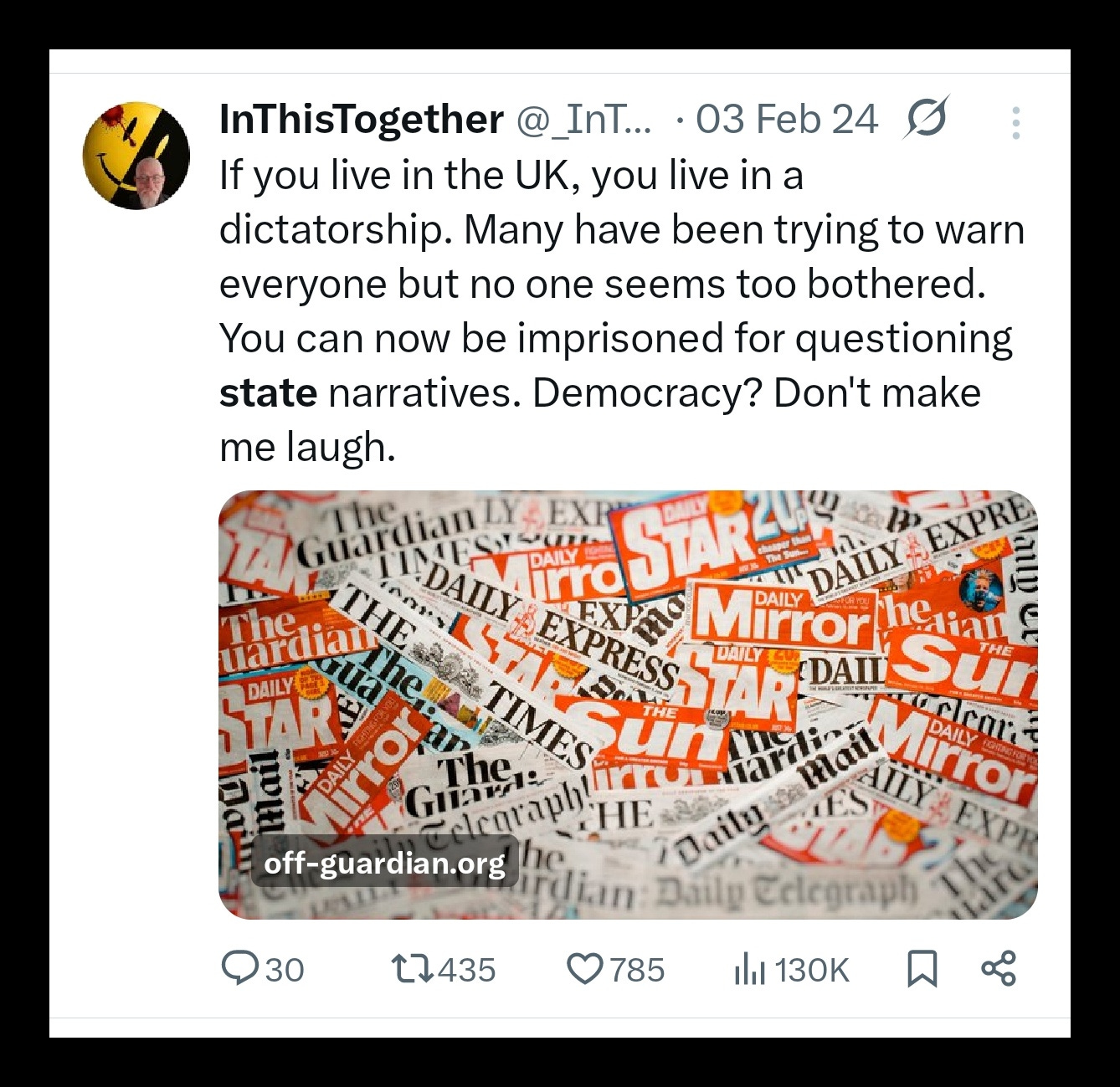
This is not the deformation of democratic politics but its termination. Where only one position is allowed, persuasion is unnecessary. Where persuasion is unnecessary, power no longer needs justification. Administration replaces deliberation as the governing method. Law gives way to regulation. Consent gives way to compliance. Politics gives way to security management.
Historical experience suggests that systems organised in this manner do not correct themselves through debate, reform, or electoral adjustment. Having abolished the conditions of politics, they lack internal mechanisms for recalibration. Change, when it comes, arrives not through persuasion but through exhaustion, external shock, or structural failure.
What remains is not a democratic order under strain, but a post-political system sustained by permanent mobilisation, a society that governs itself as though it were already at war.
Authored By: Global GeoPolitics
Thank you for visiting. This is a reader-supported publication but now shadow banned by the overlords. I cannot do this without your support. You can support by way of a cup of coffee:
buymeacoffee.com/ggtv or


Leave a comment