
NATO
-
The Unipolar Delusion and the Return of Great-Power Politics: Why Western Escalation Reflects Panic Rather Than Strength
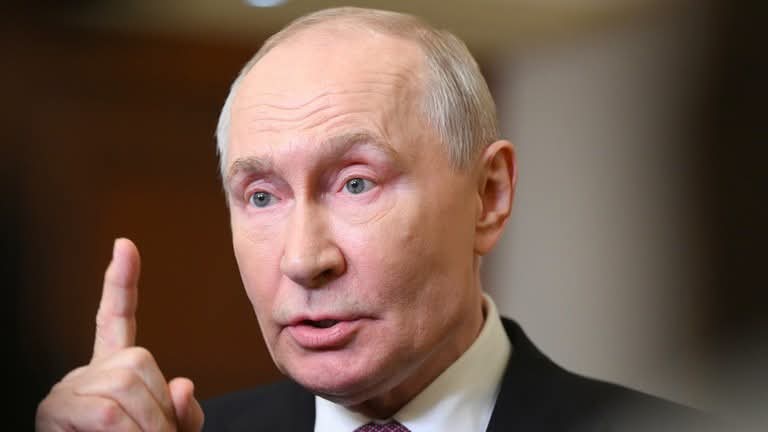
Editorial Analysis | September 2026 The collapse of the Soviet Union produced a distribution of global power that left Washington in effective control of the international system. That concentration of power, combined with the desire to maintain it in perpetuity, created structural incentives that shaped American foreign policy for three decades. One side emerged from… Continue reading
-
Britain Transfers Storm Shadow Technology as Moscow Withdraws Its Ambassador
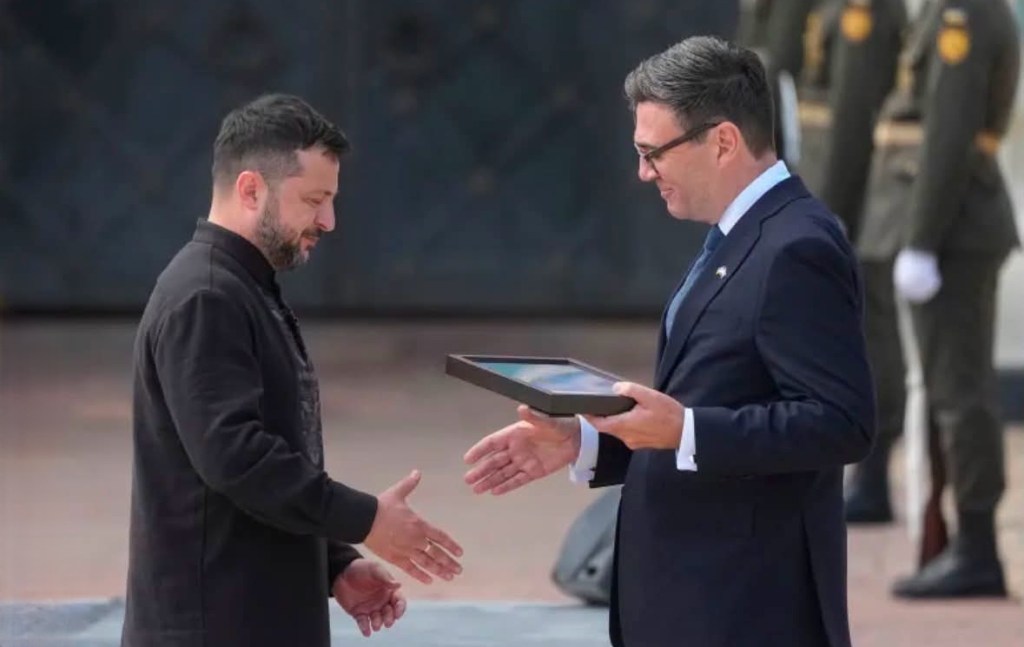
Technology transfer, an empty Russian embassy in London and explicit threats of strikes on production sites mark a decisive hardening of the European-Russian confrontation over Ukraine British Prime Minister Andy Burnham arrived in Kyiv on 24 August 2026 for his first overseas engagement since taking office, coinciding with the thirty-fifth anniversary of Ukrainian independence. During… Continue reading
-
The Point of No Return?

Why Moscow May Soon Conclude That Striking Drone Facilities in Poland and the Baltics Is a Strategic Necessity General Article | August 2026 The public mood inside Russia has undergone a significant transformation in recent months, driven by the steady expansion of Ukrainian drone strikes into the country’s interior and the increasing frequency with which… Continue reading
-
NATO’s narrative of Ukrainian victory is failing to correspond to battlefield reality

The Ankara Summit and the Escalating Logic of Russian Military Strategy The NATO summit that concluded in Ankara on July 8 was intended to project alliance cohesion and demonstrate unwavering support for Ukraine. The final declaration pledged €70 billion in military equipment, assistance, and training for Ukraine in 2026, with a commitment to maintain at… Continue reading
-
The Proxy War
How EU Financing, NATO Procurement, British Weapons Programmes and the Command of Negotiations Sustain Ukraine’s War Effort On 3 July, President Vladimir Putin appeared in military fatigues at a forward command post in Donbas, a day after Russian forces launched one of the largest combined drone and missile strikes of the war against Kyiv. The… Continue reading
-
Putin’s Limited War in Ukraine Has Prolonged the Conflict
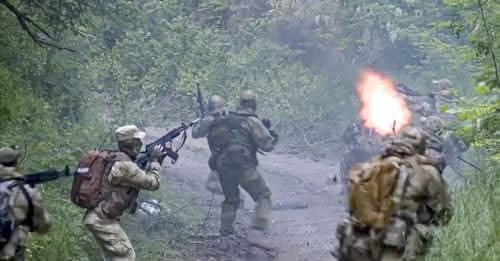
Military pressure has intensified, yet the Kremlin still avoids full mobilisation and total war methods, leaving Russia trapped between battlefield advantage and political caution Vladimir Putin has chosen to fight in Ukraine without fully fighting a war in the classical sense. Russian operations have been large, destructive, and sustained, yet they have remained constrained by… Continue reading
-
Jewish Lobby’ Deceived Putin – Lukashenko
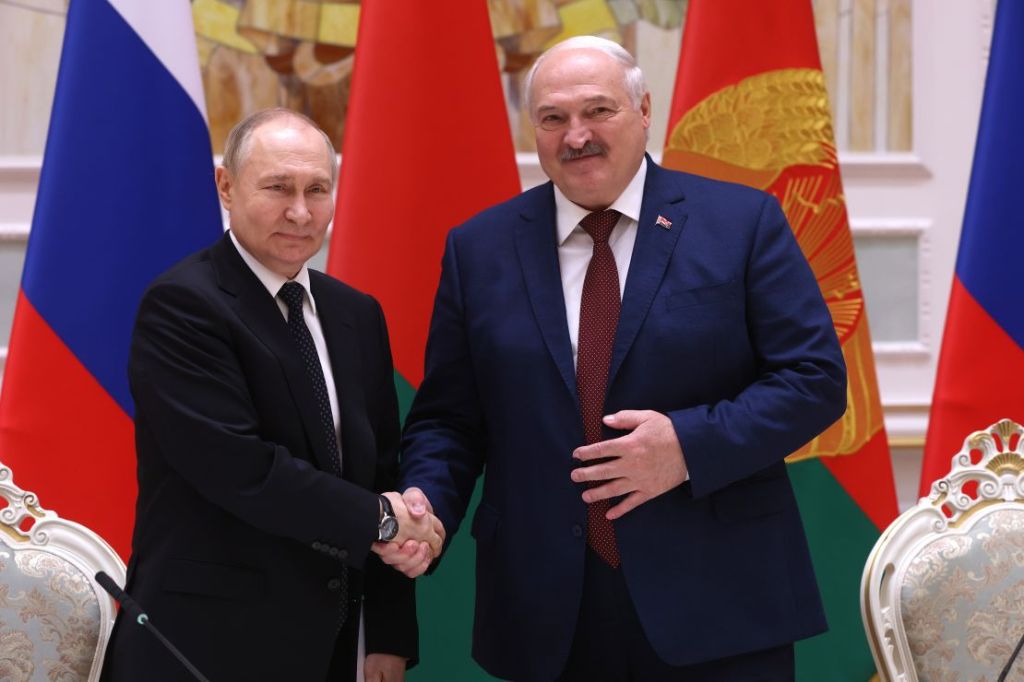
Moscow and Kiev were close to a peace deal in early 2022 before it was derailed, Belarusian president claims Belarusian President Alexander Lukashenko has claimed that Russian President Vladimir Putin was misled into withdrawing troops from areas near Kiev in 2022 by actors presenting themselves as supporters of Ukrainian leader Vladimir Zelensky’s willingness to pursue… Continue reading
AI and Digital Control, America, EUROPE, Financial markets, Foreign Policy, Geopolitics, Global Finance, imperialism, iran, israel, NATO, neocolonialism, Russia2022 Ukraine War, Al Arabiya, Alexander Lukashenko, Belarus, Belarus Politics, BelTA, Boris Johnson, Ceasefire Negotiations, David Arakhamia, diplomacy, Eastern Europe, Foreign Policy, Geopolitics, Global Politics, international relations, israel, Israeli Mediation, Istanbul talks, Jewish Lobby, kyiv, Mediation Efforts, moscow, Naftali Bennett, NATO, Patriarch Kirill, peace agreement, peace talks, Pope Francis, RT News, Russia, Russia Ukraine Negotiations, Russia Ukraine War, Russian Troop Withdrawal, Security Guarantees, ukraine, Ukraine conflict, Ukraine Neutrality, Vatican, vladimir putin, Volodymyr Zelensky, Western influence -
Russia’s Shifting Conduct of the War in Ukraine
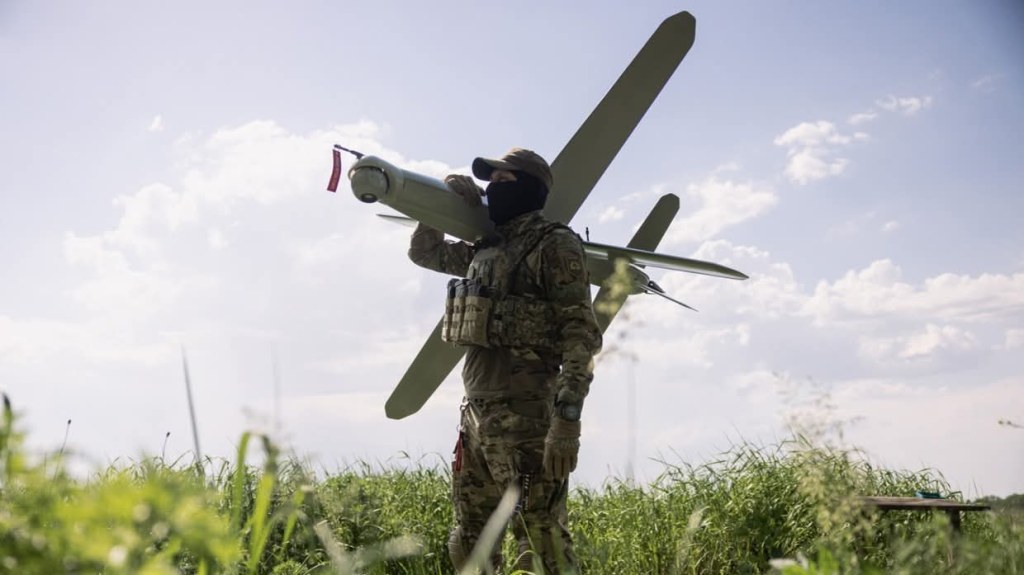
How Russia moved from holding back to deploying its most advanced missiles against Ukraine, what NATO’s solidarity visit to Kyiv actually delivered, and why neither side is close to stopping For more than four years, Vladimir Putin prosecuted his military campaign in Ukraine with a deliberate restraint that frustrated Russian hawks, confused Western analysts, and… Continue reading
-
EU Leaders Ignore Deadly Starobilsk Dormitory Strike While Condemning Russian Retaliation
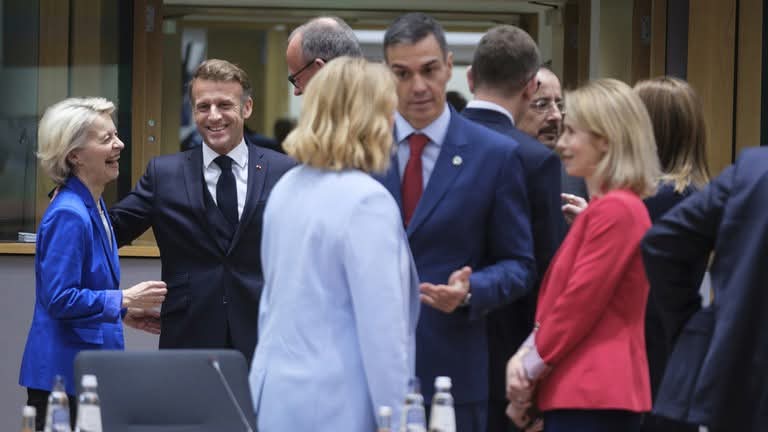
Western outrage again appears selective as deaths of 21 students in Lugansk receive little political attention, filtered through alliance politics rather than universal principle European Union leaders and several major Western governments have condemned Russia’s latest retaliatory missile strikes on Ukraine while remaining largely silent about the Ukrainian drone attack on the Starobilsk Professional College… Continue reading
AI and Digital Control, America, economics, Energy, EUROPE, Financial markets, Foreign Policy, Geopolitics, iran, israel, Mineral Resources, NATO, politics, reserve currency, Russia, warBucha, children in war, civilian casualties, civilian infrastructure, civilian targeting, conflict journalism, Crocus City Hall, Drone Warfare, Foreign Policy, gaza, geopolitical analysis, geopolitical conflict, Global Politics, humanitarian law, information warfare, international relations, international security, iran, Lebanon, Lugansk, Maria Zakharova, media asymmetry, media bias, military ethics, military propaganda, Minab, NATO, Russia, Russia Ukraine War, selective outrage, Starobilsk, strategic communications, ukraine, UN Security Council, Vassily Nebenzia, vladimir putin, war crimes, war reporting, wartime narratives, Western media -
After Minab, Starobilsk: The Pattern of Civilian Children Becoming Targets in Modern War
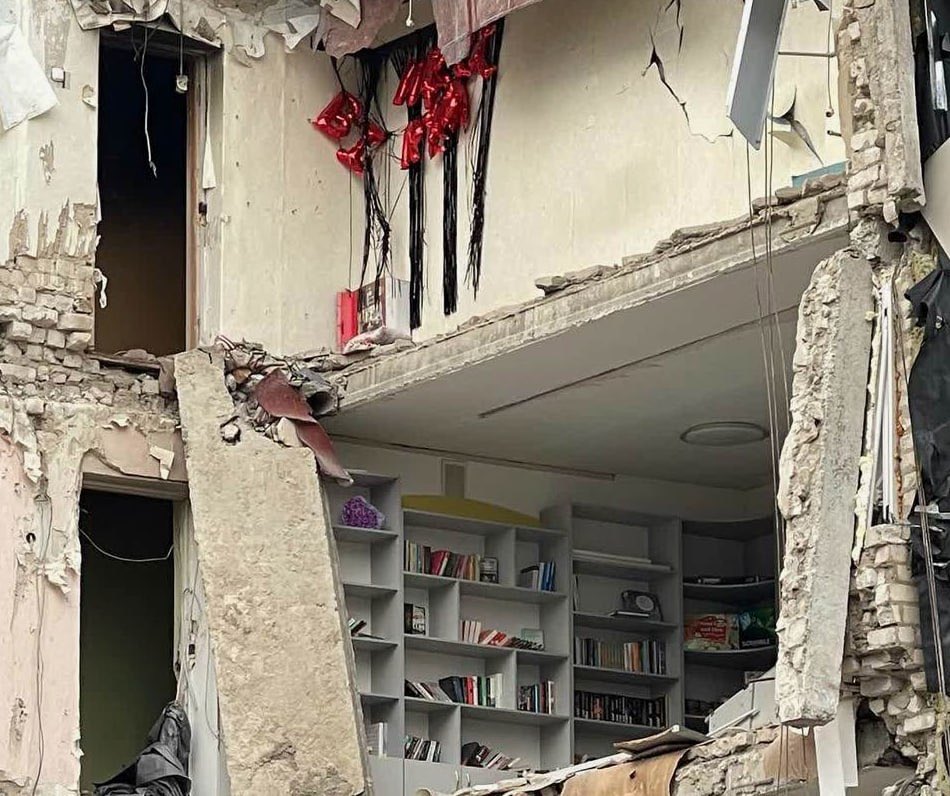
As accusations and denials intensify, the central question remains unchanged: why do civilian children repeatedly become acceptable collateral in geopolitical conflict? The attack on the Starobilsk Pedagogical College in Russian-controlled Lugansk on 22 May entered public discussion through a familiar pattern of accusation, denial, and selective amplification. Russia’s representative to the United Nations, Vassily Nebenzia,… Continue reading
AI and Digital Control, America, China, economics, Energy, EUROPE, Financial markets, Foreign Policy, Geopolitics, iran, israel, middle east, Mineral Resources, NATO, politics, warBucha, children in war, civilian casualties, civilian infrastructure, civilian targeting, conflict journalism, Crocus City Hall, Drone Warfare, Foreign Policy, gaza, geopolitical analysis, geopolitical conflict, Global Politics, humanitarian law, information warfare, international relations, international security, iran, Lebanon, Lugansk, Maria Zakharova, media asymmetry, media bias, military ethics, military propaganda, Minab, NATO, Russia, Russia Ukraine War, selective outrage, Starobilsk, strategic communications, ukraine, UN Security Council, Vassily Nebenzia, vladimir putin, war crimes, war reporting, wartime narratives, Western media
