
information warfare
-
The Pretend World and Manufactured Fear
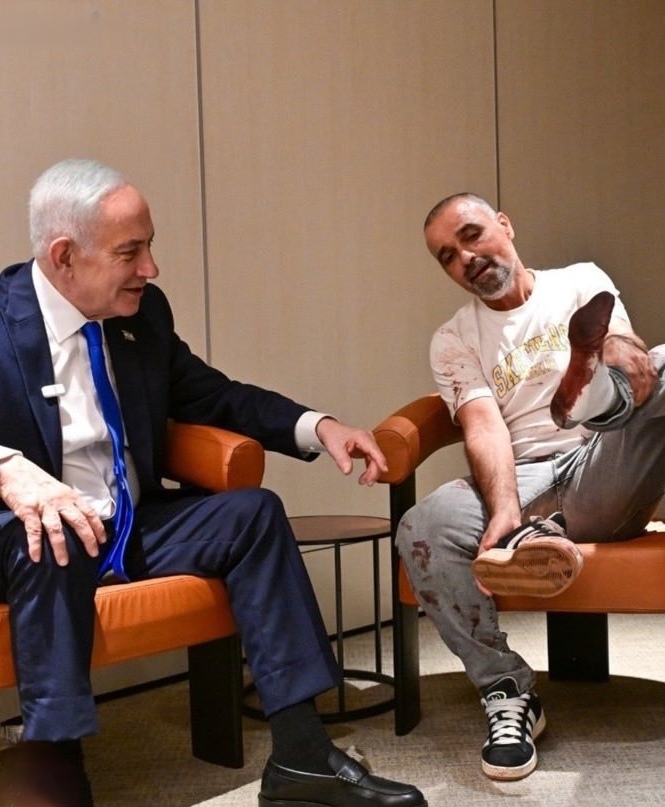
How False Flags, Covert Operations and Manufactured Fear Shape the Stories We Are Told General Article | October 2026 In 2024, a former Mossad agent appeared on 60 Minutes and described the way intelligence operations create what he called a “pretend world”. He explained that they are a global production company, writing the screenplay, directing… Continue reading
AI and Digital Control, America, bond market, China, covid pandemic, economics, Energy, EUROPE, Financial markets, Foreign Policy, Geopolitics, Global Finance, imperialism, iran, israel, middle east, NATO, politics, warBritain, CIA, covert operations, covert warfare, false flags, Geopolitics, information warfare, intelligence agencies, intelligence operations, iran, israel, Lavon Affair, manufactured fear, manufactured narratives, MI5, middle east, Mossad, Operation Northwoods, political deception, political manipulation, propaganda, psychological warfare, Saudi Arabia, state deception, United States -
The Pretend World and Manufactured Fear
How False Flags, Covert Operations and Manufactured Fear Shape the Stories We Are Told General Article | October 2026 In 2024, a former Mossad agent appeared on 60 Minutes and described the way intelligence operations create what he called a “pretend world”. He explained that they are a global production company, writing the screenplay, directing… Continue reading
AI and Digital Control, America, bond market, China, covid pandemic, economics, Energy, EUROPE, Financial markets, Foreign Policy, Geopolitics, Global Finance, imperialism, iran, israel, middle east, NATO, politics, warBritain, CIA, covert operations, covert warfare, false flags, Geopolitics, information warfare, intelligence agencies, intelligence operations, iran, israel, Lavon Affair, manufactured fear, manufactured narratives, MI5, middle east, Mossad, Operation Northwoods, political deception, political manipulation, propaganda, psychological warfare, Saudi Arabia, state deception, United States -
The United States Exploits Information Vulnerability to Topple Nations
How the systematic weaponisation of media, civil society, and algorithmic infrastructure has supplanted conventional military force as the decisive instrument of geopolitical competition Editorial Analysis | June 2026 I. The Redefinition of Sovereignty in the Information Age Sovereignty, in the framework inherited from the 1648 Peace of Westphalia, rested on territorial integrity, military capacity, and… Continue reading
-
Information Space Has Become the Decisive Battleground of 21st-Century Conflict
How the United States Exploits Information Vulnerability to Capture Nations and Why Securing Information Space is the Most Urgent National Security Imperative General News Article | June 2026 The past quarter-century of geopolitical history has been defined by a transformation that has largely escaped the attention of conventional strategic analysis. While military planners, diplomats, and… Continue reading
-
Armenia Regime-Changed Without A Shot Fired
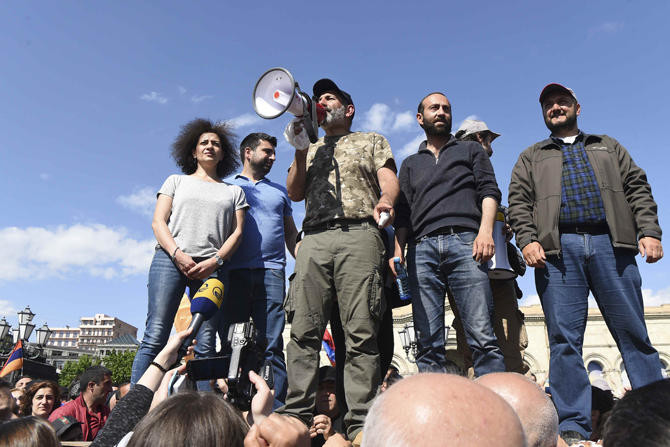
How the 2018 Velvet Revolution Exemplifies the US Strategy of Political Capture of a Sovereign Country The March 1992 leak of the Defense Planning Guidance to the New York Times revealed a strategic vision that would shape American foreign policy for three decades. The document, prepared by Paul Wolfowitz’s policy office, asserted that the United… Continue reading
AI and Digital Control, America, economics, Energy, EUROPE, Financial markets, Foreign Policy, Geopolitics, Global Finance, middle east, Mineral Resources, NATO, neocolonialism, politics, Russia, waradministrative capture, Armenia, Armenia elections 2026, civil society organisations, client regimes, colour revolution, democracy promotion, electoral interference, Eurasian Security, extending Russia strategy, geopolitical competition, hybrid warfare, information space, information warfare, institutional capture, International Republican Institute, National Endowment for Democracy, NATO expansion, Nikol Pashinyan, OSCE observers, political capture, regime change, Russian influence, social media control, South Caucasus, Union of Informed Citizens, US foreign policy, US-Russia rivalry, Velvet Revolution -
The Colour Revolution Playbook

How the US Captures Nations Without Firing a Shot to Disrupt Multipolarism, Extend Russia, Contain Iran and China The February 1992 draft of the Defense Planning Guidance, leaked to the New York Times and published on March 8, 1992, articulated a strategic vision that has shaped American foreign policy for three decades. The document, prepared… Continue reading
AI and Digital Control, America, economics, Financial markets, Foreign Policy, Geopolitics, Global Finance, imperialism, iran, israel, NATO, neocolonialism, politics, Russia, warArmenia Velvet Revolution, colour revolutions, Eurasian Security, extending Russia strategy, foreign interference, information warfare, multipolarity, National Endowment for Democracy, NED operations, political infiltration, regime change operations, South Caucasus geopolitics, US global strategy, US political capture, US-Iran containment, US-Russia rivalry -
Reading Between the Lines: Why Rezaee’s CNN Interview Is More About Messaging Than Negotiation
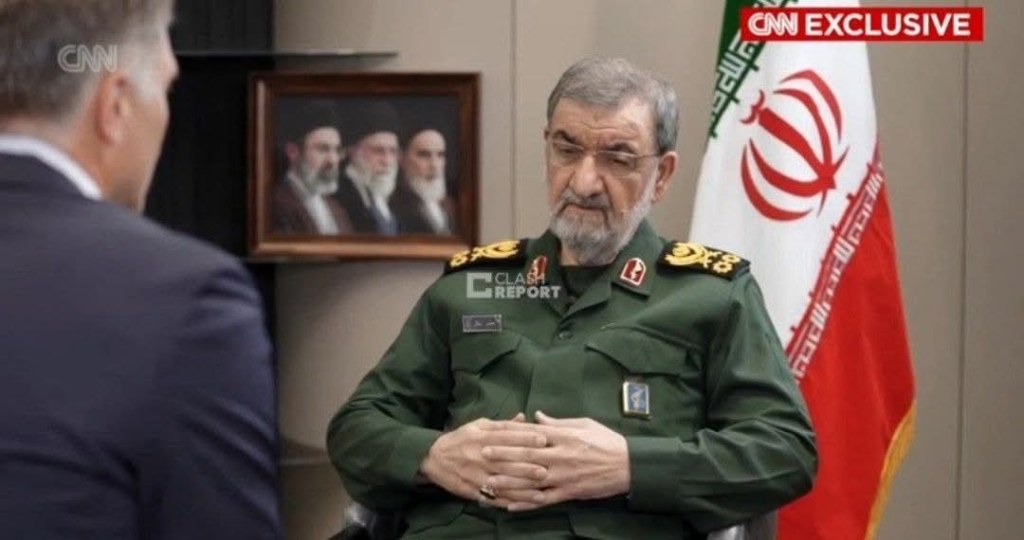
Tehran does not expect negotiations to produce a breakthrough, it wants to shape the narrative around any future escalation My reading of Rezaee’s CNN interview is that it is primarily directed at Western audiences and the cameras, not because Tehran genuinely expects negotiations to produce a breakthrough, but because it wants to shape the narrative… Continue reading
AI and Digital Control, America, Financial markets, Foreign Policy, Geopolitics, Global Finance, imperialism, iran, israel, middle east, Mineral Resources, NATO, neocolonialism, politics, South East Asia, warBab al-Mandab, British Empire Legacy, CNN Interview, Colonial Borders, conflict analysis, diplomacy, escalation, Foreign Affairs, GCC, geopolitical risk, Geopolitics, Geostrategy, Gulf Monarchies, Gulf States, information warfare, international relations, iran, Iran US relations, Long War, maritime security, middle east, Middle East politics, Middle East Transformation, Mohsen Rezaee, multipolar world order, Persian Gulf, political legitimacy, political stability, power projection, Red Sea security, Regime Security, Regional Conflict, Regional Order, Regional Realignment, security studies, state formation, Strategic Affairs, strategic messaging, US foreign policy, West Asia -
EU Leaders Ignore Deadly Starobilsk Dormitory Strike While Condemning Russian Retaliation
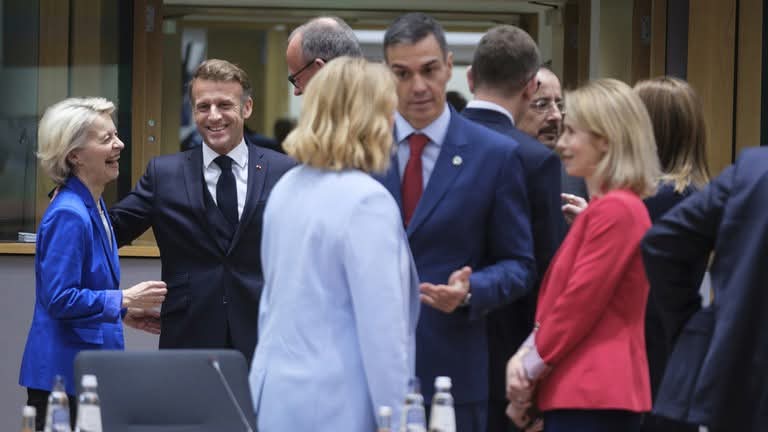
Western outrage again appears selective as deaths of 21 students in Lugansk receive little political attention, filtered through alliance politics rather than universal principle European Union leaders and several major Western governments have condemned Russia’s latest retaliatory missile strikes on Ukraine while remaining largely silent about the Ukrainian drone attack on the Starobilsk Professional College… Continue reading
AI and Digital Control, America, economics, Energy, EUROPE, Financial markets, Foreign Policy, Geopolitics, iran, israel, Mineral Resources, NATO, politics, reserve currency, Russia, warBucha, children in war, civilian casualties, civilian infrastructure, civilian targeting, conflict journalism, Crocus City Hall, Drone Warfare, Foreign Policy, gaza, geopolitical analysis, geopolitical conflict, Global Politics, humanitarian law, information warfare, international relations, international security, iran, Lebanon, Lugansk, Maria Zakharova, media asymmetry, media bias, military ethics, military propaganda, Minab, NATO, Russia, Russia Ukraine War, selective outrage, Starobilsk, strategic communications, ukraine, UN Security Council, Vassily Nebenzia, vladimir putin, war crimes, war reporting, wartime narratives, Western media -
After Minab, Starobilsk: The Pattern of Civilian Children Becoming Targets in Modern War
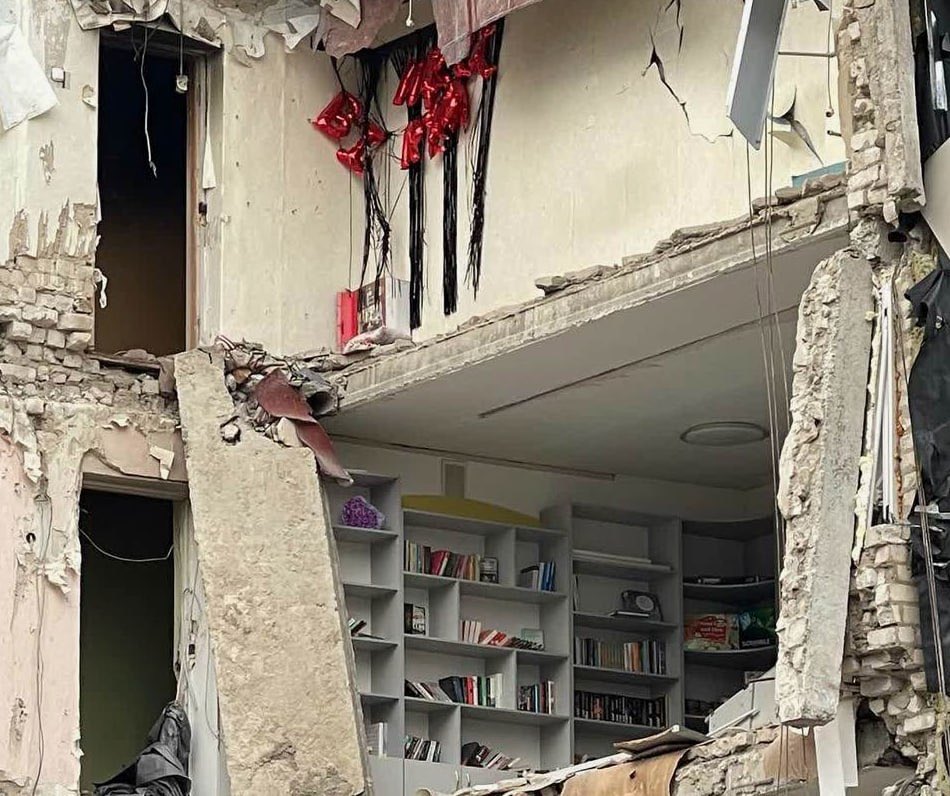
As accusations and denials intensify, the central question remains unchanged: why do civilian children repeatedly become acceptable collateral in geopolitical conflict? The attack on the Starobilsk Pedagogical College in Russian-controlled Lugansk on 22 May entered public discussion through a familiar pattern of accusation, denial, and selective amplification. Russia’s representative to the United Nations, Vassily Nebenzia,… Continue reading
AI and Digital Control, America, China, economics, Energy, EUROPE, Financial markets, Foreign Policy, Geopolitics, iran, israel, middle east, Mineral Resources, NATO, politics, warBucha, children in war, civilian casualties, civilian infrastructure, civilian targeting, conflict journalism, Crocus City Hall, Drone Warfare, Foreign Policy, gaza, geopolitical analysis, geopolitical conflict, Global Politics, humanitarian law, information warfare, international relations, international security, iran, Lebanon, Lugansk, Maria Zakharova, media asymmetry, media bias, military ethics, military propaganda, Minab, NATO, Russia, Russia Ukraine War, selective outrage, Starobilsk, strategic communications, ukraine, UN Security Council, Vassily Nebenzia, vladimir putin, war crimes, war reporting, wartime narratives, Western media -
After Minab, Starobilsk: The Pattern of Civilian Children Becoming Targets in Modern War
As accusations and denials intensify, the central question remains unchanged: why do civilian children repeatedly become acceptable collateral in geopolitical conflict? The attack on the Starobilsk Pedagogical College in Russian-controlled Lugansk on 22 May entered public discussion through a familiar pattern of accusation, denial, and selective amplification. Russia’s representative to the United Nations, Vassily Nebenzia,… Continue reading
AI and Digital Control, America, China, economics, Energy, EUROPE, Financial markets, Foreign Policy, Geopolitics, iran, israel, middle east, Mineral Resources, NATO, politics, warBucha, children in war, civilian casualties, civilian infrastructure, civilian targeting, conflict journalism, Crocus City Hall, Drone Warfare, Foreign Policy, gaza, geopolitical analysis, geopolitical conflict, Global Politics, humanitarian law, information warfare, international relations, international security, iran, Lebanon, Lugansk, Maria Zakharova, media asymmetry, media bias, military ethics, military propaganda, Minab, NATO, Russia, Russia Ukraine War, selective outrage, Starobilsk, strategic communications, ukraine, UN Security Council, Vassily Nebenzia, vladimir putin, war crimes, war reporting, wartime narratives, Western media
