

Archbishop Viganò’s Warning on Agenda 2030, Censorship, Criminalisation of Dissent and Centrisation of Power
This article does not proceed from a religious position, nor does it ask the reader to share any faith or doctrine. I cite Archbishop Carlo Maria Viganò here not as a cleric but as a public figure addressing questions of power, law, and accountability that concern all people. The matters raised are civil, legal, and human in scope, and they affect the conditions under which societies govern themselves. The agenda here is so evil, people cannot grasp that the endgoal is the total enslavement of all humanity, plants, animals, atmosphere, water and land using technological surveillance.
This video post Archbishop Carlo Maria Viganò addresses the consolidation of power within modern Western governance and the deliberate suppression of opposition. For those who don’t know, he was excommunicated by the Vatican in 2024 on allegations of schism. He was described by the lamestream media as a staunch critic of Pope Francis.
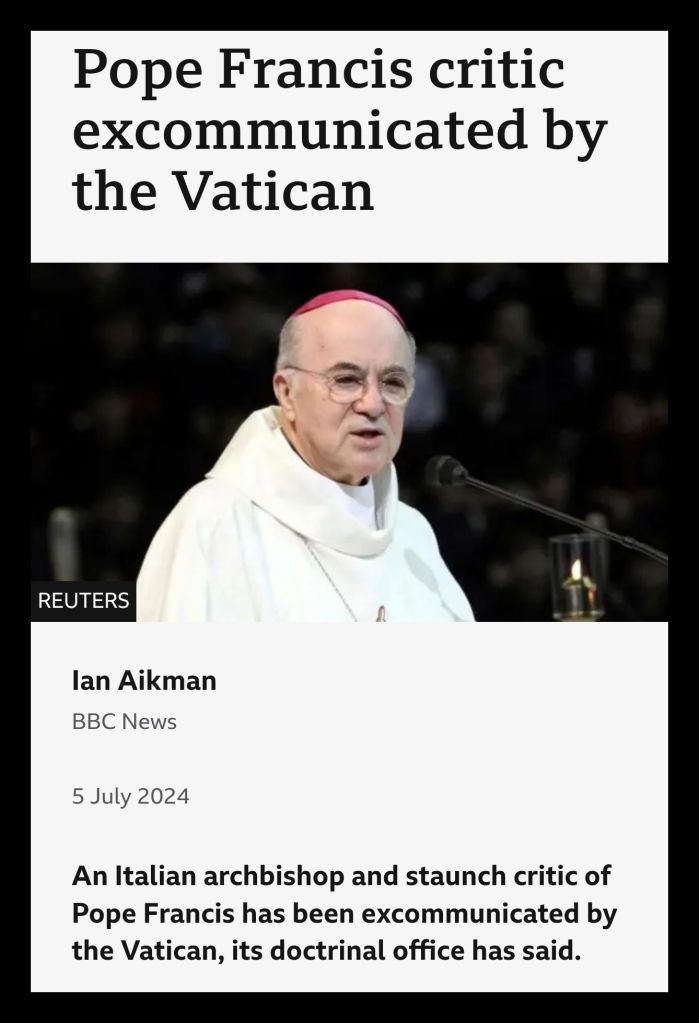
So this video or if you watch many other videos he has put can give you a hint as to the truth. His words place the present moment within a wider historical pattern in which authority, once detached from moral and legal restraint, turns against the populations it claims to serve.
“A dangerous subversive elite has managed to infiltrate the highest levels of Western institutions and governments to implement the criminal plan of Agenda 2030.”
Archbishop Viganò identifies Agenda 2030 as the organising framework through which political, corporate, and supranational power has been aligned. This assessment reflects a reading of publicly available policy documents, speeches, and institutional partnerships in which global governance is openly described as the replacement of national decision-making with transnational management.
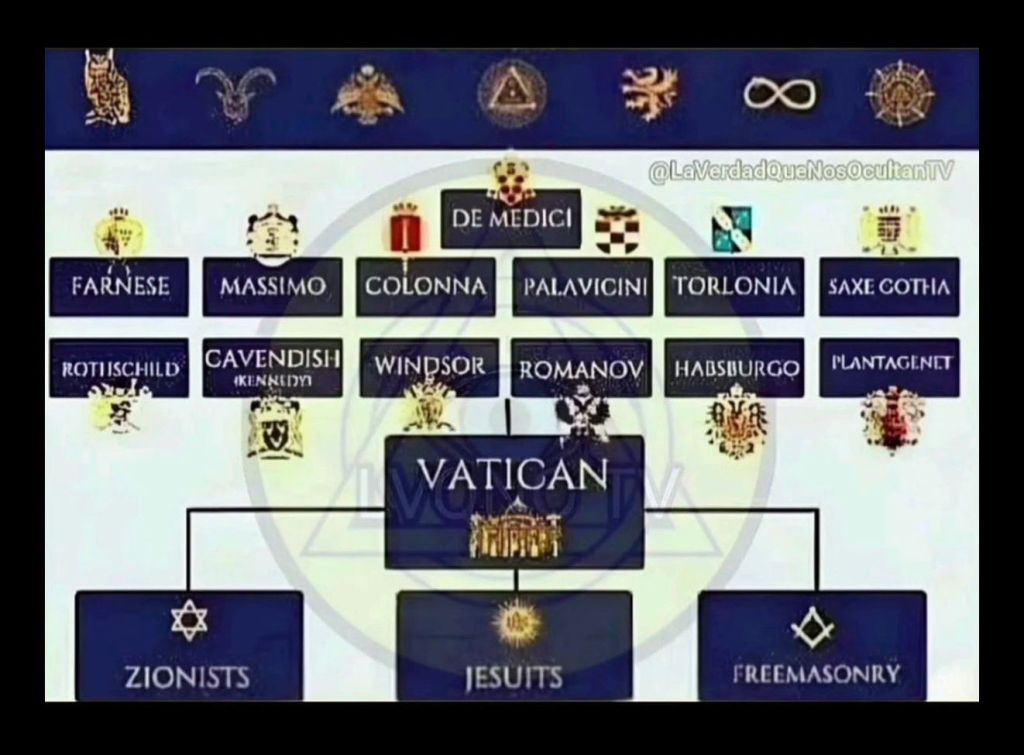
The concern raised is not speculative but structural: power is no longer exercised through representative consent but through administrative permanence.
“The voices denouncing this global coup are being silenced through censorship, intimidation, psychiatrisation, and even arrest.”
This statement situates dissent as the primary threat to the prevailing order. Censorship regimes, professional sanctions, de-platforming, and the medicalisation of opposition have become routine instruments of control. The function of these measures is not persuasion but removal. When speech is treated as pathology or extremism, the possibility of lawful resistance is eliminated without the need for overt force.
“Among the victims… is lawyer Reiner Fuellmich, unjustly imprisoned and still awaiting a fair trial. His crime is having dared to speak the truth in a world of criminal lies.”
Reiner Fuellmich’s imprisonment is presented as an example of how legal systems are used to neutralise scrutiny. The importance of this case lies not only in the individual but in its deterrent effect. When lawyers are punished for examining institutional conduct, the law ceases to function as a check on power and instead becomes its shield.
“It is not attorney Fuellmich who should be imprisoned, but those who committed the greatest crime ever against humanity: Anthony Fauci, Bill Gates, Klaus Schwab, George Soros, Ursula von der Leyen, Albert Bourla, and all their accomplices and emissaries.”
By naming individuals, Archbishop Viganò rejects the notion that responsibility is abstract. These figures are not hidden actors but public advocates of policies that centralise authority, redefine human rights as conditional, and merge corporate and governmental power.
Their own statements, books, forums, and policy initiatives form the evidentiary basis for this attribution of responsibility.
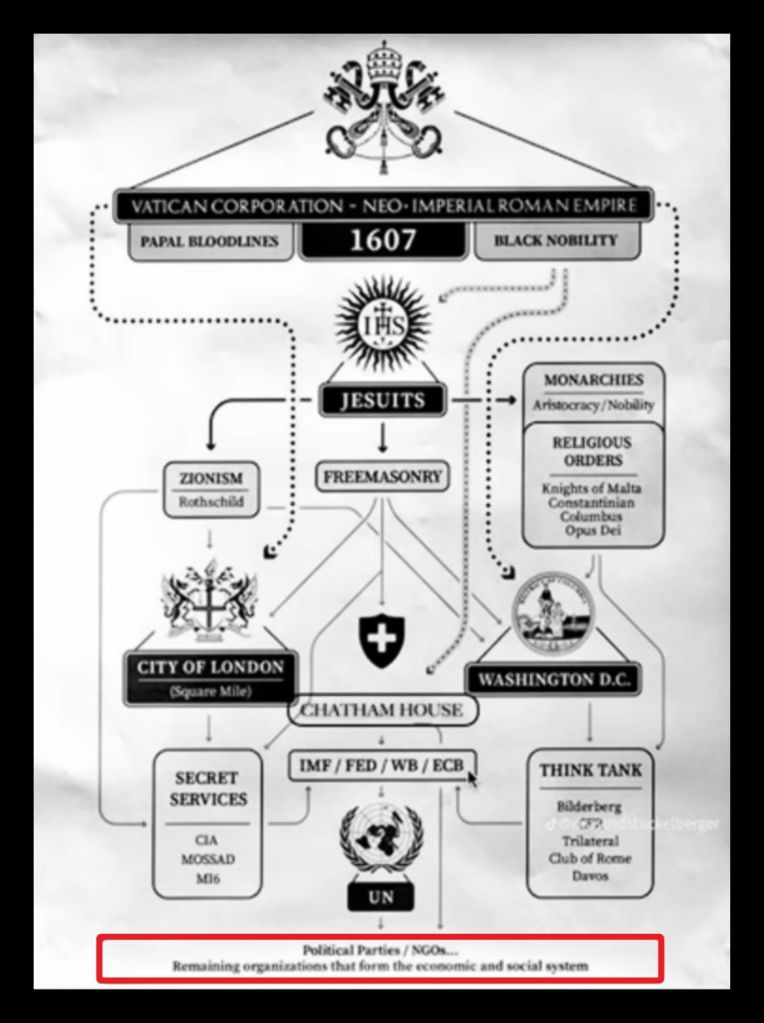
When Archbishop Viganò names elites as architects of Agenda 2030 it reminds us that in law as in theology the true crime is not dissent but the silencing of it and history will judge censorship as the greatest fraud against humanity.
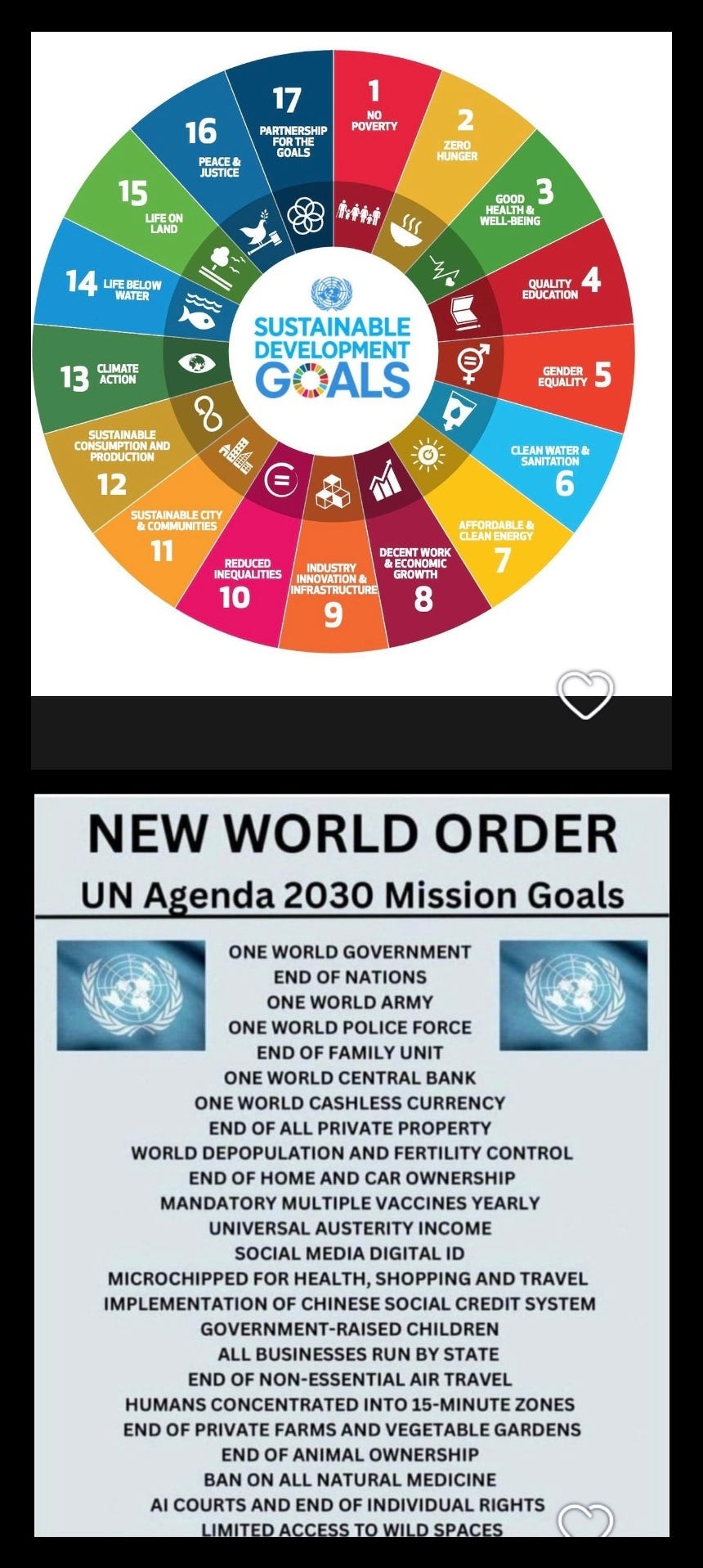
Agenda 2030 is presented as a humanitarian programme, yet its structure reveals a comprehensive system of management. The seventeen goals function as a unified framework through which economic activity, social behaviour, biological data, and movement are standardised and monitored. Poverty and hunger are addressed through dependency mechanisms. Education and equality are used to impose ideological conformity. Health becomes a justification for biometric surveillance and medical coercion. Climate policy provides the rationale for property restriction, energy rationing, and controlled mobility. Urban development transforms cities into automated systems of observation and compliance.
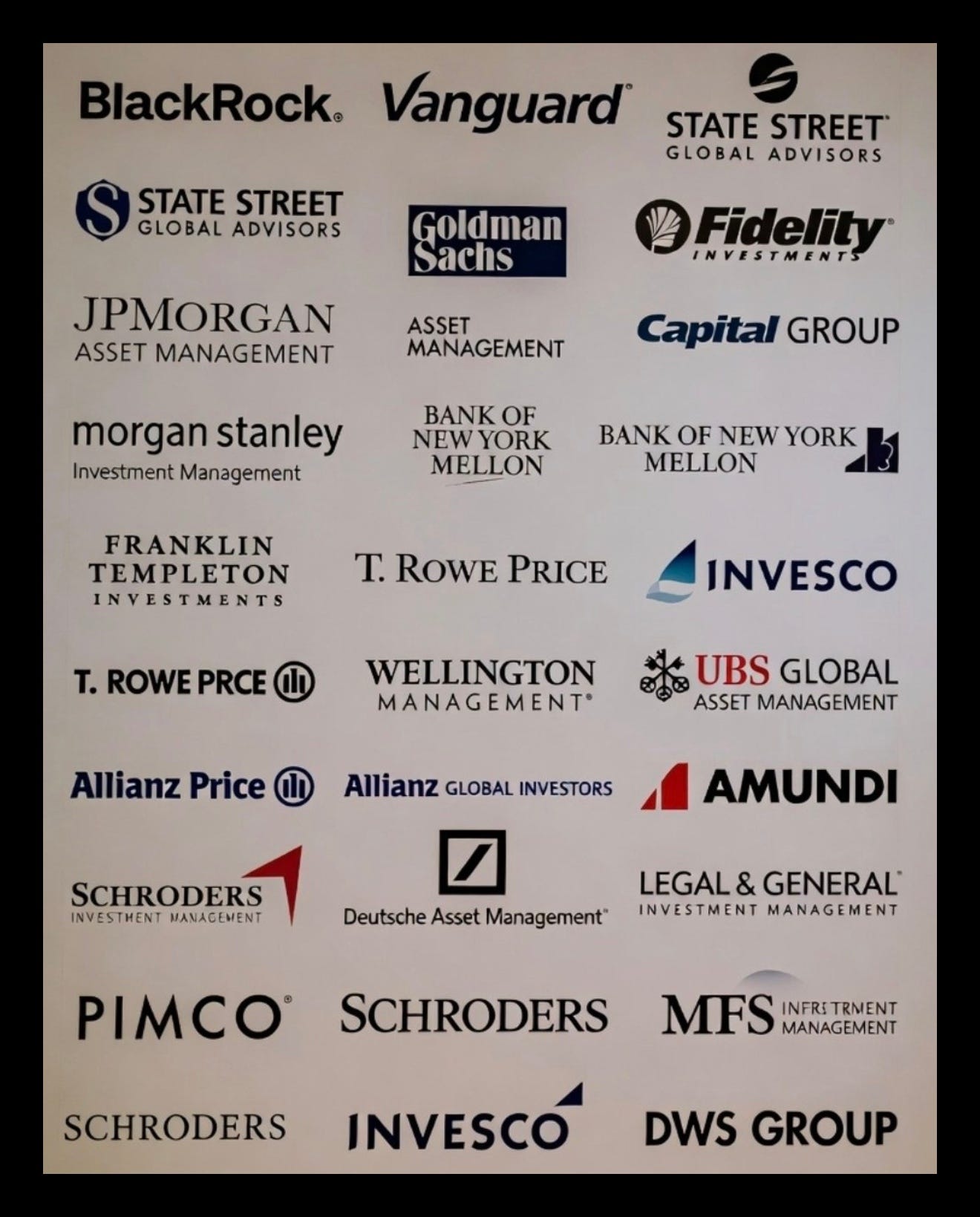
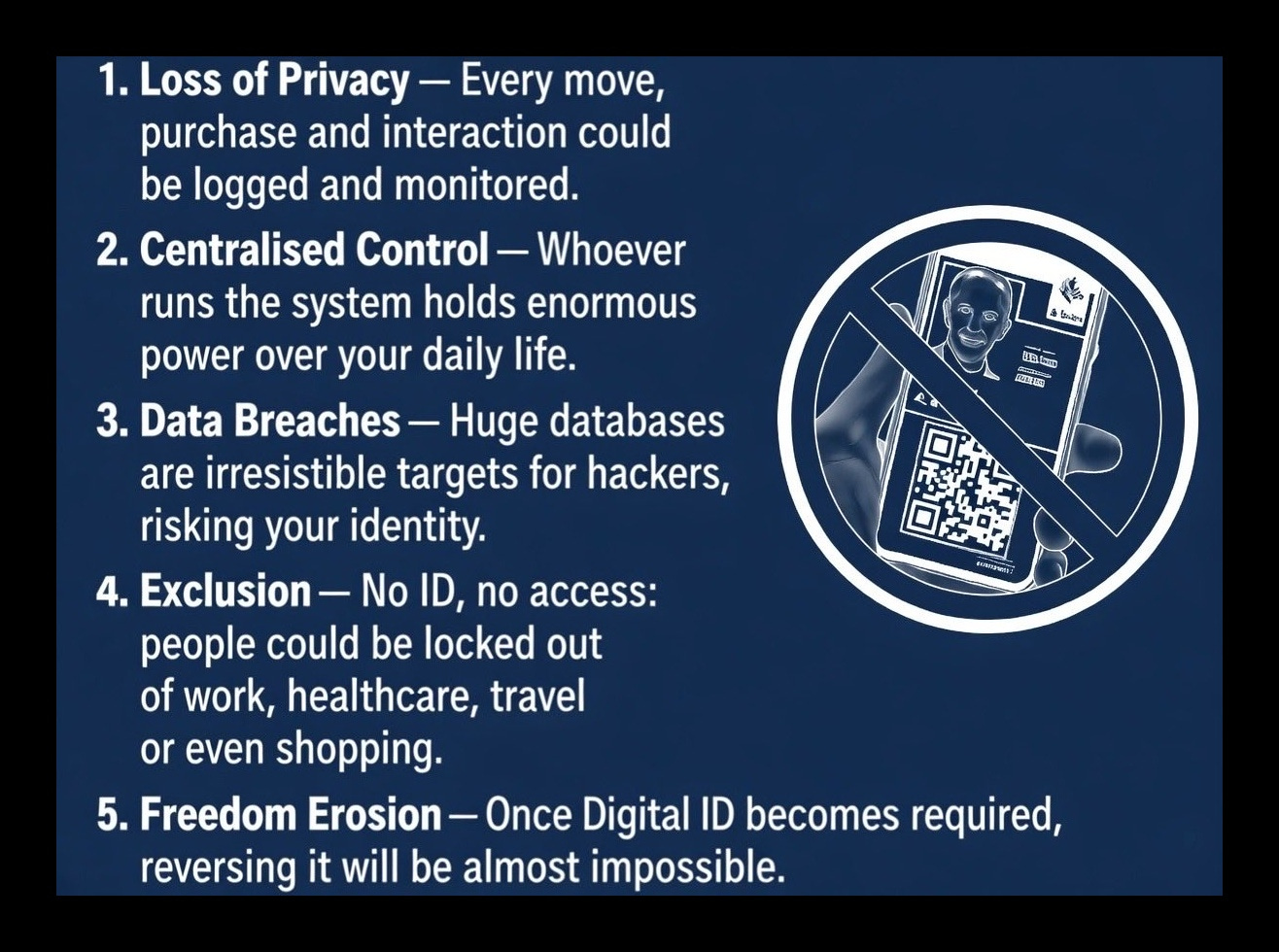
The consolidation of sovereign assets, land, and resources into transnational control is not hidden but openly discussed in financial and policy forums. Repeated global emergencies establish legal precedents for exceptional measures, debt restructuring, and the suspension of ordinary rights. Digital identity systems serve as the infrastructure through which access to work, travel, healthcare, and finance is regulated. This represents a transition from citizenship to permission.
Within this context, the removal of legal opposition is essential. The imprisonment of dissenting lawyers ensures that financial and legal mechanisms remain opaque. Fear replaces accountability, and silence is enforced not by argument but by consequence.
The video post therefore functions as a warning grounded in observable developments. It asserts that when governance operates without consent, when law punishes inquiry, and when speech is treated as a threat, society has crossed from administration into domination. History shows that such systems do not correct themselves. They are judged only after the damage is done.
By endorsing wars, regime change operations, and engineered divisions, whether in Syria, Ukraine, Venezuela, or Iran, and by embracing identity politics as a substitute for material justice, populations have been drawn into a false moral alignment. These campaigns are not expressions of solidarity but instruments of control, used to normalise sanctions, surveillance, economic hardship, and the suspension of national sovereignty. In supporting them, often in the name of security or progress, societies assist in building the very mechanisms that will later be used against them. What is presented as resistance to tyranny abroad becomes acceptance of it at home. In this way, participation in these agendas does not prevent oppression but accelerates it, and the result is the gradual surrender of autonomy under the illusion of moral necessity.
Authored By: Global GeoPolitics
This is a reader-supported publication. I cannot do this without your support. If you believe journalism should serve the public, not the powerful, and you’re in a position to help, becoming a PAID SUBSCRIBER truly makes a difference. Alternatively you can support by way of a cup of coffee:


Leave a comment