
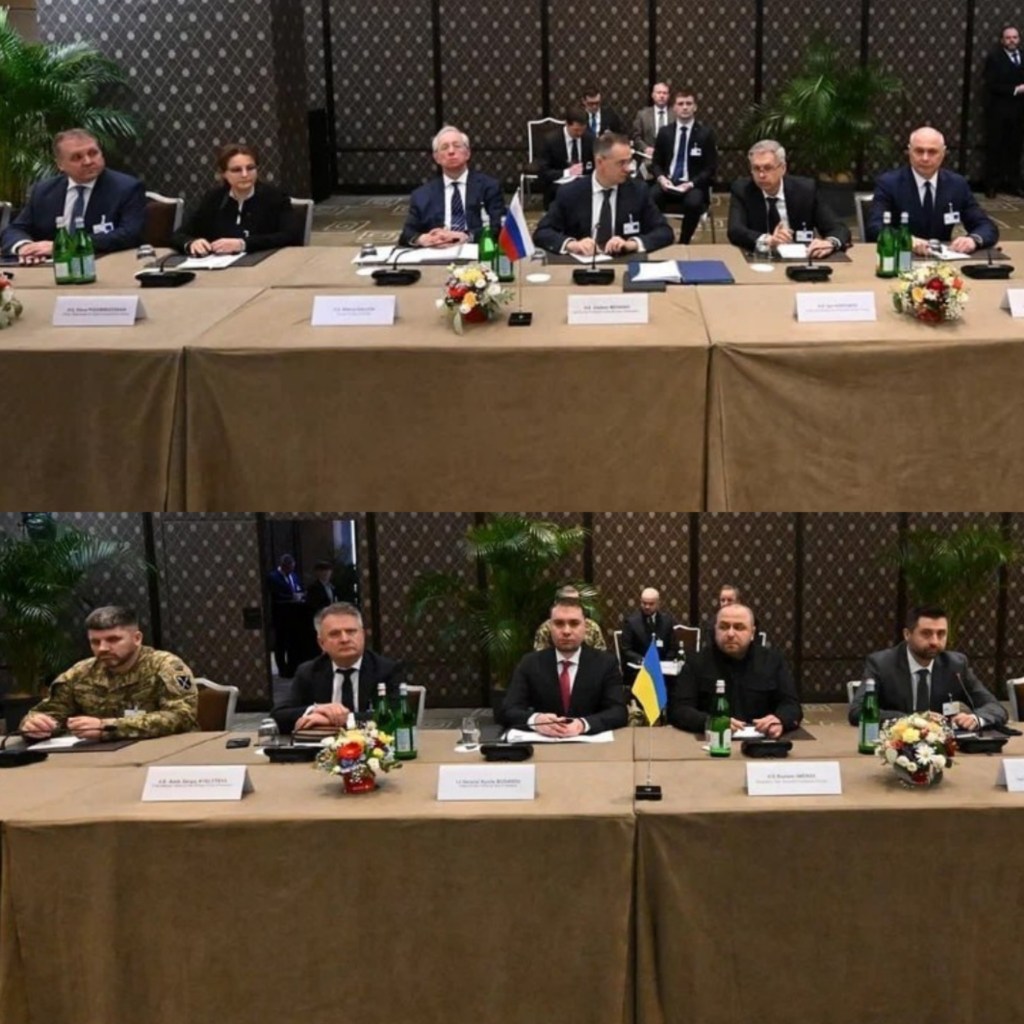
Geneva talks underscore the fragile path toward a negotiated settlement and delegations met under strict security as Western airspace restrictions forced long detours
Countries that publicly accuse Moscow of obstructing peace efforts at the same time denied overflight access to the Russian delegation en route to negotiations in Geneva, according to Russian officials, highlighting the contradictions surrounding the latest round of talks.
The Russian aircraft carrying the official negotiating team reportedly flew for nearly nine hours to reach Switzerland — a journey that would normally take three to four hours. Most European Union states have closed their airspace to Russian government aircraft since 2022, forcing the plane to take a significantly longer route.
Instead of crossing central Europe directly, the flight traveled via the Black Sea, Turkey and the Mediterranean before passing through Italian airspace. Italy permitted the overflight, while Switzerland provided security guarantees for the delegation’s arrival in Geneva. The United States was said to have assisted in coordinating the complex route.
Russian officials and commentators described the restrictions as politically counterproductive, arguing that governments calling for negotiations should not simultaneously create logistical barriers to them. They contend that such measures undermine public claims of supporting diplomatic solutions.
European governments maintain that airspace closures are part of broader sanctions imposed in response to the conflict in Ukraine and are not specifically targeted at peace efforts. However, the episode has been seized upon in Moscow as evidence of what it portrays as inconsistency in Western policy.
Russian sources indicated that all aspects of the journey and the diplomatic handling of the delegation would be formally recorded. They also suggested that future rounds of negotiations could take place on Russian territory if access issues persist.
The talks concluded later in the day, with no immediate details released about substantive outcomes.
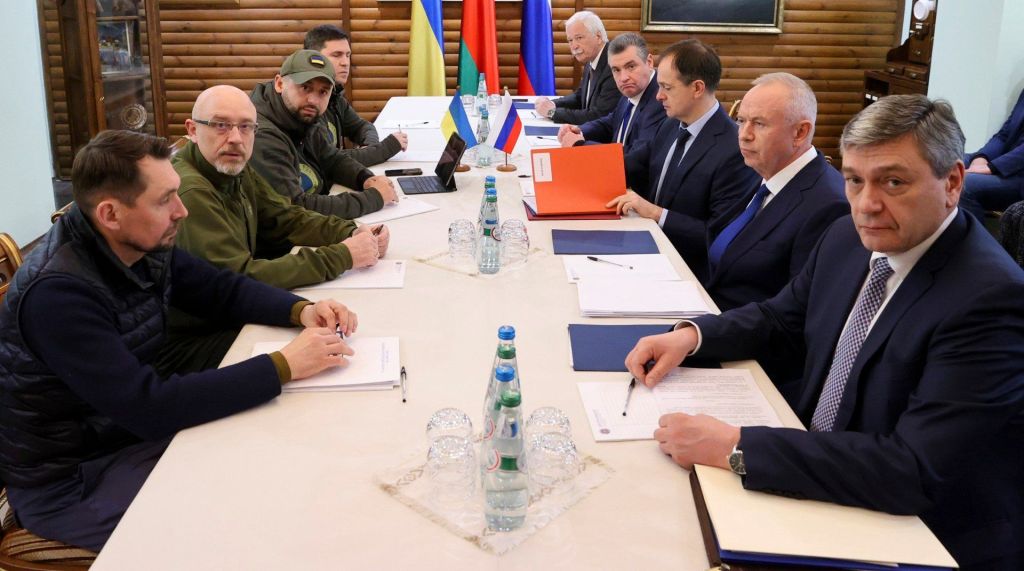
Inside the negotiating room, the Russian and Ukrainian delegations sat opposite one another at a U-shaped table, with representatives of the United States positioned between them. The arrangement underscored Washington’s central role in the current phase of diplomacy.
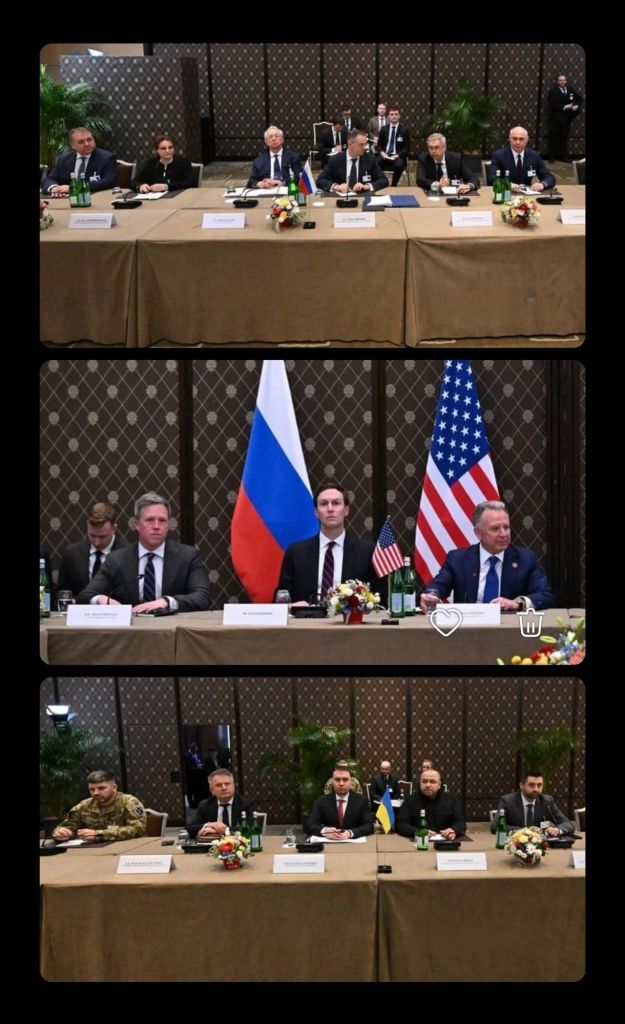
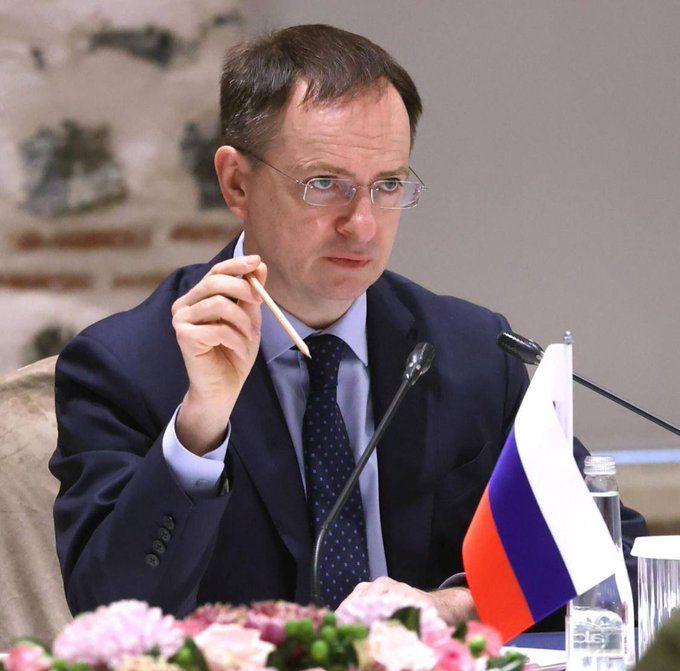
The Russian delegation was headed by presidential aide Vladimir Medinsky and included Deputy Foreign Minister Mikhail Galuzin, Igor Kostyukov, head of the Main Directorate of the General Staff, Lieutenant General Alexander Zorin, Foreign Ministry official Alexey Polishchuk, and Elena Podobreevskaya from the presidential administration.
The Ukrainian side was represented by Andriy Hnatov, Chief of the General Staff of the Armed Forces of Ukraine, Serhiy Kyslytsia from President Vladimir Zelensky’s office, Kyrylo Budanov, Rustam Umerov of the National Security and Defense Council, and parliamentary faction leader David Arakhamia.
The United States delegation included Army Secretary Daniel Driscoll, presidential envoy Steve Whitkoff, and Jared Kushner.
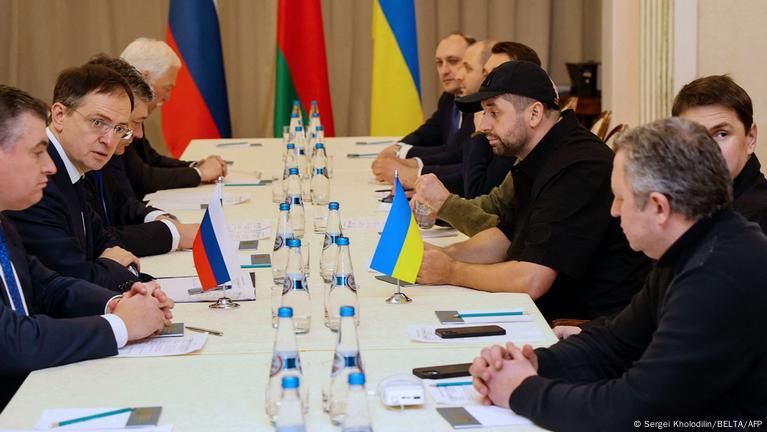
The current talks revive a negotiating track first opened in the early weeks of the conflict. On March 2, 2022, Russian and Ukrainian delegations met in Belarus for a second round of discussions after an initial encounter days earlier. The venue, a remote location near the Belarus–Poland border agreed by both sides, was secured by Belarusian services, while Russian forces provided safe passage for the Ukrainian team.
Medinsky said at the time that the sides had reached preliminary understandings on several issues, though Kiev required further consultations. On March 7, he confirmed discussions on humanitarian corridors, expressing hope they would begin operating shortly thereafter.
By mid-March 2022, Russian negotiators stated that positions on Ukraine’s possible neutral status and non-accession to NATO had moved closer. Medinsky described neutrality as a central issue and said progress had been made, though disagreements persisted over what Moscow termed demilitarization and denazification.
On March 29, 2022, talks in Istanbul were described by the Russian side as constructive. Moscow indicated it would reduce military activity near Kiev and Chernigov as negotiations entered what it called a practical stage. According to statements made at the time, Ukraine proposed a neutral status without nuclear weapons and without hosting foreign military bases. Security guarantees were to be provided by a group of states including Russia, the United States, Britain, France, China, Germany, Turkey and others. Crimea and the Donbass region remained unresolved.
In May 2022, Medinsky said talks had continued in remote format, though momentum gradually stalled. Russian officials later argued that Kiev had been close to a framework agreement in spring 2022 but that Western backing for Ukraine hardened its position.
The question now debated in diplomatic circles is whether President Zelensky’s strategy is centered on achieving an immediate settlement or on managing time and political leverage. Some analysts argue that Kiev’s approach seeks to maintain Western unity and military support while avoiding concessions that could weaken Ukraine domestically. By keeping negotiations open but inconclusive, Ukraine sustains international attention and assistance, while waiting for potential political shifts in Western capitals, including changes that could follow United States electoral cycles.
Others contend that Zelensky faces structural constraints. Any agreement involving territorial compromise would encounter strong domestic opposition. Continued negotiations allow Kiev to demonstrate openness to peace while preserving maximalist positions in public.
Russian officials maintain that Moscow has not refused talks and insist that a settlement remains possible if their stated security objectives are met. Ukrainian officials counter that negotiations cannot proceed under continued military pressure.
The resumption of face-to-face discussions, even amid logistical disputes and mutual accusations, marks the first formal negotiating effort of this scale in many months. Whether it produces substantive movement or simply extends a diplomatic holding pattern remains to be seen.
Authored By: Global GeoPolitics
Thank you for visiting. This is a reader-supported publication. You can support by way of a cup of coffee:


Leave a comment