
military strategy
-
The Backfire as Putin Loses Patience

How Ukraine’s Drone Offensive Accelerated Its Own Strategic Collapse The forty-day drone offensive launched by Ukraine against Russian territory represents one of the most significant tactical gambits of the entire conflict, and its consequences will likely reshape the trajectory of the war in ways that Kyiv’s planners almost certainly did not anticipate. President Volodymyr Zelensky… Continue reading
-
The Point of No Return?

Why Moscow May Soon Conclude That Striking Drone Facilities in Poland and the Baltics Is a Strategic Necessity General Article | August 2026 The public mood inside Russia has undergone a significant transformation in recent months, driven by the steady expansion of Ukrainian drone strikes into the country’s interior and the increasing frequency with which… Continue reading
-
The 40-Day War That Wasn’t: Iran’s Strategic Resilience and the West’s Miscalculation

From Code 110 to the Memorandum of Understanding: How Tehran Outlasted Washington’s Hubris Report: The Araghchi Interview On July 20, 2026, Iranian Foreign Minister Abbas Araghchi provided a sweeping account of the 40-day war to filmmaker Javad Mogouei. The interview, published by Drop Site News, offers the most comprehensive Iranian perspective on the conflict to… Continue reading
-
The US has yet to fall on its own sword

The Unending War for Primacy: US Empire Survival Strategy, Iranian Resistance, and the Struggle for a Multipolar Order Editorial Analysis | July 2026 The confrontation in the Strait of Hormuz that began on July 7, 2026, represents not an isolated incident but the latest chapter in a continuous, decades-long war that the United States has… Continue reading
-
NATO’s narrative of Ukrainian victory is failing to correspond to battlefield reality

The Ankara Summit and the Escalating Logic of Russian Military Strategy The NATO summit that concluded in Ankara on July 8 was intended to project alliance cohesion and demonstrate unwavering support for Ukraine. The final declaration pledged €70 billion in military equipment, assistance, and training for Ukraine in 2026, with a commitment to maintain at… Continue reading
-
The Pentagon’s Drone Pivot Signals a Fundamental Shift in U.S. Military Doctrine
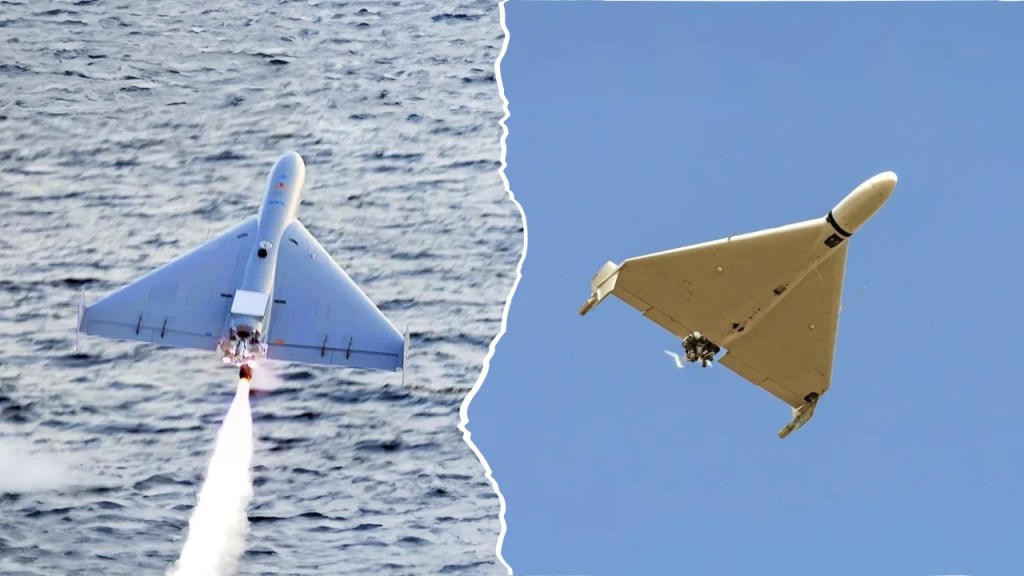
As Washington races to scale low-cost drone production after lessons from Ukraine, the United States is confronting a deeper challenge: transforming a defense system built for technological superiority into one capable of sustaining industrial-scale autonomous warfare during an active era of global competition. The U.S. Department of Defense is reportedly expanding efforts to strengthen domestic… Continue reading
AI and Digital Control, America, China, economics, Energy, EUROPE, Foreign Policy, Geopolitics, Global Finance, iran, israel, middle east, Mineral Resources, NATO, politics, reserve currency, warAI warfare, Autonomous Systems, Defense Industry, Defense Manufacturing, Drone Production, Drone Warfare, Electronic Warfare, FPV Drones, Geopolitics, industrial policy, iran, Low-Cost Drones, LUCAS Drone, military doctrine, military strategy, military technology, Modern Warfare, national security, pentagon, Shahed Drones, Strategic Competition, U.S. Defense Policy, U.S.-Saudi Relations, Ukraine war, United States -
Moscow Warns Baltic States Against Deeper Involvement in Ukraine Drone War
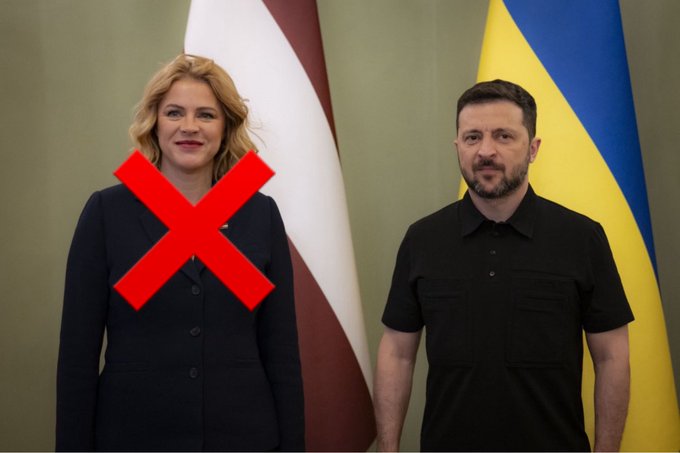
Russian intelligence claims Latvia is facilitating Ukrainian drone operations against Russian territory, raising the risk that the Baltic theatre could become the next escalation point in the widening confrontation between NATO and Moscow. Russia’s Foreign Intelligence Service has accused Latvia of permitting Ukrainian drone operators to use NATO territory for potential strikes against targets inside… Continue reading
AI and Digital Control, America, Energy, EUROPE, Financial markets, Foreign Policy, Geopolitics, iran, israel, NATO, politics, Russia, warAirspace Violations, Article 51, Baiba Braže, Baltic Crisis, Baltic security, Baltic States, Drone Warfare, Eastern Europe, Edgars Rinkēvičs, energy infrastructure, Eurasia, European Politics, European security, European Union, Foreign Policy, Geopolitics, hybrid warfare, Kaliningrad, Kremlin, Latvia, Leningrad Region, military escalation, military strategy, moscow, multipolarity, NATO, NATO Conflict, NATO expansion, NATO Russia Relations, proxy war, Russia, Russia NATO Tensions, Russia Ukraine War, Security Doctrine, Sergey Shoigu, strategic escalation, UAV Attacks, ukraine -
Do Not Underestimate the United States (Long Version)

Why the United States Seeks Control of Supply Routes Rather Than Conventional Victory American power has repeatedly been misread during prolonged geopolitical confrontations because commentators continue measuring strategic success through the narrow lens of immediate battlefield outcomes rather than through cumulative institutional, economic, and infrastructural transformation across decades. Independent geopolitical analyst Brian Berletic argued during… Continue reading
AI and Digital Control, America, China, East Africa, economics, Energy, EUROPE, Financial markets, Foreign Policy, Geopolitics, iran, israel, middle east, NATO, politics, reserve currency, Russia, waralliance systems, Brian Berletic, Brookings Institution, China, deindustrialisation, economic statecraft, economic warfare., energy geopolitics, energy security, Energy Warfare, Eurasia, Eurasian integration, geopolitical risk, Geopolitics, global energy markets, global trade routes, great power competition, Indo-Pacific, industrial policy, international relations, iran, LNG, maritime chokepoints, Maritime Strategy, military strategy, NATO, Nord Stream, proxy warfare, RAND Corporation, Russia, sanctions, sanctions policy, Strait of Hormuz, Strait of Malacca, Strategic Competition, strategic studies, supply chains, Ukraine war, United States foreign policy, US Navy, US-China relations -
Kagan and Boot: The Guilty Are Writing the Verdict (Extended Version)

From Tehran to Taiwan: The Men Who Built America’s Empire Are Now Writing Its Autopsy The extraordinary significance of the Max Boot interview with former CIA analyst John Culver does not rest merely in the military assessments themselves, severe as they already appear. The deeper significance rests in who is speaking, where they are speaking,… Continue reading
AI and Digital Control, America, China, East Africa, economics, Energy, Financial markets, Foreign Policy, Geopolitics, Global Finance, iran, israel, NATO, politics, reserve currency, warAmerican decline, American empire, American Power, Atlanticism, Belt and Road Initiative, China, containment strategy, de-dollarisation, defence policy, empire, energy politics, Eurasia, Eurasian integration, Geopolitics, Geostrategy, global hegemony, global order, great power competition, imperial overstretch, Indo-Pacific, Indo-Pacific strategy, Industrial Capacity, international relations, iran, John Culver, maritime power, Max Boot, military industrial complex, Military Primacy, military strategy, multipolar world order, NATO, Neoconservatism, petrodollar, political economy, Project for the New American Century, Robert Kagan, Russia, sanctions, South China Sea, Strait of Hormuz, Strategic Competition, Strategic Decline, taiwan, Taiwan Strait, Ukraine war, unipolarity, US foreign policy, US Hegemony, US Navy, US-China relations, Washington Consensus, West Asia -
One Battle, Two Press Releases: Hormuz and the Crisis of American Deterrence
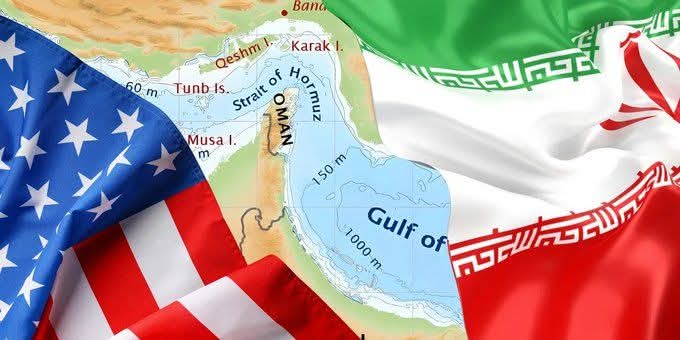
The Persian Gulf confrontation exposed the widening gap between military optics and operational control, while financial stabilisation and military escalation merged into the same strategic system A naval withdrawal inside the Strait of Hormuz would mark a strategic rupture extending far beyond one contested waterway, because the credibility of American maritime supremacy depends upon sustained… Continue reading
AI and Digital Control, America, China, economics, Energy, EUROPE, Financial markets, Foreign Policy, Geopolitics, Global Finance, iran, israel, middle east, Mineral Resources, NATO, politics, reserve currency, Russia, warAmerican Power, anti-access area denial, asymmetric warfare, Clausewitz, Coercive Credibility, Currency Systems, Defence Economics, dollar hegemony, energy security, escalation dominance, Financial markets, financial stability, Game Theory, Geoeconomics, Geopolitics, global order, Hormuz Crisis, imperial decline, international relations, iran, IRGC, maritime chokepoints, Maritime Strategy, Middle East security, military doctrine, Military Industrial Base, military strategy, Missile Saturation, multipolarity, Naval Warfare, Persian Gulf, Plunge Protection Team, political economy, realism, sea power, Strait of Hormuz, Strategic Geography, strategic studies, systemic risk, United States Navy
