
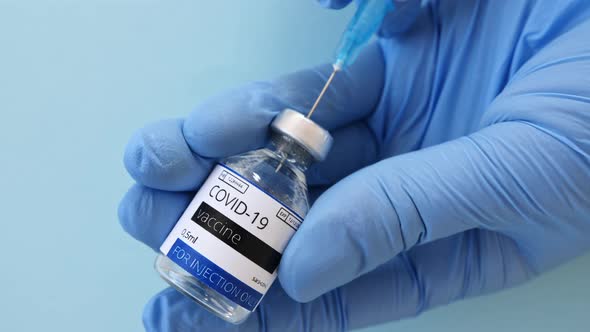
Before accepting the conclusions, examine who funded the research, how the data were analyzed, and what the study did not measure
NEW STUDY PURPORTS TO SHOW EFFECTIVENESS OF UPDATED COVID BOOSTER IN 2025 — START WITH THE CONFLICTS OF INTEREST DISCLOSURES
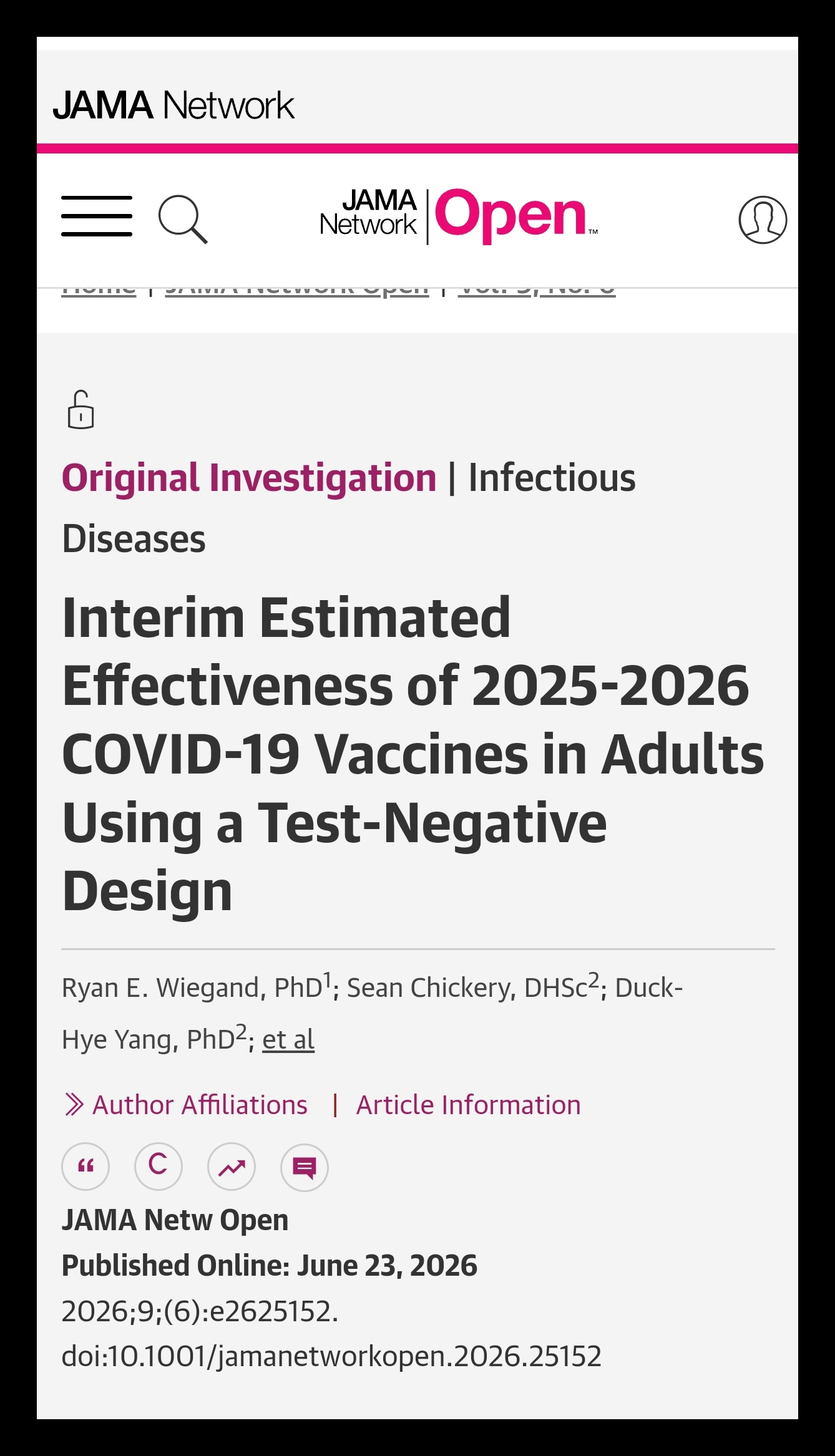
A new study is generating media headlines, claiming to demonstrate the effectiveness of yet another COVID booster in reducing emergency department visits and hospitalizations between September and December 2025.
Before accepting the conclusions at face value, it’s worth examining the conflicts of interest disclosures provided by the study authors.
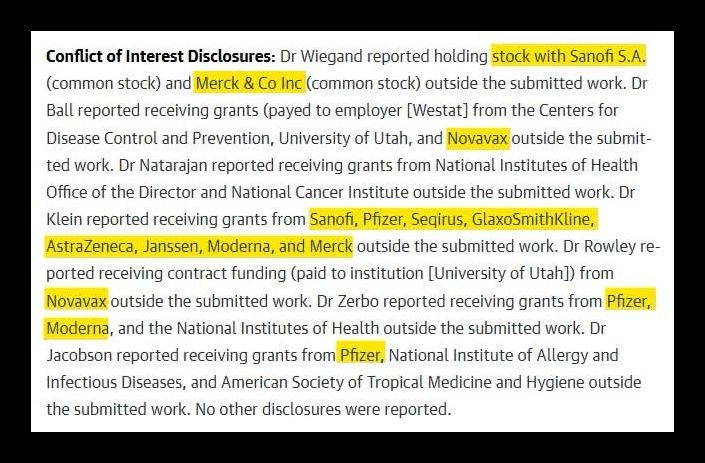
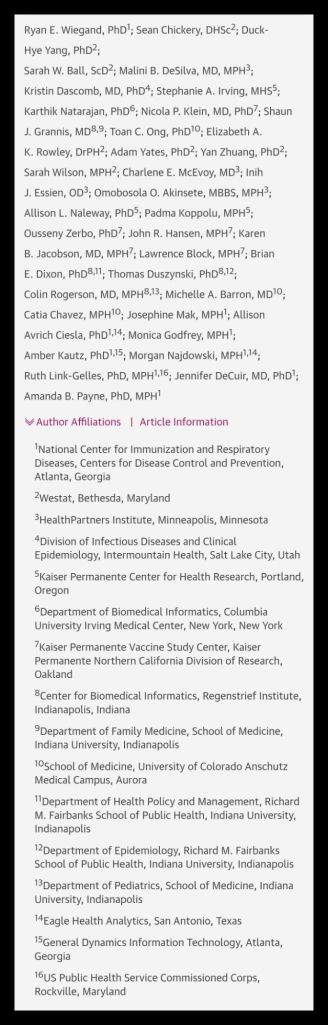
Researchers used data from more than 100,000 emergency department and hospital visits across seven U.S. states during the period from September to December 2025.
According to the study, individuals who received the updated COVID booster, compared with those who did not receive the latest booster, had:
50% lower odds of ending up in the emergency department
55% lower odds of hospitalisation
The authors state that this apparent benefit was observed on top of any protection participants may already have had from previous vaccinations or prior COVID infections.
However, a key detail often overlooked in media coverage is that most participants who received the booster had done so only 6–8 weeks earlier. The study therefore does not measure, nor adequately account for, the widely acknowledged rapid waning of vaccine-derived protection over time.
Other Potential Confounders and Limitations
Short Follow-Up Period
The study followed participants for only a relatively brief period, with a median follow-up of approximately 47 days after vaccination. As a result, it provides little information about whether any observed protection persists throughout an entire respiratory virus season or beyond.
Limited Population
The analysis included only immunocompetent adults who sought care in emergency departments, urgent care centers, or hospitals. It tells us little about children, immunocompromised individuals, or people who experienced mild illness and never sought medical attention.
Small Numbers of Vaccinated Participants
Only a small proportion of participants had actually received the updated 2025–2026 booster, and the number of hospitalizations was limited. This reduces statistical precision and means the true level of protection could be substantially lower than the headline figures suggest.
Potential Design Bias
The study used a test-negative design, comparing people who tested positive for COVID with those who tested negative among individuals already seeking medical care. While commonly used in vaccine effectiveness studies, this approach can be influenced by testing behavior, healthcare-seeking behavior, and other factors that may introduce bias or obscure important effectsI
Important Questions Left Unanswered
The study does not address:
Prevention of mild infections
Reduction of transmission to others
Long-term durability of protection
Safety outcomes associated with the updated booster
Data Transparency
And perhaps most importantly: the raw data are not publicly available for independent review or reanalysis.
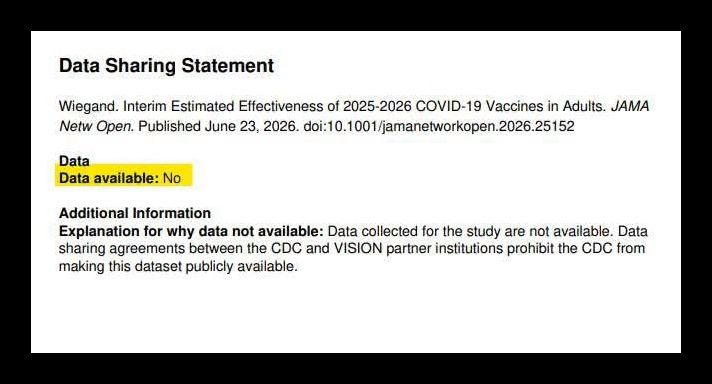
For a study receiving widespread media attention and being used to support public health recommendations, that lack of transparency is a significant limitation that should be acknowledged alongside the reported findings.
Link to article:
Authored By: Global GeoPolitics
If you prefer to make a one time donation in support of my work, you can do so by clicking any link below:
https://buymeacoffee.com/ggtv |
https://ko-fi.com/globalgeopolitics |
Bitcoin: 3NiK8BoRZnkwJSHZSekuXKFizGPopkE7ns


Leave a comment