
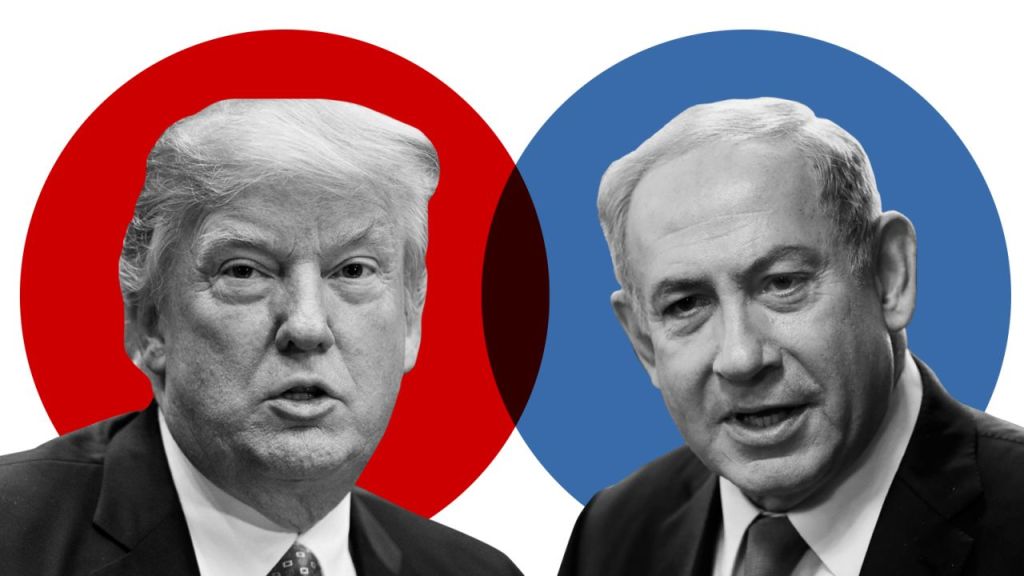
How U.S. Policy Manipulates Crisis for Geopolitical Gain
The recent developments surrounding Iran, the protests, and the potential for military intervention raise difficult questions about U.S. policy and priorities. Former President Trump’s sudden concern for the lives of Iranian demonstrators contrasts sharply with his history of backing Israel’s military actions in Gaza, actions that killed tens of thousands of Palestinians, including many children. Trump approved bomb sales to Israel and boasted of it. He openly spoke about sending weapons without knowing the specifics of their use, contributing to the loss of life in Gaza.
This contradiction is glaring, but not surprising. What’s happening is a continuation of the same political playbook one where there are double standards and selective outrage. When it comes to allies, like Israel, there’s a willingness to turn a blind eye to the destruction they cause, but when it comes to adversaries, like Iran, there’s a rush to condemn and intervene. This “rules-based order” is not about fairness, it’s about maintaining power and control through strategic alliances.
The talk of U.S. military action against Iran, likely in response to the unrest following the country’s economic collapse, has gained momentum. Reports of military repositioning and base withdrawals signal a potential escalation. This is the familiar setup we’ve seen before: moves to justify military action framed as moral concern for human rights. But these events don’t happen in a vacuum. The protests in Iran were catalyzed by years of harsh U.S. sanctions, which were designed to crush Iran’s economy, ignite inflation, and collapse the currency. This wasn’t an unintended consequence, it was the plan. The aim was never to push for reform within Iran; it was to weaken the country and set the stage for regime change.
Sanctions are not just a political tool. They cause real suffering, destroying the livelihoods of ordinary people. They are a deliberate attempt to create instability, fueling discontent, and making the situation ripe for exploitation. The U.S. response to this unrest, whether through sanctions or military intervention, doesn’t seek a better outcome for Iranians, it seeks to manipulate the situation for geopolitical gain.
This isn’t about defending human rights. It’s about furthering strategic goals, even if it means stepping over a pile of bodies to get there. Whether it’s Gaza, Iran, or anywhere else, the game is the same: power and dominance come first, and human lives are just collateral damage.
This system doesn’t need to be fixed, it’s functioning exactly as intended and as designed. The bodies piling up across the region are evidence of the true nature of global politics today.
Authored By: Global GeoPolitics.
As this is a reader-supported publication, I cannot do this without your support. If you believe journalism should serve the public, not the powerful, and you’re in a position to help, becoming a PAID SUBSCRIBER truly makes a difference. Alternatively you can support by way of a donation or cup of coffee:
buymeacoffee.com/ggtv


Leave a comment