
economic warfare.
-
Iran Targets Undersea Internet Cables in Strait of Hormuz

Tehran’s new licensing plan for foreign fiber optic cables increases pressure on US tech companies and adds another layer to growing global infrastructure tensions. Iran has announced a new plan to charge fees for underwater internet cables passing through the Strait of Hormuz. Iranian media connected to the Islamic Revolutionary Guard Corps said companies such… Continue reading
AI and Digital Control, America, Geopolitics, iran, israel, middle east, Mineral Resources, NATO, politics, warblockade risk, cable landing stations, choke point control, customs control, digital infrastructure, economic warfare., energy trade route, freedom of navigation, geopolitical control, global energy supply, Here are clean comma-separated tags for your topic: Iran, Hormuz Strait, international waters law, Iranian Revolutionary Guard Corps, IRGC, LNG shipping, maritime chokepoint, maritime logistics, maritime security, maritime tariffs, naval control, naval escort system, oil shipping route, oil transport, Persian Gulf, port authority, sanctions enforcement, shipping insurance, shipping lanes, shipping regulation, shipping toll booth, Strait of Hormuz, strategic waterways, submarine communications cables, tanker traffic, telecommunications cables, territorial waters, toll system, transit fees, UNCLOS, undersea cables, vessel inspection -
1953 Coup: The Original Sin of US-Iran Relations

The 1953 Anglo-American overthrow of Mohammad Mosaddegh destroyed a democratic nationalist government, and laid the foundations for the anti-Western resistance doctrine drives Tehran’s politics today The modern confrontation between Iran and the United States did not begin with the 1979 Islamic Revolution, the embassy hostage crisis, or the rise of the Islamic Republic under Ayatollah… Continue reading
AI and Digital Control, America, Financial markets, Foreign Policy, Geopolitics, iran, israel, middle east, Mineral Resources, NATO, politics1953 Iranian Coup, Anglo-Iranian Oil Company, anti-imperialism, ayatollah khomeini, BP, BRICS, British Empire, British foreign policy, CIA, CIA Coups, Cold War, Declassified Documents, economic warfare., energy geopolitics, Eurasia, foreign intervention, Geopolitics, Global South, intelligence operations, iran, Iranian Nationalism, Iranian Revolution, Iranian Sovereignty, MI6, middle east, Mohammad Mosaddegh, multipolarity, nationalisation, Oil Politics, Operation Ajax, Petroleum Politics, political Islam, regime change, sanctions, SAVAK, Shah Mohammad Reza Pahlavi, United Kingdom, United States, US foreign policy, US–Iran relations, Western Intervention -
Do Not Underestimate the United States (Editorial Version)
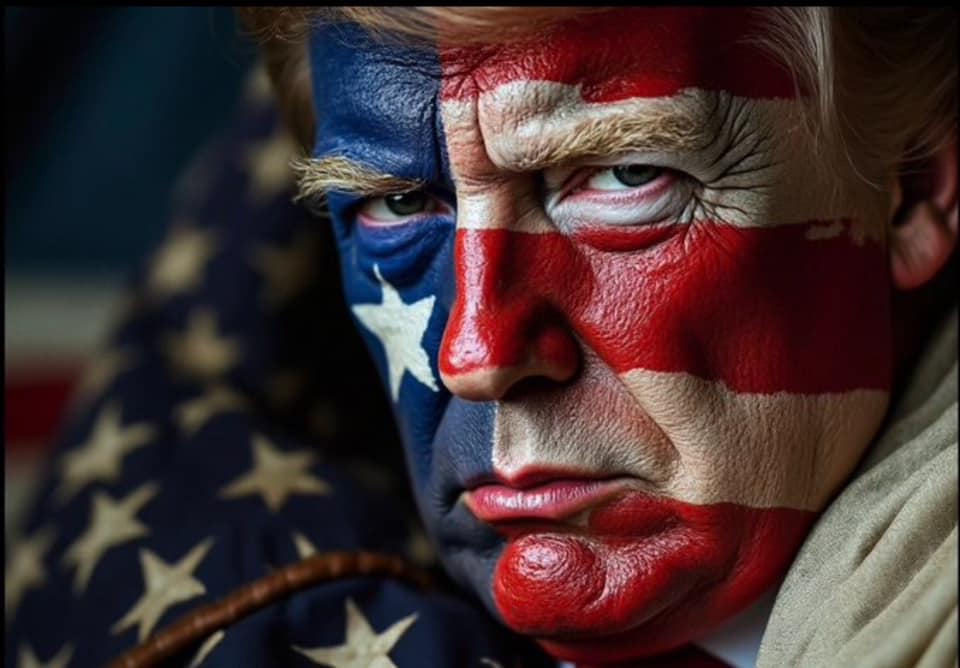
An analytical examination of the US blockade on Iran, the systematic disruption of energy flows to Asia, and the long-term campaign to isolate China The United States Navy’s deployment of FA-18 Super Hornets to conduct strafing attacks against Iranian commercial tankers in the Gulf of Oman on 6 and 8 May 2026, three vessels targeted,… Continue reading
AI and Digital Control, America, China, economics, Energy, EUROPE, Financial markets, Foreign Policy, Geopolitics, Global Finance, iran, israel, middle east, Mineral Resources, NATO, politics, reserve currency, Russia, South East Asia, waralliance systems, Brian Berletic, Brookings Institution, China, deindustrialisation, economic warfare., energy security, Energy Warfare, Eurasia, Eurasian integration, Geopolitics, global energy markets, global trade routes, great power competition, Indo-Pacific, industrial policy, international relations, iran, LNG, maritime chokepoints, Maritime Strategy, NATO, Nord Stream, proxy warfare, RAND Corporation, Russia, sanctions, sanctions policy, Strait of Hormuz, Strait of Malacca, Strategic Competition, Ukraine war, United States foreign policy, US Navy -
Do Not Underestimate the United States (Long Version)
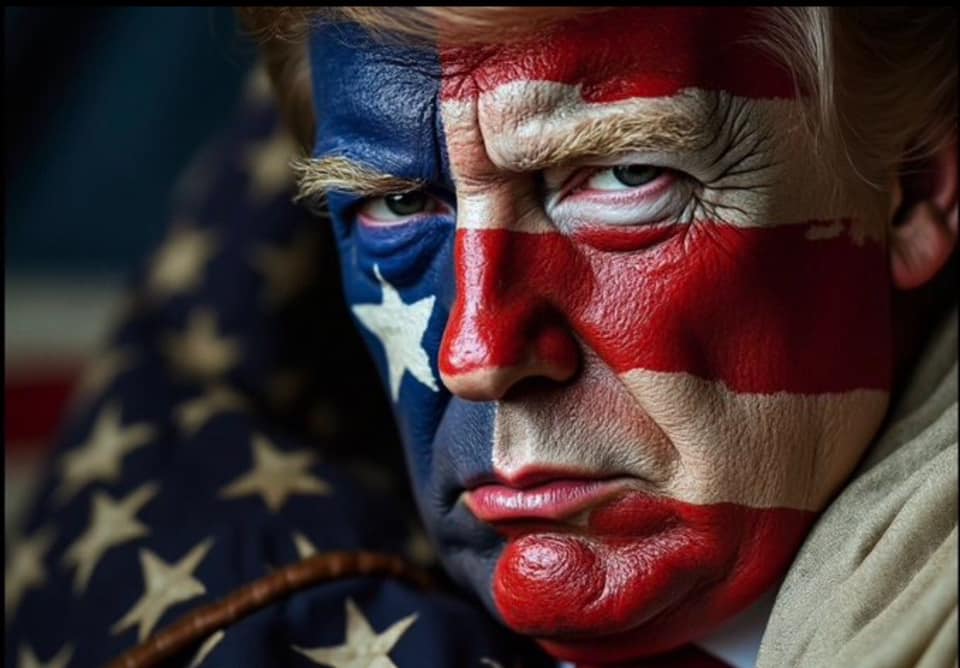
Why the United States Seeks Control of Supply Routes Rather Than Conventional Victory American power has repeatedly been misread during prolonged geopolitical confrontations because commentators continue measuring strategic success through the narrow lens of immediate battlefield outcomes rather than through cumulative institutional, economic, and infrastructural transformation across decades. Independent geopolitical analyst Brian Berletic argued during… Continue reading
AI and Digital Control, America, China, East Africa, economics, Energy, EUROPE, Financial markets, Foreign Policy, Geopolitics, iran, israel, middle east, NATO, politics, reserve currency, Russia, waralliance systems, Brian Berletic, Brookings Institution, China, deindustrialisation, economic statecraft, economic warfare., energy geopolitics, energy security, Energy Warfare, Eurasia, Eurasian integration, geopolitical risk, Geopolitics, global energy markets, global trade routes, great power competition, Indo-Pacific, industrial policy, international relations, iran, LNG, maritime chokepoints, Maritime Strategy, military strategy, NATO, Nord Stream, proxy warfare, RAND Corporation, Russia, sanctions, sanctions policy, Strait of Hormuz, Strait of Malacca, Strategic Competition, strategic studies, supply chains, Ukraine war, United States foreign policy, US Navy, US-China relations -
Trump’s Beijing Delegation Exposed the Real Structure of American Power [Extended Version]
![Trump’s Beijing Delegation Exposed the Real Structure of American Power [Extended Version]](https://globalgeopolitics.co.uk/wp-content/uploads/2026/05/img_20260513_235056.jpg?w=1024)
The Beijing visit exposed how transnational corporations, financial institutions, and technology monopolies now operate openly as the permanent power structure beneath American electoral politics. Donald Trump arrived in Beijing flanked by the commanding layer of American corporate and financial power because the visit exposed something Washington normally prefers hidden behind electoral theatre: transnational capital, technology… Continue reading
AI and Digital Control, America, China, economics, Energy, EUROPE, Financial markets, Foreign Policy, Geopolitics, Global Finance, iran, israel, middle east, Mineral Resources, NATO, politics, reserve currency, Russia, South East Asia, warAmerican decline, American empire, Apple, Belt and Road Initiative, blackrock, Boeing, China, Chinese Strategy, Corporate Globalism, corporate power, dollar hegemony, donald trump, economic warfare., elite power structures, energy security, Eurasia, Financial Capital, Financialisation, Foreign Policy, Game Theory, Geoeconomics, Geopolitics, global hegemony, global order, Goldman Sachs, great power competition, Indo-Pacific, Industrial Capacity, industrial policy, international relations, iran, manufacturing, Maritime Strategy, multipolarity, Nvidia, oligarchy, political economy, realism, Semiconductor War, Silicon Valley, Strategic Competition, strategic studies, supply chains, taiwan, technological sovereignty, Tesla, transnational capital, United States, US-China relations, wall street, Xi Jinping -
The China Perspective: War Without Declaration
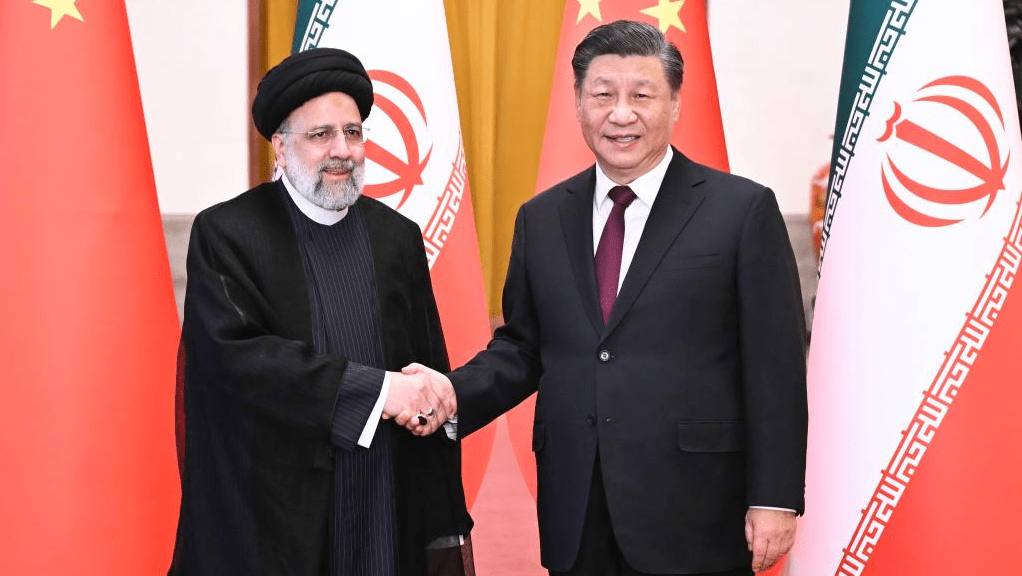
A Consideration of War in Iran and the Greater Reordering of the World In Which China Endures the Tumult of War Whilst the Old Order Strains to Maintain Its Hold China views the Iran war not as a distant regional conflict but as part of a broader strategic environment in which it is the primary… Continue reading
AI and Digital Control, America, China, economics, Energy, EUROPE, Financial markets, Foreign Policy, Geopolitics, Global Finance, iran, israel, middle east, Mineral Resources, NATO, politics, reserve currency, Russia, South East Asia, warBelt and Road Initiative, China, containment strategy, economic warfare., energy security, Eurasian integration, financial systems, Geopolitics, global power shift, global supply chains, global trade, globalisation, international relations, Iran War, maritime chokepoints, Middle East conflict, multipolar world order, realism theory, sanctions, sanctions policy, Strait of Hormuz, Strategic Competition, strategic restraint, United States, US-China relations -
Next Stop: Strait of Malacca
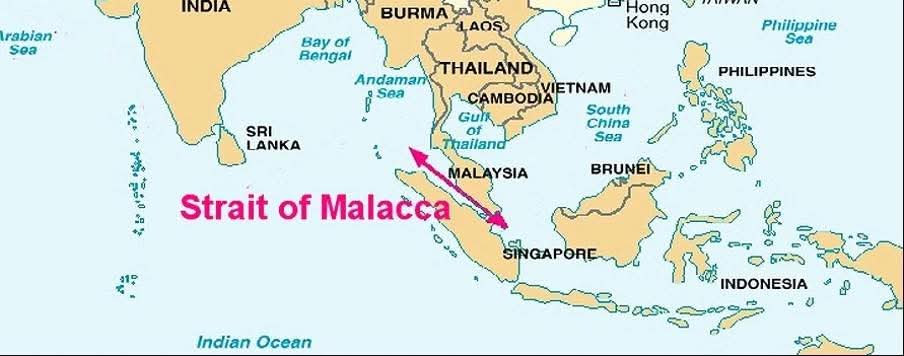
From Hormuz blockade logic and the extension of maritime leverage into East Asian energy supply chains American naval forces have expanded interdiction operations beyond the Persian Gulf into the wider Indian Ocean along established commercial shipping routes. Recent seizures of tankers including the Tifani and Majestic X occurred in waters between Sri Lanka and Indonesia… Continue reading
-
Oil Infrastructure Warfare, Energy Attrition, And The Struggle For Global Primacy
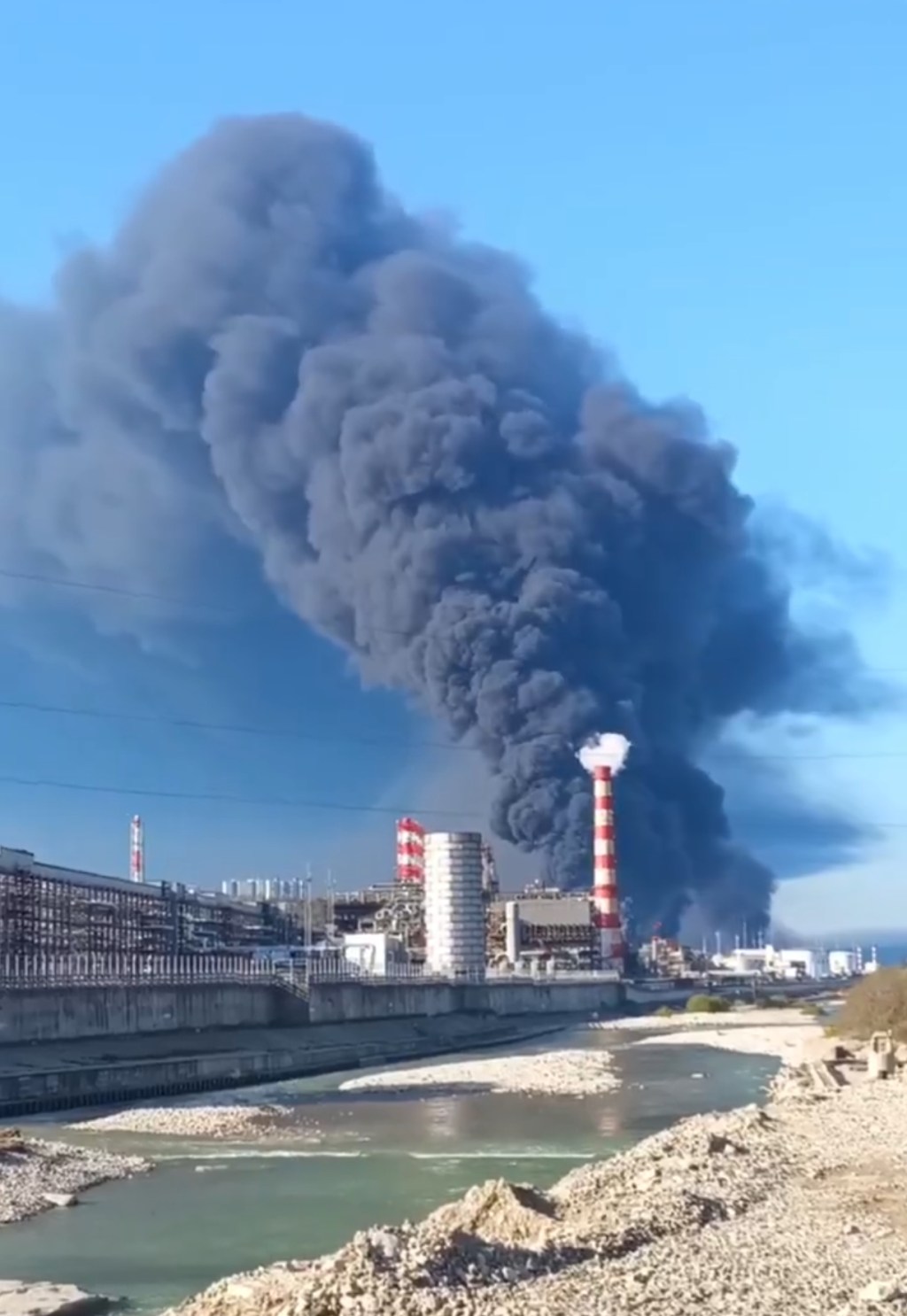
Energy Systems as Strategic Targets in the Transition from Unipolar Control to Multipolar Contestation The core claim of this article is that the current ruling transnational oligarchy and supranational interests seek to maintain their grip over primacy and hegemony, preventing the fragmentation of the unipolar rules-based order into multipolarity led by emerging blocs. Control of… Continue reading
AI and Digital Control, America, China, economics, Energy, EUROPE, Financial markets, Foreign Policy, Geopolitics, iran, israel, middle east, Mineral Resources, NATO, politics, reserve currency, Russia, satellites, warcritical infrastructure, Drone Warfare, economic warfare., energy attrition, energy security, financial systems, Geopolitics, global primacy, global trade, industrial warfare, Iran energy infrastructure, maritime chokepoints, Middle East conflict, multipolarity, oil infrastructure warfare, petrodollar, refineries, Russia Ukraine War, sanctions, Strategic Competition, supply chains, unipolar order -
Israel as Distraction, China as Target: The Structure of an Emerging Systemic War
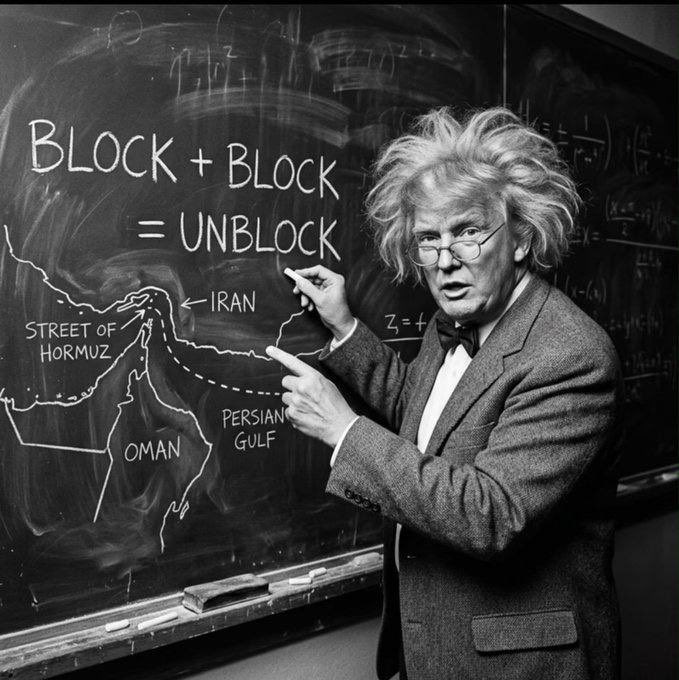
How regional conflict obscures a larger strategy targeting China’s economic lifelines Something has already changed in the way power is organised, though it is rarely put plainly. The pattern of events still looks familiar, which is why it is easy to miss. Military movements in the Middle East are usually explained in terms of local… Continue reading
AI and Digital Control, America, China, economics, Energy, EUROPE, Financial markets, Foreign Policy, Geopolitics, Global Finance, iran, israel, middle east, Mineral Resources, NATO, politics, reserve currency, Russia, waranti-access area denial, blockade strategy, China containment, coercive diplomacy, economic warfare., energy security, Game Theory, Geopolitics, global trade routes, grand strategy, great power competition, hegemonic stability, Indo-Pacific strategy, international relations theory, iran, Marine Corps restructuring, maritime chokepoints, Middle East conflict, military doctrine, multipolar world order, naval strategy, political economy, resource control, Russia-China relations, strategic encirclement, supply chain security, systemic war, US foreign policy -
A War on Iran, A Strategy Against China
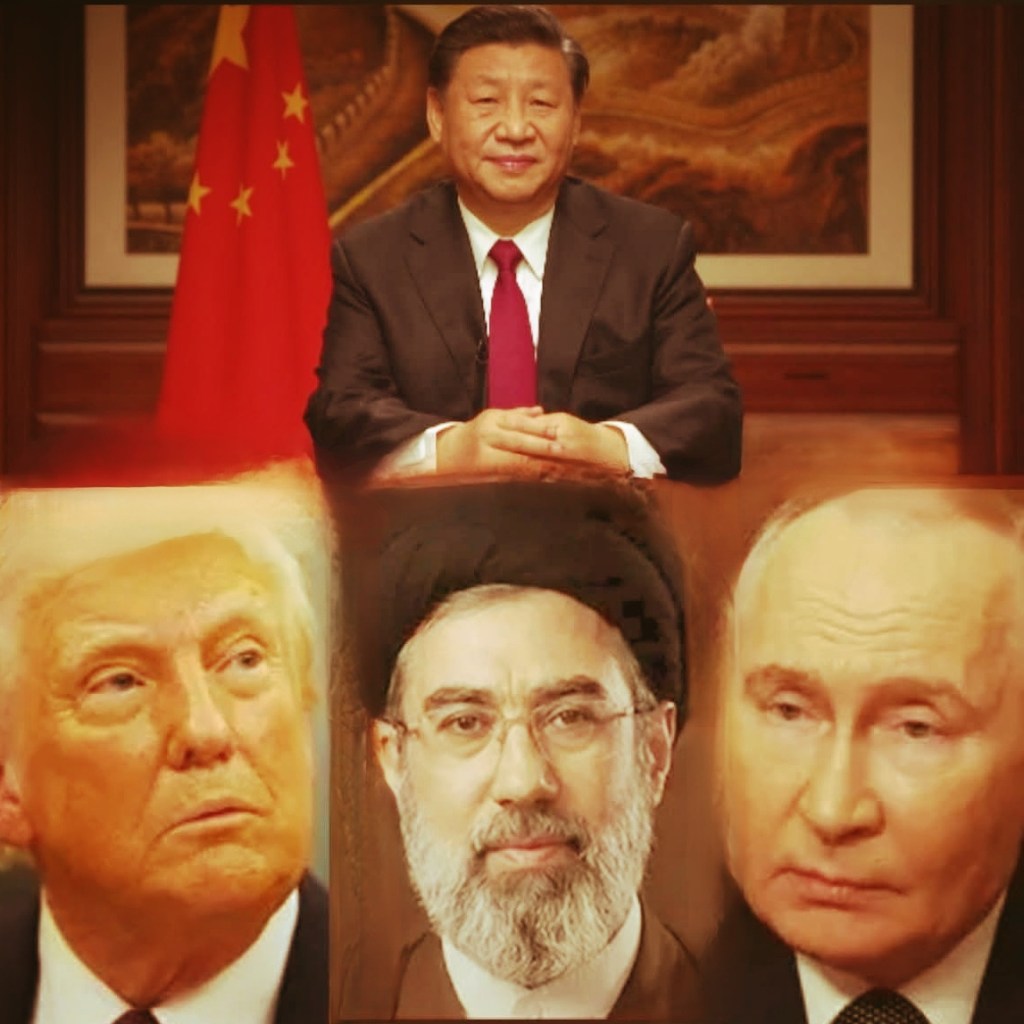
United States policy toward Iran reflects a broader strategy of energy control aimed at constraining China and maintaining systemic primacy The escalation of United States military and economic pressure against Iran must be understood within a broader strategic framework in which energy flows, maritime chokepoints, and financial systems intersect with long-term competition between major powers,… Continue reading
AI and Digital Control, America, China, economics, Energy, EUROPE, Financial markets, Foreign Policy, Geopolitics, Global Finance, iran, israel, middle east, Mineral Resources, NATO, politics, reserve currency, Russia, warBelt and Road Initiative, China containment, CPEC, de-dollarisation, economic warfare., energy geopolitics, energy security, financial systems, Geopolitics, global energy markets, global trade networks, great power rivalry, Iran conflict, maritime chokepoints, military strategy, multipolar world order, naval power, political economy, reserve currency, Russia-China relations, sanctions, Strait of Hormuz, Strategic Competition, supply chains, US foreign policy, US primacy
