
middle east
-
Order Out of Chaos: The Architecture of Permanent Conflict
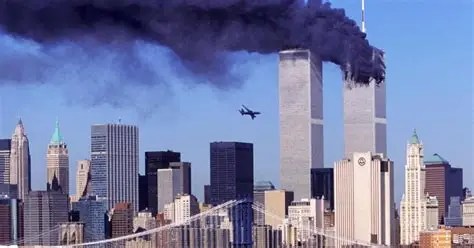
An independent analysis of the post-9/11 order, its institutional drivers, and the material consequences of hegemonic overreach Editorial Analysis | September 2026 The comment that Benjamin Netanyahu made on the evening of 11 September 2001, when asked by the New York Times what the attacks meant for relations between the United States and Israel, has… Continue reading
-
The Bishkek Declaration and the Architecture of Imperial Continuity
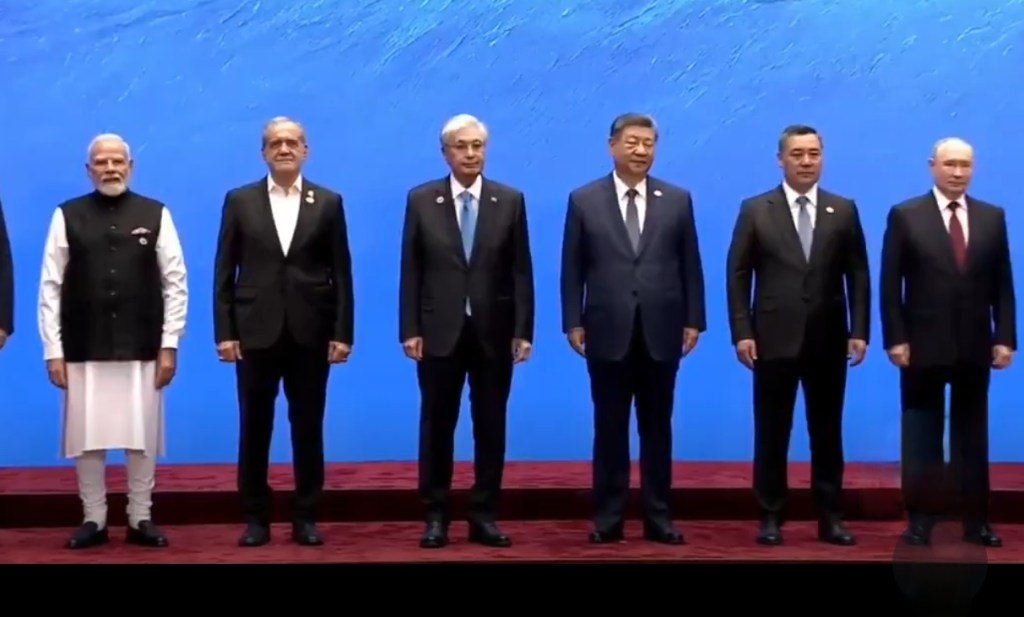
The Shanghai Cooperation Organisation’s unanimous condemnation of the American-Israeli attack on Iran signals more than diplomatic posturing; it exposes the deepening structural contradictions within a unipolar order that can no longer enforce its will without provoking collective resistance. Editorial Analysis | September 2026 The Shanghai Cooperation Organisation’s Bishkek Declaration, adopted on 1 September 2026, represents… Continue reading
-
The Middle East on the Brink
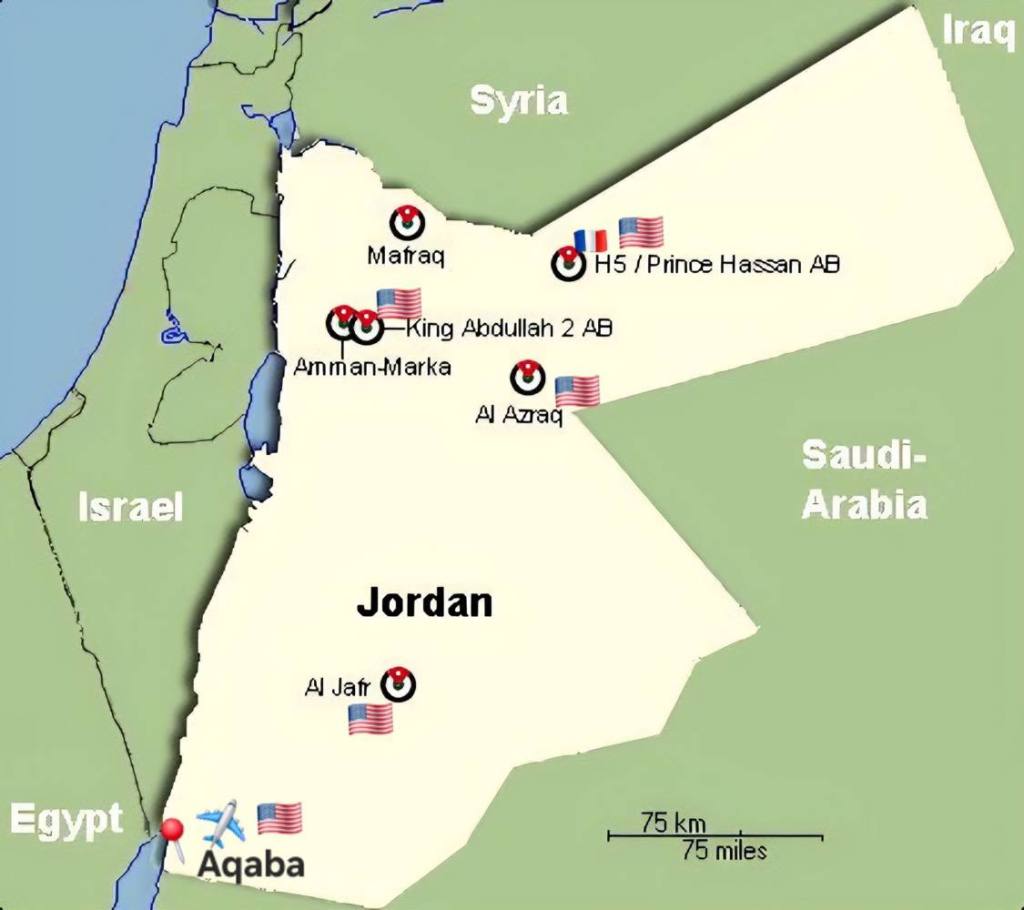
The conflict is no longer confined to a single front, with Jordan, Kuwait, and the Gulf emerging as potential flashpoints in the next stage of the crisis. The latest developments suggest the conflict may be entering a far more dangerous phase. Based on the information I have reviewed, Iran allegedly carried out one of its… Continue reading
America, China, economics, Foreign Policy, Geopolitics, imperialism, iran, israel, middle east, Mineral Resources, NATO, neocolonialism, politics, reserve currency, Russia, technology, warAbu Dhabi, ballistic missiles, breaking news, Defense, donald trump, Dubai, Fujairah, Geopolitics, global security, Gulf Region, Gulf security, HIMARS, international relations, iran, israel, Jebel Ali, Jordan, Kuwait, middle east, Middle East Crisis, military escalation, Muwaffaq Salti Air Base, national security, Regional Conflict, Tehran, U.S. military, UAE, United States, war analysis, White House -
Faltering American Strategy in the Middle East

Escalation in the Strait: Trump, Iran, and the Anatomy of a Strategic Trap The Strait of Hormuz has long been recognised as one of the world’s most consequential maritime chokepoints. Approximately 20 per cent of globally traded oil passes through its narrow waters, making its security a matter of strategic concern for every major economy.… Continue reading
-
Trump’s Narrative Collides With Negotiation Reality
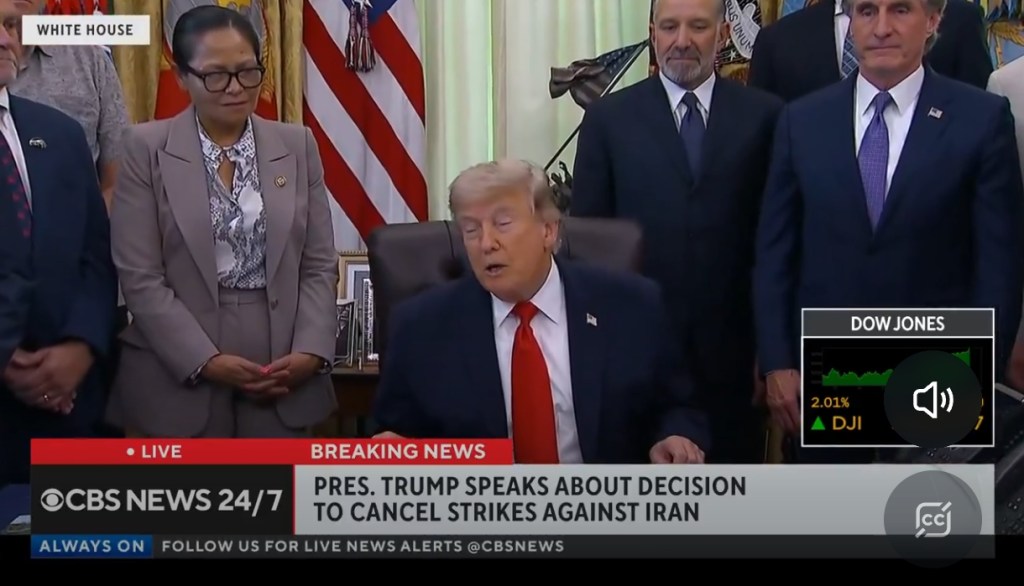
Behind the Scenes of Trump’s Claim That “Iran Accepted the Terms” As the United States retreated from its attempt to add new provisions to the draft agreement, Donald Trump simultaneously escalated his threats on social media and launched a campaign to portray Iran as having surrendered under military pressure. According to sources familiar with the… Continue reading
AI and Digital Control, America, Energy, EUROPE, Financial markets, Foreign Policy, Geopolitics, Global Finance, imperialism, iran, israel, middle east, Mineral Resources, NATO, politics, reserve currency, Russia, warbreaking news, Conflict, Current Events, diplomacy, Foreign Policy, Geopolitics, Global Politics, human rights, International News, iran, Iran Israel, Iran War, israel, Israel–Iran conflict, middle east, Middle East conflict, News Update, No War, Peace, regional stability, Security, Tehran, War and Peace, war updates, World News -
The War That Remade Iran: Strategic Gains from the 2026 Conflict
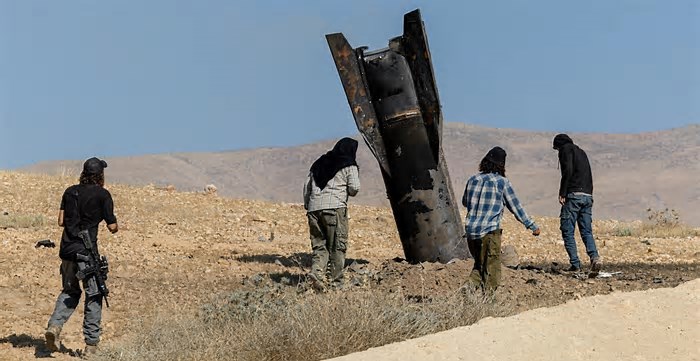
How a Battered Islamic Republic Emerged with New Power, New Leadership, and a Changed Middle East The central premise of the February 2026 American and Israeli military campaign against Iran was straightforward: sustained aerial bombardment combined with targeted killings of the Islamic Republic’s senior leadership would either fracture the state or produce conditions amenable to… Continue reading
-
Reading Between the Lines: Why Rezaee’s CNN Interview Is More About Messaging Than Negotiation
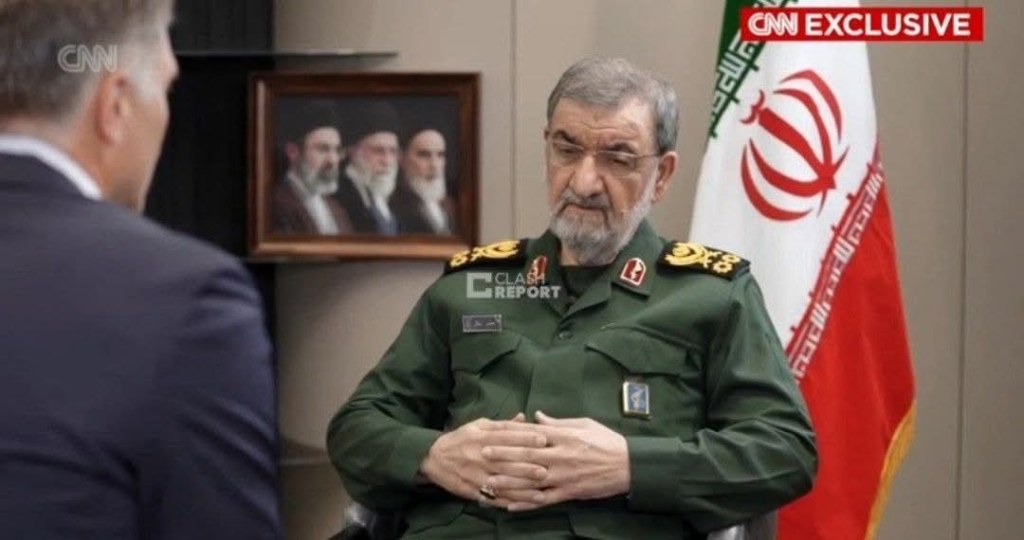
Tehran does not expect negotiations to produce a breakthrough, it wants to shape the narrative around any future escalation My reading of Rezaee’s CNN interview is that it is primarily directed at Western audiences and the cameras, not because Tehran genuinely expects negotiations to produce a breakthrough, but because it wants to shape the narrative… Continue reading
AI and Digital Control, America, Financial markets, Foreign Policy, Geopolitics, Global Finance, imperialism, iran, israel, middle east, Mineral Resources, NATO, neocolonialism, politics, South East Asia, warBab al-Mandab, British Empire Legacy, CNN Interview, Colonial Borders, conflict analysis, diplomacy, escalation, Foreign Affairs, GCC, geopolitical risk, Geopolitics, Geostrategy, Gulf Monarchies, Gulf States, information warfare, international relations, iran, Iran US relations, Long War, maritime security, middle east, Middle East politics, Middle East Transformation, Mohsen Rezaee, multipolar world order, Persian Gulf, political legitimacy, political stability, power projection, Red Sea security, Regime Security, Regional Conflict, Regional Order, Regional Realignment, security studies, state formation, Strategic Affairs, strategic messaging, US foreign policy, West Asia -
The Fractured Crescent
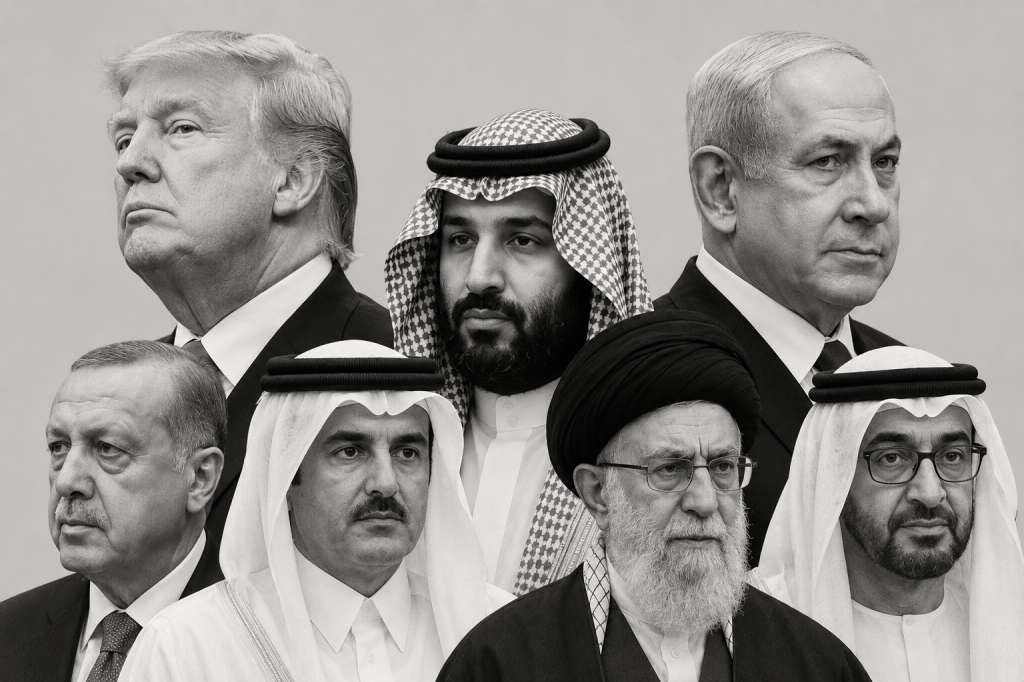
Power, Rivalry and Realignment in the Emerging Middle Eastern Order The Middle East enters another period of strategic transition as assumptions underpinning the regional order during the post-Cold War era face growing pressure from shifting power balances, changing economic realities, military confrontation, and the gradual erosion of uncontested American dominance. Public discussion frequently presents the… Continue reading
AI and Digital Control, America, China, economics, Energy, EUROPE, Financial markets, Foreign Policy, Geopolitics, Global Finance, iran, israel, Latin America, middle east, Mineral Resources, NATO, politics, reserve currency, Russia, South East Asia, warAbraham Accords, energy politics, Eurasia, Gaza War, Geopolitics, Geostrategy, great power competition, Gulf Cooperation Council, Gulf States, iran, israel, middle east, Mohammed bin Salman, Mohammed bin Zayed, multipolarity, Netanyahu, Political Rivalry, power transition, Qatar, Red Sea, regional power shift, Regional Realignment, Saudi Arabia, security architecture, Strait of Hormuz, Strategic Competition, Sudan conflict, Trump, Turkey, US foreign policy, West Asia, Yemen war -
The Calm Before the Storm: Is Washington Preparing for War With Iran Again?
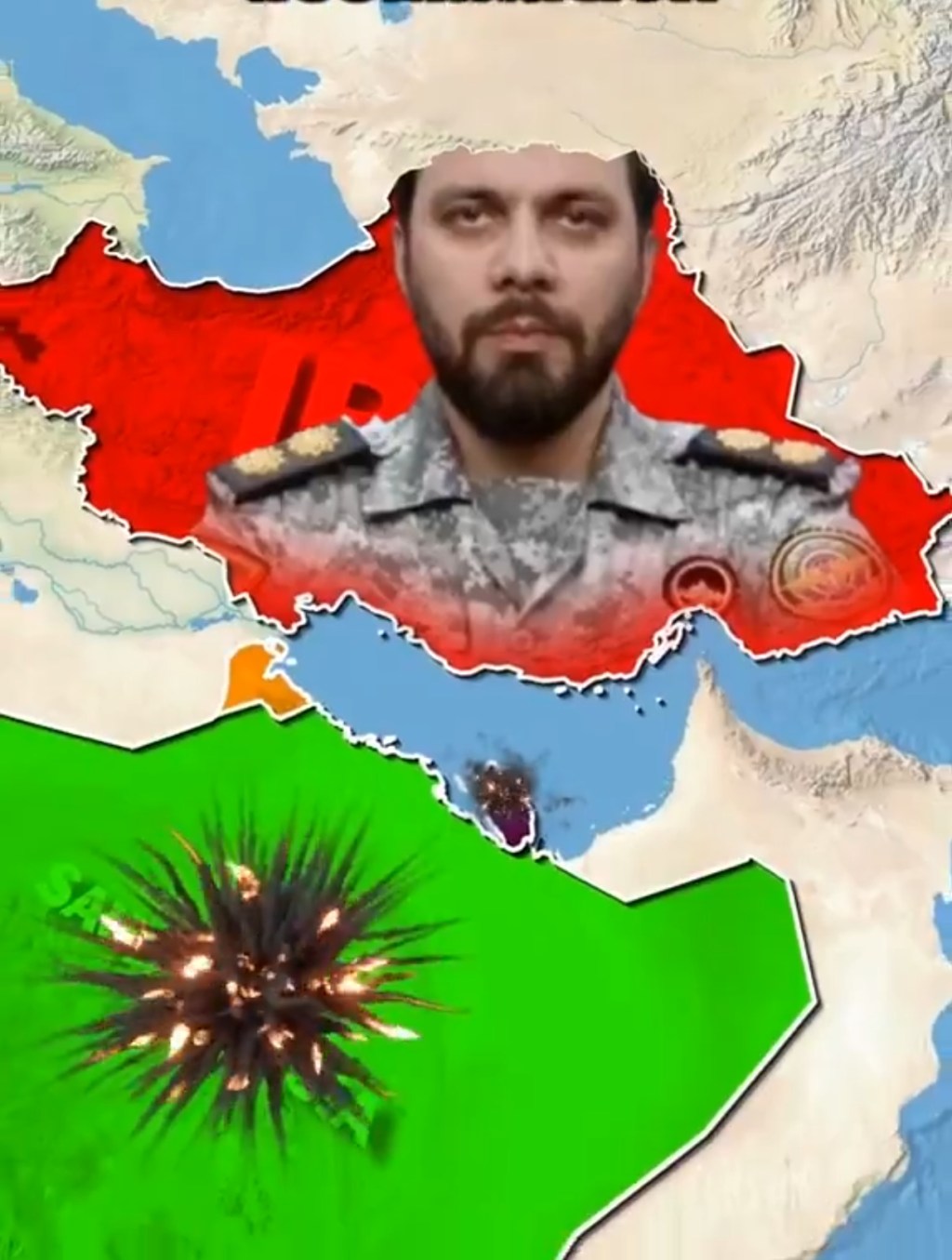
Washington says it wants diplomacy, but the demands being placed on Tehran look more like surrender terms than the foundation for lasting peace. The United States says it still wants diplomacy with Iran. Officials continue talking about negotiations, peace, and “de-escalation.” But behind the language of diplomacy, the reality looks very different. The conditions Washington… Continue reading
AI and Digital Control, America, Energy, Financial markets, Foreign Policy, Geopolitics, iran, israel, middle east, NATO, politics, Russia, warChina, CNN, Cruise Missiles, Defense, drones, Geopolitics, Global Politics, international relations, iran, middle east, Military, Military Industry, Missile Launchers, Missile Systems, Nuclear Tensions, pentagon, Persian Gulf, regional security, Russia, sanctions, Strait of Hormuz, strategic deterrence, Tehran, United States, US–Iran relations, Warfare -
1953 Coup: The Original Sin of US-Iran Relations

The 1953 Anglo-American overthrow of Mohammad Mosaddegh destroyed a democratic nationalist government, and laid the foundations for the anti-Western resistance doctrine drives Tehran’s politics today The modern confrontation between Iran and the United States did not begin with the 1979 Islamic Revolution, the embassy hostage crisis, or the rise of the Islamic Republic under Ayatollah… Continue reading
AI and Digital Control, America, Financial markets, Foreign Policy, Geopolitics, iran, israel, middle east, Mineral Resources, NATO, politics1953 Iranian Coup, Anglo-Iranian Oil Company, anti-imperialism, ayatollah khomeini, BP, BRICS, British Empire, British foreign policy, CIA, CIA Coups, Cold War, Declassified Documents, economic warfare., energy geopolitics, Eurasia, foreign intervention, Geopolitics, Global South, intelligence operations, iran, Iranian Nationalism, Iranian Revolution, Iranian Sovereignty, MI6, middle east, Mohammad Mosaddegh, multipolarity, nationalisation, Oil Politics, Operation Ajax, Petroleum Politics, political Islam, regime change, sanctions, SAVAK, Shah Mohammad Reza Pahlavi, United Kingdom, United States, US foreign policy, US–Iran relations, Western Intervention
