
Foreign Policy
-
Iranian Claims of U.S. Insider Trading and Executive Leverage in the 2026 Energy Futures Markets

The concentration of market-moving announcements in a narrow circle of decision-makers makes the observed pattern of large, precisely timed short positions difficult to explain without insider knowledge during the Persian Gulf Standoff The concentration of market-moving announcements in a narrow circle of decision-makers makes the observed pattern of large, precisely timed short positions difficult to… Continue reading
-
Lyndsey Graham: ‘Good Riddance’ is Trending
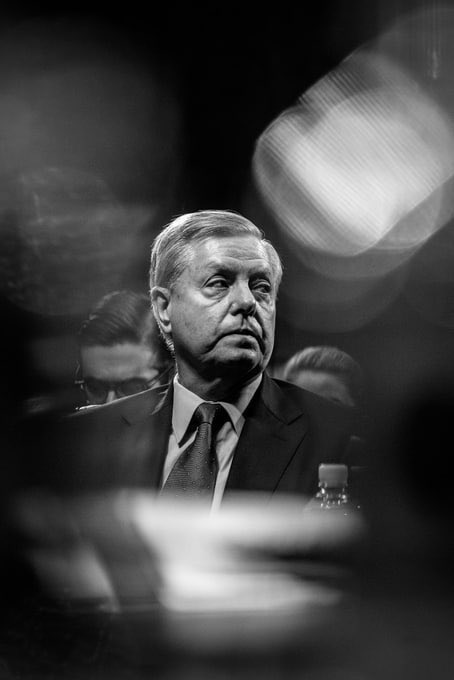
The Final Journey of Senator Lindsey Graham: A Reconstruction of Publicly Documented Movements The sudden death of Senator Lindsey Graham on July 11, 2026, at the age of 71, sent shockwaves through Washington and the international community. A close ally of President Donald Trump and one of the most vocal supporters of Ukraine in the… Continue reading
-
America’s Terrorist Pipeline For War with China
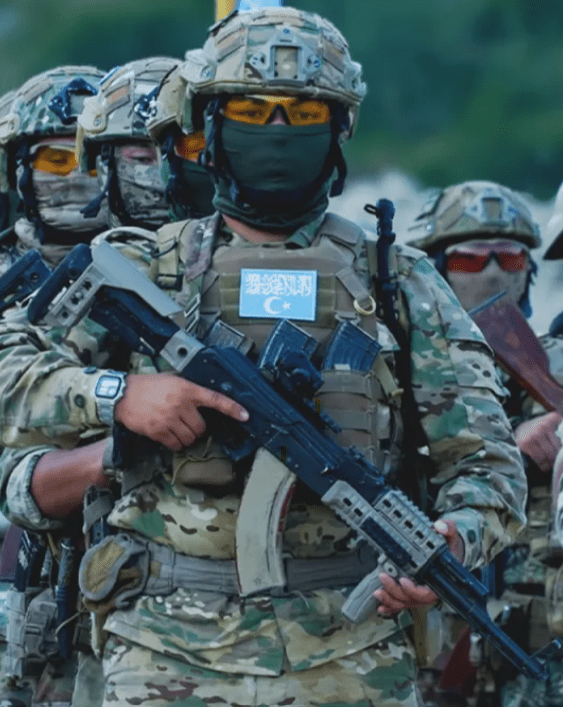
Two recent decisions to remove designated terrorist organisations from US lists sit inside a longer pattern of tactical realignment against China and Russia National Public Radio published a lengthy feature on 17 May 2026 profiling Uyghur fighters who helped topple the Assad government in Syria, describing them through interviews conducted in Idlib and Jisr al-Shughur… Continue reading
AI and Digital Control, America, China, economics, Energy, Financial markets, Foreign Policy, Geopolitics, Global Finance, imperialism, iran, israel, middle east, Mineral Resources, NATO, neocolonialism, politics, reserve currency, Russia, warAhmed al-Sharaa, Balochistan Liberation Army, China containment, China Pakistan Economic Corridor, East Turkestan Islamic Movement, Foreign Policy, Geopolitics, Hay’at Tahrir al-Sham, Information Operations, National Endowment for Democracy, proxy warfare, terrorist designation, Turkestan Islamic Party, United States foreign policy, Uyghur fighters Syria, Xinjiang -
China Defends Export Controls as Japan Criticizes Rare Earth Restrictions
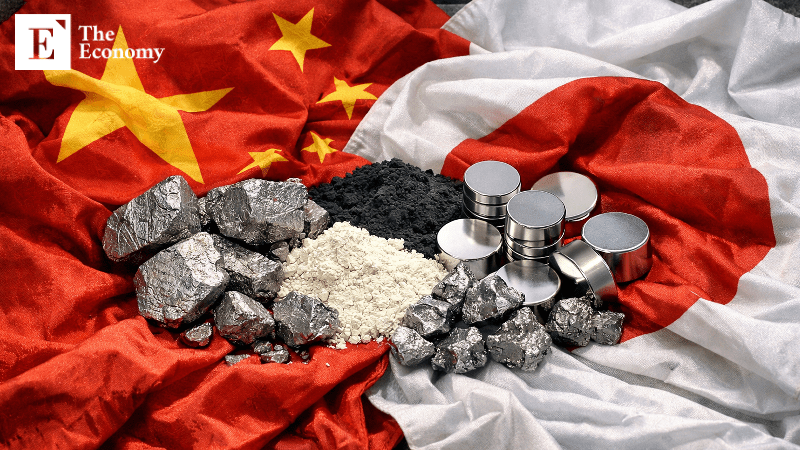
Beijing argues its measures are a restrained response to Japan’s growing military role and its position on Taiwan, while Tokyo says the restrictions are harming its economy. China has banned the export of all dual-use items to Japanese military users and for Japan’s military use. According to China’s Ministry of Foreign Affairs, the goal is… Continue reading
-
Is the Memorandum Built to Last, or Built to Break?
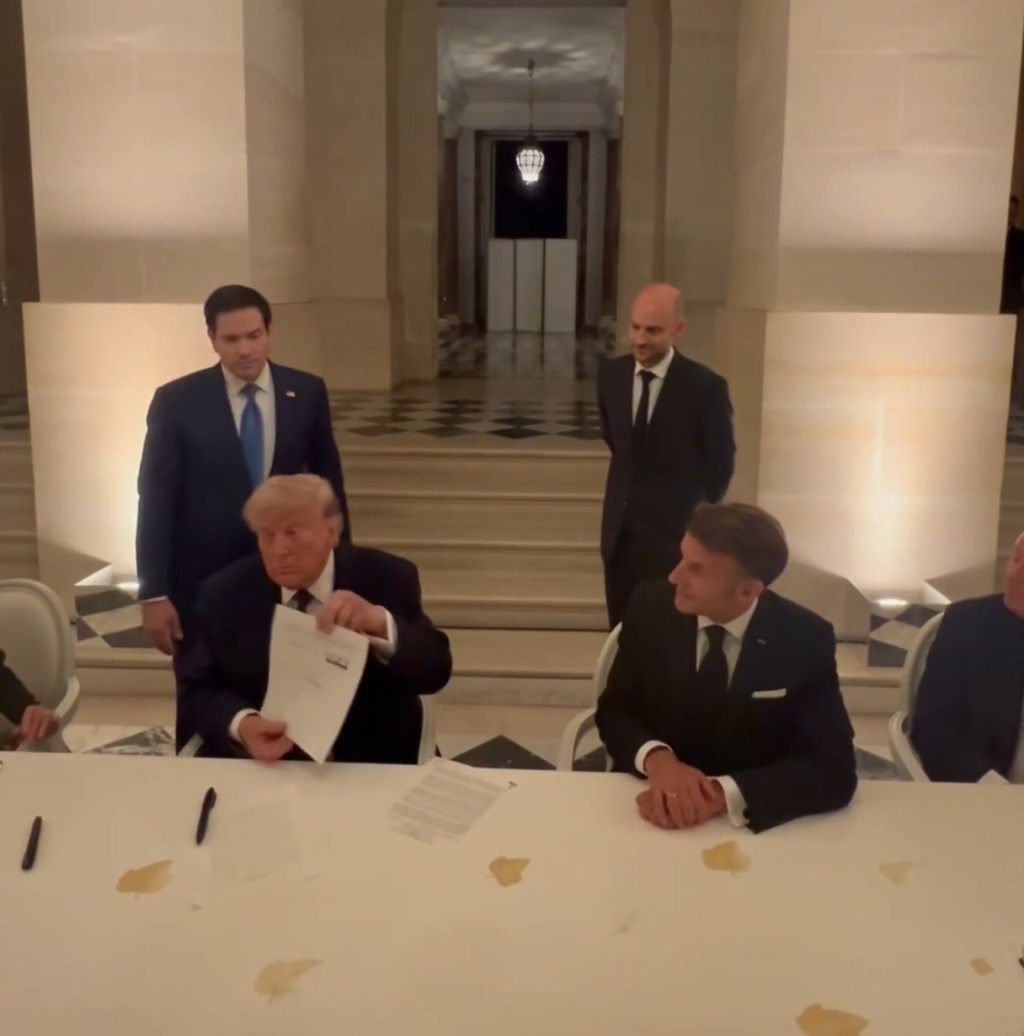
A framework for ceasefire is not a framework for peace, and the distinction has a long American record behind it Editorial Analysis | 18 June 2026 Diplomats concluded a memorandum of understanding with Iran in Geneva, the text finalised after months of Pakistani and Qatari-mediated contact between the two governments, and President Trump put his… Continue reading
-
Jewish Lobby’ Deceived Putin – Lukashenko
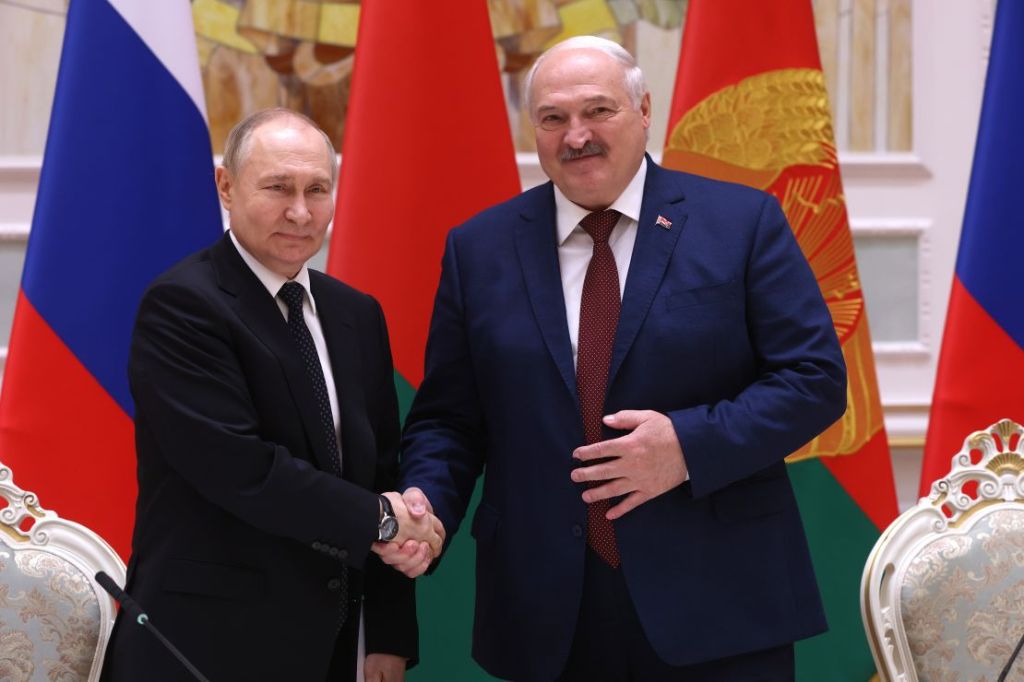
Moscow and Kiev were close to a peace deal in early 2022 before it was derailed, Belarusian president claims Belarusian President Alexander Lukashenko has claimed that Russian President Vladimir Putin was misled into withdrawing troops from areas near Kiev in 2022 by actors presenting themselves as supporters of Ukrainian leader Vladimir Zelensky’s willingness to pursue… Continue reading
AI and Digital Control, America, EUROPE, Financial markets, Foreign Policy, Geopolitics, Global Finance, imperialism, iran, israel, NATO, neocolonialism, Russia2022 Ukraine War, Al Arabiya, Alexander Lukashenko, Belarus, Belarus Politics, BelTA, Boris Johnson, Ceasefire Negotiations, David Arakhamia, diplomacy, Eastern Europe, Foreign Policy, Geopolitics, Global Politics, international relations, israel, Israeli Mediation, Istanbul talks, Jewish Lobby, kyiv, Mediation Efforts, moscow, Naftali Bennett, NATO, Patriarch Kirill, peace agreement, peace talks, Pope Francis, RT News, Russia, Russia Ukraine Negotiations, Russia Ukraine War, Russian Troop Withdrawal, Security Guarantees, ukraine, Ukraine conflict, Ukraine Neutrality, Vatican, vladimir putin, Volodymyr Zelensky, Western influence -
Trump’s Narrative Collides With Negotiation Reality
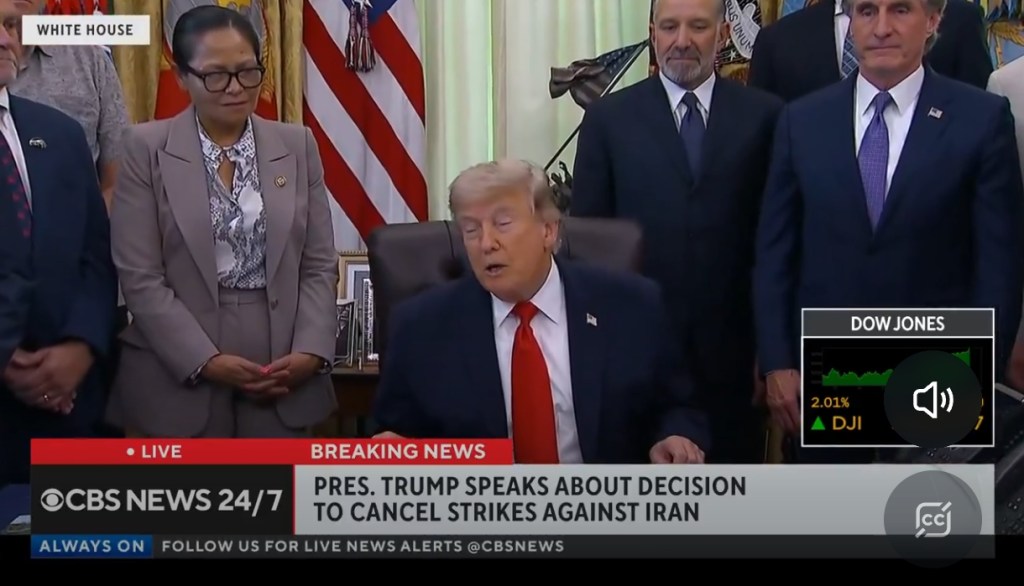
Behind the Scenes of Trump’s Claim That “Iran Accepted the Terms” As the United States retreated from its attempt to add new provisions to the draft agreement, Donald Trump simultaneously escalated his threats on social media and launched a campaign to portray Iran as having surrendered under military pressure. According to sources familiar with the… Continue reading
AI and Digital Control, America, Energy, EUROPE, Financial markets, Foreign Policy, Geopolitics, Global Finance, imperialism, iran, israel, middle east, Mineral Resources, NATO, politics, reserve currency, Russia, warbreaking news, Conflict, Current Events, diplomacy, Foreign Policy, Geopolitics, Global Politics, human rights, International News, iran, Iran Israel, Iran War, israel, Israel–Iran conflict, middle east, Middle East conflict, News Update, No War, Peace, regional stability, Security, Tehran, War and Peace, war updates, World News -
Lavrov Highlights Strength of Russia-China Partnership at International Conference
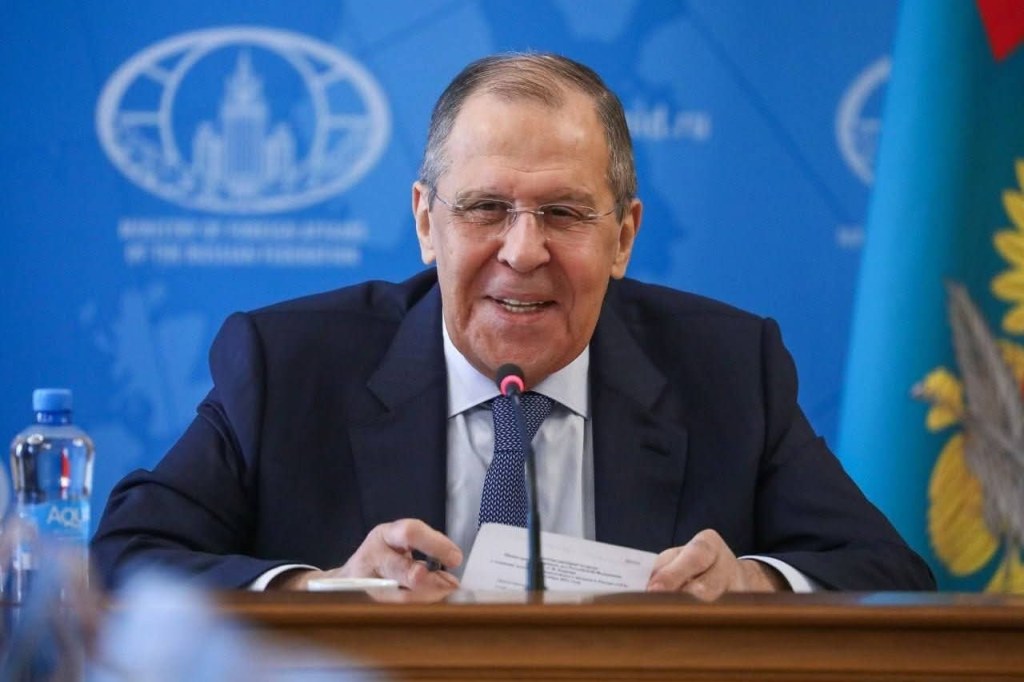
Russian foreign minister says Moscow and Beijing’s strategic partnership remains a stabilising force in global affairs as the two countries mark key diplomatic anniversaries. Russian Foreign Minister Sergey Lavrov has hailed the enduring partnership between Russia and China in a message to participants of the 11th International Conference, Russia and China: Cooperation in a New… Continue reading
AI and Digital Control, America, China, economics, Energy, EUROPE, Financial markets, Foreign Policy, Geopolitics, iran, israel, middle east, Mineral Resources, NATO, politics, reserve currency, Russia, satellites, war#SCO, Beijing, Bilateral Relations, BRICS, China, Chinese Academy of Social Sciences, diplomacy, Education Cooperation, Eurasia, Eurasian Security, Foreign Policy, G20, Geopolitics, Global Affairs, global governance, International Conference, international relations, moscow, multipolar world, Russia, Russia-China relations, Russia-China Treaty, Russian Foreign Ministry, Russian International Affairs Council, sergey lavrov, Shanghai Cooperation Organisation, Strategic Partnership, United Nations, vladimir putin, Xi Jinping -
The Official Count is Fifteen

How the Pentagon Manufactured the Casualty Record of Operation Epic Fury Editorial Analysis | 29 May 2026 The United States government’s official position, as stated repeatedly by President Trump, by CENTCOM spokesman Captain Tim Hawkins, and by CENTCOM commander Admiral Brad Cooper at a Pentagon press conference, is that thirteen American service members died in… Continue reading
AI and Digital Control, America, Carribean, economics, EUROPE, Financial markets, Foreign Policy, Geopolitics, Global Finance, iran, israel, middle east, Mineral Resources, NATO, politics, reserve currency, Russia, warAmerican casualties overseas, American soldiers killed, armed conflict, battlefield losses, breaking news, casualty tracker, CENTCOM, combat casualties, defense news, drone attacks, Foreign Policy, Geopolitics, global conflict, Iran conflict, Iran crisis, Iran Israel US war, Iran missile attacks, Iran retaliation, Iran War, Kuwait base attack, Middle East war, military conflict, military losses, military operations, national security, Operation Epic Fury, Pentagon casualties, troop injuries, US airstrikes Iran, US defense, US military deaths, US military wounded, US service members, US troop casualties, US war casualties, US–Iran conflict, war death toll, war statistics, war updates, wartime casualties -
EU Leaders Ignore Deadly Starobilsk Dormitory Strike While Condemning Russian Retaliation
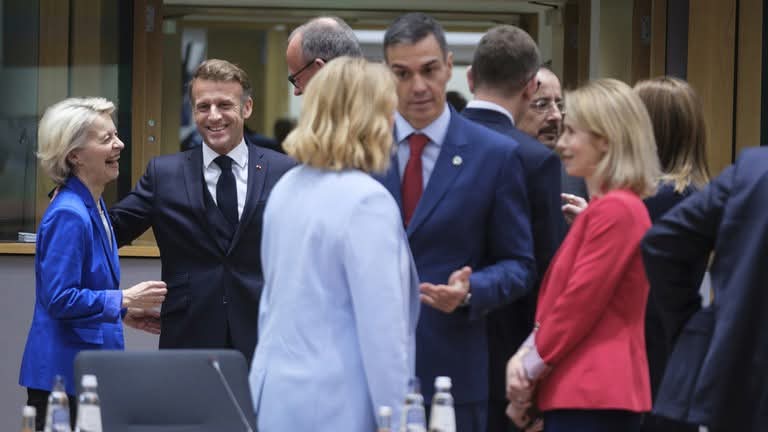
Western outrage again appears selective as deaths of 21 students in Lugansk receive little political attention, filtered through alliance politics rather than universal principle European Union leaders and several major Western governments have condemned Russia’s latest retaliatory missile strikes on Ukraine while remaining largely silent about the Ukrainian drone attack on the Starobilsk Professional College… Continue reading
AI and Digital Control, America, economics, Energy, EUROPE, Financial markets, Foreign Policy, Geopolitics, iran, israel, Mineral Resources, NATO, politics, reserve currency, Russia, warBucha, children in war, civilian casualties, civilian infrastructure, civilian targeting, conflict journalism, Crocus City Hall, Drone Warfare, Foreign Policy, gaza, geopolitical analysis, geopolitical conflict, Global Politics, humanitarian law, information warfare, international relations, international security, iran, Lebanon, Lugansk, Maria Zakharova, media asymmetry, media bias, military ethics, military propaganda, Minab, NATO, Russia, Russia Ukraine War, selective outrage, Starobilsk, strategic communications, ukraine, UN Security Council, Vassily Nebenzia, vladimir putin, war crimes, war reporting, wartime narratives, Western media
