
How Transnational Oligarchs, Class Interests, and Strategic Narratives Guide Military, Financial, and Political Decisions Shaping the Modern World
A transnational concentration of economic power, largely centred in the United States, is advancing a strategy aimed at consolidating global dominance by weakening sovereign rivals such as Iran, Russia, and China, while deepening Europe’s structural dependence. The present phase of geopolitical conflict reflects a convergence of military escalation, financial fragility, and strategic intent that extends beyond conventional statecraft. Decision-making authority operates through a network of transnational corporate and financial interests whose priorities align with capital preservation and expansion rather than national welfare. This structure has been examined by Glen Diesen, who argues that contemporary power is exercised through economic and institutional control mechanisms rather than traditional territorial governance. Continuity in strategic direction across political administrations indicates that electoral processes function as instruments of presentation rather than determinants of policy. The conduct of policy across several theatres shows continuity with earlier planning documents produced by institutions such as the Brookings Institution and the RAND Corporation, where phased pressure against rival powers formed the central line of thought. Those studies outlined the use of economic strain, proxy conflict, and resource denial to limit the growth of competing states, particularly Russia and China, while preserving Western primacy.
The central objective guiding current escalation involves the containment of China as the primary industrial and economic competitor. Analysts such as Michael Hudson have documented the transition from industrial capitalism to financialised imperial structures, where control over resources and financial flows replaces productive competition. China’s reliance on imported energy creates a structural vulnerability that can be exploited through coordinated disruption, particularly as Beijing accelerates efforts towards energy independence, thereby narrowing the window within which external actors can impose effective constraints.
Operational evidence across theatres of conflict demonstrates a structured and cumulative escalation pattern rather than isolated crises. In Eastern Europe, the Ukraine war has evolved beyond territorial dispute into a sustained campaign targeting Russian economic capacity, particularly its energy infrastructure and export routes. Long-range strikes on refineries, pipelines, and logistics hubs have reduced throughput and complicated Russia’s ability to supply Asian markets, including China. John Mearsheimer has argued that the war reflects a broader great power struggle in which Ukraine functions as a proxy theatre for weakening Russia as a strategic partner of China. The sustained provision of weapons, intelligence, and financial support ensures continuation of hostilities irrespective of battlefield outcomes, embedding the conflict within a larger framework of economic attrition.
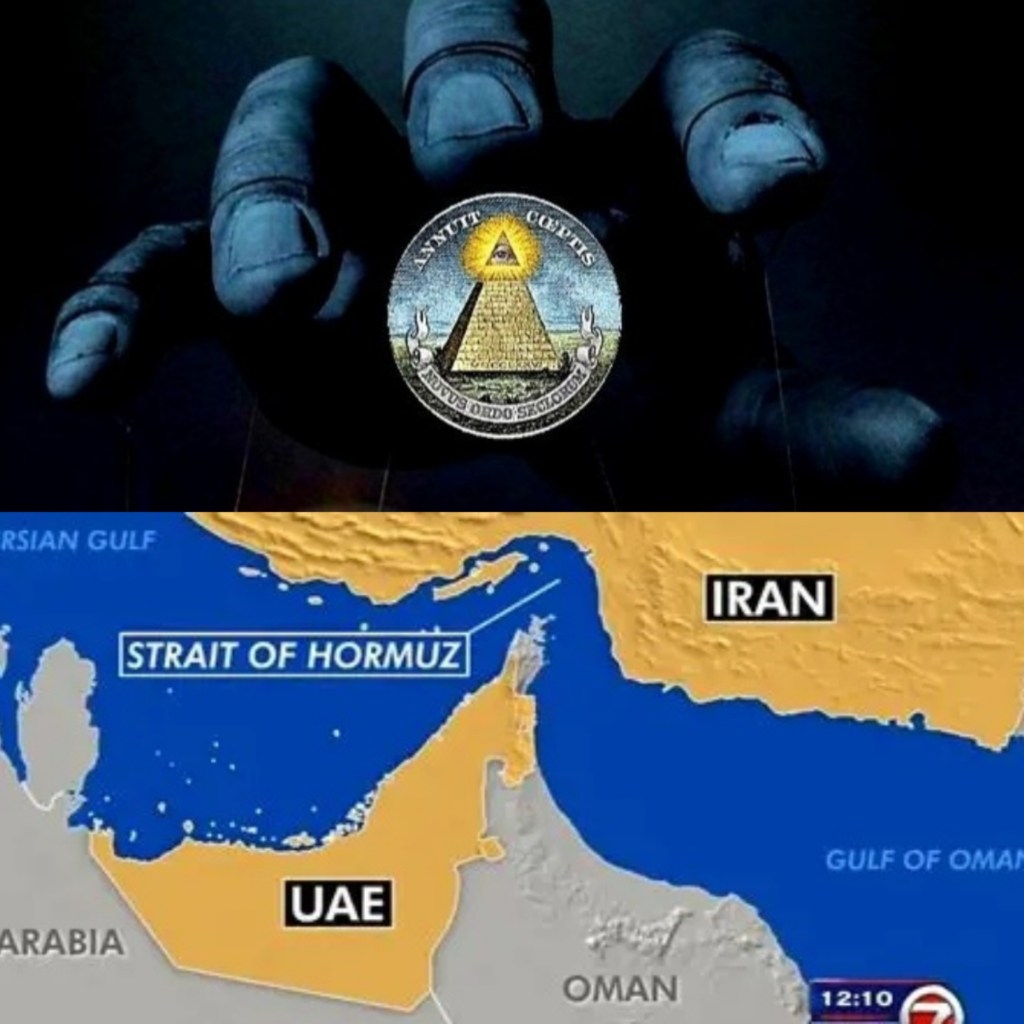
In West Asia, escalation against Iran follows a parallel logic centred on energy disruption and chokepoint control. Threats directed at critical infrastructure, including power plants, bridges, and export facilities, coincide with pressure on maritime routes through the Strait of Hormuz, one of the most significant arteries of global energy supply. The explicit signalling of coordinated strikes against Iranian infrastructure represents an escalation from covert disruption to overt coercion. Pepe Escobar has described this phase as the transition from hybrid warfare to direct energy war, where the objective is not regime change alone but the degradation of production capacity itself.
Latin America provides an additional layer to this pattern, where pressure on Venezuela’s political system has constrained oil output and redirected flows away from China. The convergence of these theatres produces a cumulative effect in which multiple energy suppliers to China face simultaneous disruption or containment. The strategic intent aligns with a broader objective of establishing leverage over global energy distribution sufficient to enable a future embargo or interdiction of Chinese supply chains.
The present moment introduces a level of immediacy defined by explicit political signalling associated with a fixed deadline. Public statements attributed to Donald Trump outline imminent large-scale strikes against Iranian infrastructure, framed in terms that emphasise both spectacle and totality. The declaration that specific days will target power plants and bridges, alongside threats concerning the Strait of Hormuz, signals preparation for an escalation capable of disrupting both regional stability and global energy markets. Such statements function within a dual framework of strategic communication and operational preparation, conditioning both domestic audiences and financial markets for abrupt change. A deliberate crashing of the global economy.
The role of Trump within this framework must be understood as representative of broader structural forces rather than an autonomous actor. His public posture as an erratic and singular decision-maker obscures continuity of strategic agenda across political factions. The appearance of unilateral action provides political cover for a transnational network of interests that benefit from the outcomes while avoiding direct attribution. The concept of continuity of agenda reflects this dynamic, where successive administrations maintain consistent strategic objectives despite apparent ideological differences. The managed opposition within political systems reinforces this continuity, enabling policy persistence while sustaining the illusion of democratic alternation.
Economic crisis functions as an integral component of this strategy rather than an unintended consequence. The deliberate targeting of energy infrastructure in multiple regions introduces upward pressure on energy prices, which propagate through all sectors of the global economy. James Galbraith has noted that energy shocks precede systemic economic downturns due to their centrality in production and distribution networks. The combination of disrupted supply, increased transport costs, and financial instability creates conditions conducive to a broad economic contraction.
Economic crises have historically functioned as mechanisms for restructuring global power relations. The work of Karl Polanyi demonstrates that periods of systemic breakdown often precede the reorganisation of economic orders. Contemporary conditions exhibit similar characteristics, with high levels of debt, financial speculation, and structural imbalances creating a system vulnerable to shock. The deliberate triggering of such a shock would enable the consolidation of assets, the elimination of weaker competitors, and the reallocation of resources towards dominant actors.
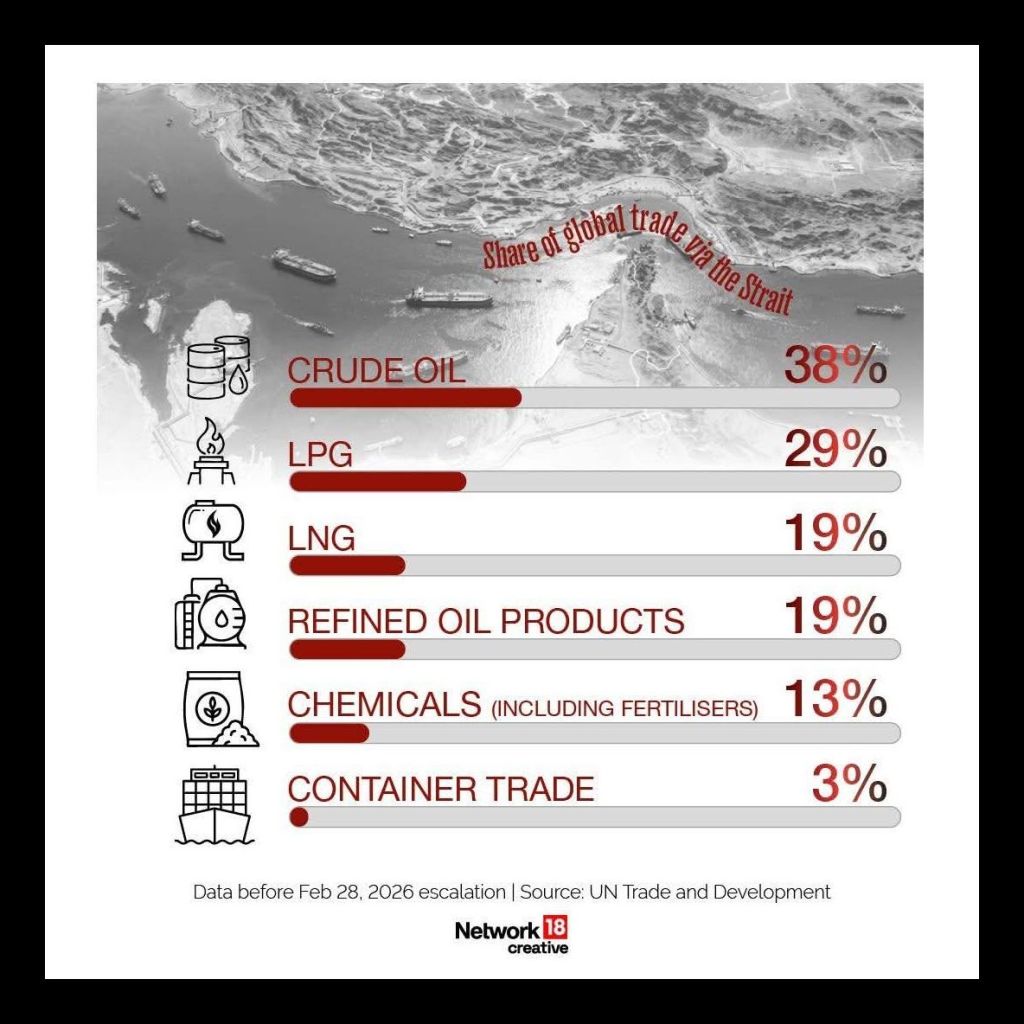
The anticipated escalation against Iran, particularly if it results in closure or disruption of the Strait of Hormuz, would remove a substantial portion of global oil supply from the market. Such a development would trigger immediate price spikes, liquidity stress in financial markets, and cascading failures across debt-laden economies. The deliberate nature of the signalling surrounding the deadline indicates that such outcomes are not merely anticipated but incorporated into strategic planning. Economic collapse under these conditions would facilitate a restructuring of global financial systems, including potential debt realignment, asset consolidation, and shifts in ownership structures favouring dominant institutions.
The corporate logic underpinning these processes operates through the mechanisms described by Joel Bakan, where corporations pursue profit maximisation irrespective of social consequences. Military expenditure, which has reached levels exceeding one trillion dollars annually, generates continuous revenue streams for defence contractors and associated industries. The destruction of infrastructure and equipment creates demand for reconstruction and replacement, ensuring profitability across cycles of conflict. Seymour Melman documented the emergence of permanent war economies in which production is sustained through continuous conflict rather than peacetime demand.
The accounting structure of this system reinforces its internal logic. Financial losses in one domain correspond to gains in another, ensuring that overall profitability is maintained. The destruction of military equipment generates demand for replacement, while reconstruction efforts create additional contracts. This dynamic reflects embedded economic incentives that sustain prolonged conflict beyond immediate strategic necessity.
The Ukraine war provides a clear illustration of this accounting structure, where sustained arms transfers and battlefield losses translate into ongoing procurement cycles. Each destroyed system necessitates replacement, while expanded budgets guarantee future orders. The same dynamic applies to escalation in West Asia, where anticipated destruction of Iranian infrastructure would generate subsequent contracts for reconstruction, security, and energy sector reorganisation. Financial losses reported at the macro level correspond to gains within specific sectors, maintaining overall profitability within the system.
European policy responses further demonstrate integration into this framework. Threats of reduced American commitment to NATO have been used to justify increased military spending and the reorientation of welfare-oriented economies towards defence production. Varoufakis Yanis has argued that European economic structures are increasingly subordinated to external strategic priorities, limiting autonomous policy development. The transformation of welfare states into security-focused economies reflects a redistribution of resources aligned with broader hegemonic objectives.
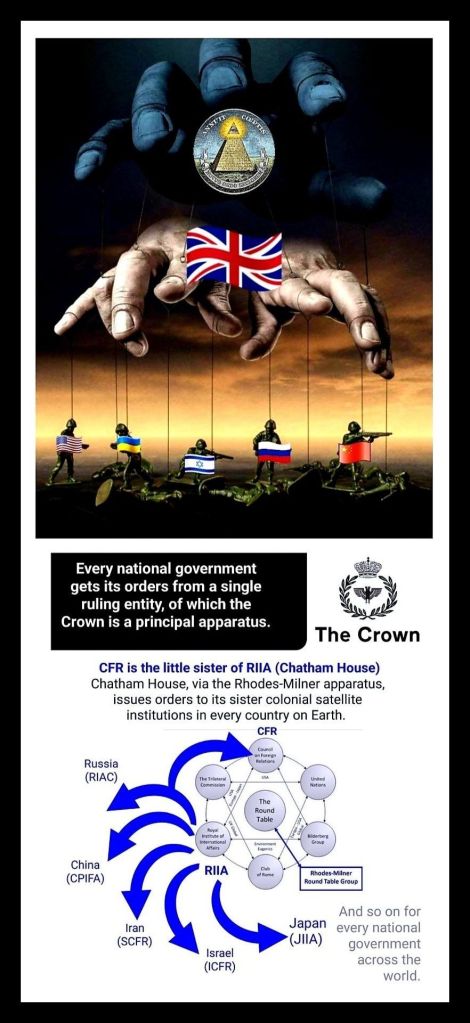
The ideological framework supporting these developments relies on narratives of national security, democratic defence, and external threat. These narratives obscure the role of class interests in shaping policy outcomes. The focus on nation-state competition diverts attention from the transnational character of decision-making structures, allowing coordinated strategies to be presented as independent national responses. The persistence of such narratives despite contradictory evidence indicates their function as instruments of perception management.
At the same time, much of the public discussion is built around a misleading picture of who is actually driving events. What is not taking place is a scenario in which a small state, Israel, is directing vastly more powerful countries to act on its behalf, nor is this about any single ethnicity or religion seeking global control. Framing the situation in those terms simplifies a far more complex reality. The more consistent pattern points to a network of powerful actors across the Western world who, despite differences in background, are aligned through shared economic interests and incentives. Looking at the situation through that lens helps explain why policies remain so consistent across different governments and regions.
This framing has been reinforced over time through repeated messaging. Narratives such as Russia posing an existential threat to Europe, or claims that failing to support Ukraine would inevitably lead to wider expansion, have been widely circulated and normalised. Similarly, high-profile political narratives have shaped public perception in ways that personalise and dramatise structural dynamics. Yet when examining patterns such as arms flows, funding, and strategic coordination, a different picture emerges, one of aligned interests rather than fragmented or manipulated decision-making. The tendency to interpret events purely through the lens of national sovereignty can make it harder to see these underlying connections, particularly when economic incentives and material outcomes are not the primary focus of public debate.
Many people, particularly Liberals, see global events through a lens that ignores class entirely. They accept claims that small states are directing the actions of global powers or that Iran’s regime is on the verge of collapse. By focusing only on nation-states, they overlook the transnational oligarchic networks shaping strategy and policy. This makes it easy for them to be manipulated into supporting wars, economic exploitation, and policies that serve the elite while harming ordinary people.
In reality, nation-states are instruments for the objectives of a transnational ruling class, which acts in its own interests rather than in the interest of any particular country or population. Liberal ideology, by ignoring the primacy of class, prevents people from seeing the true drivers of war, economic collapse, and social inequality. Conflicts appear as national disputes rather than orchestrated tools for consolidating wealth and power. This misperception justifies multi-front wars, massive defense spending, and cuts to healthcare, education, and social programs under the guise of necessity. Europe mirrors this pattern, transforming welfare states into war-focused economies in response to the same pressures. Until people adopt a class-based framework, they remain blind to these dynamics and continue supporting policies that work against their own interests.
Information management plays a critical role in sustaining this system. Public narratives emphasising democracy, security, and stability function as mechanisms for maintaining domestic support and international legitimacy. These narratives often diverge from observed outcomes, indicating their role as instruments of persuasion rather than accurate representations of policy. The consistency of this pattern across multiple conflicts suggests a systematic approach to perception management.
Encirclement strategies directed at China extend beyond energy disruption to include military positioning and alliance formation. The expansion of military infrastructure in the Asia-Pacific region, combined with increased cooperation among allied states, creates a strategic perimeter that limits China’s operational flexibility. This approach reflects historical precedents in which sustained pressure across multiple domains produced structural vulnerabilities in targeted states.
The cumulative effect of these dynamics places the global system at a critical juncture. The convergence of escalating military actions in Ukraine and Iran, combined with explicit signalling of imminent large-scale strikes, creates conditions for a systemic event with global consequences. The potential disruption of major energy supplies would act as a trigger for widespread economic instability, affecting production, trade, and financial systems simultaneously. The integration of military escalation with economic vulnerability suggests that such an outcome forms part of a broader strategic sequence rather than an isolated risk.
The current stage of escalation represents a critical juncture in this broader process. The convergence of military action, economic vulnerability, and explicit signalling of imminent disruption creates conditions for a systemic event with global consequences. The anticipated economic collapse would not represent an unintended consequence but a deliberate phase within a broader strategic framework aimed at reshaping the global order.
The scale of potential impact extends beyond economic metrics to encompass humanitarian and societal dimensions. Energy shortages and price spikes would affect food production, healthcare systems, and basic infrastructure, particularly in vulnerable regions. Financial instability would exacerbate existing inequalities, concentrating wealth and control within a smaller set of actors. The deliberate nature of the processes leading to such outcomes underscores the severity of the current stage of conflict.
The evidence indicates that present developments represent an advanced phase of a long-term strategy aimed at restructuring global power relations through coordinated military and economic actions. The role of transnational corporate power in directing this process, combined with the use of political figures as instruments of implementation and attribution management, highlights the limitations of conventional analytical frameworks. Understanding the trajectory of current events requires recognition of the structural drivers operating across multiple domains, and the potential consequences for global stability and human welfare remain profound under conditions of continued escalation.
Authored By: Global GeoPolitics
Thank you for visiting. This is a reader-supported publication. If you believe journalism should serve the public, not the powerful, and you’re in a position to help, becoming a PAID SUBSCRIBER truly makes a difference. Alternatively you can support by way of a cup of coffee:
https://buymeacoffee.com/ggtv |
https://ko-fi.com/globalgeopolitics |
Bitcoin: 3NiK8BoRZnkwJSHZSekuXKFizGPopkE7ns


Leave a comment