
US foreign policy
-
Order Out of Chaos: The Architecture of Permanent Conflict

An independent analysis of the post-9/11 order, its institutional drivers, and the material consequences of hegemonic overreach Editorial Analysis | September 2026 The comment that Benjamin Netanyahu made on the evening of 11 September 2001, when asked by the New York Times what the attacks meant for relations between the United States and Israel, has… Continue reading
-
The Strategic Logic of American Energy Warfare and the Destruction of Global Stability
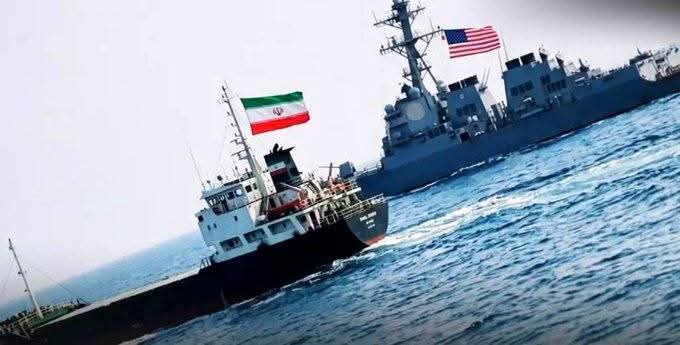
The Geopolitical Economy of Energy Sabotage and Transnational Class Primacy in the American Campaign Against Multipolarism Editorial Analysis | July 2026 The ongoing diplomatic and military confrontations involving the United States, its regional allies, and the Islamic Republic of Iran do not constitute an isolated regional crisis, nor do they stem from sudden tactical miscalculations… Continue reading
-
The Rules-Based Order Was Never Meant to Apply to Its Architects

From Venezuela’s Oil to Gaza’s Children: The Empire’s Hypocrisy Laid Bare The United States and its allies have constructed an elaborate framework of international rules, norms, and institutions designed to govern the behaviour of nations. Yet the architects of this system have consistently exempted themselves from the very rules they impose on others. The theft… Continue reading
-
The 40-Day War That Wasn’t: Iran’s Strategic Resilience and the West’s Miscalculation
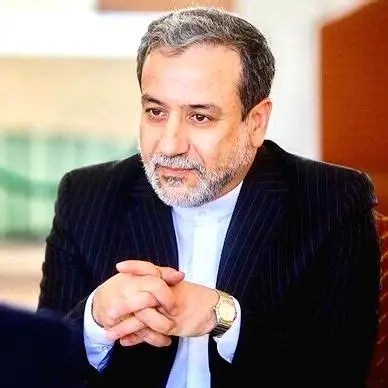
From Code 110 to the Memorandum of Understanding: How Tehran Outlasted Washington’s Hubris Report: The Araghchi Interview On July 20, 2026, Iranian Foreign Minister Abbas Araghchi provided a sweeping account of the 40-day war to filmmaker Javad Mogouei. The interview, published by Drop Site News, offers the most comprehensive Iranian perspective on the conflict to… Continue reading
-
The US has yet to fall on its own sword
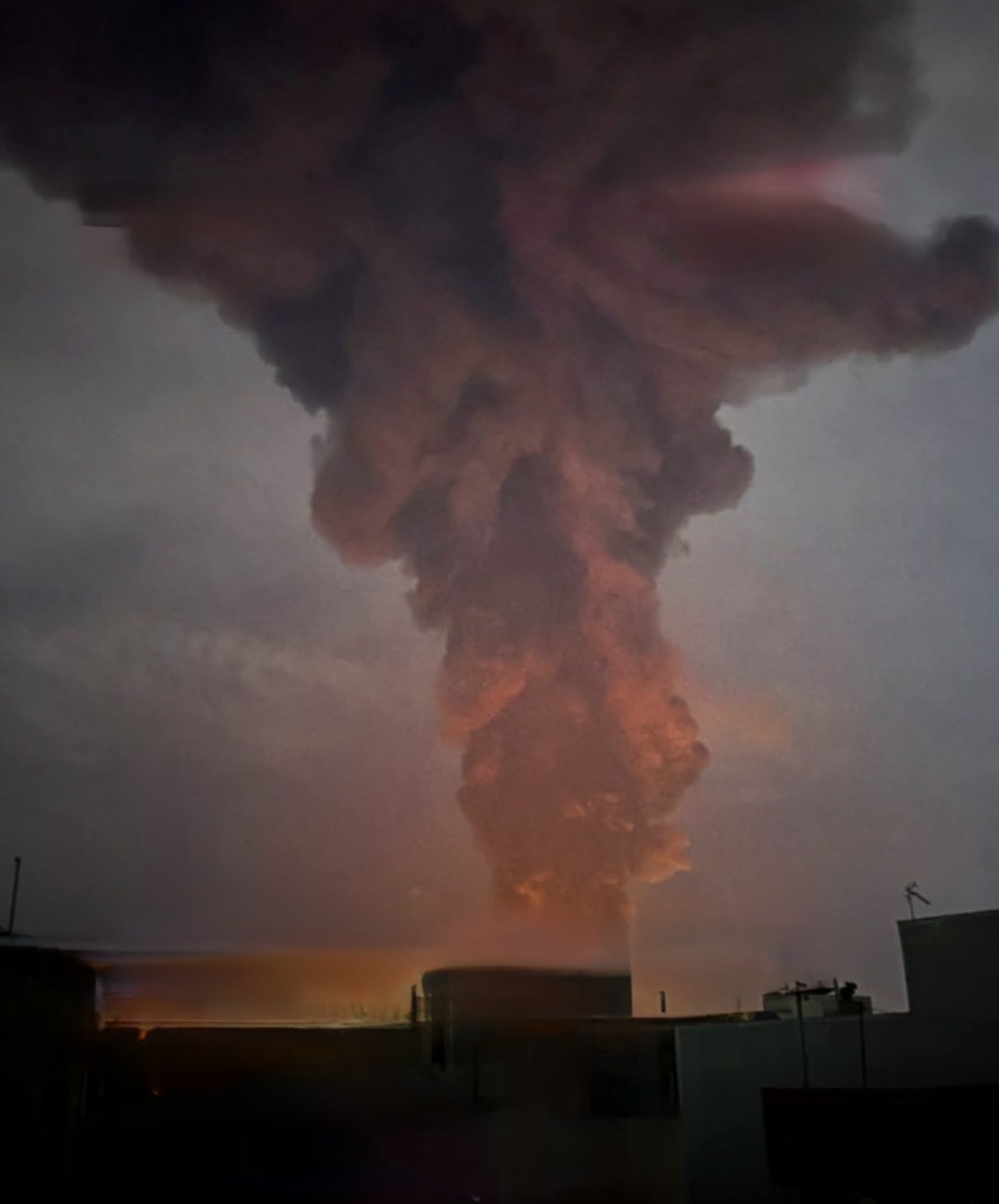
The Unending War for Primacy: US Empire Survival Strategy, Iranian Resistance, and the Struggle for a Multipolar Order Editorial Analysis | July 2026 The confrontation in the Strait of Hormuz that began on July 7, 2026, represents not an isolated incident but the latest chapter in a continuous, decades-long war that the United States has… Continue reading
-
Faltering American Strategy in the Middle East

Escalation in the Strait: Trump, Iran, and the Anatomy of a Strategic Trap The Strait of Hormuz has long been recognised as one of the world’s most consequential maritime chokepoints. Approximately 20 per cent of globally traded oil passes through its narrow waters, making its security a matter of strategic concern for every major economy.… Continue reading
-
NATO’s narrative of Ukrainian victory is failing to correspond to battlefield reality

The Ankara Summit and the Escalating Logic of Russian Military Strategy The NATO summit that concluded in Ankara on July 8 was intended to project alliance cohesion and demonstrate unwavering support for Ukraine. The final declaration pledged €70 billion in military equipment, assistance, and training for Ukraine in 2026, with a commitment to maintain at… Continue reading
-
The Memorandum of Convenience
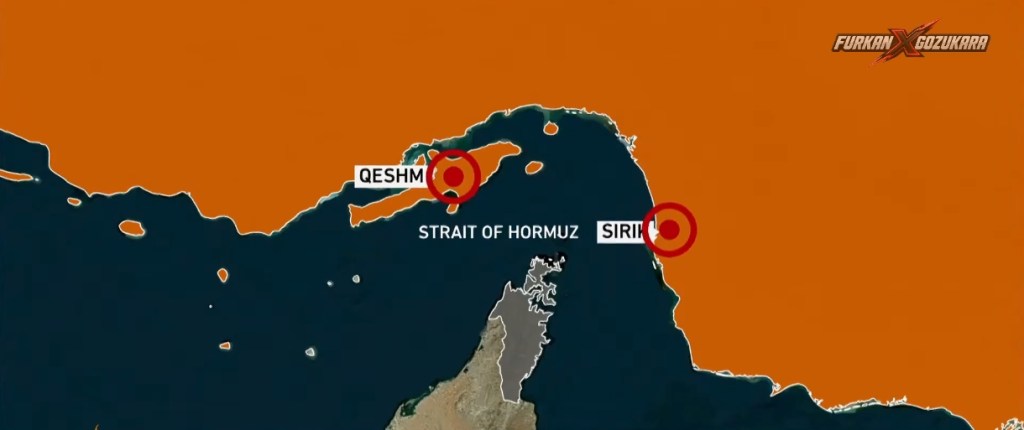
Why the US-Iran MOU Represents Another Chapter in a Longstanding Pattern of Strategic Deception The June 2026 Memorandum of Understanding between the United States and Iran has been presented to the world as a diplomatic breakthrough. According to the 14-point text, the agreement commits both parties to the immediate and permanent termination of military operations… Continue reading
AI and Digital Control, America, China, economics, Energy, EUROPE, Financial markets, Foreign Policy, Geopolitics, iran, israel, warBRICS, Brookings Institution, color revolution, energy security, Extending Russia, Geneva Convention, geopolitical competition, international law, Iran nuclear deal, Iran Sanctions, Iran War, Israel–Iran conflict, JCPOA withdrawal, LNG exports, MOU 2026, multipolarity, munitions depletion, proxy warfare, RAND Corporation, regime change, Strait of Hormuz, treaty violations, Trump administration, unipolarity, US foreign policy, US imperialism, US military inventory, US strategic deception, US–Iran relations, Which Path to Persia -
Armenia Regime-Changed Without A Shot Fired

How the 2018 Velvet Revolution Exemplifies the US Strategy of Political Capture of a Sovereign Country The March 1992 leak of the Defense Planning Guidance to the New York Times revealed a strategic vision that would shape American foreign policy for three decades. The document, prepared by Paul Wolfowitz’s policy office, asserted that the United… Continue reading
AI and Digital Control, America, economics, Energy, EUROPE, Financial markets, Foreign Policy, Geopolitics, Global Finance, middle east, Mineral Resources, NATO, neocolonialism, politics, Russia, waradministrative capture, Armenia, Armenia elections 2026, civil society organisations, client regimes, colour revolution, democracy promotion, electoral interference, Eurasian Security, extending Russia strategy, geopolitical competition, hybrid warfare, information space, information warfare, institutional capture, International Republican Institute, National Endowment for Democracy, NATO expansion, Nikol Pashinyan, OSCE observers, political capture, regime change, Russian influence, social media control, South Caucasus, Union of Informed Citizens, US foreign policy, US-Russia rivalry, Velvet Revolution -
The Extension of Empire – Israel as America’s Forward Military Arm
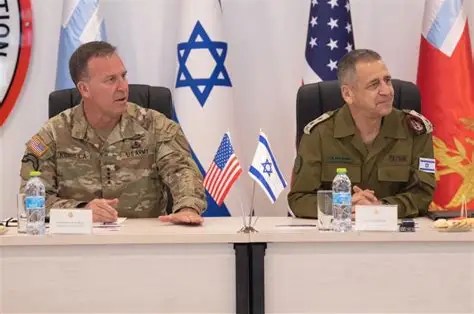
How US logistical support, intelligence sharing, and operational integration make Israeli military action inseparable from American strategic objectives Introduction: The Question of Agency Among the most persistent fictions in contemporary geopolitical commentary is the proposition that Israel acts as an independent military power, capable of initiating and sustaining major military operations without American approval or… Continue reading
AI and Digital Control, America, China, economics, Energy, EUROPE, Financial markets, Foreign Policy, Geopolitics, Global Finance, iran, israel, middle east, Mineral Resources, NATO, neocolonialism, politics, Russia, waraerial refuelling, CENTCOM coordination, energy security, global energy markets, intelligence sharing, Iran conflict, Israel defence, joint military operations, LNG exports, maritime chokepoints, Middle East geopolitics, military dependency, military industrial complex, Operation Roaring Lion, qualitative military edge, Strait of Hormuz, strategic dependence, US foreign policy, US-Israel alliance
